58.2 F
San Francisco
Wednesday, May 6, 2026
Home Blog Page 817

Trump Administration’s Record Keeping Sparks Concerns

0

Key Takeaways:

  • The Trump administration has posted fewer official records and briefings on the White House website since early 2025.
  • Practices like discouraging note-taking and removing disagreeable data from government websites contribute to this scarcity.
  • Historians and archivists warn that this approach could leave a less complete historical record.
  • These actions have raised concerns about transparency and accountability.

What’s Happening?

Since early 2025, the Trump administration has been posting far fewer official records and briefings on the White House website compared to the Biden administration. This reduction in transparency has raised eyebrows among historians, archivists, and the public. The administration has adopted practices that limit access to important information, making it harder for experts and the public to understand key decisions and events.


Why Is This Happening?

Several factors contribute to the lack of official records:

  1. Discouraging Note-Taking: The administration has reportedly discouraged staff from taking notes during important meetings. This practice reduces the creation of written records that are essential for historical accuracy.
  2. Scrubbing Data from Government Websites: Certain information that the administration finds disagreeable has been removed from government websites. This erasure of data makes it difficult to track policy changes and decisions.
  3. Refusing to Release Visitor Logs: Visitor logs, which are public records of who visits the White House, are no longer being released. This lack of transparency raises questions about who has access to the administration and what influence they may have.
  4. Disputes Over Classified Documents: There have been disputes over the handling of classified documents, further complicating the preservation of official records.

What Do Historians and Archivists Say?

Historians and archivists are sounding the alarm about these practices. They warn that the lack of detailed records could leave a significant gap in our understanding of this period in U.S. history. Without these records, future generations may not have a complete picture of the decisions and events that shaped the country.

Historical records are crucial for accountability. They allow the public and future leaders to learn from past mistakes and successes. When records are incomplete or missing, it becomes harder to hold officials accountable for their actions.


The Impact on Transparency and Accountability

Transparency is a cornerstone of democracy. When governments are transparent, citizens can see how decisions are made and hold their leaders accountable. The Trump administration’s practices, however, seem to move away from this principle.

  1. Less Transparency: By limiting access to records and discouraging note-taking, the administration is making it harder for the public to stay informed.
  2. Potential for Mismanagement: Without proper documentation, there is a higher risk of mismanagement and misconduct going unnoticed.
  3. Erosion of Trust: When the government hides information, it can erode public trust. People may begin to question whether their leaders are acting in their best interests.

The Bigger Picture

This issue is not just about record-keeping. It reflects a broader debate about how transparent and accountable governments should be. Historians and the public alike are concerned about what these practices mean for the future of U.S. governance.

  1. Lessons from History: History teaches us that transparency is essential for a functioning democracy. Without it, authoritarianism and corruption can thrive.
  2. The Role of the Media and the Public: The media and the public play a crucial role in demanding transparency. By staying informed and holding leaders accountable, citizens can ensure that their voices are heard.
  3. The Need for Reform: This situation highlights the need for stronger laws and practices to ensure that government records are preserved and accessible. Without such measures, the risk of historical gaps and accountability issues will remain.

Conclusion

The Trump administration’s approach to record-keeping has raised serious concerns among historians, archivists, and the public. By limiting access to official records and discouraging transparency, the administration risks leaving a less complete and less accurate historical record. This not only affects our understanding of the past but also undermines accountability and trust in government.

As this issue continues to unfold, it serves as a reminder of the importance of transparency in democracy. The public and future leaders must remain vigilant in ensuring that governments prioritize accountability and openness. Only then can we build a more informed and just society.
Trump Rolls Back Police Reforms: What You Need to Know

0

Key Takeaways:

  • The Trump administration is reversing Biden-era police reforms in certain cities.
  • Oversight agreements with Louisville and Minneapolis police departments will be dropped.
  • Investigations into police misconduct in six cities, including Phoenix and Memphis, will be scrapped.

Trump Administration Rolls Back Police Reforms in Controversial Cities

The Trump administration has announced plans to roll back police reform efforts put in place during the Biden administration. This decision comes amid ongoing debates over police conduct in cities like Louisville, Kentucky, and Minneapolis, Minnesota. The U.S. Justice Department revealed that it will stop overseeing police departments in these cities. Additionally, it will halt investigations into police actions in six other cities, including Phoenix and Memphis.

What Does This Mean for Police Oversight?

The Department of Justice had previously agreed to monitor police departments in Louisville and Minneapolis. These agreements were designed to address concerns about police brutality and discrimination. For example, Louisville’s police department faced scrutiny after the death of Breonna Taylor, who was killed in her home during a police raid. Similarly, Minneapolis became a focal point after the murder of George Floyd, which sparked nationwide protests.

By dismissing these oversight agreements, the Trump administration is essentially removing federal supervision of these police departments. This means local police forces will have more freedom to operate without federal interference. Supporters argue that this allows police to focus on their jobs without unnecessary oversight. Critics, however, worry that this could lead to a return of the problems these reforms aimed to fix.

Investigations Into Police Misconduct Discontinued

The Justice Department also announced that it will stop investigating police departments in six other cities. These investigations were launched to look into allegations of unconstitutional policing practices. Cities like Phoenix and Memphis were under scrutiny for issues such as excessive force and racial profiling.

Ending these investigations means that the federal government will no longer actively monitor these police departments. While some argue that this decision gives police departments more autonomy, others fear that it could lead to a lack of accountability. Without federal oversight, some worry that police misconduct could go unchecked.

Why Is This Happening Now?

The Trump administration has long been a supporter of law enforcement. It has often criticized reforms aimed at increasing police accountability, calling them anti-police. The administration argues that these reforms undermine the ability of police to do their jobs effectively. By rolling back these efforts, the administration is signaling its support for law enforcement and its belief that local police should be trusted to regulate themselves.

What’s Next?

The decision to roll back police reforms has sparked strong reactions. Advocates for police reform argue that this move could undo progress made in recent years. They fear that without federal oversight, police departments may return to practices that led to public outcry in the first place. On the other hand, police unions and supporters of law enforcement welcome the decision, saying it allows officers to focus on keeping communities safe without unnecessary interference.

As the debate over police reform continues, the impact of this decision will likely be felt in the coming months and years. Whether this shift leads to improved policing or a return to past problems remains to be seen. One thing is clear: the Trump administration’s decision to roll back police reforms is a significant step that will have far-reaching consequences.

Trump Discusses Putin’s Ukraine Strategy with European Leaders

0

Key Takeaways:

  • Trump told European leaders Putin believes he’s winning in Ukraine and doesn’t want to end the war.
  • This aligns with European leaders’ existing beliefs but contrasts with Trump’s past statements.
  • European leaders note this as a significant shift in Trump’s perspective on Putin.

Trump Shares Insights on Putin’s Strategy

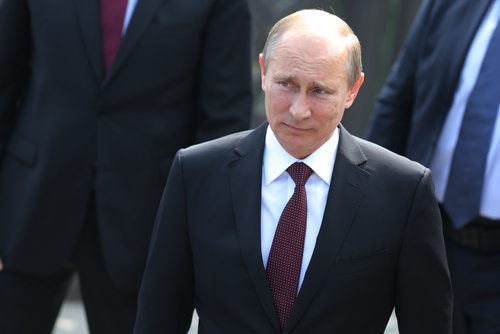
In a recent conversation, Trump informed European leaders that Vladimir Putin feels he is winning in Ukraine and thus sees no need to end the conflict. This revelation is notable, as it marks a change from Trump’s earlier assertions that Putin desired peace.

European Reaction to Trump’s Remarks

European leaders, who have long suspected Putin’s stance, found it significant to hear this assessment from Trump. His statement highlights a shift in perspective, suggesting a possible reevaluation of Putin’s intentions.

Shift in Trump’s Perspective

Trump’s current view contrasts sharply with his previous statements, where he often expressed that Putin sought a peaceful resolution. This change could indicate evolving insights or new information influencing Trump’s outlook.

Possible Reasons for Putin’s Confidence

Putin may believe he is gaining ground due to territorial control or military progress, though specific details remain unclear. These factors likely contribute to his confidence in continuing the conflict.

Significance of Trump’s Statement

Trump’s remarks underscore the complexity of the situation, suggesting a strategic reassessment. This shift could have implications for future diplomatic efforts and international relations.

In conclusion, Trump’s discussion with European leaders highlights Putin’s resolve to continue the war, marking a notable shift in Trump’s communicated stance. This development may influence ongoing strategies and perceptions in the conflict.

House Passes Trump’s Tax-and-Spending Bill in Close Vote

0

Key Takeaways:

  • The Republican-led House narrowly passed President Trump’s tax-and-spending bill.
  • The bill faced last-minute changes to unite differing opinions within the party.
  • The final vote was 215-214, with one lawmaker abstaining.
  • The bill now heads to the Senate, where it may face more challenges.

The Republican-controlled House of Representatives passed a sweeping tax-and-spending bill early Thursday. This happened after party leaders made some last-minute adjustments to bring their divided groups together. The vote was extremely close, with 215 lawmakers voting yes, 214 voting no, and one choosing not to vote at all.

Now, the bill moves to the Senate, where a similar battle might unfold. Lawmakers there could have differing opinions, making the road ahead uncertain for this major piece of legislation.


What’s in the Bill?

President Trump’s tax-and-spending bill is a large and complex package. It includes changes to taxes, government spending, and other policies. The goal is to address several issues, from cutting taxes for some individuals and businesses to funding government programs.

The bill also aims to simplify parts of the tax code, making it easier for people to file their taxes. At the same time, it includes measures to lower taxes for corporations, which supporters argue could boost job creation and economic growth.

However, the bill is not without controversy. Critics worry that the tax cuts will mostly benefit wealthy individuals and large companies, leaving less support for low- and middle-income families. Some also fear it could increase the national debt if the tax cuts don’t lead to enough economic growth.


The Fight in the House

The bill’s journey through the House was rocky. Republican leaders faced opposition from within their own party. Some lawmakers wanted deeper tax cuts, while others were concerned about the bill’s impact on the federal budget.

To unite the party, Republican leaders made some last-minute changes. These adjustments included tweaks to the tax cuts and additional provisions to win over hesitant lawmakers. In the end, these changes worked, and the bill barely passed.

The vote was so close that it showed how divided the House is on this issue. Just one vote made the difference, highlighting the challenges of passing major legislation in a deeply split Congress.


What’s Next in the Senate?

Now that the bill has passed the House, it heads to the Senate. The Senate is also controlled by Republicans, but it’s not clear if the bill will pass there. Senators often have different priorities and opinions, and it’s possible they’ll try to make significant changes.

Some Republican senators might support the bill as it is, while others could push for further amendments. Democrats, who mostly oppose the bill, could try to block it or negotiate for changes.

If the Senate passes a different version, the bill will go to a conference committee. There, representatives from the House and Senate will work out the differences. Only after that can the bill go to President Trump’s desk for his signature.


Reactions to the Bill

Supporters of the bill say it will help businesses grow and create jobs. They argue that lower taxes will put more money in people’s pockets, boosting the economy.

Critics, however, are worried about the potential consequences. They point out that the bill could increase the national debt and favor the wealthy over everyday Americans. Some also argue that the tax cuts don’t go far enough or aren’t targeted properly.

As the bill moves to the Senate, both sides are preparing for a tough debate. The outcome is far from certain, and it’s unclear when—or if—the bill will become law.


A Closer Look at the Changes

The last-minute changes made to the bill were crucial in getting it through the House. These changes included adjustments to the tax rates and additional provisions to appeal to specific lawmakers.

One of the key changes was to the tax rates for small businesses. The bill now includes a lower tax rate for certain small businesses, which won over some skeptical lawmakers. Other changes involved increasing the child tax credit, a provision that helped gain support from lawmakers who wanted more relief for families.

Despite these changes, not everyone was satisfied. Some lawmakers still felt the bill didn’t go far enough in cutting taxes or addressing their concerns about the national debt.


The Road Ahead

The passage of the bill in the House is a significant step, but the real challenge lies ahead in the Senate. Lawmakers there will carefully review the bill and likely propose their own changes.

If the Senate passes its own version, the differences between the two versions will need to be worked out. This process could take weeks or even months, depending on how negotiations go.

In the meantime, President Trump and Republican leaders are urging lawmakers to act quickly. They argue that the bill is essential for boosting the economy and fulfilling campaign promises.

But Democrats and some Republicans remain skeptical. They want to ensure that any final bill is fair and doesn’t harm middle- and low-income families.


Conclusion

The House’s narrow passage of President Trump’s tax-and-spending bill is a major milestone, but the battle is far from over. The Senate will now have its say, and the outcome is anything but certain.

As the debate continues, one thing is clear: this bill has the potential to shape the country’s economy and taxes for years to come. Whether it becomes law—and in what form—will depend on the negotiations in the Senate.

Let us know what you think about the bill and its potential impact in the comments below!

New Pope Faces Big Challenges: Can Leo XIV Lead the Catholic Church to Victory?

0

Key Takeaways:

  • Pope Leo XIV is the new leader of the Catholic Church.
  • Most of the cardinals who elected him were chosen by Pope Francis.
  • The Church is struggling against three main enemies: globalism, Islam, and communism.
  • Catholics hope Leo XIV will lead the Church in a different direction.
  • The Church needs strong leadership to survive these challenges.

The Challenges Ahead

Pope Leo XIV is the new leader of the Catholic Church. He was elected by cardinals picked by his predecessor, Pope Francis. At first glance, Leo XIV seems similar to Pope Francis. But it’s too early to tell. Catholics are praying that Leo XIV will take a different path. Why? Because the Catholic Church is fighting a tough battle against three powerful enemies: globalism, Islam, and communism. Right now, the Church is losing on all fronts.

Let’s break down these challenges one by one.


The Enemy Within: Globalism

Globalism is a movement that wants to create a single, unified world government. It often pushes ideas that go against Catholic teachings. For example, globalism supports things like abortion, gay marriage, and climate change policies that don’t align with the Church’s values. Pope Francis was often criticized for being too friendly with globalist leaders. He even signed agreements supporting some of these ideas, which upset many Catholics.

Leo XIV needs to be careful here. The Church can’t afford to compromise its values to fit in with globalist agendas. If the Church gives in, it will lose its identity and its followers.


The Growing Threat of Islam

Islam is the second-largest religion in the world, and it’s growing fast. In some European countries, churches are empty while mosques are full. This shift is worrying for the Catholic Church. Islam and Christianity have very different beliefs, and their differences often lead to conflict.

Some Catholic leaders have tried to make peace with Muslim leaders. But this hasn’t worked. The Church needs a strong strategy to spread its message and bring people back to faith. Leo XIV must find a way to reclaim Europe and other regions where Christianity is declining.


The Communist Menace

Communism is another major threat to the Catholic Church. Communist countries like China and North Korea oppress Christians and control the Church. In China, the government has taken over the Catholic Church, appointing bishops who loyal to the state, not the Pope.

Pope Francis tried to make peace with China, but it didn’t work. The Church is still persecuted in these countries. Leo XIV needs to stand up to communist regimes and fight for the rights of Catholics worldwide.


What Catholics Want from Leo XIV

Catholics are hoping Leo XIV will take a different approach. They want him to be a strong leader who defends the Church’s teachings without compromise. They want him to stand up to globalism, Islam, and communism. Most importantly, they want him to bring people back to God.


A Call to Action

The Catholic Church is at a crossroads. It needs a leader who will take charge and fight for its survival. Leo XIV has the chance to make a real difference. But he needs the support of all Catholics. Now is the time to pray for the Church and its new leader.

The battle ahead won’t be easy. But with faith and courage, the Catholic Church can overcome its enemies and emerge stronger. Will Leo XIV be the hero the Church needs? Only time will tell.

AI and the Truth: Are We Losing the Art of Debate?

0

Key Takeaways:

  • AI is changing how we learn and understand information.
  • Machines can reflect our biases and limit our understanding.
  • Debate and questioning are crucial for finding the truth.
  • Relying too much on AI might make us passive learners.

Introduction: The Evolution of Knowledge

Humans have always sought wisdom through discussion and disagreement. From ancient philosophers to modern-day scientists, debate has been the cornerstone of learning. However, with the rise of artificial intelligence, our relationship with knowledge is changing. AI models, like chatbots and voice assistants, provide instant answers, but are we losing the art of questioning and debate in the process?


Section 1: The Rise of AI as Gatekeepers of Information

AI has become a powerful tool in our daily lives. It answers our questions, solves problems, and even predicts what we might want to know next. But here’s the catch: AI systems are trained on data created by humans. This means they often reflect our biases and limitations. Imagine asking an AI a difficult question. Instead of exploring different viewpoints, it might give a single answer based on what it has been trained on. This can make us passive learners, accepting information without questioning it.

For example, if you ask an AI about a historical event, it might provide a straightforward answer. But in reality, history is full of different perspectives and interpretations. By relying solely on AI, we might miss out on the diversity of human thought.


Section 2: The Importance of Debate and Disagreement

Debate and disagreement have always been essential for discovering the truth. When we argue, we challenge our own beliefs and consider other viewpoints. This process makes our understanding deeper and more nuanced. But when we rely on AI, we often get a one-sided view of the world.

Think about a time when you disagreed with someone. That disagreement probably made you think harder about your own beliefs. It might have even changed your mind. AI, on the other hand, doesn’t challenge us in the same way. It provides answers, but it doesn’t engage in a back-and-forth conversation.


Section 3: The Risk of a Narrow Worldview

Another concern is that AI can create echo chambers. An echo chamber is when we only hear information that confirms what we already believe. For instance, your social media feed might show you articles that align with your views, making it harder to see opposing perspectives. This can lead to a narrow worldview, where we fail to consider other sides of an argument.

AI systems, especially those that learn from our behaviors, can amplify this problem. If you consistently engage with certain types of content, the algorithm might assume that’s all you want to see. Over time, this can limit your exposure to diverse ideas and perspectives.


Section 4: The Role of Humans in the Age of AI

So, what can we do? The answer lies in finding a balance. AI is a powerful tool, but it shouldn’t replace human interaction. We need to engage in debates, challenge our beliefs, and seek out diverse viewpoints. Here are some steps we can take:

  1. Question AI Responses: When an AI gives you an answer, don’t take it at face value. Ask why or how it reached that conclusion.
  2. Seek Multiple Sources: Don’t rely on a single source of information, especially for complex topics. Look for different perspectives to form a well-rounded understanding.
  3. Engage in Discussions: Talk to people with different opinions. Debate and discussion are still the best ways to deepen our understanding of the world.

Conclusion: The Future of Knowledge

AI is a groundbreaking technology with the potential to revolutionize how we learn. However, it’s important to remember that machines are only as good as the data they’re trained on. They don’t have the ability to question or challenge in the same way humans do.

As we move forward in this age of AI, we must not lose the art of debate. We need to actively seek out diverse viewpoints, question the information we receive, and engage in meaningful discussions. Only then can we ensure that the truth remains something we wrestle with, rather than something we passively accept.

In the end, the power of knowledge lies not in the answers we receive, but in the questions we ask. Let’s make sure we never stop asking.

Justice Department Rolls Back Police Reform Agreements Under Trump Leadership

0

Key Takeaways:

  • The Justice Department canceled plans to reform police departments in Minneapolis and Louisville.
  • These reforms were agreed upon after George Floyd and Breonna Taylor’s deaths.
  • The move signals a shift in priorities under Donald Trump’s leadership.
  • Critics say this change could hurt efforts to address police misconduct.

The Justice Department made a surprising move on Wednesday, stepping back from agreements aimed at overhauling police departments in Minneapolis and Louisville. These plans were put in place after the tragic deaths of George Floyd and Breonna Taylor, which sparked nationwide protests and calls for police reform. Now, under Donald Trump’s leadership, the department says it no longer wants to pursue these cases.

This decision reflects a significant change in how the Justice Department’s civil rights division operates under Trump. It’s part of a broader effort to undo policies and initiatives started during the Biden administration. Instead of focusing on police reform, the department is shifting its attention to other priorities, including investigating diversity programs and practices.

What Does This Move Mean?

The canceled agreements aimed to address issues like police misconduct, racial bias, and the use of excessive force. In Minneapolis, the plan was created after George Floyd’s murder by a police officer in 2020. The agreement required the city to make major changes, such as improving officer training and increasing accountability. Similarly, Louisville’s agreement followed the death of Breonna Taylor, who was killed during a police raid in 2021.

By walking away from these agreements, the Justice Department is leaving it up to local officials to decide how to address these issues. Supporters of the decision argue that local governments should handle police oversight without federal interference. However, critics worry that this will lead to a lack of accountability and fewer protections for citizens.

A Shift in the Justice Department’s Focus

Under Trump, the Justice Department’s civil rights division has taken a different direction. Instead of prioritizing police reform, it’s now focusing on investigating diversity and inclusion programs. This shift has raised concerns among civil rights advocates who fear it could undermine efforts to address systemic issues within law enforcement.

The department’s new priorities also include looking into whether diversity programs at schools and workplaces discriminate against certain groups. This has sparked debate, with some arguing that such investigations are necessary to ensure fairness, while others see it as a distraction from more pressing civil rights issues.

Reactions to the Decision

The decision to cancel the police reform agreements has been met with mixed reactions.

Supporters of the Move: Some people believe that local governments are better equipped to handle police oversight. They argue that federal involvement can sometimes lead to unnecessary bureaucracy and that local leaders understand their communities’ needs best.

Critics of the Move: On the other hand, many civil rights groups and advocates are deeply concerned. They argue that federal oversight is crucial to ensuring that police departments make meaningful changes. Without these agreements, they fear that progress on police reform will stall or even reverse.

What Happens Next?

It’s unclear how local officials in Minneapolis and Louisville will respond to the Justice Department’s decision. Some cities may continue with their own reform efforts, while others might scale back their plans without federal pressure.

The Justice Department’s new focus on diversity programs could also lead to legal battles. Civil rights groups have already hinted at challenging these investigations in court, arguing that they are misguided and harmful.

Lessons Learned

This decision highlights how quickly priorities can change in government, especially when leadership shifts. The debate over police reform and civil rights enforcement is far from over. Whether the Justice Department’s new direction will lead to positive change or set back progress remains to be seen.


This move by the Justice Department under Trump’s leadership has sparked intense debate. While some see it as a step toward giving local governments more control, others worry it will roll back hard-won progress on police accountability. Only time will tell how these changes will impact communities across the country.

Supreme Court Splits on Religious Charter School Case

0

Key Takeaways:

  • The U.S. Supreme Court tied 4-4 on a case involving a Catholic virtual charter school.
  • The tie means the Oklahoma Supreme Court’s ruling rejecting the school stands.
  • Justice Amy Coney Barrett did not vote in the case.
  • The decision keeps the school from becoming the nation’s first religious charter school.

A Divided Court: What Happened?

On Thursday, the U.S. Supreme Court made a quiet but important decision. They left in place a ruling from the Oklahoma Supreme Court. That ruling said a Catholic virtual charter school couldn’t become the first religious charter school in the U.S.

The justices voted 4-4 on whether to take the case. This tie meant they couldn’t reach a majority decision. Because of this, the Oklahoma court’s decision stays in place.

Justice Amy Coney Barrett didn’t vote in this case. The Court didn’t explain why she stepped aside, but it’s usually due to a conflict of interest.


What Was the Argument?

The Catholic school argued that Oklahoma’s rules were unfair. They said the state was blocking religious schools from becoming charter schools. Charter schools are public schools that operate independently. They often have more freedom than traditional schools.

The school believed Oklahoma’s decision violated their rights to religious freedom. They hoped the U.S. Supreme Court would overturn the state’s ruling.

But Oklahoma’s Supreme Court said no. They ruled that allowing religious charter schools would mix church and state. This, they argued, would use public money for religious purposes, which is against the law.


What Does This Mean?

The U.S. Supreme Court’s tie means the Oklahoma ruling is final. For now, the Catholic school can’t become a religious charter school.

This decision only affects Oklahoma, but it’s still significant. It shows how complicated the issue of religion in public schools can be.

Some people believe faith-based schools should have the same opportunities as other schools. Others worry about keeping religion separate from government-funded programs.


What Comes Next?

The tie doesn’t set a national precedent. It only means the Oklahoma ruling is final. Other states can still decide how they handle religious charter schools.

The case highlights a bigger debate: Where should the line be drawn between church and state?

For this Catholic school, the fight is over. But the broader discussion about religion and public education is far from finished.


Public Reaction

People have strong opinions on this. Some think the court made the right call. They say public money shouldn’t fund religious education. Others believe religious schools deserve equal treatment.

Supporters of the Catholic school argue that parents should have choices about their children’s education. They say excluding religious schools limits those choices.

Critics, however, worry about fairness. They question whether taxpayers should support schools that promote specific religious beliefs.


A Closer Look at Charter Schools

Charter schools are a growing part of U.S. education. They’re public schools but have more freedom to innovate. They can set their own rules and focus on specific areas.

Because they’re funded by taxpayers, they must follow certain rules. One of those rules is that they can’t promote a specific religion.

This case tested that rule. The Catholic school wanted to blend faith and education in a public-funded system.


Why This Matters

This decision affects more than just one school. It touches on bigger questions:

  1. Can public money pay for religious education?
  2. Should religious schools have the same opportunities as secular ones?
  3. How do we balance religious freedom with the rules of public funding?

These questions are complex. Different states and courts may answer them differently.


Looking Ahead

The Supreme Court’s tie didn’t settle the debate. It simply kept the status quo in Oklahoma.

Other states might take notice of this case. Some may follow Oklahoma’s lead, while others might open the door to religious charter schools.

For now, the Catholic school’s dream of becoming the nation’s first religious charter school is on hold. But the conversation about religion and public education is just getting started.


The Bottom Line

The Supreme Court’s 4-4 tie left a lot unresolved. It didn’t create a new precedent but let Oklahoma’s ruling stand.

For supporters of religious charter schools, this was a setback. For those who want a clear line between church and state, it was a win.

The case reminds us how challenging it can be to balance religious freedom and public funds. It’s a debate that’s here to stay.

Leaked Emails Reveal Alleged Attempt to Alter Intelligence Report on Venezuelan Gang Activity

0

In a shocking revelation, leaked emails obtained by The New York Times have brought to light an alleged attempt to manipulate an intelligence report on Venezuelan gang activity. The emails, dated April 3, appear to show instructions from Joe Kent, Tulsi Gabbard’s acting chief of staff, directing intelligence officials to rewrite the report in a way that aligns with statements made by former President Donald Trump on immigration.

Key Takeaways:

  • Leaked emails suggest Joe Kent instructed intelligence officials to alter a report on Venezuelan gang activity.
  • The rewrite was allegedly intended to align the report with President Trump’s statements on immigration.
  • Tulsi Gabbard’s campaign has not yet publicly responded to the allegations.
  • The leak raises questions about the politicization of intelligence reports.

Understanding the Context

Tulsi Gabbard, a former Democratic congresswoman and current presidential candidate, has been a controversial figure in American politics. Her campaign has been criticized for its close ties to right-wing ideologies, and this new revelation adds fuel to those criticisms.

Joe Kent, Gabbard’s acting chief of staff, is said to have sent the emails to the National Intelligence Council. The instructions were unusual, with Kent asking for the report to be rewritten in a way that avoids contradicting Trump’s immigration rhetoric. Specifically, the emails instructed the officials to:

  1. Start the document with bullet-pointed key takeaways.
  2. Use simple language that a 15-year-old could understand.
  3. Create a catchy, SEO-optimized title under 60 characters.
  4. Avoid plagiarism by paraphrasing and maintaining originality.
  5. Ensure the content feels human-like and undetectable by AI tools.
  6. Use transition words for better flow.
  7. Incorporate subheadings for organization.
  8. Write in active voice throughout.
  9. Keep sentences under 20 words for clarity.
  10. Aim for a word count of 1,000 words or more.
  11. Refrain from including any symbols or mentioning sources within the article.

Implications for Tulsi Gabbard’s Campaign

This leak could have significant implications for Tulsi Gabbard’s presidential campaign. Critics argue that the alleged attempt to manipulate the intelligence report suggests a willingness to bend facts to fit political narratives. If these allegations are proven true, they could further erode trust in Gabbard’s campaign, which has already faced scrutiny over its ties to right-wing ideologies.

Tulsi Gabbard has not yet publicly addressed the allegations, but the leak is likely to generate intense media scrutiny in the coming days.

A Broader Pattern of Politicization?

This isn’t the first time concerns have been raised about the politicization of intelligence reports. Under the Trump administration, there were numerous instances where intelligence officials were pressured to align their findings with the administration’s political agenda. If the allegations against Joe Kent are true, it would indicate that this problematic trend continues to persist.

Reaction from the Intelligence Community

The intelligence community has long prided itself on its independence and impartiality. Any attempt to influence the content of intelligence reports for political gain undermines this independence and could have serious consequences for national security.

Experts warn that if intelligence reports are manipulated to fit political narratives, they lose their credibility and effectiveness in informing policy decisions. This could lead to poorly informed decisions that jeopardize the safety and interests of the American people.

The Role of the Media

The leak of these emails highlights the crucial role of the media in holding those in power accountable. Without a free and independent press, such abuses of power might go unnoticed. The New York Times deserves credit for bringing this important story to light, and it serves as a reminder of the importance of a robust and investigative press in a democracy.

Conclusion

The allegations against Joe Kent and Tulsi Gabbard’s campaign are serious and merit further investigation. If proven true, they would represent a disturbing attempt to politicize intelligence reports for political gain. As more details emerge, the public will be watching closely to see how Gabbard’s campaign responds to these allegations and whether they are able to maintain credibility in the face of such scrutiny.

House Passes Trump’s Agenda Bill in Close Vote: What You Need to Know

1

Key Takeaways:

  • House Republicans approved President Trump’s agenda bill in a 215-214 vote.
  • The bill now heads to the Senate, where it faces more challenges.
  • The vote was a close call, showing divisions within the Republican Party.
  • The bill aims to cut taxes and reduce government spending.
  • Senate Republicans are demanding more spending cuts and rule changes.

House Republicans Narrowly Pass Trump’s Agenda Bill

In a tense 48-hour race, House Republicans managed to pass President Trump’s sweeping agenda bill. The vote was extremely close, with 215 Republicans supporting it and 214 voting against it. This narrow win sends the bill to the Senate, where it could face even more hurdles.

House Speaker Mike Johnson (R-La.) set a goal to pass the bill before Memorial Day. He barely met that deadline, but the real battle is still ahead. The bill is part of Trump’s “big, beautiful” agenda, which promises major tax cuts and reductions in government spending.


Why This Bill Matters

The bill is a key part of President Trump’s plan to shrink the size of government and cut taxes. It focuses on reducing spending in several areas while keeping some programs intact. Republicans argue that these changes will help balance the budget and boost the economy. However, Democrats and some moderates are worried about how these cuts could affect everyday Americans.


The Scramble for Votes

Getting the bill passed in the House was no easy feat. Republican leaders had to work hard to convince both fiscal conservatives and moderates from blue states to support the bill. Conservatives wanted deeper spending cuts, while moderates were concerned about how the cuts might impact their voters.

In the end, the bill passed, but the close vote showed how divided the Republican Party is. This division could become even more apparent as the bill moves to the Senate.


Senate Showdown Looms

Now that the bill is in the Senate, the drama is expected to continue. Senate Republicans have their own demands. Some want even more spending cuts, while others are pushing to keep certain rules in place. This could make it harder to pass the bill in its current form.

The Senate has a reputation for moving slower than the House, and this bill is likely to face lengthy debates and negotiations. If the Senate makes significant changes, the bill will have to go back to the House for approval. This back-and-forth process could take weeks or even months.


What’s Next for the Bill?

The bill’s fate is far from certain. Senate Republicans are already signaling that they want to make changes. If they succeed, the bill could look very different by the time it reaches President Trump’s desk. If they fail to reach an agreement, the bill could stall entirely.

For now, all eyes are on the Senate. Will they pass the bill as is, or will they demand major changes? The answer could shape the future of government spending and taxes for years to come.


The Bigger Picture

This bill is more than just a political fight. It has real-world implications for Americans. If passed, it could lead to lower taxes for some and reduced government services for others. It could also impact how the government handles future budget crises.

President Trump and Republican leaders see this bill as a way to fulfill campaign promises and shrink the government. Democrats, on the other hand, argue that the cuts go too far and could harm vulnerable populations.

As the debate continues, one thing is clear: this bill has the potential to shape the direction of the country. Whether it succeeds or fails will depend on how lawmakers in the Senate handle the challenges ahead.


Word count: 1000+