58.2 F
San Francisco
Wednesday, May 6, 2026
Home Blog Page 816

Trump Calls 2025 West Point Grads Part of America’s ‘Golden Age’

Key Takeaways:

  • President Trump delivered the commencement speech at West Point on Saturday.
  • He referred to the 2025 graduates as the “first West Point graduates of the Golden Age of America.”
  • Trump emphasized that the country is entering a new era of greatness.
  • He encouraged graduates to lead the Army to new heights.

President Trump’s Speech at West Point: A Call to Greatness

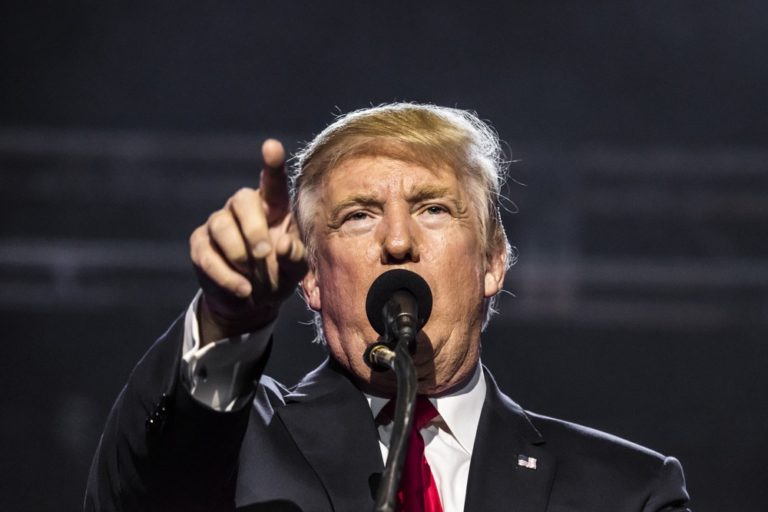
On Saturday morning, President Donald Trump spoke at the U.S. Military Academy at West Point. He delivered a powerful commencement speech to the graduating class of 2025. In his address, Trump shared his vision for America’s future and praised the graduates for their role in shaping it.

The Idea of a “Golden Age”

During his speech, Trump declared that America is entering a “Golden Age.” He stated, “This is the Golden Age. I tell you, promise, we’re in a new age.” He made it clear that this generation of graduates will play a key part in this era of prosperity and strength.

Trump also promised that the class of 2025 will “lead the Army to summits of greatness.” He urged the graduates to embrace their role as leaders and to strive for excellence in everything they do. His message was one of hope and optimism for the future of the nation.

A Vision for the Future

The president’s speech focused on the importance of leadership and patriotism. He reminded the graduates that they are not just soldiers but also representatives of the United States. Trump emphasized that their actions will reflect the values of the country and inspire others to follow their example.

He also highlighted the challenges they will face, both at home and abroad. However, he expressed confidence in their ability to overcome these obstacles and achieve great things. Trump’s speech was a call to action, urging the graduates to be bold and courageous in their endeavors.

The Significance of the Ceremony

The commencement ceremony at West Point is always a meaningful event. It marks the transition of cadets from students to military officers. This year’s ceremony was particularly notable because of Trump’s speech and the message he conveyed.

The graduates listened intently as Trump outlined his vision for America’s future. His words resonated with many in attendance, as he emphasized the importance of unity, strength, and determination. The speech served as a reminder of the critical role the military plays in protecting and serving the nation.

A Message of Pride and Purpose

Trump’s address was not just a speech; it was a message of pride and purpose. He reminded the graduates that they are part of something much larger than themselves. Their commitment to service and leadership will have a lasting impact on the country.

The president’s reference to the “Golden Age” suggests a belief that America is on the verge of a new era of success and prosperity. He encouraged the graduates to be at the forefront of this movement, leading with integrity and honor.

The Road Ahead

As the graduates of West Point’s class of 2025 begin their journey, they carry with them the weight of responsibility. They have been trained to lead, to make tough decisions, and to serve with pride. Trump’s speech reminded them that they are not just officers but also ambassadors of the United States.

The challenges they will face are numerous, but so are the opportunities. The president’s message of hope and optimism serves as a reminder that the future is bright. The class of 2025 has the potential to achieve great things, and Trump’s speech was a call to embrace that potential.

Conclusion

President Trump’s commencement speech at West Point was a powerful reminder of the importance of leadership, patriotism, and determination. He encouraged the graduates to embrace their role in shaping America’s future and to strive for greatness. As the class of 2025 begins their journey, they carry with them the hope and ambition of a nation. The idea of a “Golden Age” is not just a vision—it’s a challenge to make it a reality.

Why Did Murders Increase During COVID-19?

Crime Rates: A Stunning Drop and a Worrying Rise

Key Takeaways:

  • Violent crime in the U.S. dropped sharply in the 1990s and stayed low until the mid-2010s.
  • During the pandemic, crime rates, especially murders, spiked alarmingly.
  • The rise in crime is a major concern after years of decline.
  • Experts are still studying why crime increased so fast during COVID-19.
  • The future of crime trends remains uncertain.

Understanding the Stunning Drop in Crime

In the 1990s, something remarkable happened in the U.S.—violent crime began to fall, and it kept falling for decades. This drop was one of the most positive, yet overlooked, stories in recent history. By the mid-2010s, crime rates were much lower than they had been in previous decades. People felt safer, and cities began to flourish. This long-term decline was a testament to improved policing, societal changes, and economic growth.

The Sudden Spike During the Pandemic

But then came the pandemic. In 2020, the first full year of COVID-19, crime rates took a shocking turn. The FBI reported a dramatic increase in violent crimes, particularly murders. In 2019, there were 16,669 murders nationwide. By 2020, that number jumped to 22,134—a staggering 34% rise. This was the largest single-year increase in recorded crime history. The spike was so sharp that it wiped out much of the progress made over the past 30 years.

Why Did Crime Surge During the Pandemic?

The exact reasons for this sudden increase are still unclear, but experts have some ideas. The pandemic disrupted lives in many ways.Jobs were lost, schools closed, and communities were strained. Stress, anxiety, and a sense of uncertainty may have contributed to the rise in violence. Additionally, police departments faced challenges, including officer shortages and changing public attitudes toward law enforcement. All these factors created a perfect storm that likely fueled the spike in crime.

What’s Next for Crime Rates?

As the world slowly returns to normal, many are asking if crime rates will bounce back to pre-pandemic levels. The answer is unclear. Some cities have seen crime numbers start to decline again, while others continue to struggle. Experts warn that crime trends are influenced by many factors, including economic recovery, mental health support, and community programs. The coming years will be crucial in determining whether the pandemic-era crime surge was a temporary blip or the start of a new trend.

The Importance of Understanding Crime Trends

Crime rates are more than just numbers—they reflect the health and well-being of society. A decline in crime means safer neighborhoods, stronger families, and greater opportunities. On the other hand, a rise in crime can erode trust in institutions and make communities feel unsafe. Understanding these trends helps policymakers, law enforcement, and everyday citizens work together to build a safer future.

A Call to Action

The recent spike in crime is a wake-up call. It reminds us that progress is fragile and that challenges like a pandemic can undo years of improvement. Moving forward, it’s crucial to focus on addressing the root causes of crime, such as poverty, lack of education, and mental health issues. By investing in communities and supporting those in need, we can work toward a safer, more just society.

Conclusion

The drop in violent crime in the 1990s and 2000s was a remarkable achievement. However, the sharp rise during the pandemic is a concerning reminder of how quickly progress can unravel. As we move forward, it’s important to learn from the past, address the challenges of the present, and work together to create a safer future for all.

Catholic Bishops Challenge Trump Administration Over Immigration Policy Shift

Key Takeaways

  • The U.S. Conference of Catholic Bishops (USCCB) criticized the Trump administration for changing a policy about pregnant women at the border.
  • The U.S. Customs and Border Protection (CBP) removed guidelines that protected pregnant women in custody.
  • The bishops argue the change endangers vulnerable women and unborn children.
  • The conflict reflects broader tensions between the Catholic Church and the Trump administration over immigration policies.

Catholic Leaders Speak Out Against Policy Change

The U.S. Conference of Catholic Bishops (USCCB) has joined the growing list of organizations opposing the Trump administration’s recent decision to remove protections for pregnant women at the U.S.-Mexico border. This move has sparked outrage among faith leaders and advocacy groups who believe it puts vulnerable lives at risk.


What Happened?

Last week, the U.S. Customs and Border Protection (CBP) announced it would no longer follow a policy that provided specific care for pregnant women in custody. This policy included guidelines for medical attention, food, and shelter tailored to their needs.

The CBP argued that the policy was outdated and not needed anymore. However, critics, including the USCCB, disagree. They say the change leaves pregnant women and their unborn babies in danger.


The Bishops’ Response

The USCCB, which represents Catholic leaders across the U.S., called the decision “deeply troubling.” In a statement, they said the move fails to respect the dignity of human life, a core teaching of the Catholic Church.

“This decision undermines the moral obligation to protect the lives and well-being of all individuals, especially the most vulnerable,” the bishops said.


Why Does This Matter?

Pregnant women crossing the border often face dangerous conditions. Without proper care, they are at higher risk of health complications. The old policy ensured that CBP agents provided necessary support, such as access to medical care and safe living conditions.

By removing these protections, critics fear that women may suffer preventable harm. The bishops argue that this change violates basic human rights and moral principles.


A Bigger Picture

This conflict is not new. The Catholic Church and the Trump administration have clashed before over immigration policies. The bishops have repeatedly called for compassionate treatment of migrants, while the administration has focused on stricter border controls.

At the heart of this debate is the question of how to balance national security with human dignity. The bishops believe that protecting the vulnerable is not just a legal or political issue but a moral one.


What Comes Next?

The USCCB is urging the administration to reverse its decision. They are also calling on Catholics and other faith communities to advocate for policies that respect human life and dignity.

Meanwhile, advocacy groups are exploring legal and legislative options to challenge the policy change. This issue is unlikely to fade away soon, as it touches on deeply held beliefs about justice and compassion.


The Broader Implications

This conflict highlights a larger challenge in U.S. immigration policy: how to treat migrants humanely while enforcing legal boundaries. The bishops’ stance reflects their commitment to social justice, a key part of Catholic teaching.

At the same time, the Trump administration’s approach has been focused on enforcing strict immigration laws, which supporters argue are necessary for national security.

As the debate continues, the treatment of pregnant women at the border remains a symbol of the broader struggle over immigrant rights and dignity.


A Call to Action

For the bishops and their supporters, this is not just a policy disagreement but a matter of conscience. They believe that standing up for the rights of pregnant women and unborn children is a moral duty.

As the situation unfolds, the USCCB and other advocates will likely keep pushing for change. Their message is clear: protecting the vulnerable is not optional—it is a moral obligation.


This dispute is a reminder that immigration policy is not just about laws and borders—it is about people and their lives. The debate over how to treat pregnant women at the border is a small part of a much larger conversation about what it means to be a compassionate society.

Palm Springs Fertility Clinic Attack Spotlights Dark Ideology: Understanding Antinatalism and Its Dangers

Key Takeaways:

  • A car bomb attack on a fertility clinic in Palm Springs has been linked to an antinatalist ideology.
  • Antinatalism advocates for no more children due to life’s suffering, contrasting with the child-free movement.
  • The ideology poses serious societal risks if normalized.
  • Media responsibility is crucial in reporting such events and ideologies accurately.

Tragedy in Palm Springs: A Car Bombing with a Troubling Motive

A recent car bombing at a Palm Springs fertility clinic shocked the nation, revealing a disturbing motive tied to antinatalism. Guy Edward Bartkus, 25, was identified as the suspect, whose online posts revealed a deep-seated belief that life is inherently suffering, justifying extreme actions.

This incident has sparked discussions on antinatalism, a philosophy advocating against having children. Unlike the child-free movement, which opposes guilt-tripping people for not having kids, antinatalists believe it’s unethical to bring children into a world filled with pain and injustice.


What is Antinatalism?

Antinatalists argue that life’s inevitable suffering makes it immoral to procreate, as future generations cannot consent to existence. This belief, while not new, has gained attention through the Palm Springs attack and a 2023 Today.com article featuring interviews with antinatalists.

Those interviewed expressed a disconnect between their personal lives and beliefs. Many had families they loved but still deemed it wrong to exist. Their views on suffering were narrow, failing to recognize that people adapt and grow from hardship.


The Flaws in Antinatalist Thinking

Critics argue that antinatalism oversimplifies suffering:

  • Subjective Suffering: Suffering is personal. What’s dire for one person might be a challenge to another.
  • Adaptation and Growth: People recover from hardships, emerging stronger and wiser.
  • Benefits of Struggles: Challenges foster resilience, empathy, and problem-solving.

Antinatalism also reflects underlying pathologies. Bartkus’ actions, driven by self-destruction, extended to causing harm, illustrating a narcissistic worldview where personal pain justifies others’ suffering.


Antinatalism’s Dangerous Consequences

Antinatalism’s implications are far-reaching:

  • Depopulation advocate: Encouraging no children endangers humanity’s future.
  • Nihilism: Seeing life without inherent value leads to hopelessness.
  • Rigid Morality: Imposing subjective suffering views on others is unfair.

Addressing antinatalism involves critical dialogue, recognizing its flaws, and promoting balanced perspectives. It’s crucial to challenge harmful ideologies to preserve a future that values life and resilience.


Media’s Role in Shaping Perceptions

The attack also highlights media bias, as seen in underreporting Joe Biden’s health. This selective coverage undermines trust and democracy. Ensuring honest journalism is vital, as misinformation has real-world impacts.


Conclusion: The Need for Vigilance

The Palm Springs tragedy underscores the dangers of extreme ideologies like antinatalism. It calls for a society that values children and addresses suffering with compassion, not despair. Critical engagement with such beliefs is essential to fostering a resilient, hopeful future.

Joe Biden’s Cancer Shock: Cover-ups, Scandals, and COVID Questions

Key Takeaways:

  • Joe Biden’s Stage 4 prostate cancer diagnosis raises questions about when he knew and why it was undisclosed.
  • Speculation surrounds whether the diagnosis was hidden during his presidency or 2020 campaign.
  • The announcement’s timing coincides with ongoing scandals, prompting questions of distraction.
  • Suggestions that COVID vaccines might have accelerated the cancer’s progression.
  • Criticism of Biden’s policies and calls for accountability.

The Big Question: What Do We Know About Biden’s Diagnosis?

In a shocking turn of events, President Joe Biden’s diagnosis with aggressive Stage 4 prostate cancer has sparked intense debate. The announcement has left many wondering about the timeline of his knowledge and the reasons behind the delay in disclosure.


Did Biden Know Earlier?

The slow progression of prostate cancer typically allows for early detection. Medical experts suggest that Biden’s diagnosis may have been known for some time, possibly during his presidency or even his 2020 campaign. This raises questions about transparency and whether voters were misled.


Why Announce Now?

The timing of the announcement has fueled speculation. Is it a distraction from current scandals, such as the autopen controversy or Kamala Harris’s endorsement issues? Or is it to garner sympathy amid Biden’s apparent cognitive decline during a recent interview with a special prosecutor?


The COVID Vaccine Connection

Biden’s severe reaction to the COVID vaccine in late 2020 has led some to speculate about its impact on his health. Could the vaccine have accelerated his cancer’s progression to an aggressive stage? This theory suggests a link between the vaccine and a rapid deterioration in health, though it remains speculative.


Implications of the Diagnosis

The revelation has significant implications, especially regarding Biden’s fitness for office. Critics question whether his health issues were managed transparently and whether decisions were made in his best interest or for political gain.


Calls for Accountability

Critics argue that concealing Biden’s health issues could be seen as deception. Additionally, controversies over policies and mandates have fueled calls for investigation into his administration’s actions.


Conclusion

The announcement of Biden’s cancer diagnosis raises more questions than answers. As the nation seeks clarity, the situation underscores the need for transparency in leadership and the importance of accountability in public office.

Elias Rodriguez, left a manifesto detailing his anti-Semitic and anti-Israel views

Key Takeaways:

  • A committed Marxist killed two Israeli embassy staffers in Washington, D.C., on Wednesday night.
  • The attack was politically motivated, targeting supporters of Israel.
  • The suspect, Elias Rodriguez, left a manifesto detailing his anti-Semitic and anti-Israel views.
  • This attack is part of a growing trend of politically motivated violence in the U.S., particularly from the far left.
  • Experts warn that hate speech and calls for violence are becoming increasingly common and dangerous.

Hate Speech Turns Deadly: When Words Lead to Violence

A Tragic Reminder of the Power of Words On Wednesday night, two young Israeli embassy staffers, Yaron Lischinsky and Sarah Milgrim, were brutally murdered in Washington, D.C. The suspect, Elias Rodriguez, a self-described Marxist, left behind a manifesto outlining his hatred for Israel and its supporters. This attack is a heartbreaking reminder of how dangerous words can be when they inspire violence.

Why Did This Happen? For years, anti-Semitic rhetoric has been on the rise in the U.S. and around the world. Chants like “from the river to the sea, Palestine will be free” and “globalize the intifada” have become common at protests. These phrases are not just slogans—they are calls to action that can lead to violence.

When pro-Palestinian protesters chant these phrases, they are advocating for the elimination of Israel and its people. It’s not just empty rhetoric. These words have real-world consequences. In recent months, we’ve seen Jewish Americans like Paul Kessler and Israeli citizens like Tzeela Gez murdered because of this ideology. Now, two more innocent lives have been lost.

The Murder of Yaron and Sarah Yaron and Sarah were leaving an event at the Capital Jewish Museum when they were targeted. Both were set to be married in Jerusalem next week. Tragically, their lives were cut short by someone who saw them as enemies because of their connection to Israel.

Rodriguez’s manifesto made it clear that his actions were politically motivated. He wanted to sends a message by killing people he saw as representatives of Israel. This was not a random act of violence—it was an act of terrorism.

The Bigger Picture: When Does Speech Become Dangerous? In recent years, there’s been a debate about whether words can be a form of violence. While some argue that speech should always be protected, others point out that certain words can incite real harm.

The concept of “microaggressions” and “safe spaces” became popular on college campuses, with many arguing that certain words could be harmful. Now, we’re seeing how dangerous it can be when people take those ideas to the extreme.

When protesters chant about “globalizing the intifada” or call for the destruction of Israel, they are not just expressing an opinion. They are calling for violence. And when that violence happens, we cannot act surprised.

The Rise of Politically Motivated Violence This attack is part of a larger trend of politically motivated violence in the U.S. While violence can come from any extreme ideology, the reality is that most of these attacks in recent years have come from the far left.

From the 2012 shooting at the Family Research Council to the 2017 attack on Republican lawmakers, we’ve seen time and time again how deadly political extremism can be. More recently, anti-Israel violence has become a growing concern, with Jewish Americans and supporters of Israel increasingly targeted.

The Myth of “Both Sides” Being Equal Some people argue that violence is a problem on both the left and the right. But the facts tell a different story. It’s rare to hear about pro-Israel activists attacking pro-Palestinian protesters or conservatives targeting liberals. The vast majority of politically motivated violence comes from the far left.

This isn’t about assigning blame to an entire group of people. It’s about recognizing the reality of the situation and taking steps to stop it.

A Call to Action The murder of Yaron and Sarah is a wake-up call for all of us. We need to take hate speech seriously and stop treating it as just “free speech.” When someone calls for the destruction of a country or the murder of its people, that’s not just an opinion—it’s a threat.

We also need to address the growing radicalization within certain movements. While peaceful protests are a fundamental right, they cross a line when they become calls for violence. We must hold people accountable for their words and actions.

Conclusion: Stop the Violence Before It’s Too Late The murder of Yaron and Sarah is a tragedy that could have been prevented. It’s time for us to take a stand against hate speech and the violence it inspires. We must create a society where everyone feels safe, regardless of their beliefs or background.

The question now is: What will we do next? Will we continue to ignore the danger of hate speech, or will we take action to stop it? The answer could mean the difference between life and death.

Chained and Forgotten: The Fight Against Animal Cruelty in Gary, Indiana

Key Takeaways:

  • Dogs in Gary, Indiana, are often left chained outside 24/7, a practice now illegal but poorly enforced.
  • The city’s failure to address this issue has led residents to leave, citing animal cruelty as a significant factor.
  • A council meeting highlighted racial tensions when a chairman dismissed concerns, claiming only white people care about animal abuse.
  • Addressing animal cruelty could improve the city’s image and retain residents.
  • National organizations and PACs are working to combat animal cruelty and support officials who prioritize animal welfare.

Chained and Forgotten: The Fight Against Animal Cruelty in Gary, Indiana

The Cruel Reality in Gary, Indiana Imagine a life spent chained, exposed to the harshest elements, with no escape from loneliness. This is the reality for many dogs in Gary, Indiana. Despite a 2019 law against 24/7 tethering, enforcement is lacking, leaving dogs to suffer.

A Passionate Advocate Speaks Out Sabrina Haake, a long-time resident and advocate, fought tirelessly to outlaw tethering. In 2022, she urged the council to enforce the law better, highlighting how neglecting animal welfare drives residents away. Her plea was met with resistance, particularly from Councilman Clorius Lay, who dismissed her concerns with a racial stereotype.

Racial Tensions Emerge Chairman Lay’s comment that only white people care about animal abuse was not only untrue but also hurtful. Many Black advocates in Gary are actively fighting cruelty, showing that compassion knows no color. The issue is not about race but about justice and empathy.

The Impact on Gary’s Community Gary’s population has drastically declined, from 180,000 to 67,000. Mayor Eddie Melton aims to attract investment and reduce crime, but ignoring animal cruelty undermines these efforts. Residents, including former city attorney Linda Burton, have left due to the city’s indifference to animal suffering.

A Glimmer of Hope While challenges remain, organizations like the ASPCA and PETA, along with the Animal Protection PAC, are making a difference. By supporting elected officials who champion animal welfare, these groups aim to bring about change and hold leaders accountable.

Conclusion: A Call to Action Animal cruelty is a community issue, affecting us all. By addressing it, cities like Gary can become more compassionate and attractive places to live. Support anti-cruelty efforts today and advocate for a kinder world for all beings.

Trump vs. Harvard: Foreign Student Funds Spark Debate

Key Takeaways:

  • Trump accused Harvard of hiding information about foreign students.
  • He questioned why foreign countries don’t pay for their students’ education.
  • He claimed Harvard receives billions from the U.S. government.
  • The president demanded names and countries of foreign students.

Trump Takes Aim at Harvard and Foreign Students

In the early hours of Sunday morning, former President Donald Trump sparked a heated debate about foreign students at Harvard University. Trump took to his social media platform, Truth Social, to criticize Harvard and demand personal details about its foreign students. This comes after a federal judge paused Trump’s administration decision to cancel Harvard’s student visa program.


What Did Trump Say?

Trump’s comments were sharp. He claimed that about 31% of Harvard’s students are from other countries. He questioned why these countries, some of which he said are not friendly to the U.S., don’t pay anything for their students’ education. “Nobody told us that!” he exclaimed.

He then demanded to know who these foreign students are and which countries they come from. “We want those names and countries,” Trump wrote. He also criticized Harvard for asking for federal money despite having a huge endowment of $52 billion. “Use it, and stop asking for the Federal Government to continue GRANTING money to you!” he said.


What’s the Big Deal?

Harvard had legally challenged Trump’s visa program decision, calling it a clear violation of the First Amendment, the Due Process Clause, and the Administrative Procedure Act. Trump fired back, defending his actions and questioning Harvard’s transparency.


Reactions to Trump’s Claims

Trump’s demand for personal information about foreign students has raised eyebrows. Some people worry this could lead to privacy issues or unfair treatment of international students. Others see it as Trump’s way of stirring up controversy and attention.

Meanwhile, Harvard has not publicly responded to Trump’s latest comments. The university is likely focused on the ongoing legal battle over the visa program.


What’s Next?

This isn’t the first time Trump has clashed with Harvard. The situation is tense, with no clear resolution in sight. As the legal battle continues, one thing is certain: Trump’s comments have put Harvard and its foreign students in the spotlight.


Why Does This Matter?

Trump’s demands and accusations have reopened the debate about funding for universities and the role of foreign students in the U.S. education system. This could have long-term implications for international students and schools like Harvard that rely on diverse student bodies.


A Closer Look at the Numbers

Trump’s claim about 31% of Harvard’s students being foreign-born might not tell the full story. International students often bring unique perspectives and talents to campuses. They also contribute to the U.S. economy through tuition fees, living expenses, and future investments.


How Does This Affect Students?

Foreign students at Harvard and other U.S. universities may feel uneasy about Trump’s demands. Many are here to learn and grow, not to be caught up in political battles. The situation could also discourage future international students from applying to U.S. schools.


The Broader Picture

Trump’s focus on Harvard and foreign students is part of a larger pattern. He has repeatedly criticized universities for what he calls unfair practices andButtonItem financial dependencies on the government. This latest move is just one more example of his ongoing feud with elite institutions.


What Do You Think?

Donald Trump’s comments about Harvard and foreign students have sparked a lot of debate. Some people support his call for transparency, while others see it as an attack on privacy and diversity. Where do you stand on this issue? Let us know in the comments!


Final Thoughts

For now, the clash between Trump and Harvard continues to make headlines. Whether his demands will lead to real changes remains to be seen. One thing is clear: this isn’t the last we’ve heard of this story. Stay tuned for more updates as it unfolds.

Mike Johnson’s Plan to Cut Medicaid: What You Need to Know

Key Takeaways:

  • Mike Johnson claims Medicaid cuts are aimed at reducing fraud and abuse.
  • He targets able-bodied workers who are not employed.
  • Johnson says vulnerable groups like the elderly and disabled are protected.
  • Critics argue his plan could harm millions of Americans.

Mike Johnson’s Plan to Cut Medicaid: What You Need to Know

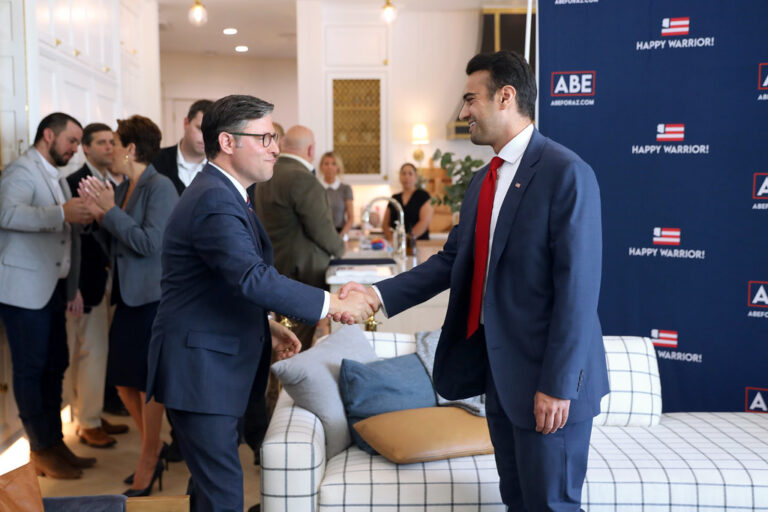
Rep. Mike Johnson has a plan to reduce Medicaid. He says it’s about stopping fraud and abuse, but critics think it could hurt millions.

What Did Johnson Say?

Johnson talked about Medicaid on CNN’s State of the Union. He said, “We are not cutting Medicaid in this package. The numbers of Americans affected are those involved in our work to eliminate fraud, waste, and abuse.”

He mentioned that 1.4 million non-U.S. citizens are on Medicaid. “Medicaid is not intended for non-U.S. citizens. It’s for the most vulnerable Americans, like pregnant women, young single mothers, the disabled, and the elderly,” he said.

Johnson also talked about 4.8 million able-bodied workers on Medicaid who aren’t working. “They’re choosing not to work when they can. That’s called fraud. When you root out those kinds of abuses, you save resources for those who need it most.”

What’s the Controversy?

Johnson’s plan is controversial. He says it’s about fairness and making sure Medicaid helps those who need it most. But critics say it could take healthcare away from millions, including those who are struggling.

Who Might Be Affected?

Johnson’s plan targets people who are able-bodied and not working. He says they should be working instead of relying on Medicaid. But critics argue that many of these people might be facing challenges like lack of jobs, childcare issues, or health problems.

They also point out that Medicaid is a lifeline for many vulnerable groups. Cutting it could leave them without essential healthcare.

What’s Next?

Johnson’s plan is part of a larger debate about healthcare and government spending. Supporters say it’s a way to save money and protect the program for those who need it most. Critics argue it could harm millions of Americans who rely on Medicaid.

The debate over Medicaid cuts is just starting. Stay tuned for more updates as this story unfolds.

GOP Tax Cuts Backfire, Boosting Democrats’ Senate Chances in 2026

0

Key Takeaways:

  • Senators Schumer and Klobuchar argue that GOP tax cuts favoring the wealthy could aid Democrats in the 2026 Senate elections.
  • The tax plan may harm low-income families and increase living costs, affecting energy bills and healthcare.
  • Public opinion polls show limited support for the cuts, with most preferring taxes on the wealthy to fund public services.
  • Senate Republicans are reconsidering parts of the bill due to voter backlash and potential election repercussions.

Introduction: In a recent call, Senators Chuck Schumer (D-NY) and Amy Klobuchar (D-MN) discussed how the House GOP’s tax cuts might unexpectedly benefit Democrats. They believe these cuts, which critics argue favor the rich, could shift voter sentiment, improving Democratic chances in the 2026 Senate elections.

The Unfair Nature of Tax Cuts: The tax plan has been criticized for benefiting the top 0.1% while increasing taxes for the poorest 20% of Americans. Schumer highlights the unfairness, stating it’s not just about taxes but about hurting working-class families. Everyday costs, including energy and healthcare, could rise, imposing a heavier financial burden.

Impact on Everyday Families: Klobuchar emphasizes the plan’s negative effects on families, potentially leading to higher energy bills and reduced access to healthcare and food benefits. She also notes that clean energy rollbacks could cost millions of jobs, further straining households already dealing with rising expenses.

Public Disapproval: Recent polls reveal that only 14% of Americans support cutting healthcare, food, and education to extend tax cuts. Conversely, 60% prefer taxing the wealthy to maintain services and reduce debt. These figures suggest strong public opposition to the GOP plan, aligning with Democratic values and potentially influencing voter decisions in 2026.

Senate Republicans’ Unease: Some Senate Republicans are expressing concerns over certain aspects of the bill, such as Medicaid cuts and agricultural provisions. This hesitancy indicates possible modifications, which could alter the bill’s future in the House and affect its viability.

What’s Next? If Senate Republicans modify the bill, its passage through the House remains uncertain. Schumer and Klobuchar are urging constituents to pressure their senators, potentially leading to a revised proposal but also highlighting the challenging road ahead for the legislation.

Conclusion: While the path to a Democratic Senate majority in 2026 remains tough, the GOP’s tax cuts may have inadvertently improved Democrats’ chances. The plan’s unpopularity and the potential for a revised bill could further shift political dynamics, making the 2026 elections a pivotal moment in shaping the nation’s direction.