56.9 F
San Francisco
Thursday, May 7, 2026
Home Blog Page 827

Rep. LaMonica McIver Charged with Assaulting Law Enforcement at ICE Facility

0

Key Takeaways:

  • Rep. LaMonica McIver (D-N.J.) faces charges for assaulting law enforcement at an ICE detention center.
  • This marks the first time a sitting lawmaker has been charged during President Trump’s second term.
  • The incident occurred at the Delaney Hall ICE detention center in Newark earlier this month.

New Jersey Rep. Charged in ICE Detention Center Incident

In a surprising move, Rep. LaMonica McIver of New Jersey has been charged with assaulting law enforcement. This happened during an incident at an ICE detention center in Newark earlier this month. The charges were announced by Alina Habba, the interim U.S. attorney for the District of New Jersey.

This is the first time a sitting member of Congress has been charged during President Trump’s second term. The case has drawn attention due to its rarity and the circumstances surrounding it.

What Happened at the ICE Facility?

Rep. McIver reportedly tried to enter the Delaney Hall ICE detention center along with two other individuals. The goal was to gain access to the facility, but things took a turn when law enforcement got involved. According to officials, McIver’s actions led to the charges of assaulting law enforcement.

Details about the incident are still limited, but it’s clear that the situation escalated. The charges highlight the tension between lawmakers and law enforcement, especially in sensitive locations like detention centers.


Charging a sitting member of Congress is rare. Lawmakers generally have immunity for actions related to their official duties. However, this immunity doesn’t apply to criminal acts. The Justice Department’s decision to charge Rep. McIver shows they believe her actions crossed a legal line.

This case could set a precedent for how lawmakers are held accountable in similar situations. It also raises questions about the limits of congressional immunity and the role of law enforcement in such incidents.


Political Fallout and Public Reaction

The charges against Rep. McIver have sparked mixed reactions. Supporters argue that she was standing up for her constituents, while critics say her actions were inappropriate. The incident has become a talking point in political discussions, with some calling for accountability and others questioning the charges.

The case is still in its early stages, and it’s unclear how it will unfold. Rep. McIver’s office has not yet commented on the charges, but the situation is likely to draw more attention as it develops.


The Bigger Picture

The ICE detention center in Newark has been a point of contention for some time. Activists and lawmakers like Rep. McIver have raised concerns about conditions and policies at such facilities. This incident may bring more attention to these issues, potentially leading to calls for reform.

At the same time, the charges against Rep. McIver remind us of the importance of the rule of law. Even public officials must follow the law, and there are consequences when they don’t.


What’s Next?

As the case moves forward, several questions remain unanswered. What exactly happened at the detention center? How will Rep. McIver respond to the charges? And what impact will this have on her political career and the broader debate over immigration and detention policies?

For now, the charges against Rep. McIver serve as a reminder of the complexities of political activism and the legal system. Stay tuned for updates as this story continues to unfold.
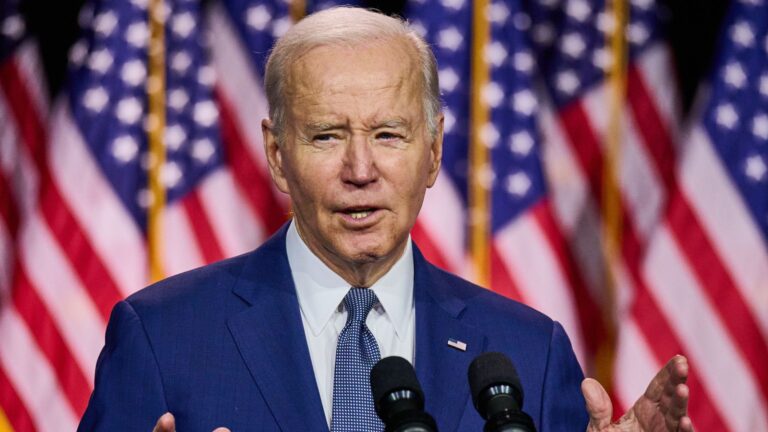
Radical GOP Figures Gain Power in Trump’s Second Term

0

Key Takeaways:

  • Four radical GOP figures with controversial pasts have been appointed to influential roles in Trump’s second term.
  • These individuals have made inflammatory comments about Democrats, minorities, and even former presidents.
  • Critics worry these appointments show a lack of accountability and oversight in the administration.

The Trump administration has faced criticism for elevating controversial figures to powerful positions. These individuals, some of whom were sidelined in Trump’s first term, are now back in key roles with less oversight. Their histories include inflammatory rhetoric, conspiracy theories, and attacks on political opponents.

Who Are These Radical Figures?

1. John Gibbs: Spreading Conspiracy Theories

John Gibbs, a top official at the Department of Housing and Urban Development, has a history of spreading conspiracy theories. He once claimed Hillary Clinton’s campaign chairman participated in a satanic ritual. Gibbs also made anti-feminist comments online. Despite these controversial views, his current role doesn’t require Senate confirmation, meaning he didn’t face the same level of scrutiny as other officials.

2. Darren Beattie: Racist and Misogynistic Remarks

Darren Beattie, now the acting under secretary for public diplomacy at the State Department, has a troubling past. In 2018, he was fired from his role as a White House speechwriter after attending a conference with White nationalists. Beattie has also made racist and misogynistic comments on social media, including attacks on Black lawmakers and the Black Lives Matter movement. Critics question how someone with such a history is now shaping U.S. messaging abroad.

3. Anthony Tata: Conspiracy Theories and Inflammatory Rhetoric

Retired Army Brigadier General Anthony Tata has been a controversial figure for years. In 2020, his nomination for a high-ranking Pentagon position was withdrawn after his history of conspiratorial and inflammatory rhetoric came to light. Tata has called former President Obama a “terrorist leader” and attacked Democratic politicians as “violent extremists.” Despite this, he is now being considered for another Pentagon role, this time requiring Senate confirmation.

4. Leandro Rizzuto Jr.: Conspiracy Theorist and Insulting Comments

Leandro Rizzuto Jr., a conspiracy theorist and fringe GOP figure, was nominated to represent U.S. interests in the Western Hemisphere. He famously called Hillary Clinton “a terrorist with amnesia” and told Senator Ted Cruz to “go back to Canada.” Despite these comments, Rizzuto Jr. is being given another chance to serve in a high-profile role.

Why Are These Appointments Problematic?

Lack of Oversight and Accountability

These appointments raise serious concerns about the lack of oversight in the Trump administration. Many of these individuals were deemed too extreme even during Trump’s first term, but they are now being welcomed back with less scrutiny. Their roles often don’t require Senate confirmation, meaning there’s no formal process to evaluate their suitability for these positions.

Impact on U.S. Policy and Image

Critics argue that these appointments damage the credibility of the U.S. government. Figures like Darren Beattie, who is tasked with shaping U.S. messaging abroad, have made comments that contradict the values of equality and inclusivity that America claims to represent. Similarly, Anthony Tata’s conspiracy theories and inflammatory rhetoric could harm the Pentagon’s reputation and relationships with allies.

A Shift in the GOP’s Direction

These appointments signal a shift in the GOP’s direction, embracing more radical and divisive figures. This trend has sparked fears about the future of American politics and the potential normalization of hateful and conspiratorial rhetoric.

What’s Next?

As the Trump administration continues to appoint controversial figures to influential roles, the nation is left wondering about the implications of these decisions. Will these individuals use their power responsibly, or will their extremist views shape U.S. policy and international relations? Only time will tell, but one thing is clear: these appointments represent a troubling trend in American politics.


Stay informed about the latest developments in politics and beyond. Follow Digital Chew for up-to-date news and analysis.

Biden’s Cancer Debate: Should It Have Been Caught Sooner?

Key Takeaways:

  • Former President Joe Biden’s cancer diagnosis sparks debate over screening timing.
  • Left-leaning sources say skipping screenings for men over 70 is normal.
  • Right-leaning sources argue screenings should continue beyond 70.
  • Health guidelines vary, leading to confusion.
  • Personalized care is key, not one-size-fits-all.

Understanding the Debate

Recent news about Joe Biden’s cancer diagnosis has ignited a heated debate. The question on everyone’s mind: Could doctors have caught his cancer earlier? The answer depends on who you ask.

Left vs. Right Views

Left-leaning news outlets point out that it’s normal for men over 70 to skip prostate cancer screenings. They mention guidelines suggesting most men at average risk don’t need annual checks after 70.

On the flip side, right-leaning sources argue that skipping screenings isn’t wise. They cite doctors who believe regular check-ups, even after 70, are crucial for early detection.

What Do Guidelines Say?

The U.S. Preventative Services Task Force recommends men discuss prostate cancer screening with their doctors starting at 55. For men over 70, they advise against routine screenings for most. This doesn’t mean all screenings stop, but they’re less frequent.

However, other doctors suggest men with a family history or other risk factors should continue screenings longer. This shows there’s no one-size-fits-all approach.

Why the Confusion?

Different guidelines lead to confusion. What works for one person may not work for another. Many factors, like family history and overall health, play a role. This makes it hard to say if Biden’s cancer could have been caught sooner without knowing his full health history.

Role of Media Bias

Media outlets often highlight parts of the story that fit their views. Left-leaning sources might downplay the need for continued screenings, while right-leaning ones emphasize the importance. This selective reporting can mislead the public.

What Should You Do?

If you’re confused, talk to your doctor. They know your health best. Screening decisions should be personal, based on your health history, not just age.

Stay Informed, But Be Smart

The debate over Biden’s health highlights the importance of understanding medical guidelines. Remember, what applies to a public figure might not apply to you. Stay informed, but make decisions with your doctor, not based on headlines.

In conclusion, while it’s unclear if Biden’s cancer could have been caught sooner, the key takeaway is the importance of personalized care. Everyone’s health journey is unique, and so should be their approach to screenings.

Biden Under Fire: Damning Audio Sparks Debate on Fitness for Office

0

Key Takeaways:

  • Audio from Biden’s interview about classified documents released.
  • Media shifts stance, questioning Biden’s suitability for presidency.
  • Public reaction mixed, with growing concerns about leadership.
  • Political implications for Biden’s future and 2024 elections.

Biden’s Audio Revelation Sparks Controversy

A recent audio release from Joe Biden’s interview with Robert Hur has ignited intense debate. The conversation centered on Biden’s handling of classified documents, raising eyebrows over his presidential fitness.

What’s in the Audio?

The audio, part of an investigation into Biden’s management of sensitive documents, revealed lapses in protocol. Critics argue this points to broader issues with his leadership, prompting questions about his capacity to govern effectively.

Media’s Shift in Perspective

Previously protective of Biden, liberal media now openly discusses his suitability. Some even humorously suggest a nursing home might be more appropriate than the White House, reflecting growing doubts about his abilities.

Public Reaction Divided

Public opinion is split. While some defend Biden, others express frustration. Critics highlight the audio as evidence of decline, while supporters argue against rushing judgments.

Political Fallout and Future Implications

This controversy could impact Biden’s 2024 chances. If he seeks re-election, opponents may use this audio as fodder. Democrats might reconsider their candidate, possibly exploring alternatives.

What’s Next?

As investigations continue, more details may surface. The audio serves as a reminder of the scrutiny leaders face. For now, the focus remains on whether Biden can lead effectively or if it’s time for a change.

This situation underscores the challenges of governance and the importance of leadership fitness. As the story unfolds, it’s a reminder that leaders must demonstrate both mental and physical ability to serve.

Noem’s Habeas Corpus Flub Sparks Debate on Intent

0

Key Takeaways:

  • Homeland Security Secretary Kristi Noem misdefined habeas corpus during a hearing.
  • She faced criticism and fact-checking for her incorrect explanation.
  • MSNBC’s Katty Kay doubts Noem’s unawareness, suggesting she aimed to please Trump.
  • Joe Scarborough notes Americans’ strong understanding of their rights.

What Happened

In a recent hearing, Homeland Security Secretary Kristi Noem found herself in the spotlight for her response to a question about habeas corpus. When asked by Sen. Maggie Hassan to define the constitutional right, Noem described it as a power allowing the president to deport individuals. This definition was quickly fact-checked and criticized for being incorrect. Habeas corpus, a fundamental right, allows individuals to challenge their detention, ensuring they are not held unlawfully.

Noem’s response raised eyebrows, leading many to question her understanding of a basic legal concept, especially given her position. Her statement came after White House adviser Stephen Miller mentioned considering the suspension of this right, adding to the controversy.

The Reaction

Katty Kay from MSNBC expressed skepticism about Noem’s supposed misunderstanding. She suggested that Noem, being a high-ranking official, would have been well-prepared for such a question. Kay speculated that Noem might have intentionally redefined the term to align with Trump’s views, implying a performance rather than ignorance.

Joe Scarborough added that despite the administration’s surprises, Americans have shown a clear grasp of their rights, including habeas corpus. He highlighted public awareness and appreciation for due process, noting that people recognize the importance of these rights.

The Bigger Picture

This incident underscores the significance of understanding constitutional rights, especially for those in power. Habeas corpus is a cornerstone of liberty, preventing unlawful detention. Noem’s misstep not only sparked debate but also raised concerns about the administration’s approach to legal rights.

The discussion reflects broader political tensions, with critics wary of potential threats to constitutional freedoms. The public’s awareness, as Scarborough mentioned, indicates a vigilant citizenry, crucial in a democracy.

In conclusion, Noem’s misdefinition of habeas corpus has ignited a debate on intent and understanding, highlighting the importance of constitutional knowledge among leaders and the public’s role in upholding these rights.

US Sees Major Drop in Violent Crime: Q1 2025 Report

0

Key Takeaways:

  • 68 major U.S. cities saw a decrease in violent crime in the first quarter of 2025.
  • Homicides, rapes, and robberies dropped significantly.
  • Assaults and robberies had the biggest decreases.
  • This trend shows improvements in safety in many urban areas.

A recent report reveals that violent crime rates have dropped in 68 major U.S. cities during the first quarter of 2025. This decline includes reductions in homicides, rapes, and robberies, offering hope for safer urban environments.

Homicides Decline Across the Board

One of the most notable trends is the drop in homicides. While the report does not specify exact numbers, it highlights a significant decrease, a positive sign for community safety. This reduction suggests that efforts to curb violence are showing results.

Sharp Drop in Robberies

Robberies saw a 20% decrease, a substantial drop that indicates a safer public space. This decline affects both residents and visitors, contributing to a more secure urban environment.

Rape Cases Show Marked Decline

Rape cases decreased by 14%, reflecting broader societal changes and improved safety measures. This is a crucial step toward reducing violence and enhancing community well-being.

Aggravated Assaults Down by 11%

Aggravated assaults also saw a notable decrease. This drop suggests that conflicts are being managed more effectively, reducing severe violence and fostering safer neighborhoods.

Potential Reasons for the Decline

Several factors might contribute to this trend. Increased police presence, community programs, and focused strategies on crime hotspots could be influencing the numbers. However, correlation does not imply causation, and the exact reasons require further study.

Looking Ahead

While this report is encouraging, sustaining these reductions is crucial. Continued efforts in crime prevention and community engagement will be key to maintaining safety improvements.

Conclusion

The decline in violent crime across 68 major U.S. cities in Q1 2025 is a positive step toward safer communities. By understanding and building on these factors, cities can work toward enduring safety improvements, offering hope for a violence-reduced future.

COVID-19 Shots Simplified: What You Need to Know

0

Key Takeaways:

  • Annual COVID-19 shots for healthy younger adults and children will no longer be routinely approved.
  • Adults 65 and older and younger individuals with certain health conditions will still have access.
  • New policy aims to simplify COVID-19 vaccination guidance.
  • Changes reflect growing confidence in managing COVID-19.

Annual COVID-19 Shots: What the New Policy Means

The Trump administration has introduced a significant change in how COVID-19 shots will be approved, aiming to simplify vaccination guidance. If you’re a healthy younger adult or a parent of a healthy child, this new policy affects you directly.

Starting soon, annual COVID-19 shots will no longer be routinely approved for healthy younger adults and children. Instead, shots will continue to be offered to:

  • Adults aged 65 and older.
  • Younger adults and children with specific health conditions that make them more vulnerable to severe COVID-19.

This shift in policy reflects a growing confidence in managing the virus. It aligns with the evolving nature of the pandemic, where widespread vaccination and immunity have reduced the risk of severe illness for most people.


Who Is Affected by This Change?

The new policy will mostly impact healthy younger adults and children who are at low risk of severe COVID-19. If you’re in this group, you may no longer need to get a COVID-19 shot every year.

However, adults over 65 and those with weakened immune systems or chronic health conditions will still be encouraged to get annual shots. This is because these groups remain at higher risk of complications from COVID-19.

For parents, this means that healthy children may no longer need yearly COVID-19 shots. However, children with health challenges, such as diabetes or heart conditions, will still be protected through vaccination.


Why Is This Change Happening?

The Food and Drug Administration (FDA) officials explained that this decision is part of a streamlined approach to COVID-19 vaccination. The goal is to focus on those who need protection the most while reducing the burden of unnecessary shots for others.

Over time, the COVID-19 pandemic has changed. Widespread vaccination and natural immunity have lowered the risk of severe illness for many people. This new policy reflects that reality.

It also aims to make COVID-19 vaccination more like the flu shot. Just as not everyone needs a flu shot every year, not everyone will need a COVID-19 shot annually.


What Does This Mean for the Future of COVID-19 Shots?

This policy shift signals a possible end to the routine approval of annual COVID-19 shots for most people. Instead, shots may be recommended based on individual risk factors, such as age, health conditions, and the current state of the pandemic.

In the coming years, we might see COVID-19 shots becoming more targeted. For example, shots could be updated annually to protect against new variants, much like flu shots are updated each season. However, these updated shots may only be recommended for high-risk groups, not for everyone.


How Should You Prepare for This Change?

If you’re a healthy younger adult or a parent of a healthy child, you should talk to your doctor about whether you still need a COVID-19 shot. These conversations will become more personalized as the new policy takes effect.

The FDA will continue to monitor the pandemic and update its guidance as needed. Stay informed, and follow public health recommendations to protect yourself and your loved ones.


Public Reaction to the New Policy

As news of this policy spread, reactions were mixed. Some people welcomed the change, saying it reduces confusion and unnecessary vaccinations. Others expressed concerns, worrying that it could leave some groups vulnerable if the virus surges again.

Health experts emphasize that this change is based on the latest data and scientific evidence. It aims to balance protection for high-risk individuals while giving others more freedom from routine shots.


Conclusion: A New Era for COVID-19 Shots

The Trump administration’s decision to stop routinely approving annual COVID-19 shots for healthy younger adults and children marks a new chapter in pandemic management. By focusing on those who need protection most, this policy aims to simplify vaccination guidance and reduce unnecessary burden.

As we move forward, staying informed and following public health advice will remain crucial. Whether or not you need a COVID-19 shot in the future, one thing is clear: the pandemic response is evolving, and so are our strategies to stay safe.

UK Hits Pause on Trade Talks with Israel Amid Gaza Crisis

0

Key Takeaways:

  • UK suspends free trade talks with Israel over Gaza offensive.
  • Sanctions imposed on West Bank settlers amid growing international pressure.
  • Gaza faces severe shortages due to a nearly three-month blockade.
  • Even the US, Israel’s close ally, expresses concerns over the crisis.

What’s Happening in Gaza?

The British government has taken a strong stance against Israel’s military actions in Gaza. On Tuesday, it announced the suspension of free trade talks with Israel. This decision came as the international community grows increasingly concerned about the situation in Gaza.

For nearly three months, Gaza has faced severe restrictions on supplies, including food and medicine. This blockade has led to warnings of a potential famine. The United Nations and other organizations have sounded alarms about the dire conditions faced by civilians, especially children and the elderly.

Why is the UK Taking Action Now?

Foreign Secretary David Lammy described the situation in Gaza as deeply troubling. He emphasized the need for urgent action to prevent further suffering. The UK’s decision to suspend trade talks and impose sanctions on West Bank settlers is a clear sign of its disapproval of Israel’s actions.

The sanctions target individuals and businesses linked to settlements in the West Bank, which the UK considers illegal under international law. This move is part of a broader effort to pressure Israel to change its policies in the region.

International Pressure Mounts

The UK is not alone in its concerns. Even the United States, Israel’s strongest ally, has expressed worries about the growing humanitarian crisis in Gaza. While the US has historically supported Israel, the scale of the suffering has led to calls for a re-evaluation of its stance.

Other countries and international organizations are also urging Israel to lift the blockade and allow essential supplies into Gaza. The European Union has joined the chorus of voices calling for a ceasefire and a return to peace talks.

Why This Matters

The conflict in Gaza has far-reaching implications. It not only affects the people living in the region but also has the potential to destabilize the entire Middle East. The UK’s decision to suspend trade talks and impose sanctions is a significant step that could influence other countries to take similar actions.

The humanitarian crisis in Gaza is a pressing issue that demands immediate attention. Without urgent action, the situation could worsen, leading to more suffering andloss of life. The international community is hopeful that increased pressure on Israel will lead to a resolution and a path toward peace.

What’s Next?

The suspension of trade talks and the imposition of sanctions are just the first steps. The UK and other countries may consider further measures if the situation in Gaza does not improve. These could include wider economic sanctions or diplomatic isolation.

At the same time, efforts to broker a ceasefire and restart peace talks are ongoing. The international community is pushing for a two-state solution, which would allow both Israelis and Palestinians to live in peace and security.

The Human Cost of the Crisis

The blockade has had a devastating impact on civilians in Gaza. Families are struggling to access basic necessities, and hospitals are running out of medical supplies. Children are particularly vulnerable, with malnutrition rates rising sharply.

The psychological toll of living under constant threat of violence and scarcity cannot be overstated. Many people in Gaza live in fear of losing their homes, their livelihoods, and their loved ones.

The international community is urging all parties involved to prioritize the protection of civilians and to work toward a peaceful resolution.

Conclusion

The UK’s decision to suspend trade talks with Israel and impose sanctions on West Bank settlers reflects the growing international concern over the situation in Gaza. The humanitarian crisis caused by the blockade is a pressing issue that demands urgent action.

The world is watching as the conflict continues to unfold. The hope is that increased pressure on Israel will lead to a ceasefire, the lifting of the blockade, and a return to peace talks. Until then, the people of Gaza will continue to suffer, and the international community will remain vigilant in its calls for justice and compassion.

Trump’s Trillion-Dollar Claims: Fact or Fiction?

0

Key Takeaways:

  • President Trump claims over $10 trillion in U.S. investments since returning to office.
  • The origin of these figures is unclear and possibly exaggerated.
  • Accurate investment figures are crucial for public trust.

Introduction President Trump has been making big waves with claims of massive investments in the U.S. since his return. Initially, he cited $3 trillion, and now he’s talking over $10 trillion. But where do these numbers come from? Let’s explore the facts behind these figures.

The Announcement President Trump began touting a $3 trillion investment in the U.S. early in his term. These investments, he claimed, would boost the economy and create jobs. This announcement was met with both interest and skepticism, as such large sums are rare.

The Growing Numbers Four months later, Trump increased the claim to over $10 trillion. This jump is significant and raises questions about the sources of these funds. Are these new investments, or is the administration combining existing and future pledges?

Where Do These Numbers Come From? The origin of Trump’s numbers is unclear. They might be based on company and country pledges, but it’s uncertain how these are calculated or verified. Without clear sources, the accuracy of these figures is questionable.

Are These Claims Overblown? Many experts suggest the numbers might be exaggerated. Pledges don’t always materialize, and including them as investments can be misleading. This could lead to unrealistic expectations about economic growth.

Why It Matters Accurate information is vital in leadership. Overstating investments can mislead the public and affect trust in government. It’s important to verify such claims to ensure transparency and accountability.

Conclusion President Trump’s investment claims are impressive but lack clear sources. While such announcements can boost morale, it’s crucial to verify the accuracy of these figures to maintain public trust. The next steps should involve transparent reporting and third-party verification to ensure credibility.

Caught in the Middle: US Absence in WHO’s Historic Pandemic Deal

0

Key Takeaways:

  • WHO member countries approve a new agreement to strengthen global pandemic preparedness and response.
  • The U.S., a major donor to WHO, was not part of the final discussions.
  • The deal aims to prevent future health crises after the lessons of COVID-19.
  • The agreement focuses on equity, transparency, and better coordination between nations.

Historic Deal to Tackle Future Pandemics Wins Global Approval

In a landmark move, member countries of the World Health Organization (WHO) have come together to approve a groundbreaking agreement. This deal is designed to help the world better prevent, prepare for, and respond to future pandemics. The decision was met with cheers during the WHO’s annual assembly in Geneva, Switzerland, where representatives gathered from around the globe.

The agreement, which took over three years to negotiate, passed without any opposition. It marks a significant step toward creating a more united and resilient global health system. However, there was one notable absence: the United States, traditionally one of WHO’s largest donors, did not participate in the final stages of the agreement.


What’s in the Agreement?

The new agreement outlines clear steps to ensure the world is better equipped to handle future health crises. Here’s what it focuses on:

  1. Equity for All One of the main goals is to ensure that all countries, regardless of their wealth, have access to the tools and resources needed to fight pandemics. This includes vaccines, treatments, and tests.
  2. Transparency and Sharing The agreement pushes for better sharing of data, viruses, and supplies during a health crisis. Countries are encouraged to work together to avoid shortages and delays.
  3. Global Coordination It creates a stronger system for coordinating responses across borders. This means countries will work together more closely to track outbreaks and respond quickly.
  4. Accountability Countries are required to share plans for how they will prepare for and respond to pandemics. This ensures everyone is held accountable for their role in global health security.

Why This Matters

The COVID-19 pandemic revealed major gaps in how the world handles health crises. Many countries struggled with limited supplies, misinformation, and slow responses. This agreement aims to fix those problems before the next pandemic hits.


The US Role in the Agreement

While the U.S. is a key player in global health, it did not take part in the final stages of this agreement. This has raised questions about its level of involvement in future global health initiatives. The U.S. has historically been a major donor to WHO, but its absence in this process has sparked debate.

Some experts suggest that the U.S. may have concerns about how the agreement could impact its sovereignty or !!.Others speculate that the country’s recent political climate may have influenced its decision.

Regardless of the reasons, the absence of such a major player could have implications for the agreement’s success.


What’s Next?

The approval of the agreement is just the first step. Turning these promises into action will require commitment and cooperation from all countries. The WHO and its members will need to work closely to ensure the agreement is implemented effectively.


A Global Unity Moment

The passage of this agreement is a powerful reminder of what can be achieved when countries work together. It shows that even in challenging times, unity and cooperation can lead to meaningful change.

As the world continues to recover from the impact of COVID-19, this deal offers hope for a safer, more prepared future. But turning that hope into reality will take time, effort, and commitment from everyone.


This agreement is a step in the right direction, but it’s just the beginning. Stay tuned as we follow the progress of this historic initiative and its impact on global health.