56.9 F
San Francisco
Thursday, May 7, 2026
Home Blog Page 828

NJ Rep. Charged with Assault After Clash at Immigration Center

0

Key Takeaways:

  • Democratic Rep. LaMonica McIver faces charges for allegedly assaulting federal officers.
  • A trespassing case against Newark’s mayor, tied to the same incident, has been dropped.
  • The clash happened outside an immigration detention center, sparking a disturbance.

New Jersey Rep. Charged in Federal Scuffle

A Democratic representative from New Jersey is now facing charges after a heated encounter with federal officers. The incident occurred outside an immigration detention center, where tensions ran high.

Interim U.S. Attorney Alina Habba announced the charges against Rep. LaMonica McIver on social media. The specifics of the charges include assaulting, impeding, or interfering with law enforcement. However, court documents with more details have not yet been released.


What Led to the Clash?

The situation began when Newark’s mayor was arrested near the same detention center. This arrest ignited a disturbance, drawing in Rep. McIver and others. The mayor’s arrest, however, has since been dismissed.

Federal prosecutors decided to drop the trespassing case against the mayor. This decision likely came after reviewing the circumstances surrounding the arrest. Despite this, Rep. McIver now faces consequences for her alleged actions during the chaos.


Details of the Incident Remain Unclear

While the U.S. Attorney’s office has confirmed the charges against Rep. McIver, many questions remain unanswered. Court papers have not been made public, leaving gaps in the story. It’s unclear what exactly happened during the altercation or how severe the incident was.

One thing is certain: the episode has drawn attention to the ongoing tensions around immigration enforcement in New Jersey. The involvement of prominent political figures like Rep. McIver and Newark’s mayor highlights the emotional and political stakes involved.


What’s Next for Rep. McIver?

The charges against Rep. McIver mark a serious legal challenge for the lawmaker. Assaulting federal officers is a federal offense, carrying potential fines and jail time.

As the case moves forward, more details are expected to come to light. For now, Rep. McIver’s office has not commented on the charges. Supporters and critics alike are waiting to see how this situation unfolds.


A Broader Look at Immigration Tensions

This incident reflects the growing tensions around immigration policies in the U.S. Immigration detention centers, in particular, have become flashpoints for protests and debates. Elected officials like Rep. McIver often find themselves at the center of these controversies.

The dropping of the mayor’s trespassing case suggests that prosecutors may have deemed the initial arrest unjustified. At the same time, the charges against Rep. McIver indicate that her actions crossed a line in the eyes of federal authorities.


The Bigger Picture

This story is part of a larger conversation about immigration enforcement and the role of elected officials in protests. As debates over immigration policies continue, incidents like this one remind us of the high emotions and stakes involved.

For now, all eyes are on Rep. McIver’s case and what it means for her political future. The outcome could set a precedent for how officials engage in protests and interactions with law enforcement.


In summary, Rep. LaMonica McIver is facing serious charges after a clash with federal officers at an immigration detention center. Meanwhile, the trespassing case against Newark’s mayor has been dropped. The incident highlights the intense emotions and political complexities surrounding immigration issues in the U.S. Stay tuned for more updates as this story unfolds.
Virginia GOP Struggles as November Elections Loom

0

Key Takeaways:

  • Virginia Republicans are anxious about potential losses in November.
  • Elon Musk’s policies are impacting their voter base.
  • Internal conflicts over candidates are weakening their campaign.
  • Concerns arise about their gubernatorial nominee’s chances.

Virginia GOP Faces Tough Road Ahead

Virginia Republicans are bracing for a challenging election season this November. With several obstacles stacking up, the party is increasingly worried about their chances of winning key seats.


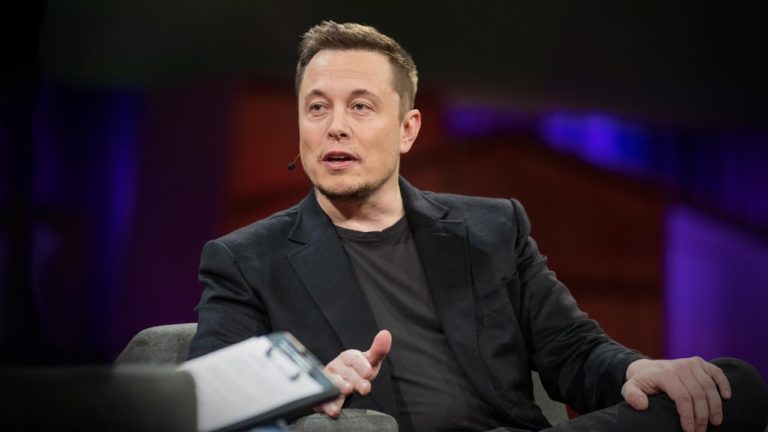
Elon Musk’s policies are impacting Virginia’s federal workforce, creating challenges for local Republicans. His actions are causing uncertainty and dissatisfaction among employees, which might lead to decreased support for the GOP. This is significant because Virginia’s economy relies heavily on federal jobs, and any instability could sway voters away from Republican candidates.


Intraparty Conflict Weakens Campaign

Internal disagreements within the Virginia GOP are further complicating their campaign efforts. A heated dispute over the lieutenant governor candidate has led to divisions, distracting from the main campaign messages. This infighting could discourage voters and reduce turnout, as supporters might feel less motivated to participate if the party appears fractured.


Doubts Over Gubernatorial Nominee

Some Republicans are questioning whether Winsome Earle-Sears can win the governor’s race. These concerns stem from her campaign strategy and policy positions, which some believe may not appeal to a broad enough audience. If these doubts persist, it could undermine her campaign and the party’s overall performance in November.


Potential Impact on November Elections

The combination of external challenges and internal conflicts poses significant risks for Virginia Republicans. Decreased enthusiasm and a divided party could lead to lower voter turnout and diminished support. These factors might make it even harder for the GOP to secure victories, especially in competitive races.


Looking Ahead

As November approaches, Virginia Republicans need to address these challenges quickly. If they can unify their party and regain voter confidence, they might still have a chance to perform well. However, if these issues persist, the election outlook could become even bleaker for the GOP in Virginia. The next few months will be crucial in determining their success.

Biden’s Struggles Shake the Democratic Party

0

Key Takeaways:

  • The Democratic Party is facing tough times, with President Joe Biden’s leadership under growing scrutiny.
  • A new book claims Biden’s family and top aides hid his mental health struggles.
  • Biden’s recent prostate cancer diagnosis adds to concerns about his ability to lead.
  • Democrats are worried about their chances in upcoming elections.

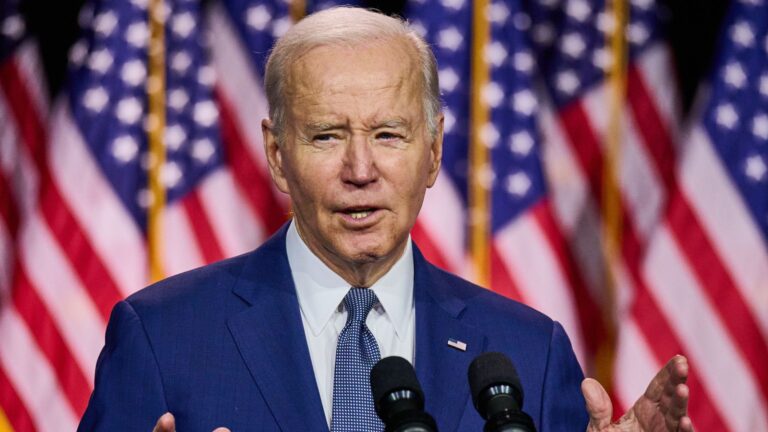
The Democratic Party is going through one of its toughest periods in recent memory. President Joe Biden, who is 80 years old, is facing questions about his fitness to lead. A new book, titled Original Sin, suggests that Biden’s family and top advisors have been covering up his mental health challenges. This news comes at a bad time for Democrats, as they are already struggling to regain momentum after losing the last presidential election.

A New Book Adds Fuel to the Fire

The book, written by journalists Jake Tapper and Alex Thompson, makes some serious claims. It says that Biden’s inner circle has been hiding his struggles with mental capacity. This means they might be trying to make him appear more capable than he really is. If true, this could hurt public trust in the president and the Democratic Party.

Biden’s age has always been a topic of discussion. Many people wonder if he is too old to handle the demands of the presidency. Now, with this book, those concerns are growing even louder.


Biden’s Health Becomes a Big Issue

To make things worse, Biden recently revealed that he has prostate cancer. While his team says the cancer is treatable, the news raises more questions about his health. At 80, Biden is the oldest president in U.S. history. His health issues are a reminder that age can affect a leader’s ability to perform their duties.

Critics argue that Biden’s health and mental sharpness are signs of a larger problem. They say the Democratic Party is not in a strong position to win the next election. This could mean trouble for Democrats in 2024 and beyond.


The Democratic Party’s Tough Road Ahead

The Democratic Party is already struggling after Donald Trump’s reelection. Many Democrats feel that Biden’s leadership has not been strong enough. His approval ratings are low, and voters are losing confidence in his ability to solve big problems like the economy and healthcare.

Now, with the claims from the book and concerns about Biden’s health, things are getting even tougher. Some Democrats are asking if it’s time for a change in leadership. They want a younger, more energetic candidate to take over and bring new ideas to the table.


What Does This Mean for the Future?

The next few years will be crucial for the Democratic Party. If they can’t turn things around, they might lose even more power in Washington. Voters are looking for a leader who can inspire and deliver results. Right now, Many Democrats are worried that Biden is not that leader.

The claims in Original Sin and Biden’s health issues are just the latest challenges for the party. They need to figure out how to win back voters’ trust and prove they can lead the country effectively. The 2024 election is just around the corner, and the stakes couldn’t be higher.


In the end, the Democratic Party is at a crossroads. They need to decide if Biden is the right person to lead them into the future or if it’s time for a change. One thing is clear: the road ahead will be anything but easy.

Crime Rates Are Dropping: Here’s What You Need to Know

0

Key Takeaways:

  • After a sharp rise in crime in 2020, crime rates in the U.S. have started to drop.
  • Murder rates and other violent crimes are decreasing in many cities.
  • Experts say better policing and community efforts may be helping.
  • Crime is still a big issue, but things are improving.

Crime Rates Are Going Down—And That’s Big News

You don’t hear a lot of good news these days, especially when it comes to crime. Usually, crime stories are about things getting worse, not better. But here’s something positive: after a huge spike in crime starting in 2020, things are starting to get better.

In 2020, the U.S. saw some of the biggest jumps in crime in history. Murder rates went up more than they had in nearly 50 years. This got a lot of attention because, let’s face it, crime stories often make headlines. But now, the trend is changing.

What Happened in 2020?

Around 2020, crime rates, especially murders, shot up. This was a shocking change from previous years. Many experts think the pandemic, economic struggles, and social unrest played a role. People were stressed, and that might have led to more violence.

The jump in crime got a lot of attention, and for good reason. It’s scary when things suddenly get worse. But now, things are starting to calm down.

Why Are Crime Rates Dropping Now?

So, why are crime rates going down? There’s no simple answer, but here are a few reasons experts think might be contributing:

  1. Better Policing: Police departments are changing how they work. Some are focusing more on building trust with communities and using smart strategies to prevent crime.
  2. Community Efforts: Neighborhoods are stepping up. Local programs, like job training and after-school activities, are helping keep young people out of trouble.
  3. Fewer Guns on the Streets: In some cities, efforts to reduce illegal guns seem to be working. Fewer guns mean less violence.

These changes don’t mean everything is perfect. Crime is still a problem. But it’s a step in the right direction.

What Does This Mean for the Future?

While it’s great that crime rates are dropping, no one knows for sure if this trend will continue. It will depend on many factors, like how communities and police work together.

For now, though, it’s good news. It shows that when people work together, things can get better.

The Bottom Line

After a sharp rise in crime, things are starting to improve. Murder rates and other violent crimes are dropping in many places. This doesn’t mean everything is fixed, but it’s a positive sign. With continued effort, hopefully, crime will keep going down.

So next time you see a headline about crime, remember: not all the news is bad. Things can get better when people work together to make a difference.

Supreme Court Backs Michigan Voters in Election Law Dispute

0

Key Takeaways:

  • The U.S. Supreme Court declined to hear a lawsuit challenging Michigan’s voter-approved election laws.
  • The lawsuit argued that only state legislatures could change election rules, citing the Elections Clause.
  • Lower courts dismissed the case, ruling the plaintiffs lacked standing.
  • The decision upholds voting rights expansions from 2018 and 2022.
  • The ruling aligns with a broader trend limiting state legislative power over elections.

Introduction: In a significant move, the U.S. Supreme Court recently decided not to hear a lawsuit challenging Michigan’s election laws. This decision is a win for Michigan voters, as it upholds their right to shape election rules through ballot initiatives. The lawsuit, filed by state lawmakers, argued that only legislatures could change election laws, referencing the Elections Clause of the U.S. Constitution. However, the courts rejected this claim, ensuring that voter-approved measures remain in place.

Background of the Lawsuit: The lawsuit, filed in 2023, targeted two voter-approved proposals. Proposal 3 (2018) and Proposal 2 (2022) expanded voting rights, including same-day registration and absentee voting. Lawmakers argued that these changes should have been made by the legislature, not through ballot initiatives, claiming this violated the Elections Clause. They believed that allowing voters to amend election laws bypassed the legislative process.

Court Decisions: The case was first dismissed in April 2024 by U.S. District Court Judge Jane Beckering for lack of standing. The 6th U.S. Circuit Court of Appeals affirmed this decision in December 2024. The Supreme Court’s refusal to hear the case finalized the outcome, leaving the voter-approved laws intact.

Significance of the Ruling: This decision reinforces the power of voters in Michigan to influence election laws. It also reflects a broader trend, as seen in the Moore v. Harper case, where the Supreme Court limited state legislatures’ absolute authority over elections. The ruling ensures that voters and courts have a say in election rules, balancing legislative power.

Conclusion: The Supreme Court’s decision is a victory for Michigan voters, affirming their role in shaping election laws. It underscores the importance of voter initiatives and checks on legislative power, ensuring a fair and accessible electoral process. This outcome is a significant step in protecting and expanding voting rights in Michigan and beyond.

Harry Styles and Olivia Rodrigo Join Fight Against Trump’s Policies

0

Key Takeaways:

  • Harry Styles and Olivia Rodrigo join Bruce Springsteen in opposing Trump’s policies.
  • Over 250 celebrities, including Billie Eilish and Megan Thee Stallion, sign an ad against Trump’s Planned Parenthood funding cuts.
  • Trump lashes out at Springsteen and threatens other celebrities who criticize him.
  • The debate highlights the growing clash between celebrities and politicians over healthcare and freedom.

Celebrities Unite Against Trump’s Planned Parenthood Cuts

Harry Styles, Olivia Rodrigo, and Bruce Springsteen are just a few of the big names standing up against President Donald Trump’s latest plan to cut funding for Planned Parenthood. They, along with over 250 other celebrities, have signed a powerful ad in the New York Times to fight back. The ad sends a clear message: they believe in freedom, healthcare, and letting individuals decide their own care, not the government.

The ad includes names like Pedro Pascal, Addison Rae, Megan Thee Stallion, Billie Eilish, and Cyndi Lauper. Together, they’re saying no to Trump’s efforts to slash funding for Planned Parenthood, an organization that provides essential healthcare services to millions of people.


Trump Fires Back at Critics

This isn’t the first time Trump has faced backlash from celebrities. Recently, Bruce Springsteen called him “corrupt, incompetent, and treasonous” during a concert in the UK. Trump didn’t take that lightly. He responded with harsh words, calling Springsteen a “dried-out prune” and even hinting at potential consequences for the rocker.

Trump also hasn’t held back from targeting other celebrities who speak out against him. He’s accused Beyoncé and Oprah Winfrey of endorsing his political opponents and even threatened investigations.


Why This Matters

Celebrities like Springsteen, Styles, and Rodrigo have massive followings, and their voices carry weight. By speaking out, they’re not only raising awareness about important issues but also inspiring their fans to take action.

For Springsteen, this isn’t just about politics—it’s personal. He’s been a longtime advocate for freedom and equality, themes he’s written about in his music for decades. When he called out Trump’s administration, fans and fellow artists like Eddie Vedder and Neil Young rallied around him.


The Bigger Picture

This isn’t just about Planned Parenthood or Trump. It’s about the ongoing debate over who gets to decide what healthcare options are available in the U.S. Celebrities are using their platforms to fight for what they believe in, and their voices are making waves.

As more stars join the conversation, it’s clear that this is a fight that won’t fade away anytime soon. Whether you agree or disagree with their views, one thing is certain: celebrities are proving that they can’t be silenced when it comes to standing up for what they believe in.


This growing trend of celebrities taking a stand against politicians shows no signs of slowing down. With names like Harry Styles, Olivia Rodrigo, and Bruce Springsteen leading the charge, the conversation is only getting louder. Stay tuned to see how this all plays out—and remember, your voice matters too.

Trump’s Toxic Touch: How Elon Musk Became MAGA Roadkill

0

Key Takeaways:

  • Donald Trump’s influence is so toxic that even his closest allies end up facing downfall, says conservative strategist Rick Wilson.
  • Wilson calls this phenomenon the “Trump Curse,” where everyone and everything Trump touches eventually dies.
  • Elon Musk, once a powerful friend to Trump, has now fallen out of favor and is facing major losses.
  • Musk’s story is the latest example of how Trump’s toxic influence can ruin even the most powerful people.

Introduction: The Trump Curse

Donald Trump’s influence is like a curse, according to Rick Wilson, a well-known conservative strategist. Wilson, who co-founded the anti-Trump group The Lincoln Project, recently shared his thoughts on how Trump’s touch can destroy everything it comes into contact with. Whether it’s people, businesses, or even the country itself, Trump’s impact often ends in disaster. And now, Elon Musk, the richest man in the world, seems to be the latest victim of this so-called “Trump Curse.”


Section 1: The Rise and Fall of Elon Musk

Elon Musk was once seen as untouchable. Just a few months ago, he was one of the most powerful people in the world. He could make senators listen with just a tweet and had a direct line to the White House. Wilson described Musk as the “real Prime Minister of the United States” and the “Lord Regent of Dark Elite Ultra Gothic Hyper Cyber MAGA governance.” Musk even had Trump on speed dial and walked the halls of the White House like he owned the place. But that power didn’t last.

In Wilson’s words, Musk was the “belle of the MAGA ball,” admired by Trump’s loyal supporters. He was the center of attention, and everyone wanted to be on his good side. But as time went on, Musk’s connection to Trump started to backfire. Now, Musk is facing billions of dollars in losses and has been pushed out of Trump’s inner circle. He’s even been exiled from Trump’s “island of misfit toys,” as Wilson puts it.


Section 2: The Trump Curse Strikes Again

Wilson explains that the “Trump Curse” is a Pattern. It starts with Trump’s close allies and friends but eventually spreads to everything he touches. What began as a way to describe the downfall of Trump’s cronies has now grown into something much bigger. It includes the U.S. economy, global influence, the rule of law, and even the foundation of American liberty.

For example, Trump’s most loyal supporters often end up in trouble. They might face legal issues, public humiliation, or total ruin. The curse doesn’t discriminate—it affects everyone, from everyday people to the most powerful individuals. And now, even Elon Musk, once the most powerful man in the world, is feeling the effects of the Trump Curse.


Section 3: The Elon Musk Downfall

So, what happened to Elon Musk? According to Wilson, Musk’s fall from grace began when he decided to embrace Trump’s MAGA movement fully. At first, it seemed like a smart move. Musk was praised by Trump supporters, and his influence grew even more. But as time went on, Musk’s association with Trump started to cost him.

Musk’s decision to align with Trump led to a series of bad decisions. He faced backlash from the public and even from some of his own allies. His reputation took a hit, and his businesses suffered. Now, Musk is on what Wilson calls a “Humility Tour,” trying to repair his image by groveling in front of the media and the public.

Wilson also points out that Musk’s downfall was predictable. Even before Trump took office, some of Trump’s advisors, like Susie Wiles, wanted Musk gone. They saw the risks of associating with him, but Musk didn’t listen. Now, he’s paying the price.


Section 4: What This Means for Trump and the GOP

The story of Elon Musk’s downfall is just the latest example of how toxic Trump’s influence can be. Wilson argues that Trump’s impact goes far beyond politics. It affects the economy, international relationships, and even the basic principles of American democracy.

The “Trump Curse” is a reminder that being close to Trump often ends in disaster. Even the most powerful people, like Musk, can fall victim to it. Wilson warns that this pattern is likely to continue, with more people and institutions facing ruin because of their association with Trump.


Conclusion: The Bigger Picture

Rick Wilson’s comments on the “Trump Curse” and Elon Musk’s downfall highlight a bigger issue in American politics. Trump’s influence is not just controversial—it’s destructive. His ability to ruin even the most powerful individuals and institutions has become a defining feature of his legacy.

For Musk, the road ahead is unclear. He’s facing major challenges, and his reputation is in tatters. Whether he can recover remains to be seen. But one thing is certain: his association with Trump has cost him dearly.

As Wilson says, the “Trump Curse” is a powerful force that no one should underestimate. It’s a reminder that being close to Trump often comes with a heavy price—and one that even the richest man in the world couldn’t avoid.

Trump’s Chaos: Could It Lead to a Fairer World Order?

0

Key Takeaways:

  • Trump’s policies have disrupted global markets and weakened U.S. influence.
  • The West’s dominance may be declining, but this could lead to a more balanced world order.
  • China is emerging as a key player, promoting trade and development in the Global South.
  • New international institutions and alliances are reshaping global power dynamics.

The world is changing fast. The U.S., once the undisputed global superpower, is losing its grip. Donald Trump’s controversial policies have shaken markets, divided allies, and created opportunities for other nations to step into the void. While this shift may seem scary, some experts believe it could lead to a more equitable and peaceful world. Let’s break this down.


The West’s Decline: Is It a Bad Thing?

For decades, the U.S. and its Western allies have dominated global politics and economics. Some say this was good because the West promoted democracy and stability. But for many countries in the Global South, American power has meant exploitation, interference, and inequality.

Now, the West’s grip is loosening. Trump’s actions, like imposing tariffs and criticizing allies, have alienated many nations. This has made it harder for the U.S. to lead and initiate conflicts, which could reduce global tensions.


China’s Rise: A New Superpower?

China has emerged as a major beneficiary of Trump’s policies. When Trump imposed tariffs, China called his bluff and won a 90-day pause. This boosted China’s confidence and strengthened its position in global trade.

Unlike the U.S., China’s foreign policy is mostly non-interventionist. It focuses on building economic partnerships, especially in the Global South. For example, China is sharing renewable energy technologies with poorer nations, helping them leapfrog carbon-based fuels and develop sustainably.

China’s goal is to create a network of customers worldwide. It’s working with countries like South Korea, Japan, and those in Southeast Asia to build trade alliances. While some neighbors fear China’s ambitions, its military power is limited compared to the U.S.


A New World Order: What Does It Look Like?

The world is moving toward a “multipolar” system, where power is shared among several nations, including the U.S., China, Russia, and others. This could lead to a more balanced global order.

1. Emerging Institutions

Countries like China, Russia, India, and Brazil are creating new institutions to challenge the U.S.-led system. For example, the New Development Bank (NDB) and the Asian Infrastructure Investment Bank (AIIB) are funding projects in the Global South. These organizations aim to reduce dependence on Western-controlled banks.

2. The Global South’s Voice

Most countries in the Global South want a fairer world order. Many still suffer from the legacy of colonialism and feel marginalized in international decisions. A more balanced system could give them a stronger voice.

Ironically, the decline of U.S. dominance might lead to a more genuine rules-based international order. Many weaker nations rely on stable global rules to protect themselves from stronger powers.


Europe’s Role in the New Order

Europe is also adapting to the changing world. European leaders like Ursula von der Leyen admit that “the West as we knew it no longer exists.” The European Union remains a major player but will likely operate on a more equal footing with other regions.

However, some Western leaders want to form alliances with “like-minded states” to preserve their influence. This could marginalize the Global South further, but it’s unclear if this strategy will succeed.


America’s Loosening Grip on Power

The U.S. is struggling to maintain its global dominance. Trump’s policies have accelerated this trend, making it harder for America to lead. While this shift is disruptive, it could pave the way for a more just and balanced world.

For instance, without U.S. leadership, wars might be less likely. Since the Cold War, the U.S. has been involved in many conflicts. A multipolar world could reduce the chance of such interventions.


The Road Ahead

The transition to a new world order won’t be smooth. The global economy will face challenges as it moves away from U.S. dominance. However, this shift is necessary for creating a more equitable system.

Many experts argue that Trump’s chaos, while destructive, has unintended benefits. It has accelerated changes that could lead to a fairer world.


In the end, the decline of Western dominance isn’t the end of the world. Instead, it’s an opportunity to build a more inclusive and balanced global order. As Shaun Narine, a professor of international relations, suggests, the world might even owe Trump a measure of thanks for setting this process in motion.

Change is never easy, but it can lead to better outcomes. The question now is: Will the world seize this opportunity to create a fairer future?

Planned Parenthood Closures Leave Utah Students Scrambling for Healthcare

Key Takeaways:

  • A Planned Parenthood clinic in Logan, Utah, closed in May, leaving students at Utah State University without easy access to healthcare.
  • Students are now carpooling 50 miles to the nearest clinic in Ogden, a two-hour round trip.
  • The closure is part of a larger trend of Planned Parenthood clinics shutting down due to funding cuts under the Trump administration.
  • Students who rely on affordable healthcare services, like STI tests and birth control, are disproportionately affected.
  • Community members and healthcare advocates are sounding the alarm about the growing healthcare crisis.

A Growing Healthcare Crisis in Logan, Utah

For students at Utah State University in Logan, the closure of the local Planned Parenthood clinic has turned their access to healthcare into a daunting challenge. The clinic shut its doors in early May, leaving students with no choice but to travel 50 miles to the nearest Planned Parenthood in Ogden. This two-hour round trip has become a harsh reality for those seeking essential services like STI testing, birth control, and cancer screenings.

Bridget Ackroyd, a senior at USU, described the situation as “scary.” She explained that Logan is a secluded town with no public transportation to Ogden. This makes it even harder for students to reach the remaining clinic. Ackroyd emphasized that many students rely on Planned Parenthood for affordable healthcare, especially those who cannot use their parents’ insurance for sensitive services like STI tests or birth control prescriptions.


Why This Matters for Students

The loss of the Logan clinic is a significant blow to students who depend on its sliding-scale payment option. This system allowed them to pay what they could afford, making healthcare accessible even for those without insurance. Ackroyd pointed out that students who fear their parents might react negatively to seeing healthcare charges on their insurance bills are now in a tough spot.

Alternative healthcare options in Logan, like Intermountain Health and the campus health center, require insurance and often involve long wait times. Ackroyd recalled how she could get a next-day appointment for an intrauterine device (IUD) at the now-closed Planned Parenthood clinic. Now, students face delays and the added burden of traveling far for care.


A Nationwide Problem

The closure of the Logan clinic is not an isolated incident. Since President Trump took office, at least a dozen Planned Parenthood clinics across the U.S. have shut down. This trend is linked to funding cuts, particularly the freeze on Title X grants, which support family planning services like contraception and STI testing.

Shireen Ghorbani, interim president of the Planned Parenthood Association of Utah, called the situation “heartbreaking.” She explained that the loss of these clinics forces patients to either travel long distances, delay care, or find alternative options, which are often unavailable or unaffordable.

In Utah alone, the Logan and St. George clinics served over 4,600 patients in 2024. Their closure has left 18 staff members without jobs and thousands of patients without a trusted healthcare provider.


The Bigger Picture: Funding Cuts and Healthcare Access

The Trump administration’s freeze on Title X funds has dealt a significant blow to Planned Parenthood clinics nationwide. More than 300 of the nearly 600 clinics rely on these grants to provide essential services. Proposed cuts to Medicaid, part of a Republican budget plan, could further harm clinics that depend on Medicaid reimbursements.

Laurel Sakai, a national policy director for Planned Parenthood, said the organization has already lost over $20 million in Title X grants and $6 million for teen pregnancy prevention programs. She warned that these cuts are just the beginning, as the administration seems determined to defund Planned Parenthood entirely.

Ghorbani called the situation a “dismantling of healthcare” and warned of a “bleak future” for access to care, especially for marginalized communities.


Misunderstandings About Planned Parenthood

Despite the attacks on Planned Parenthood, many people don’t understand how the organization is funded. According to the KFF health policy nonprofit, only a third of Planned Parenthood’s revenue comes from government funds, and none of it goes toward abortions due to the Hyde Amendment. In fact, abortions make up just 4% of the services Planned Parenthood provides.

The majority of its services include cancer screenings, STI testing, and contraception. For many low-income patients, especially those on Medicaid, Planned Parenthood is their only option for affordable reproductive healthcare.

Cara Schumann of the abortion justice organization All* Above All said that one in 11 women, particularly those on Medicaid, rely on Planned Parenthood for essential care. Cutting funding for Title X and Medicaid would be a “double whammy” for these patients.


Fighting Back Against the Cuts

Planned Parenthood is gearing up to fight the funding cuts. Sakai said the organization is working with allies in Congress to push back against the budget proposals. She emphasized that the goal of these cuts is not to save money but to shut down clinics and restrict access to healthcare.

“This isn’t about the budget,” Sakai said. “It’s about taking away people’s right to choose where they get their healthcare.”

For now, students in Logan are doing what they can to support each other. Ackroyd and other community members are organizing carpools to help patients reach the Ogden clinic. But this is only a temporary solution to a much larger problem.

As Ghorbani put it, “The Trump administration is dismantling access to critical healthcare, and it’s leaving communities like Logan in a very tough spot.”

The closure of Planned Parenthood clinics is more than just a local issue—it’s a national crisis that could have long-lasting effects on access to affordable healthcare, especially for those who need it most.

US Economy at Risk as Trump’s Policies Raise Concerns

0

Key Takeaways:

  • The U.S. economy appears weaker than previously thought under President Donald Trump.
  • A major international bank warns Trump’s policies may harm the economy.
  • Moody’s downgraded the U.S. credit rating for the first time in history.
  • The national debt exceeds $36.8 trillion, raising concerns about long-term stability.

Is the U.S. Economy in Trouble?

Recent warnings from a top banking expert suggest the U.S. economy is heading into choppy waters. Jim Reid, a managing director at Deutsche Bank, says President Donald Trump’s policies are causing growing concerns. Reid, who leads global macro research, fears Trump’s actions could slowly weaken the economy over time.

This warning comes after Moody’s, a major credit rating agency, downgraded the U.S. credit rating from AAA to AA1 for the first time ever. This change signals worries about the country’s ability to manage its growing debt.


What Does the Credit Downgrade Mean?

The U.S. credit rating is like a report card for the nation’s finances. A AAA rating means the country is very reliable at paying its debts. But Moody’s dropped it to AA1, citing the nation’s rising debt and uncertain policies.

The U.S. national debt is now over $36.8 trillion. This huge number has been growing for years, and experts fear it could become unsustainable. Think of it like missing credit card payments—the debt piles up, and eventually, it’s hard to pay off.

Reid compares the situation to “death by a thousand cuts.” This means small, repeated problems are adding up and could eventually cause big trouble.


Trump’s Policies Under Fire

Much of the concern centers around Trump’s policies, especially his 2017 tax cuts. These cuts lowered taxes for many people, but critics argue they mostly benefited the wealthy. Now, Republicans in Congress want to extend these tax cuts for another 10 years.

Extending the tax cuts could cost the U.S. around $4.6 trillion over a decade. This would make it harder to reduce the national debt, according to analysts.

Meanwhile, a new Republican bill aims to extend these tax cuts before Memorial Day. The House Budget Committee is set to vote on it, but some Republicans are hesitant. They worry the bill could make the federal deficit worse.


A Risky Future for the U.S. Economy

The credit downgrade doesn’t immediately change much, but it’s a sign of bigger problems ahead. High debt levels can make it harder for the U.S. to borrow money in the future. It could also increase the cost of paying off debts, leaving less money for important programs like education and healthcare.

Reid says the constant flow of bad fiscal news is like water dripping on a dam. Eventually, the dam could break under the pressure.

The situation is serious, but it’s not all doom and gloom. Experts hope lawmakers will take steps to address the debt and create more balanced policies.


What’s Next?

The bill to extend Trump’s tax cuts is still uncertain. While some Republicans support it, others are hesitant due to concerns about the federal deficit.

If the bill passes, it could lock in policies that make the debt problem worse. But if it fails, lawmakers might have to find other ways to reduce the deficit.

One thing is clear: the U.S. economy faces serious challenges. How lawmakers respond will shape the country’s financial future.