54.4 F
San Francisco
Thursday, May 7, 2026
Home Blog Page 829

Budget Bill in Peril: Senate Rebels Against Medicaid Cuts

0

Key Takeaways:

  • The proposed budget bill faces significant opposition in the Senate, primarily due to Medicaid cuts.
  • Senators Murkowski, Collins, Hawley, and possibly Rand Paul oppose the Medicaid cuts.
  • Without their support, the bill may be sent back to the House, sparking a potential standoff.
  • Trump’s stance against Medicaid cuts complicates Johnson’s efforts to pass the bill.
  • This could delay Trump’s legislative agenda as conservatives are willing to challenge the bill.

A Darn Tough Sell

House Speaker Mike Johnson’s recent meeting with Senate Republicans didn’t go as planned. Johnson aimed to rally support for the new budget bill, but instead, he faced resistance. The bill’s proposed Medicaid cuts are the main sticking point, with senators expressing strong opposition. Leading the charge are Senators Lisa Murkowski of Alaska, Susan Collins of Maine, and Josh Hawley of Missouri. Senator Rand Paul of Kentucky is also leaning against the bill. Their opposition makes passing the bill increasingly difficult.


Senate Republicans Stand Firm Against Medicaid Cuts

The Medicaid program, which provides health coverage for low-income individuals, is at the heart of the controversy. Senators opposing the cuts argue that reducing funding would harm vulnerable populations. Without support from at least one of these senators, the bill faces an uphill battle in the Senate.


Trump’s Warning Adds Fuel to the Fire

Adding to Johnson’s challenges, former President Donald Trump has publicly opposed the Medicaid cuts. Trump’s influence could make it even harder for Johnson to sway senators. Trump’s strong statements against altering Medicaid have strengthened the resolve of these senators, making the bill’s passage more uncertain.


A Showdown in the Making

The budget bill’s future is uncertain. If the Senate removes the Medicaid cuts, the bill will return to the House, potentially leading to a standoff. With conservatives ready to challenge the bill, the situation could delay or derail Trump’s legislative agenda. This sets the stage for a tense showdown between the House and Senate, with no clear resolution in sight.


This article captures the essence of the political drama unfolding around the budget bill, highlighting the challenges and implications for all parties involved.


Senate Votes to Make Tips Tax-Free in Bipartisan Win

0

Key Takeaways:

  • The Senate unanimously approved a bill to eliminate federal taxes on tips.
  • This fulfills a campaign promise by President Donald Trump.
  • Both Trump and Kamala Harris supported tipping tax elimination during their campaigns.
  • The legislation gained bipartisan support in Nevada.

Federal Taxes on Tips Are Officially a Thing of the Past

In a rare show of unity, the Senate recently voted to remove federal taxes on tips. This decision comes after years of debate and fulfills a promise made by President Donald Trump during his 2016 campaign. The legislation passed with bipartisan support, showing both Democrats and Republicans can agree on key issues.

A Campaign Promise Fulfilled

President Trump first proposed eliminating taxes on tips in June 2023. He argued that tipping is a way to show appreciation for service workers and shouldn’t be taxed. This idea resonated with many, especially in states like Nevada, where tourism and hospitality are major industries.

Interestingly, Trump wasn’t the only candidate to back this idea. During her presidential campaign in August 2023, Vice President Kamala Harris also vowed to remove taxes on tips if elected. Both candidates made these commitments while campaigning in Nevada, a state heavily reliant on the service industry.

What’s Next?

While the Senate has approved the bill, it isn’t law just yet. The legislation now heads to the House of Representatives for further debate and voting. If passed, it will then go to President Trump’s desk for his signature.

Bipartisan Support: Why This Matters

The unanimous Senate vote highlights a rare moment of cooperation in Washington. It shows that even in a divided government, leaders can come together on issues that benefit everyday Americans.

Service workers, especially in industries like restaurants, bars, and hospitality, stand to gain the most from this change. Many rely on tips to make a living wage, and removing federal taxes on these earnings could mean more money in their pockets.

The Impact on Workers

For workers who earn tips, this change could make a big difference. Currently, the federal government taxes tips as income. By removing these taxes, workers could keep more of their hard-earned money.

This move is also seen as a way to support small businesses, many of which rely on tip-based earnings to pay their employees. By reducing the tax burden, these businesses may have more flexibility to invest in growth and hiring.

A Win for Nevada and Beyond

Nevada played a key role in this legislation. Both Trump and Harris announced their support for tip tax elimination during campaign stops in the state. Nevada’s economy relies heavily on tourism and hospitality, making it a focal point for this issue.

This decision could have national implications. Other states with large service industries may take notice and push for similar changes at the state level.

The Road Ahead

While the Senate’s approval is a major step forward, the journey isn’t over. The House of Representatives will now debate and vote on the legislation. If it passes, President Trump is expected to sign it into law, fulfilling one of his campaign promises.

Conclusion

The Senate’s decision to eliminate federal taxes on tips is a significant victory for workers and small businesses. It shows that bipartisan cooperation is still possible, even in a divided political climate. As the bill moves forward, all eyes will be on the House of Representatives to see if they follow the Senate’s lead. If successful, this change could bring relief to millions of Americans who rely on tips to make ends meet.

Billy Long Grilled Over Business Ties in IRS Hearing

0

Key Takeaways:

  • Democrats questioned Billy Long about his post-congressional business dealings.
  • Republicans expressed confidence in his ability to improve IRS services.
  • Long is a former Missouri Representative nominated for IRS Commissioner.
  • The hearing highlighted concerns over his business activities and potential conflicts.

Introduction: Billy Long, a former Missouri Representative, faced intense scrutiny during his Senate hearing for IRS Commissioner. Democrats raised concerns about his business dealings after leaving Congress, while Republicans backed his nomination, believing he could enhance IRS efficiency and taxpayer services.

Democrats Raise Concerns: During the hearing, Senate Finance Committee Democrats pressed Long on his business activities post-Congress. They questioned whether these dealings could create conflicts of interest, affecting his impartiality as IRS Commissioner. Democrats emphasized the need for the IRS leader to be free from any potential biases, ensuring fair tax enforcement.

Republican Support: Republicans, including Chairman Michael Crapo, expressed confidence in Long’s capabilities. They highlighted his experience and belief in his ability to improve taxpayer services and streamline IRS operations. Crapo noted Long’s potential to effectively implement new tax laws, crucial for the IRS’s role in administering legislation.

Why This Matters: The IRS plays a vital role in tax collection and enforcement, impacting millions of Americans. As Commissioner, Long would oversee these functions and new tax laws. His nomination is significant, as his approach could shape taxpayer experiences and IRS efficiency, making the hearing a critical assessment of his suitability.

Conclusion: The hearing underscored the scrutiny surrounding Long’s nomination, with Democrats focusing on potential conflicts and Republicans on his capabilities. The outcome remains uncertain as the Senate considers his nomination, determining if he will lead the IRS in enhancing taxpayer services and efficiently implementing tax laws.

Hillary Clinton’s Surprising Admission Sparks Debate

0

Key Takeaways:

  • Hillary Clinton recently made remarks about lifestyle liberalism being a privilege for the wealthy.
  • She suggested that mass immigration supports this progressive lifestyle.
  • This implies that progressive ideas may not be economically viable for everyone.

Introduction: Hillary Clinton, a well-known political figure, recently shared some surprising thoughts during an interview. Her comments have started a conversation about lifestyle liberalism and immigration. What did she say, and why is it causing such a stir?

What Did Hillary Clinton Say? During her talk at the 92NY event, Clinton discussed how lifestyle liberalism is mainly enjoyed by affluent Americans. She linked this to feminist ideals, suggesting that these progressive values are often supported by mass immigration, both legal and illegal. Her words imply that progressivism might not be economically sustainable for everyone.

Understanding Lifestyle Liberalism: Lifestyle liberalism often refers to progressive social policies and personal freedoms. It emphasizes gender equality, LGBTQ+ rights, and individual choices. However, Clinton’s remarks highlight that these ideals might primarily benefit wealthy Americans.

The Role of Immigration: Clinton pointed out that mass immigration, both legal and illegal, plays a role in supporting this progressive lifestyle. This could mean that immigration helps maintain certain economic conditions that allow affluent individuals to pursue these ideals without facing the same financial challenges as others.

What Does This Mean for Progressivism? Clinton’s comments suggest that progressive ideas might not be practical for everyone, especially those with lower incomes. This raises questions about the accessibility of progressive lifestyles and whether they can be sustained economically for all.

Reactions to Clinton’s Remarks: Clinton’s statements are being shared quietly, but they are starting to gain attention. Some people see her comments as a candid observation about the realities of progressive politics. Others may view it as a criticism of the movement. Regardless, her words are prompting discussions about the feasibility of progressive ideals in today’s economic climate.

Conclusion: Hillary Clinton’s recent remarks have sparked a new debate about lifestyle liberalism and its relationship with wealth and immigration. Her comments highlight the complexities of progressive ideals and whether they are accessible to everyone. As this conversation grows, it may lead to a deeper exploration of how economic realities influence social policies and personal freedoms.

ICE Arrests Ecuadorian Man in Fatal Minnesota Crash

0

Key Takeaways:

  • ICE arrested German Adriano Llangari Inga, an undocumented immigrant from Ecuador.
  • He faces charges for a fatal car crash in Minnesota.
  • The crash killed a mother and injured her daughter and sister.
  • His blood alcohol content was twice the legal limit during the crash.
  • The incident has sparked discussions about immigration and road safety.

A Tragic Crash in Minnesota

A devastating car crash in Minnesota has led to the arrest of an undocumented immigrant from Ecuador. German Adriano Llangari Inga was taken into custody by Immigration and Customs Enforcement (ICE) on Friday. He is now facing serious charges related to the deadly accident.

The Crash and Its Aftermath

The crash happened in August and resulted in the death of Victoria Eileen Harwell, a mother. Her teenage daughter and sister were also injured in the accident. According to reports, Llangari Inga was driving with a blood alcohol content twice the legal limit. This means he was heavily intoxicated while behind the wheel.

The crash has left the community in shock. Many are grieving the loss of Victoria, who was a beloved member of her family and community. Her and sister are still recovering from their injuries.

Llangari Inga is now facing charges for causing death while driving under the influence of alcohol. This is a very serious offense and can lead to severe penalties, including jail time. Additionally, since he is an undocumented immigrant, his legal situation is even more complicated. ICE’s involvement means he could face deportation after his criminal case is resolved.

A Call for Justice and Change

The family of Victoria Eileen Harwell is seeking justice for their loved one. They hope that this tragedy will lead to changes in laws and policies to prevent similar incidents in the future. Many in the community are also calling for stricter enforcement of immigration laws and tougher penalties for drunk driving.

The Bigger Picture

This incident has sparked a wider conversation about immigration and road safety. While some argue for stronger immigration enforcement, others emphasize the need for better education and prevention programs to reduce drunk driving. Regardless of the debate, the loss of Victoria Eileen Harwell is a heartbreaking reminder of the consequences of reckless behavior.

A Community in Mourning

The community is coming together to support Victoria’s family during this difficult time. Friends, neighbors, and even strangers have offered their condolences and assistance. The tragedy has also prompted many to reflect on the importance of road safety and the dangers of driving under the influence.

Moving Forward

As the legal process unfolds, many questions remain unanswered. How could this tragedy have been prevented? What steps can be taken to ensure that such incidents do not happen again? These are the questions that lawmakers, law enforcement, and the community will need to address in the coming months.

For now, the focus is on supporting the victims and their families. The arrest of German Adriano Llangari Inga is just the first step in a long journey toward justice and healing.


This tragic event serves as a reminder of the importance of responsible behavior and the need for effective laws to protect everyone on the road. It also highlights the complex issues surrounding immigration and the need for compassionate yet fair solutions. As the community mourns the loss of Victoria Eileen Harwell, it also looks toward a future where such tragedies can be avoided.

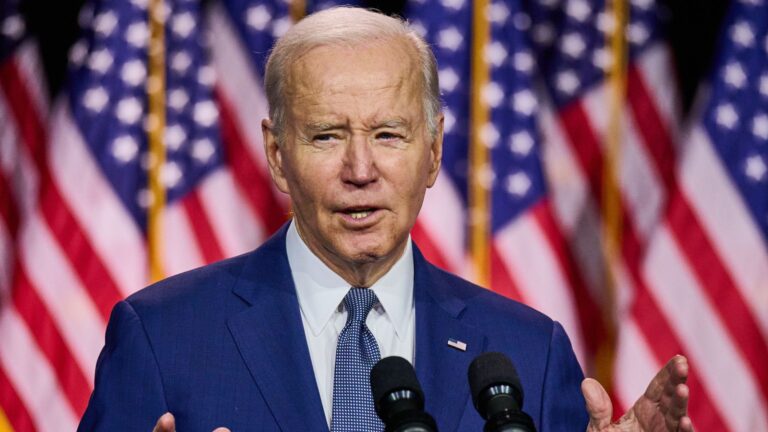
Biden’s Cancer Diagnosis Sparks Questions About His Health While in Office

0

Key Takeaways:

  • Former US President Joe Biden has been diagnosed with prostate cancer.
  • The cancer has spread to his bones, which has surprised some doctors.
  • Biden noticed urinary symptoms, leading to the diagnosis.
  • This raises questions about his health during his presidency.

Joe Biden’s Recent Health News

Joe Biden, the 82-year-old former US President, recently revealed he has prostate cancer. His office made this announcement, stating that the diagnosis came after he visited a doctor for urinary symptoms. This news has brought attention to Biden’s health, especially considering his age and active career.

What Is Prostate Cancer?

Prostate cancer is a type of cancer that begins in the prostate gland, a small walnut-sized part of the male reproductive system located below the bladder and in front of the rectum. It can grow slowly or spread quickly, but early detection is crucial for effective treatment.

Why Is This Diagnosis Surprising?

Some doctors are surprised that Biden’s cancer, now in his bones, wasn’t detected earlier. Prostate cancer is often caught early through screenings like PSA blood tests. This case shows that even with regular check-ups, cancer can sometimes go unnoticed until later stages, especially in older adults.

How Does This Affect Biden’s Legacy?

Biden has built a reputation as a resilient and energetic leader, known for his stamina and work ethic. This diagnosis adds another layer to his story, highlighting his ability to face health challenges while staying committed to his duties.

Important Health Takeaways

Biden’s diagnosis reminds us of the importance of regular health check-ups. It’s crucial to address symptoms early and discuss health concerns with doctors. Preventive care and open communication can make a significant difference in health outcomes.

Conclusion

Joe Biden’s cancer diagnosis has reignited discussions about health awareness and aging. His resilience continues to inspire, reminding us to prioritize our health regardless of age or position. This news serves as a reminder to stay vigilant about our well-being and proactive in seeking medical advice when needed.

Justice Department Investigates Andrew Cuomo Over COVID-19 Handling

0

Key Takeaways:

  • The Justice Department has opened a criminal investigation into former New York Gov. Andrew Cuomo.
  • The probe focuses on whether Cuomo lied about his handling of the COVID-19 pandemic.
  • Congressional Republicans pushed for the investigation, accusing Cuomo of misconduct.
  • The U.S. attorney’s office in Washington is leading the case.

What’s Happening

The Justice Department has started a criminal investigation into former New York Governor Andrew Cuomo. This comes after Republican lawmakers asked for him to be charged with lying about how he managed the COVID-19 pandemic.

The U.S. attorney’s office in Washington, D.C., is handling the case. They began looking into Cuomo shortly after Rep. James Comer, a Republican and chairman of the House Oversight Committee, called for action. Comer and other Republicans claim Cuomo misled the public and government officials about his pandemic policies.


Why Is This Important

This investigation is a big deal because it involves a former governor and serious allegations. If Cuomo is found guilty of lying, he could face criminal charges.

During the pandemic, Cuomo was a prominent figure, often in the news for his daily updates. However, his leadership was also criticized, especially regarding nursing home policies. Republicans now say he lied about these decisions, which they believe led to harm for many people.


What’s Next

The Justice Department will now gather evidence to see if Cuomo broke any laws. This could involve interviewing witnesses, reviewing documents, and more. If they find enough evidence, Cuomo could face criminal charges.

For now, it’s too early to say how this will end. But the investigation shows that even high-ranking officials can face scrutiny for their actions during the pandemic.


A Closer Look at the Allegations

The main focus of the investigation is whether Cuomo lied about his handling of the pandemic. Republicans point to his policies, particularly those affecting nursing homes. They claim Cuomo’s decisions led to more deaths and that he covered up the true impact of these policies.

Cuomo has denied any wrongdoing. His team says the allegations are politically motivated and lacks evidence. They argue that the investigation is an attempt to smear his reputation.


The Role of Congressional Republicans

Rep. James Comer and other Republicans have been pushing for this investigation for months. They say Cuomo’s actions during the pandemic were reckless and that he misled the public. By asking the Justice Department to step in, they hope to hold him accountable.

This move also highlights the ongoing political tensions in Washington. Democrats have criticized the Republicans’ actions, calling them partisan attacks. They argue that the investigation is a waste of time and resources.


The Bigger Picture

This case is part of a larger debate about how governments handled the COVID-19 pandemic. Many leaders faced criticism for their decisions, but few have faced criminal investigations. If Cuomo is charged, it could set a precedent for other officials.

The pandemic was a challenging time for everyone, and leaders had to make tough decisions quickly. While some actions were praised, others led to controversy. This investigation shows that the consequences of those decisions are still being felt.


What People Are Saying

Supporters of the investigation believe it’s necessary to ensure accountability. They argue that leaders must be honest, especially during crises.

On the other hand, critics say the investigation is unfair. They believe it’s a political move to hurt Cuomo’s reputation.

As the investigation continues, public opinion remains divided. Some people want justice for what they see as mistakes, while others think the focus should be on moving forward.


The Road Ahead

The Justice Department’s investigation is just beginning. It could take months or even years to reach a conclusion. If charges are filed, Cuomo will have the chance to defend himself in court.

For now, the case is a reminder that even after the pandemic, its impact is still felt. Leaders’ actions during that time continue to shape politics and public opinion.


This investigation is a significant development in the ongoing debate over pandemic leadership. Whether it leads to charges or not, it shows that the actions of those in power are under close scrutiny. Stay tuned for updates as this story unfolds.

Tax Breakthrough: SALT Deduction Cap Raised

0

Key Takeaways:

  • GOP and SALT Caucus agree to raise SALT deduction cap from $10,000 to $40,000.
  • This compromise aids the GOP’s $4 trillion tax-cut and spending bill.
  • Agreement reached before a crucial House Rules Committee vote.
  • The change may benefit taxpayers in high-tax states.

Introduction: In a significant move, Republicans and the SALT Caucus have reached a deal to increase the SALT deduction cap. This change, from $10,000 to $40,000, marks a crucial step in their tax and spending plan.

What Are SALT Deductions? SALT deductions allow taxpayers to reduce their taxable income by the amount they pay in state and local taxes. This is especially beneficial for those living in areas with high taxes.

Significance of the Cap Increase: Raising the cap brings tax relief to residents of states with higher tax rates. However, it also reduces federal revenue, sparking debates on fairness and economic impact.

Impact on Taxpayers: Homeowners in high-tax states like New York and California will see larger deductions, lowering their federal tax bills. This could increase spending and stimulate local economies, though critics worry about lost revenue for federal programs.

Reaction from Supporters: Supporters view this as a win for middle-class families and regional economies. They argue it corrects an unfair tax burden and encourages investment in high-tax areas.

Critics’ Concerns: Opponents believe the change benefits the wealthy more and could strain federal budgets. They suggest alternative solutions, questioning the overall impact on tax equality.

What’s Next? The compromise advances the tax bill to the next stage. Lawmakers will continue debating, aiming to balance tax relief with revenue needs. Public opinion and lobbying will play roles in the bill’s shape.

Conclusion: The SALT cap increase is a strategic tax reform step, reflecting GOP efforts to balance relief and revenue. Its implications will unfold as the bill progresses, influencing taxation and spending for years to come.

Trump Accused of Illegal Migrant Deportations

0

Key Takeaways:

  • Trump administration accused of deporting migrants despite a court order.
  • Lawyers request a judge to return the deported migrants.
  • Migrants from Myanmar and Vietnam were sent to South Sudan.
  • Advocates claim this act violates a court order and human rights.

Introduction: The Trump administration is facing accusations from immigrant rights advocates for allegedly deporting about a dozen migrants to South Sudan, despite a court order. Lawyers are urging a judge to bring these migrants back. The deportees originate from Myanmar and Vietnam. This situation raises concerns about legal rights and protections for migrants.

What Happened: Recently, a court order halted quick deportations of migrants to countries other than their origin. Despite this, the Trump administration deported migrants to South Sudan. Lawyers argue this action defies the court’s ruling and withholding the migrants’ right to a fair hearing.

Background: The court initially blocked rushed deportations to other countries, requiring hearings first. The Trump administration, however, proceeded to send migrants from Myanmar and Vietnam to South Sudan, which is not their home. This move has incited legal and ethical concerns.

Who’s Involved: The deported migrants, including families, fled persecution and war. Their lawyers assert that sending them to a conflict zone like South Sudan endangers their lives. Advocates argue this deportation breaches the court order and basic human rights.

Next Steps: Lawyers are asking Judge Brian Murphy to intervene and return the migrants. They seek a chance to present their case for staying in the U.S. If granted, this might set a precedent for similar deportation cases.

Reactions: Advocates are outraged, calling the deportations a clear disregard for human rights. They express frustration over the administration’s actions, which they believe undermine due process.

Judge’s Decision: The outcome is uncertain as Judge Murphy considers the request. The ruling could significantly impact future deportation policies and define the extent of executive power in such cases.

Conclusion: This case highlights ongoing immigration challenges under the Trump administration. The outcome will determine the balance of power between the judiciary and executive in deportation matters, affecting many migrants’ lives.

Ongoing Coverage: Digital Chew will provide updates as this case unfolds, focusing on implications for immigration law and human rights. Stay tuned for further developments in this critical legal battle.

Expanding School Choice: Empowering Parents Nationwide

0

Key Takeaways:

  • Texas and South Carolina recently passed school choice bills, increasing the total to 17 states.
  • School choice allows parents to select the best educational fit for their children.
  • States without school choice may restrict parents’ options due to concerns like funding and equity.
  • Competition between schools can enhance education quality, similar to how businesses improve services.
  • More states are urged to adopt school choice to empower parents and improve education.

Introduction: Why School Choice Matters

Imagine a world where every parent can choose the perfect school for their child, just like picking the right pair of shoes. Thanks to Texas and South Carolina, 17 states now offer this freedom through school choice programs. This movement is more than just a policy change; it’s about empowering families and fostering innovation in education. But why isn’t every state on board? Let’s explore the power of choice and why it’s a game-changer for our schools.


The Power of Choice

What is School Choice?

School choice programs give parents options beyond traditional public schools. These include private schools, charter schools, and homeschooling. This approach lets families choose environments that best suit their children’s needs, whether through specialized programs or safer settings.

Why Parents Love It

Parents want the best for their kids, and school choice allows them to find it. In states with these programs, families can access better resources and opportunities. It’s not about abandoning public schools, but about giving parents the power to choose what’s best for their children.


Competition Makes Everything Better

Competition Drives Improvement

Competition isn’t just for sports; it makes everything better. Consider how FedEx transformed delivery services with overnight shipping. This forced other companies, including the US Postal Service, to improve. Schools can benefit similarly. When schools compete, they innovate to attract students, leading to better education for all.

Why Some States Hesitate

Despite the benefits, many states resist school choice. Concerns about funding are common. Public schools rely heavily on taxpayer money, and some worry that school choice could divert funds. Others argue that choice could widen gaps between rich and poor districts. However, many programs aim to help low-income families, ensuring equal opportunities.


What’s Holding Other States Back?

Money Matters

Funding is a big issue. Public schools depend on local taxes, which can lead to unequal resources. Critics fear school choice could make this worse, though many programs target low-income families to level the playing field.

Protecting Public Schools

Some believe school choice undermines public education. They argue that public schools are the backbone of democracy and should be strengthened, not bypassed. However, supporters see school choice as a way to save public schools by pushing them to improve through competition.

Political Battles

Politics often plays a role. Teachers’ unions and local governments may oppose school choice. Changing laws takes time, but as more states see positive results, others may follow.


The Future of School Choice

Growing Popularity

Support for school choice is growing. Polls show many parents back the idea, and successful programs in states like Florida and Arizona inspire others. As more families benefit, the movement is likely to expand.

What Can You Do?

If you’re passionate about school choice, make your voice heard. Contact your representatives, join advocacy groups, and spread awareness. Every voice brings us closer to empowering all parents.


Conclusion: A Vision for the Future

School choice is more than a policy; it’s about transforming education. By giving parents options, we can create a system where every child thrives. Texas and South Carolina are leading the charge, but every state should follow. Imagine a future where every parent can choose the best school for their child—where competition sparks innovation, and education excels. Together, we can make this vision a reality.