
58.3 F
San Francisco
Wednesday, July 1, 2026
Home Blog Page 85

New Orleans Confronts Highlighting Heat Stress Risks

Quick Summary: New Orleans Confronts Highlighting Heat Stress Risks

  • New Orleans faces a heat index of 95 degrees, highlighting heat stress risks over rain.
  • High pressure ridge suppresses rain, elevating temperatures in the region.
  • Heat index values could reach triple digits, posing a danger to outdoor workers.
  • Forecasts show a pattern of high humidity with sparse rain chances.
  • Local meteorologists may shift focus to heat warnings as conditions persist.

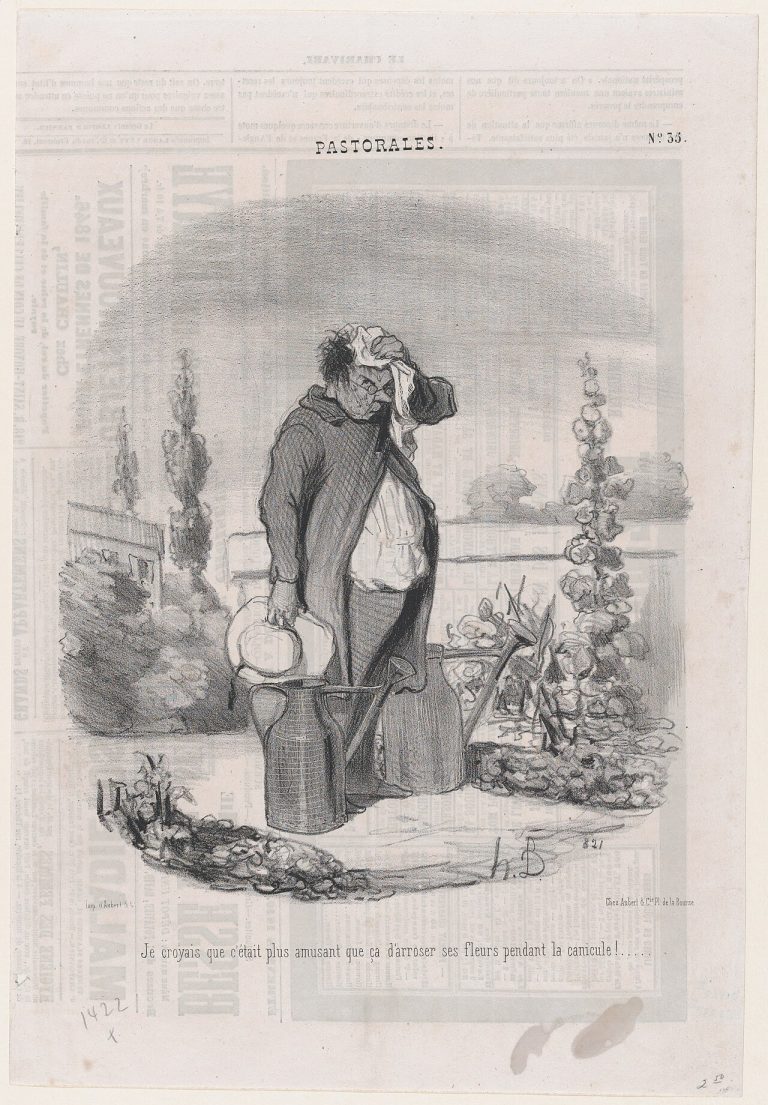
New Orleans is sweltering under a heat wave that’s more insidious than any storm. While residents may be tempted to focus on the chance of a pop-up shower, the real threat is the oppressive heat stress exacerbated by high humidity. With temperatures soaring into the upper 80s and 90s, and a heat index climbing to 95 degrees, the city is on alert for heat-related dangers.

The culprit behind this stifling weather is an upper-level ridge of high pressure, which is effectively blocking widespread rainfall and allowing temperatures to rise unchecked. This atmospheric setup means that while a stray shower might offer brief relief, it’s not enough to cool the city down significantly. Instead, the heat index is expected to reach triple digits, especially on the Northshore, making outdoor activities perilous.

Contextually, this weather pattern is a stark reminder of the region’s vulnerability to heat stress. As meteorologists and local authorities monitor the situation, the focus is shifting from storm alerts to heat advisories. The current conditions are a pivotal moment, marking a shift in how weather threats are perceived and managed in New Orleans.

” The agency’s latest local conditions snapshot for New Orleans showed an air temperature of 87 degrees with a heat index of 95, underscoring the central tension in the forecast: residents may focus on a possible pop-up shower, but the more consequential hazard is heat stress in humid air, especially for outdoor workers, eventgoers, and anyone without reliable cooling. An upper-level ridge of high pressure is building overhead, according to WDSU, and that usually suppresses widespread rainfall while allowing temperatures to rise.

For viewers scanning for a dramatic weather threat, the surprise is that the most immediate danger is the slow-burn accumulation of heat rather than a severe-weather event. WDSU’s forecast calls for high temperatures in the low 90s on the Northshore and upper 80s to low 90s elsewhere, with a “stray shower or storm” possible but no sign of a broad washout.

The standout number is the heat index: WDSU says it will reach triple digits on the Northshore and the mid to upper 90s in other parts of the viewing area. That means many neighborhoods could see no rain at all while still dealing with muggy conditions and “feels like” temperatures near or above 100.

The conflict driving this story is essentially a forecast mismatch between what people may want from summer weather and what the pattern is actually delivering. In plain terms, the region is getting just enough moisture for an isolated afternoon storm, but not enough atmospheric support for the kind of organized thunderstorm coverage that would cool things down for everyone.

WDSU’s language makes that imbalance explicit: it says “it will feel hot with the humidity” and that weather will stay “mainly warm, dry, and quiet” as high pressure strengthens overhead. The headline includes the possibility of a shower or storm, but the more meaningful development is that the overall pattern is turning hotter and more stable, not stormier.

An upper-level ridge of high pressure is building overhead, according to WDSU, and that usually suppresses widespread rainfall while allowing temperatures to rise. For viewers scanning for a dramatic weather threat, the surprise is that the most immediate danger is the slow-burn accumulation of heat rather than a severe-weather event.

WDSU’s forecast calls for high temperatures in the low 90s on the Northshore and upper 80s to low 90s elsewhere, with a “stray shower or storm” possible but no sign of a broad washout. The standout number is the this topic index: WDSU says it will reach triple digits on the Northshore and the mid to upper 90s in other parts of the viewing area.

High pressure ridge suppresses rain, elevating temperatures in the region. New Orleans is sweltering under a this topic wave that’s more insidious than any storm.

The scale and speed of this development has caught many observers off guard. Each new update adds another dimension to a story that is still unfolding, and the full picture will only become clear as more verified details emerge from the people and institutions directly involved.

Analysts who have tracked this issue closely say the current moment represents a genuine turning point. The decisions made in the coming weeks are expected to set the direction for months ahead, with ripple effects likely to extend well beyond the immediate actors in the story.

For those directly affected, the practical impact is already visible. People navigating this fast-changing situation are dealing with real consequences while new information continues to reshape what is known and what remains open to interpretation.

Historical parallels offer some context, though experts caution against drawing too close a comparison. Similar situations have played out before, but the specific combination of pressures, personalities, and timing here makes this moment distinct in ways that matter for how it ultimately resolves.

The political and economic dimensions of this story are deeply intertwined. What appears as a single event on the surface is in practice the convergence of multiple pressures that have been building quietly over a longer period than most public reporting has captured.

Read more on Digital Chew

Niyi Ajayi Pushes for Nigerian Market Reforms to Boost Growth and Investor Confidence

0

Quick Summary: Niyi Ajayi Pushes for Nigerian Market Reforms to Boost Growth and Investor Confidence

  • FTC’s Niyi Ajayi advocates for comprehensive market reforms in Nigeria to boost growth and investor trust.
  • Ajayi emphasizes the need for digital infrastructure and easier market access for retail investors.
  • Proposals include T+1 settlement, fractional shares, and thematic ETFs to enhance market liquidity.
  • Ajayi calls for tax incentives and pension reforms to encourage long-term equity investments.
  • Trust and enforcement against insider trading are highlighted as crucial for investor confidence.

Nigeria’s financial landscape is at a crossroads, and Niyi Ajayi, Chairman of the Financial Trust Company (FTC), is leading the charge for a transformative overhaul. In a candid interview, Ajayi laid out a bold vision for Nigeria’s capital markets, emphasizing that growth hinges on making equity investing more accessible, liquid, and trustworthy. Nigerian is at the center of this development.

Ajayi’s reform agenda is ambitious, calling for digital infrastructure that includes mobile trading and algorithmic execution. He argues for initiatives like T+1 settlement and access to fractional shares to democratize market participation. His push for thematic ETFs and employer-linked investment schemes with tax incentives aims to broaden the investor base.

At the heart of Ajayi’s argument is the notion that trust is the currency of financial services. He insists on visible enforcement against insider trading and manipulation to rebuild confidence among retail investors. Ajayi also stresses the importance of tax policies that reward long-term equity ownership and pension reforms that allow greater equity exposure.

The stakes are high, as Ajayi’s call for a coordinated national capital market strategy is not just about domestic growth but also about positioning firms like FTC to compete regionally. The Nigerian Exchange’s recent resilience is promising, but without swift reforms in access, liquidity, and trust, the growth potential remains untapped.

Ajayi said FTC, founded in 1976 by the late Otunba Olufemi Ajayi, has expanded from stockbroking into fund management, investment banking and FMDQ dealership operations, and is now targeting African markets such as Lagos, Nairobi and Accra through digital infrastructure including mobile trading, algorithmic execution and analytics tools. ” He also urged access to “fractional shares” and “thematic ETFs,” and said employer-linked investment schemes with tax incentives could broaden participation.

The immediate markers Ajayi identified are the rollout of T+1 settlement, further digitalisation of market access, possible tax and pension-policy changes, and improvements in forex repatriation conditions. The thrust of his argument is that Nigeria cannot deepen its capital market while ordinary savers remain blocked by low financial literacy, distrust and cumbersome processes.

That gives his reform pitch a self-interested edge: he is arguing not only for national growth, but for a framework in which firms like FTC can compete regionally. Ajayi said “trust is currency” in financial services and insisted that visible enforcement against “insider trading, manipulation, and disclosure failures” is essential if retail investors are to return.

Ajayi said tax policy should reward long-term equity ownership through “long-term capital gains exemptions or tax-advantaged investment accounts,” and that pension reforms should allow higher equity exposure while preserving governance safeguards. He said industrial and manufacturing firms remain pressured but offer long-term upside through import substitution and local production, and highlighted infrastructure-linked plays such as cement, construction and building materials.

That matters because it turns the article from a generic reform appeal into a market call on where capital would actually go if reforms succeed over the next 12 to 24 months. A notable twist is that the messenger is not a regulator but the head of a 50-year-old indigenous firm trying to scale beyond Nigeria.

He argues for initiatives like T+1 settlement and access to fractional shares to democratize market participation. The immediate markers Ajayi identified are the rollout of T+1 settlement, further digitalisation of market access, possible tax and pension-policy changes, and improvements in forex repatriation conditions.

The scale and speed of this development has caught many observers off guard. Each new update adds another dimension to a story that is still unfolding, and the full picture will only become clear as more verified details emerge from the people and institutions directly involved.

Analysts who have tracked this issue closely say the current moment represents a genuine turning point. The decisions made in the coming weeks are expected to set the direction for months ahead, with ripple effects likely to extend well beyond the immediate actors in the story.

For those directly affected, the practical impact is already visible. People navigating this fast-changing situation are dealing with real consequences while new information continues to reshape what is known and what remains open to interpretation.

Historical parallels offer some context, though experts caution against drawing too close a comparison. Similar situations have played out before, but the specific combination of pressures, personalities, and timing here makes this moment distinct in ways that matter for how it ultimately resolves.

The political and economic dimensions of this story are deeply intertwined. What appears as a single event on the surface is in practice the convergence of multiple pressures that have been building quietly over a longer period than most public reporting has captured.
Read more on Digital Chew

Judge’s Affair Sparks DOJ Recusal Request in Georgia Election Case

Quick Summary: Judge’s Affair Sparks DOJ Recusal Request in Georgia Election Case

  • The 11th Circuit found a judge engaged in a two-year affair with a law enforcement officer, including encounters in chambers.
  • Misconduct details emerged quickly, leading to a DOJ recusal request by May 30.
  • Atlanta police launched an investigation into whether the officer involved is from their department.
  • The DOJ argues the misconduct creates an appearance problem in a Georgia election case.
  • The judge involved is linked to a political event tied to Fulton County DA Fani Willis.

The Justice Department has taken a bold step by demanding the recusal of a federal judge in a critical Georgia election case. This move comes after revelations of the judge’s two-year affair with a high-ranking law enforcement officer, which included inappropriate conduct within the courthouse itself.

The scandal erupted into the public eye with alarming speed. Within just three days, the misconduct details were exposed, and the DOJ’s recusal request dominated national headlines. This swift development underscores the gravity of the allegations and their potential impact on the integrity of the judicial process.

Adding to the complexity, the Atlanta Police Department is investigating whether the involved officer is one of their own, further entangling local law enforcement in the controversy. The judge’s attendance at a political event linked to Fulton County DA Fani Willis only heightens the stakes, given the ongoing election-related litigation in Georgia.

The DOJ’s argument is clear: the judge’s actions have compromised the appearance of impartiality in a federal case concerning Georgia’s election administration. This situation is not just a personal scandal but a significant test of judicial ethics and the credibility of election-related cases in the state.

The 11th Circuit found the relationship lasted “for two years,” involved a “prominent officer of a large law enforcement agency,” and included encounters in chambers while court staff were close enough to hear. AP reported that the department is trying to determine whether the officer described in the court record is a member of APD.

ABC and AP both note that Willis herself was removed from the state Trump prosecution in 2024 over the appearance issues created by her relationship with a special prosecutor, making DOJ’s new recusal bid feel less like an isolated ethics complaint and more like a continuation of Georgia’s recurring credibility crisis in politically charged cases. The reporting surge has come in a tight window: the misconduct details broke publicly on May 28, AP reported the police inquiry on May 29, and by May 30 the DOJ recusal fight was in national headlines.

There is also a second, fast-moving front: Atlanta police opened their own investigation on Friday, May 29, into whether the unnamed “high-ranking law enforcement officer” was one of their own. Fox 5 and other local reporting have described the officer as an Atlanta police commander, though the original judicial order itself did not publicly name either participant.

Separately, the Atlanta Police Department’s investigation into the unidentified officer is active as of May 29. DOJ’s argument, according to the latest accounts, is that this creates a fresh appearance problem in a federal case involving Georgia election administration.

Critics are effectively asking how a judge found to have had courthouse sex, attended a partisan event, and lied during an investigation can still hear sensitive federal cases. Bloomberg Law, Reuters-based pickup reporting, ABC, AP, and Atlanta outlets all tie the recusal request to that misconduct finding, with Bloomberg reporting that the filing was made Friday, May 29, 2026, in a case over Georgia voter rolls, and that the judge at issue is Ross.

Adding to the complexity, the Atlanta Police Department is investigating whether the involved officer is one of their own, further entangling local law enforcement in the controversy. Bloomberg Law, Reuters-based pickup reporting, ABC, AP, and Atlanta outlets all tie the recusal request to that misconduct finding, with Bloomberg reporting that the filing was made Friday, May 29, 2026, in a case over Georgia voter rolls, and that the judge at issue is Ross.

The DOJ’s argument is clear: the judge’s actions have compromised the appearance of impartiality in a federal case concerning Georgia’s election administration. Misconduct details emerged quickly, leading to a DOJ recusal request by May 30.

The scale and speed of this development has caught many observers off guard. Each new update adds another dimension to a story that is still unfolding, and the full picture will only become clear as more verified details emerge from the people and institutions directly involved.

Analysts who have tracked this issue closely say the current moment represents a genuine turning point. The decisions made in the coming weeks are expected to set the direction for months ahead, with ripple effects likely to extend well beyond the immediate actors in the story.

For those directly affected, the practical impact is already visible. People navigating this fast-changing situation are dealing with real consequences while new information continues to reshape what is known and what remains open to interpretation.

Historical parallels offer some context, though experts caution against drawing too close a comparison. Similar situations have played out before, but the specific combination of pressures, personalities, and timing here makes this moment distinct in ways that matter for how it ultimately resolves.

The political and economic dimensions of this story are deeply intertwined. What appears as a single event on the surface is in practice the convergence of multiple pressures that have been building quietly over a longer period than most public reporting has captured.

Read more on Digital Chew

El – Sayed Leads Combative Michigan Senate Primary With No Clear Front

0

Quick Summary: El – Sayed Leads Combative Michigan Senate Primary With No Clear Front

  • The Democratic primary in Michigan’s 2026 Senate race has become openly combative, with no clear front-runner emerging.
  • Republicans see an opportunity as Donald Trump previously carried the state by about 80,000 votes in 2024.
  • Polling shows Abdul El-Sayed leading with 28%, followed by Stevens at 18% and McMorrow at 17%.
  • El-Sayed criticized rivals over outside money and party direction during a high-profile debate.
  • Republican Mike Rogers is slightly ahead in general-election polling, positioning himself as better prepared this time.

The Michigan Senate race is shaping up to be a fierce battleground, with the Democratic primary turning into a heated contest marked by ideological clashes and strategic maneuvering. As the August 4 primary approaches, the race remains wide open, with no clear front-runner emerging. This uncertainty is compounded by the fact that Republicans see a potential opening in a state that Donald Trump carried by a slim margin in 2024.

Polling data reveals a fluid and fractured Democratic field, with Abdul El-Sayed currently leading at 28%, followed by Mallory McMorrow and Haley Stevens. The tension reached a boiling point during a recent debate on Mackinac Island, where El-Sayed took aim at his opponents over issues like outside funding and the direction of the Democratic Party. His remarks highlight a broader ideological struggle within the party, as Democrats grapple with whether to embrace a progressive or more centrist path.

Meanwhile, Republican Mike Rogers is positioning himself as a strong contender, having learned from his narrow defeat in the 2024 Senate race. Rogers claims to be better prepared this time, avoiding a contentious primary and focusing on addressing the financial imbalances that hindered his previous campaign. With the general-election polls showing a tight race, both parties are gearing up for a high-stakes showdown in Michigan.

AP reported that outside spending in Michigan is expected to climb into the nine figures, and that Senate Republicans have already reserved $45 million in ads compared with $20 million by Democrats. The most concrete new data point is that the Democratic primary remains remarkably unsettled heading into the August 4, 2026 primary.

The sharpest new development in Michigan’s 2026 Senate race is that the Democratic primary has turned openly combative just as fresh polling shows no clear front-runner and Republicans see an opening in a state Donald Trump carried by about 80,000 votes in 2024. Rogers, who lost Michigan’s 2024 Senate race by fewer than 20,000 votes, is presenting himself as better positioned this time because he avoids a bruising primary and says the previous campaign’s financial imbalance “made it really difficult” to win.

8%, while a very large share of voters remains outside those camps or undecided. In the single newest poll in that average, a Mitchell Research survey dated May 11 put El-Sayed at 28%, Stevens at 18%, and McMorrow at 17%, with 37% in the “other” category.

The underlying surveys are similarly tight: one Mitchell poll showed Rogers at 43% and McMorrow at 41%, while another showed Rogers at 42% and El-Sayed at 41%; a Glengariff poll put Rogers at 43% to McMorrow’s 41% and 45% to El-Sayed’s 40%. Elissa Slotkin, speaking on Thursday, May 28, said of the primary, “It is messy.

According to AP and Axios, El-Sayed repeatedly attacked his rivals over outside money, AI, and party direction, exposing a broader ideological fight inside Michigan Democrats. El-Sayed said, “Democrats across our country and across Michigan are crying out for a new Democratic Party.

Meanwhile, Republican Mike Rogers is positioning himself as a strong contender, having learned from his narrow defeat in the 2024 Senate race. The sharpest new development in Michigan’s 2026 Senate race is that the Democratic primary has turned openly combative just as fresh polling shows no clear front-runner and Republicans see an opening in a state Donald Trump carried by about 80,000 votes in 2024.

Rogers, who lost Michigan’s 2024 Senate race by fewer than 20,000 votes, is presenting himself as better positioned this time because he avoids a bruising primary and says the previous campaign’s financial imbalance “made it really difficult” to win. Polling shows Abdul El-Sayed leading with 28%, followed by Stevens at 18% and McMorrow at 17%.

The scale and speed of this development has caught many observers off guard. Each new update adds another dimension to a story that is still unfolding, and the full picture will only become clear as more verified details emerge from the people and institutions directly involved.

Analysts who have tracked this issue closely say the current moment represents a genuine turning point. The decisions made in the coming weeks are expected to set the direction for months ahead, with ripple effects likely to extend well beyond the immediate actors in the story.

For those directly affected, the practical impact is already visible. People navigating this fast-changing situation are dealing with real consequences while new information continues to reshape what is known and what remains open to interpretation.

Historical parallels offer some context, though experts caution against drawing too close a comparison. Similar situations have played out before, but the specific combination of pressures, personalities, and timing here makes this moment distinct in ways that matter for how it ultimately resolves.

The political and economic dimensions of this story are deeply intertwined. What appears as a single event on the surface is in practice the convergence of multiple pressures that have been building quietly over a longer period than most public reporting has captured.

Read more on Digital Chew

Xavier Becerra Leads California Governor’s Race as Hilton and Steyer Vie for Runoff

Quick Summary: Xavier Becerra Leads California Governor’s Race as Hilton and Steyer Vie for Runoff

  • Only 13% of California voters have cast ballots, with 18% of Republicans voting compared to 13% of Democrats.
  • Xavier Becerra leads the governor’s race with 25% according to the latest poll.
  • Steve Hilton and Tom Steyer are in a close contest for the second runoff spot, with Hilton at 21% and Steyer at 19%.
  • Hilton’s campaign focuses on anti-government rhetoric and conservative consolidation.
  • Steyer positions himself as a progressive outsider, challenging Becerra’s mainstream Democratic appeal.

In the high-stakes California primary, Xavier Becerra has emerged as the frontrunner in the governor’s race, but the real drama unfolds in the battle for the second runoff spot. Steve Hilton and Tom Steyer are neck-and-neck, with Hilton’s anti-government stance clashing against Steyer’s progressive platform.

Becerra, the former U.S. health secretary, is leveraging his experience and competence in a bid to secure mainstream Democratic support. Meanwhile, Hilton, backed by Trump, is pushing a conservative agenda, hoping to capitalize on the higher Republican turnout. Steyer, with his vast resources, is challenging the status quo, aiming to energize progressive voters.

As the primary draws to a close, the stakes couldn’t be higher. The top two vote-getters will advance to the November general election, unless a candidate secures over 50% of the vote. With the current polling showing a tight race, every vote counts in this pivotal contest.

As of Friday afternoon, only 13% of California voters had cast ballots, according to a tracker cited by AP, but the partisan split was striking: 13% of Democrats had voted compared with 18% of Republicans. The most important new numerical signal is the late Berkeley IGS/Los Angeles Times poll showing Becerra at 25%, with Hilton at 21% and Steyer at 19%, a gap small enough that second place remains volatile.

” Bass, by contrast, has argued she can win by showing progress on clearing encampments, speeding affordable housing and bringing homicides down to their lowest level since 1966. What happens next is straightforward but high-stakes: California’s top-two primary ends Tuesday, June 2, and the top two vote-getters in both the gubernatorial contest and the LA mayoral race advance to the November general election unless a mayoral candidate clears 50%, a threshold Bass has not appeared safely above in recent reporting.

health secretary, is running as the experience candidate and leaning hard into a competence message in the final weekend before voting ends Tuesday, June 2. Democratic strategist Paul Mitchell said that pattern is unusual because recent California elections have generally featured Democrats voting earlier while many Republicans wait until Election Day.

Hilton’s closing message has been bluntly anti-government and aimed at conservative consolidation. Another poll released Saturday night showed Becerra still ahead while Steyer and Hilton remained tightly packed, underscoring that no one below first place has broken free.

AP said Bass spent Saturday making several campaign stops as she tried to fend off critics questioning her leadership of the nation’s second-largest city. “This is not a place for on-the-job training,” Becerra said on Ana Navarro’s podcast, while AP reported he was set to join Democratic Attorney General Rob Bonta at a San Francisco text-banking event and rally with the Service Employees International Union in San Jose.

Xavier Becerra leads the governor’s race with 25% according to the latest poll. As of Friday afternoon, only 13% of California voters had cast ballots, according to a tracker cited by AP, but the partisan split was striking: 13% of Democrats had voted compared with 18% of Republicans.

health secretary, is running as the experience candidate and leaning hard into a competence message in the final weekend before voting ends Tuesday, June 2. Hilton’s campaign focuses on anti-government rhetoric and conservative consolidation.

Steve Hilton and Tom Steyer are neck-and-neck, with Hilton’s anti-government stance clashing against Steyer’s progressive platform. Hilton’s closing message has been bluntly anti-government and aimed at conservative consolidation.

The scale and speed of this development has caught many observers off guard. Each new update adds another dimension to a story that is still unfolding, and the full picture will only become clear as more verified details emerge from the people and institutions directly involved.

Analysts who have tracked this issue closely say the current moment represents a genuine turning point. The decisions made in the coming weeks are expected to set the direction for months ahead, with ripple effects likely to extend well beyond the immediate actors in the story.

For those directly affected, the practical impact is already visible. People navigating this fast-changing situation are dealing with real consequences while new information continues to reshape what is known and what remains open to interpretation.

Historical parallels offer some context, though experts caution against drawing too close a comparison. Similar situations have played out before, but the specific combination of pressures, personalities, and timing here makes this moment distinct in ways that matter for how it ultimately resolves.

The political and economic dimensions of this story are deeply intertwined. What appears as a single event on the surface is in practice the convergence of multiple pressures that have been building quietly over a longer period than most public reporting has captured.

Read more on Digital Chew

Qgo Finance Downgraded Strong Sell Due to Leverage and Ownership Issues

0

Quick Summary: Qgo Finance Downgraded Strong Sell Due to Leverage and Ownership Issues

  • Qgo Finance’s Q4 FY26 profit rose 25% to ₹0.95 crore, but leverage remains high.
  • Debt-to-equity ratio stands at 4.52x, raising investor concerns.
  • Promoter ownership dropped to 55.47%, signaling potential insider uncertainty.
  • MarketsMojo downgraded Qgo to ‘Strong Sell’ due to leverage and ownership issues.
  • Despite profit growth, rising costs and leverage cast doubt on earnings quality.

Qgo Finance’s recent quarterly profit report should have been a cause for celebration. Instead, it’s a cautionary tale of growth overshadowed by looming financial risks. The company posted a 25% increase in net profit for Q4 FY26, reaching ₹0.95 crore. Yet, the market’s focus has shifted to its troubling leverage, with a debt-to-equity ratio of 4.52 times.

This high leverage is a red flag for investors, especially as promoter ownership has fallen to 55.47%. Such a decline often hints at insider uncertainty or a need for liquidity. MarketsMojo’s analysis, which downgraded Qgo to ‘Strong Sell,’ underscores these concerns, pointing to declining promoter confidence and limited valuation support.

For a micro-cap finance company like Qgo, the numbers tell a complex story. While revenue and profit figures are up, the quality of this growth is questionable. Rising employee and interest expenses, coupled with a slipping operating margin, suggest that the company’s underlying efficiency is deteriorating.

As the narrative unfolds, the real test for Qgo will be its next financial disclosures. Investors are watching closely to see if the company can stabilize its debt levels and regain promoter confidence. Until then, Qgo’s profit surge remains overshadowed by its leverage woes.

35% a year earlier, showing that the company grew but did so with worsening underlying efficiency. The main organizations shaping the story right now are Qgo Finance itself and MarketsMojo, the analysis platform that published the May 27 piece and earlier “Strong Sell” commentary in May 2026.

Over the last seven days, the key event was the publication of the Q4 FY26 analysis on May 27, 2026, which pulled together the March-quarter numbers and explicitly argued that strong profit growth was being overshadowed by leverage and shareholding concerns. 95 crore in profit, may be masking the bigger issue of leverage risk.

MarketsMojo’s framing is blunt in substance if not sensational in wording: profit improved, but leverage and funding risk remain the real story. 52 times equity even as promoter ownership has fallen sharply over the past year.

For now, the most recent reporting does not point to a fresh corporate action or announced deadline in the coming days, but the obvious next trigger is the company’s next exchange filing on shareholding, borrowing, or quarterly performance. The central tension in the story is that headline profit growth is colliding with balance-sheet anxiety.

The most specific negative detail in the latest coverage is the squeeze from rising costs. That matters because Qgo is an NBFC: when borrowing costs rise and leverage is already stretched, even a quarter with higher profit can still deepen investor concern about earnings quality.

35% a year earlier, showing that the company grew but did so with worsening underlying efficiency. 47%, signaling potential insider uncertainty.

MarketsMojo’s framing is blunt in substance if not sensational in wording: profit improved, but leverage and funding risk remain the real story. For now, the most recent reporting does not point to a fresh corporate action or announced deadline in the coming days, but the obvious next trigger is the company’s next exchange filing on shareholding, borrowing, or quarterly performance.

MarketsMojo downgraded Qgo to ‘Strong Sell’ due to leverage and ownership issues. Despite profit growth, rising costs and leverage cast doubt on earnings quality.

Qgo Finance’s recent quarterly profit report should have been a cause for celebration. Instead, it’s a cautionary tale of growth overshadowed by looming financial risks.

The scale and speed of this development has caught many observers off guard. Each new update adds another dimension to a story that is still unfolding, and the full picture will only become clear as more verified details emerge from the people and institutions directly involved.

Analysts who have tracked this issue closely say the current moment represents a genuine turning point. The decisions made in the coming weeks are expected to set the direction for months ahead, with ripple effects likely to extend well beyond the immediate actors in the story.

For those directly affected, the practical impact is already visible. People navigating this fast-changing situation are dealing with real consequences while new information continues to reshape what is known and what remains open to interpretation.

Historical parallels offer some context, though experts caution against drawing too close a comparison. Similar situations have played out before, but the specific combination of pressures, personalities, and timing here makes this moment distinct in ways that matter for how it ultimately resolves.

The political and economic dimensions of this story are deeply intertwined. What appears as a single event on the surface is in practice the convergence of multiple pressures that have been building quietly over a longer period than most public reporting has captured.
Read more on Digital Chew

President Lee Jae Myung’s OPCON Push Sparks Major Election Debate in South Korea

Quick Summary: President Lee Jae Myung’s OPCON Push Sparks Major Election Debate in South Korea

  • President Lee Jae Myung’s push to reclaim OPCON has become a major election issue, linking it to sovereignty and self-reliance.
  • Lee’s stance challenges the U.S. position that OPCON transfer should be conditions-based, with a 2029 timeline.
  • Lee’s May 26 defense meeting called for faster progress on nuclear submarines and OPCON transfer.
  • Critics fear Lee’s rhetoric could align with U.S. desires to reduce its role in Korea.
  • The June 3 local elections will test whether Lee’s sovereignty message resonates with voters.

President Lee Jae Myung’s bold move to reclaim wartime operational control (OPCON) from the United States has set the stage for a political showdown in South Korea. By tying OPCON to national sovereignty and self-reliance, Lee has turned this military issue into a hot-button topic just days before the June 3 local elections.

Lee’s approach directly challenges the U.S. stance that any OPCON transfer must be conditions-based, with a target date set for 2029. His recent defense meeting on May 26, where he urged faster progress on nuclear submarines and OPCON transfer, underscores his commitment to this agenda.

This political maneuvering has not gone unnoticed. Critics argue that Lee’s nationalist rhetoric could find unexpected support from a U.S. administration interested in reducing its commitments in Korea. This potential alignment raises concerns about the pace of military readiness versus political ambition.

The stakes are high as the June 3 elections approach. Lee’s push for sovereignty and self-reliance will either bolster his party’s standing or provoke a backlash, testing the waters for a faster OPCON transition.

President Lee Jae Myung’s fresh push to reclaim wartime operational control from the United States has become an election-season flashpoint because he is now explicitly tying OPCON to “sovereignty” and “self-reliance” just days before South Korea’s June 3 local elections, raising fears in Seoul and Washington that a politically charged campaign promise could accelerate a core alliance decision. position that any transfer must remain strictly “conditions-based,” with the first quarter of 2029 still cited in prior alliance planning as the notional timeline rather than a political deadline.

After that, the next real pressure point will be whether Seoul tries to convert campaign rhetoric into a faster formal timetable in alliance consultations, despite the previously cited 2029 conditions-based benchmark. The most concrete trigger this week was Lee’s May 26 defense meeting, where he ordered officials to move faster on both nuclear-powered submarines and OPCON transfer.

The Blue House also publicized his same-day visit to the 3,000-ton submarine Shin Chae-ho, where he inspected readiness, toured key spaces including crew living quarters and control areas, and underscored military preparedness, reinforcing the message that this is not just abstract politics but part of a broader defense-sovereignty agenda. administration that might favor reducing America’s role on the peninsula.

Lee and his allies argue that a country of South Korea’s economic and military standing should not indefinitely rely on foreign command in wartime and that recovering OPCON is overdue. military and diplomatic stakeholders who have long insisted on a conditions-based transition.

His critics are answering with a different warning: that invoking “sovereignty” right before a local election risks turning one of the alliance’s most sensitive operational questions into a domestic mobilization tool. force posture, and whether South Korea can reclaim wartime command on a political clock rather than a military one.

position that OPCON transfer should be conditions-based, with a 2029 timeline. stance that any OPCON transfer must be conditions-based, with a target date set for 2029.

The most concrete trigger this week was Lee’s May 26 defense meeting, where he ordered officials to move faster on both nuclear-powered submarines and OPCON transfer. The Blue House also publicized his same-day visit to the 3,000-ton submarine Shin Chae-ho, where he inspected readiness, toured key spaces including crew living quarters and control areas, and underscored military preparedness, reinforcing the message that this is not just abstract politics but part of a broader defense-sovereignty agenda.

administration that might favor reducing America’s role on the peninsula. His critics are answering with a different warning: that invoking “sovereignty” right before a local election risks turning one of the alliance’s most sensitive operational questions into a domestic mobilization tool.

The scale and speed of this development has caught many observers off guard. Each new update adds another dimension to a story that is still unfolding, and the full picture will only become clear as more verified details emerge from the people and institutions directly involved.

Analysts who have tracked this issue closely say the current moment represents a genuine turning point. The decisions made in the coming weeks are expected to set the direction for months ahead, with ripple effects likely to extend well beyond the immediate actors in the story.

For those directly affected, the practical impact is already visible. People navigating this fast-changing situation are dealing with real consequences while new information continues to reshape what is known and what remains open to interpretation.

Historical parallels offer some context, though experts caution against drawing too close a comparison. Similar situations have played out before, but the specific combination of pressures, personalities, and timing here makes this moment distinct in ways that matter for how it ultimately resolves.

The political and economic dimensions of this story are deeply intertwined. What appears as a single event on the surface is in practice the convergence of multiple pressures that have been building quietly over a longer period than most public reporting has captured.
Read more on Digital Chew

Spencer Pratt Distancing Tight Race in LA Mayoral Election

Quick Summary: Spencer Pratt Distancing Tight Race in LA Mayoral Election

  • Spencer Pratt is distancing himself from Trump’s endorsement, focusing on local safety issues.
  • Polls show a tight race with Karen Bass at 26%, Nithya Raman at 25%, and Pratt at 22%.
  • Pratt raised $2.72 million, outpacing Bass and Raman significantly in campaign funds.
  • The June 2 primary will determine if a runoff is needed for the top two candidates.
  • Pratt’s campaign highlights local issues over national politics to appeal to voters.

Spencer Pratt’s entry into the Los Angeles mayoral race has transformed from a celebrity curiosity to a serious political bid, but not without its complications. As the June 2 primary looms, Pratt faces the challenge of navigating Donald Trump’s endorsement—a double-edged sword in a city where Republicans are a minority.

Pratt has made it clear that his focus is on local safety rather than national politics, attempting to sidestep the potential pitfalls of being too closely associated with Trump. Despite Trump’s public support, Pratt insists, “the only support I need is from moms that wanna feel safe in Los Angeles.” His campaign strategy is to energize Trump-friendly voters while appealing to the broader electorate by emphasizing local issues.

Polls reflect a competitive race, with Karen Bass, Nithya Raman, and Pratt all vying for the top two spots to advance to a November runoff. Pratt’s campaign has gained financial momentum, raising $2.72 million, significantly outpacing his rivals. However, the Trump endorsement remains a contentious issue, with opponents like Bass and Raman framing Pratt as the “Trump candidate” in a predominantly progressive city.

As Los Angeles prepares to vote, the key question is whether Pratt can maintain his balancing act. His ability to appeal to both Trump supporters and non-MAGA voters will be crucial in determining his success in this high-stakes race.

A UC Berkeley–Los Angeles Times poll released May 28 showed Karen Bass at 26%, Nithya Raman at 25%, and Pratt at 22%, effectively a three-way knife fight for the top two runoff spots. Another recent Emerson/Inside California Politics poll, conducted May 9-10, had Bass at 30%, Pratt at 22%, and Raman at 19%, underscoring that Pratt has moved from long-shot celebrity entrant to a plausible November finalist.

72 million between April 19 and May 16, compared with $283,000 for Bass and about $401,000 for Raman. The filing also showed Pratt pulling in more than $671,000 in unitemized donations under $100, versus less than $24,000 for Raman and under $2,900 for Bass in that same small-dollar category.

What happens next is immediate and high stakes: Los Angeles votes in the nonpartisan primary on Tuesday, June 2, 2026, and if no candidate clears 50%, the top two advance to a November 3 runoff. In the latest reporting, Pratt’s core message is that local safety matters more than national politics, and he is explicitly distancing himself from the political cost of being tied too tightly to Trump in a city where Republicans make up less than 15% of registered voters.

After Trump said on May 20, “I’d like to see him do well. On May 28, Jimmy Kimmel also used his show to ridicule Pratt, calling him essentially a reality-TV self-promoter and warning Los Angeles had “better find somebody else to vote for,” which only reinforced how culturally polarizing Pratt has become beyond conventional politics.

” Even Steve Bannon reportedly suggested Trump stopped short of a formal endorsement because it could hurt this topic in Democrat-dominant Los Angeles, which tells you the risk is being openly discussed inside Trump-world too. ” He also told interviewers he is willing to work with “the city council to the president” to do “the best for Angelinos,” a careful attempt to keep Trump-adjacent energy without wearing a formal MAGA label.

72 million, significantly outpacing his rivals. In the latest reporting, this topic’s core message is that local safety matters more than national politics, and he is explicitly distancing himself from the political cost of being tied too tightly to Trump in a city where Republicans make up less than 15% of registered voters.

The scale and speed of this development has caught many observers off guard. Each new update adds another dimension to a story that is still unfolding, and the full picture will only become clear as more verified details emerge from the people and institutions directly involved.

Analysts who have tracked this issue closely say the current moment represents a genuine turning point. The decisions made in the coming weeks are expected to set the direction for months ahead, with ripple effects likely to extend well beyond the immediate actors in the story.

For those directly affected, the practical impact is already visible. People navigating this fast-changing situation are dealing with real consequences while new information continues to reshape what is known and what remains open to interpretation.

Historical parallels offer some context, though experts caution against drawing too close a comparison. Similar situations have played out before, but the specific combination of pressures, personalities, and timing here makes this moment distinct in ways that matter for how it ultimately resolves.

The political and economic dimensions of this story are deeply intertwined. What appears as a single event on the surface is in practice the convergence of multiple pressures that have been building quietly over a longer period than most public reporting has captured.

Read more on Digital Chew

Trump’s Role in Freedom 250 Sparks Performer Exodus Amid Political Controversy

Quick Summary: Trump’s Role in Freedom 250 Sparks Performer Exodus Amid Political Controversy

  • Performers withdrew from the National Mall event, citing political ties to Trump.
  • Trump is set to lead the opening ceremony on June 24, 2026, amid controversy.
  • Freedom 250, linked to Trump, faces criticism for overshadowing the bipartisan America250.
  • Trump’s promotion of themed merchandise has fueled further debate.
  • Concerns arise over whether the event is a national celebration or a political spectacle.

America’s 250th anniversary is turning into a political battlefield, with Donald Trump at the center of the controversy. As the nation prepares for this milestone, the spotlight has shifted from a unifying celebration to a politically charged event, thanks to Trump’s involvement.

The Great American State Fair, scheduled for June 2026, has seen a significant lineup collapse as artists withdrew, citing the event’s ties to Trump. This mass exodus has forced the organizers, Freedom 250, to elevate Trump as the main attraction, further fueling the controversy. Critics argue that what should be a nonpartisan celebration is being transformed into a Trump-branded spectacle.

Freedom 250, a Trump-backed initiative, has overshadowed America250, the congressionally authorized entity originally tasked with organizing the semiquincentennial. The sale of Trump-branded merchandise at official events has only added to the perception that the celebration is being politicized.

As the event draws closer, the debate intensifies. Will more performers and sponsors distance themselves from the event? Can Freedom 250 maintain its claim of nonpartisanship while Trump remains the headline act? The answers to these questions will determine if America’s 250th anniversary becomes a unifying national celebration or a divisive political spectacle.

Recent reporting has emphasized that Democrats and watchdog groups have raised questions for months about whether Freedom 250 offers access and influence around official-looking anniversary events, with the Washington Post earlier reporting concerns that donors giving $1 million or more could gain proximity to Trump. The sharpest development from this week’s reporting is the lineup collapse around the fair, a 16-day National Mall event scheduled for June 25 through July 10, 2026.

The next pressure point is June 24, 2026, when Trump is scheduled to lead the opening ceremony, followed by the fair’s run from June 25 to July 10 on the National Mall. My shows have never been about politics,” while other reporting said artist representatives believed they were joining a nonpartisan patriotic event and only later learned the connection to the MAGA-backed Freedom 250 operation.

Just this past week, Trump promoted red “USA 250 Anniversary” hats priced at $55, sold by his family company, at a White House Cabinet meeting, and critics seized on that as evidence that a national milestone is being turned into personalized Trump merchandise and imagery. America250, the bipartisan, congressionally authorized entity created years ago to organize the semiquincentennial, has increasingly been overshadowed by Freedom 250, the newer Trump-launched effort.

Reuters, CBS and other reports say Trump then floated scrapping the music portion altogether if withdrawals continued, before Freedom 250 moved to spotlight him as the official kickoff figure instead. On May 28 and May 29, reports emerged that artists were dropping out as scrutiny of the event’s this topic ties intensified; by May 30, CBS, Reuters and The Washington Post were reporting that Freedom 250 had formally announced this topic would “personally kick off” the celebration on Wednesday, June 24.

Danielle Alvarez, a spokesperson for Freedom 250, called him “the visionary behind the Great American State Fair,” language that itself reinforced critics’ central complaint that the nation’s 250th is being recast around one man. Bret Michaels said, “I’ve spent my entire career bringing people together through music, positivity, and good vibes.

The Great American State Fair, scheduled for June 2026, has seen a significant lineup collapse as artists withdrew, citing the event’s ties to this topic. The sharpest development from this week’s reporting is the lineup collapse around the fair, a 16-day National Mall event scheduled for June 25 through July 10, 2026.

The scale and speed of this development has caught many observers off guard. Each new update adds another dimension to a story that is still unfolding, and the full picture will only become clear as more verified details emerge from the people and institutions directly involved.

Analysts who have tracked this issue closely say the current moment represents a genuine turning point. The decisions made in the coming weeks are expected to set the direction for months ahead, with ripple effects likely to extend well beyond the immediate actors in the story.

For those directly affected, the practical impact is already visible. People navigating this fast-changing situation are dealing with real consequences while new information continues to reshape what is known and what remains open to interpretation.

Historical parallels offer some context, though experts caution against drawing too close a comparison. Similar situations have played out before, but the specific combination of pressures, personalities, and timing here makes this moment distinct in ways that matter for how it ultimately resolves.

The political and economic dimensions of this story are deeply intertwined. What appears as a single event on the surface is in practice the convergence of multiple pressures that have been building quietly over a longer period than most public reporting has captured.

Read more on Digital Chew

Louisiana’s New Map Cuts Black District and Boosts GOP to Likely 5 – 1 Split

Quick Summary: Louisiana’s New Map Cuts Black District and Boosts GOP to Likely 5 – 1 Split

  • Louisiana’s new congressional map eliminates one of two majority-Black districts, shifting the delegation from 4-2 to a likely 5-1 Republican split.
  • State Rep. Beau Beaullieu stated the map aims to maximize Republican strength, following a Supreme Court ruling against the 2024 map.
  • Critics argue the map erases Black voting power, potentially entrenching a narrow GOP majority ahead of the 2026 elections.
  • Governor Jeff Landry signed the map into law, despite threats of litigation from civil-rights groups and Democratic lawmakers.
  • Louisiana’s redistricting is part of a broader Southern trend, with Alabama facing legal challenges over a similar plan.

In a bold move that has ignited fierce debate, Louisiana’s Republican leaders have redrawn the state’s congressional map, effectively eliminating one of its two majority-Black districts. This strategic shift, signed into law by Governor Jeff Landry, is designed to bolster Republican representation, transforming the current 4-2 split into a likely 5-1 advantage.

State Rep. Beau Beaullieu openly admitted the map’s intent to enhance Republican strength, a candid acknowledgment that has only intensified the controversy. Critics argue this redistricting is a thinly veiled attempt to dilute Black voting power, particularly as it comes on the heels of a Supreme Court decision that weakened race-conscious districting protections.

The decision has sparked outrage among civil-rights advocates and Democratic lawmakers, who warn that the removal of a majority-Black district undermines hard-won electoral gains. The legal battle is far from over, with opponents poised to challenge the map’s constitutionality in court.

Louisiana’s redistricting saga is not an isolated incident but part of a larger pattern across the South. As Alabama faces its own legal hurdles over a similar plan, the region is witnessing a significant shift in the political landscape, driven by strategic redistricting efforts.

Beau Beaullieu said, “We drew this map in an effort to safely maximize Republican strength,” a remarkable bit of candor in a case already supercharged by the Supreme Court’s April ruling against Louisiana’s 2024 map. Republicans argue they are simply complying with the Court; critics argue the state is using that decision as cover to erase Black voting power and entrench a narrow House majority for President Donald Trump’s party ahead of the 2026 elections.

The House approved the plan on Thursday, May 28, after the Senate had already advanced it earlier in the month, and the governor’s signature came the next day. The central conflict is now a collision between partisan mapmaking and what remains of federal voting-rights protection after the Supreme Court’s April 29, 2026 decision striking down Louisiana’s majority-Black district as an unconstitutional racial gerrymander.

A federal panel in Alabama blocked that state’s Republican-backed plan on May 26, ruling that it intentionally discriminated on the basis of race, while Alabama then asked the Supreme Court to intervene on May 27. The immediate next step is expected to be another round of litigation over whether Louisiana’s new map can be used for the 2026 elections, with challengers likely to test whether the redraw violates other constitutional or statutory protections even after the Supreme Court’s April ruling.

Cleo Fields, whose district was created under the 2024 map after earlier voting-rights litigation. The practical deadline is the November 2026 midterm election cycle: if courts do not block the plan soon, the new 5-1 map could be in place for candidate filing, campaigning, and the fall vote.

The bigger national consequence is that Louisiana has now become one of the clearest examples of how a single Supreme Court decision, issued just over a month ago, is being translated into immediate partisan gains on the ground. Senate President Cameron Henry has argued Republicans were trying to maximize their advantage within practical limits.

The House approved the plan on Thursday, May 28, after the Senate had already advanced it earlier in the month, and the governor’s signature came the next day. A federal panel in Alabama blocked that state’s Republican-backed plan on May 26, ruling that it intentionally discriminated on the basis of race, while Alabama then asked the Supreme Court to intervene on May 27.

This strategic shift, signed into law by Governor Jeff Landry, is designed to bolster Republican representation, transforming the current 4-2 split into a likely 5-1 advantage. Critics argue the map erases Black voting power, potentially entrenching a narrow GOP majority ahead of the 2026 elections.

Cleo Fields, whose district was created under the 2024 map after earlier voting-rights litigation. Governor Jeff Landry signed the map into law, despite threats of litigation from civil-rights groups and Democratic lawmakers.

The scale and speed of this development has caught many observers off guard. Each new update adds another dimension to a story that is still unfolding, and the full picture will only become clear as more verified details emerge from the people and institutions directly involved.

Analysts who have tracked this issue closely say the current moment represents a genuine turning point. The decisions made in the coming weeks are expected to set the direction for months ahead, with ripple effects likely to extend well beyond the immediate actors in the story.

For those directly affected, the practical impact is already visible. People navigating this fast-changing situation are dealing with real consequences while new information continues to reshape what is known and what remains open to interpretation.

Historical parallels offer some context, though experts caution against drawing too close a comparison. Similar situations have played out before, but the specific combination of pressures, personalities, and timing here makes this moment distinct in ways that matter for how it ultimately resolves.

The political and economic dimensions of this story are deeply intertwined. What appears as a single event on the surface is in practice the convergence of multiple pressures that have been building quietly over a longer period than most public reporting has captured.

Read more on Digital Chew