

64.7 F
San Francisco
Wednesday, July 1, 2026
Home Blog Page 90

Kurt Olsen Sparks Controversy in Doj’s Election Probe Amid 2026 Deadline

Quick Summary: Kurt Olsen Sparks Controversy in Doj’s Election Probe Amid 2026 Deadline

  • Kurt Olsen, a White House official, is pivotal in the DOJ’s election probe, having initiated the Fulton investigation.
  • The DOJ faces a practical deadline with most charges needing to be filed by 2026, adding urgency to the investigation.
  • The FBI’s rapid escalation of the probe has raised questions about its legitimacy and motivations.
  • Judicial skepticism mounts as courts question the DOJ’s methods and motives in pursuing election fraud claims.
  • Internal DOJ disagreements highlight the controversial nature of the investigation, with some officials expressing frustration.

The Justice Department’s pursuit of alleged 2020 election fraud has become a lightning rod of controversy, with Kurt Olsen, a key White House official, at its center. Olsen’s role in initiating the Fulton County investigation underscores a broader effort to revisit election fraud claims, despite a lack of new evidence.

With a looming 2026 deadline for filing charges, the DOJ’s actions have sparked debate over whether the investigation is driven by genuine legal concerns or political motivations. The rapid progression of the probe, from assessment to material seizure in just 23 days, has fueled skepticism about its legitimacy.

Courts have expressed doubts, questioning whether the DOJ is on a ‘fishing expedition’ to validate long-standing grievances rather than uncovering substantial fraud. This internal and external scrutiny suggests a deep divide over the investigation’s direction and purpose.

” The department has since tried to assemble what CNN described as a “portfolio of cases” to support that narrative, but it “has not publicly surfaced any information” that would overturn prior findings that Trump’s 2020 loss was not fraudulent. ” White House official Kurt Olsen, now director of election security and integrity, is described as a central liaison in the administration-wide effort and personally submitted the referral that launched the Fulton probe.

The practical deadline is the biggest near-term pressure point: CNN notes that “most charges must be filed within five years of the vote,” which means any federal case tied directly to alleged 2020 election crimes is nearing its endgame in 2026. ; an FBI “assessment” was opened January 6; the matter was elevated to a full investigation January 12 and approved January 14; investigators drafted the summary on January 19, converted it into a warrant affidavit on January 22, and seized materials on January 28 — just 23 days after the criminal probe began.

” AP also reported that the affidavit leaned on years-old allegations that had already been examined by audits, courts, state officials, and even Trump’s own former attorney general without producing evidence of widespread fraud. One federal judge in Georgia said this month that the FBI affidavit used to seize Atlanta-area ballots was “troubling” and “misleading,” while another judge last week pressed DOJ over whether it was engaged in an “overbroad fishing expedition” by seeking personal contact information for thousands of county election workers for interviews.

Fulton County lawyer Abbe Lowell called the January seizure “unusual” and argued in court, “There’s nothing to support that there’s an ongoing investigation that matters,” while DOJ criminal division chief A. The Fulton County litigation over the seized ballots is ongoing, DOJ is separately pressing for records tied to a 2020 audit in Maricopa County, Arizona, and judges in Georgia are continuing to scrutinize subpoenas and warrants tied to the probe.

That speed has fueled the central controversy: whether DOJ is pursuing actual criminal evidence or using federal law enforcement to validate Trump’s long-running grievances. The main players are unusually political for a federal criminal inquiry.

The Justice Department’s pursuit of alleged 2020 election fraud has become a lightning rod of controversy, with Kurt Olsen, a key White House official, at its center. Quick Summary: Kurt Olsen Sparks Controversy in Doj’s Election Probe Amid 2026 Deadline Kurt Olsen, a White House official, is pivotal in the DOJ’s election probe, having initiated the Fulton investigation.

” White House official Kurt Olsen, now director of election security and integrity, is described as a central liaison in the administration-wide effort and personally submitted the referral that launched the Fulton probe. The practical deadline is the biggest near-term pressure point: CNN notes that “most charges must be filed within five years of the vote,” which means any federal case tied directly to alleged 2020 election crimes is nearing its endgame in 2026.

; an FBI “assessment” was opened January 6; the matter was elevated to a full investigation January 12 and approved January 14; investigators drafted the summary on January 19, converted it into a warrant affidavit on January 22, and seized materials on January 28 — just 23 days after the criminal probe began. With a looming 2026 deadline for filing charges, the DOJ’s actions have sparked debate over whether the investigation is driven by genuine legal concerns or political motivations.

The FBI’s rapid escalation of the probe has raised questions about its legitimacy and motivations. Judicial skepticism mounts as courts question the DOJ’s methods and motives in pursuing election fraud claims.

The scale and speed of this development has caught many observers off guard. Each new update adds another dimension to a story that is still unfolding, and the full picture will only become clear as more verified details emerge from the people and institutions directly involved.

Analysts who have tracked this issue closely say the current moment represents a genuine turning point. The decisions made in the coming weeks are expected to set the direction for months ahead, with ripple effects likely to extend well beyond the immediate actors in the story.

For those directly affected, the practical impact is already visible. People navigating this fast-changing situation are dealing with real consequences while new information continues to reshape what is known and what remains open to interpretation.

Historical parallels offer some context, though experts caution against drawing too close a comparison. Similar situations have played out before, but the specific combination of pressures, personalities, and timing here makes this moment distinct in ways that matter for how it ultimately resolves.

The political and economic dimensions of this story are deeply intertwined. What appears as a single event on the surface is in practice the convergence of multiple pressures that have been building quietly over a longer period than most public reporting has captured.

Read more on Digital Chew

Disney Announced Closure for a Major Overhaul

Quick Summary: Disney Announced Closure for a Major Overhaul

  • Disney announced the closure of Carousel of Progress on July 6, 2026, for a major overhaul.
  • The reimagined attraction will feature new scenes set in 1969, 1985, 1999, and a futuristic finale.
  • Fans are divided over the changes, with some expressing frustration over the short notice.
  • The update includes a new Walt Disney Audio-Animatronic introduction.
  • Reopening is planned for 2027, but no specific date has been given.

Disney’s decision to close and reimagine the beloved Carousel of Progress has sparked a heated debate among fans. The iconic attraction, which will cease operations in its current form on July 5, 2026, is set for a dramatic overhaul that will see it transformed into a new experience with updated scenes and technology.

The reimagined attraction will feature scenes set in 1969, 1985, 1999, and a futuristic finale, aiming to make the show more relatable to today’s audiences. However, the announcement has left many fans feeling blindsided, with some expressing frustration over the short notice and the extent of the changes.

Disney’s move to include a new Walt Disney Audio-Animatronic introduction adds a nostalgic touch, connecting the attraction to its historical roots. Yet, the central question remains: can Disney modernize this classic without losing its nostalgic charm?

According to Disney Tourist Blog, the company had said little after first teasing the Walt animatronic at Destination D23 in 2025, leading some fans to believe the project had slipped to 2027 or even 2028. Fans and park commentators have split sharply over the speed and magnitude of the overhaul, especially because the closing date landed with barely more than five weeks’ notice on May 28, 2026.

That conflict is sharpened by the fact that Disney is altering a 51-year-old Magic Kingdom institution whose last major update was in 1994. The current version’s final operating date is July 5, 2026; closure begins July 6, 2026; reopening is promised only broadly for 2027, with no month or season attached.

On May 24, 2026, Disney Parks Blog was still publishing other attraction updates with no closure date for Carousel of Progress publicly attached. Since then, local Orlando and entertainment outlets have converged on the same key facts: final day July 5, closure July 6, reopening sometime in 2027, and a show rebuilt around 1969, 1985, 1999, and a future space-age finale.

So the next real pressure point is July 5, 2026, the last day to see the existing version, followed by a lengthy refurbishment beginning July 6 and a reopening target sometime in 2027. Disney says the new prologue is inspired by the 1964 TV special Disneyland Goes to the World’s Fair, the broadcast in which Walt introduced the Carousel concept, and that the scene will include recreated props and references including the Tower of the Four Winds, a prototype Tiki bird, a doll from “it’s a small world,” and EPCOT-related imagery.

Disney is effectively resetting a show with a history stretching about 60 years, starting the new version roughly “60 years back from today” in the 1960s to mirror the original attraction’s backward-looking structure at the 1964–1965 New York World’s Fair. On May 28, 2026, Disney Parks Blog published Chris Beatty’s article laying out the new acts and the July 6 closure, and WDW News Today quickly amplified the same day’s announcement as “breaking,” emphasizing the “drastic timeline shift” and the new poster art showing John, Sarah, Rover, and a robot assistant tied to the reimagined Act 4.

The iconic attraction, which will cease operations in its current form on July 5, 2026, is set for a dramatic overhaul that will see it transformed into a new experience with updated scenes and technology. The reimagined attraction will feature scenes set in 1969, 1985, 1999, and a futuristic finale, aiming to make the show more relatable to today’s audiences.

The current version’s final operating date is July 5, 2026; closure begins July 6, 2026; reopening is promised only broadly for 2027, with no month or season attached. On May 24, 2026, Disney Parks Blog was still publishing other attraction updates with no closure date for Carousel of Progress publicly attached.

Since then, local Orlando and entertainment outlets have converged on the same key facts: final day July 5, closure July 6, reopening sometime in 2027, and a show rebuilt around 1969, 1985, 1999, and a future space-age finale. So the next real pressure point is July 5, 2026, the last day to see the existing version, followed by a lengthy refurbishment beginning July 6 and a reopening target sometime in 2027.

Reopening is planned for 2027, but no specific date has been given. On May 28, 2026, Disney Parks Blog published Chris Beatty’s article laying out the new acts and the July 6 closure, and WDW News Today quickly amplified the same day’s announcement as “breaking,” emphasizing the “drastic timeline shift” and the new poster art showing John, Sarah, Rover, and a robot assistant tied to the reimagined Act 4.

The scale and speed of this development has caught many observers off guard. Each new update adds another dimension to a story that is still unfolding, and the full picture will only become clear as more verified details emerge from the people and institutions directly involved.

Analysts who have tracked this issue closely say the current moment represents a genuine turning point. The decisions made in the coming weeks are expected to set the direction for months ahead, with ripple effects likely to extend well beyond the immediate actors in the story.

For those directly affected, the practical impact is already visible. People navigating this fast-changing situation are dealing with real consequences while new information continues to reshape what is known and what remains open to interpretation.

Historical parallels offer some context, though experts caution against drawing too close a comparison. Similar situations have played out before, but the specific combination of pressures, personalities, and timing here makes this moment distinct in ways that matter for how it ultimately resolves.

The political and economic dimensions of this story are deeply intertwined. What appears as a single event on the surface is in practice the convergence of multiple pressures that have been building quietly over a longer period than most public reporting has captured.

Read more on Digital Chew

Trump Sparked Bipartisan Resistance and Lawsuits

0

Quick Summary: Trump Sparked Bipartisan Resistance and Lawsuits

  • Trump’s $1.776 billion fund has sparked bipartisan resistance and lawsuits, with critics calling it politically toxic.
  • The fund was created as part of a settlement with the IRS, meant to compensate those claiming victimization by federal ‘weaponization.’.
  • Critics argue the fund was established without a congressional vote, turning a personal grievance into a taxpayer-backed payout.
  • A lawsuit has been filed to block payouts, and Congress is moving legislation to prohibit federal money from being used for the fund.
  • The fund’s secrecy and lack of public scrutiny have intensified the backlash, with calls for greater transparency.

Trump’s: Key Takeaways

In a political landscape already fraught with division, Trump’s $1.776 billion ‘Anti-Weaponization Fund’ has ignited a firestorm of controversy. What began as a settlement with the IRS over leaked tax returns has morphed into a contentious issue drawing ire from both sides of the aisle.

The fund, ostensibly created to compensate those alleging harm from federal overreach, is now under siege. Critics argue that this fund was established without a direct congressional mandate, effectively transforming a personal grievance into a taxpayer-funded payout system. Lawsuits have been filed, and legislation is being introduced to halt its operations.

The secrecy surrounding the fund has only fueled the controversy. With a five-member panel controlling the distribution of funds and operating largely out of public view, concerns about transparency are mounting. Reports indicate that even some of Trump’s Republican allies are uneasy with the fund’s implications.

This fund has become a flashpoint, not just for its size, but for what it represents: a potential overreach of executive power and the bypassing of congressional oversight. As lawsuits and legislative efforts unfold, the fund’s future remains uncertain, but it has undeniably become a symbol of the broader debate over government accountability and transparency.

By roughly May 23, the Washington Post had advanced the secrecy story, and within the last six days AP reported the new lawsuit seeking to block payouts. 776 billion pool under rules critics say are vague and opaque; if the courts or Congress intervene, the fund could become a test case for how far an administration can stretch the government’s settlement machinery without explicit new appropriations.

” At the same time, House lawmakers moved legislation to prohibit federal money from being used “to create or make payments” from the fund, according to Axios, and ABC reported that Reps. 8 billion goes, under what standards, and with how little public visibility.

8 billion fund helped stall or complicate movement on a key Republican immigration enforcement package, a sign that the fund is already affecting unrelated high-priority legislation. 776 billion “Anti-Weaponization Fund” is no longer just drawing Democratic outrage; it has now triggered lawsuits, bipartisan resistance on Capitol Hill, and fresh reporting that even some Republican allies view it as politically toxic.

On May 20, Axios reported Democrats were moving legislation to shut it down, and the Washington Post reported Democrats were already planning future investigations. On May 21, Reuters-style coverage and Senate reporting showed the backlash spreading, including concerns from congressional Republicans.

On May 18, Axios reported the settlement that created the fund. The most consequential reporting this week is that opponents are no longer merely denouncing the fund — they are actively trying to stop it in court and in Congress.

By roughly May 23, the Washington Post had advanced the secrecy story, and within the last six days AP reported the new lawsuit seeking to block payouts. 776 billion fund has sparked bipartisan resistance and lawsuits, with critics calling it politically toxic.

A lawsuit has been filed to block payouts, and Congress is moving legislation to prohibit federal money from being used for the fund. 776 billion ‘Anti-Weaponization Fund’ has ignited a firestorm of controversy.

The fund, ostensibly created to compensate those alleging harm from federal overreach, is now under siege. ” At the same time, House lawmakers moved legislation to prohibit federal money from being used “to create or make payments” from the fund, according to Axios, and ABC reported that Reps.

8 billion goes, under what standards, and with how little public visibility. 776 billion “Anti-Weaponization Fund” is no longer just drawing Democratic outrage; it has now triggered lawsuits, bipartisan resistance on Capitol Hill, and fresh reporting that even some Republican allies view it as politically toxic.

The scale and speed of this development has caught many observers off guard. Each new update adds another dimension to a story that is still unfolding, and the full picture will only become clear as more verified details emerge from the people and institutions directly involved.

Analysts who have tracked this issue closely say the current moment represents a genuine turning point. The decisions made in the coming weeks are expected to set the direction for months ahead, with ripple effects likely to extend well beyond the immediate actors in the story.

For those directly affected, the practical impact is already visible. People navigating this fast-changing situation are dealing with real consequences while new information continues to reshape what is known and what remains open to interpretation.

Historical parallels offer some context, though experts caution against drawing too close a comparison. Similar situations have played out before, but the specific combination of pressures, personalities, and timing here makes this moment distinct in ways that matter for how it ultimately resolves.

The political and economic dimensions of this story are deeply intertwined. What appears as a single event on the surface is in practice the convergence of multiple pressures that have been building quietly over a longer period than most public reporting has captured.

Read more on Digital Chew

Kuwaiti Forces Intercept Iranian Missile Amid Ceasefire Tensions

Quick Summary: Kuwaiti Forces Intercept Iranian Missile Amid Ceasefire Tensions

  • Iran launched a ballistic missile toward Kuwait on May 27, 2026, which was successfully intercepted by Kuwaiti forces.
  • CENTCOM accused Iran of violating the ceasefire with the missile launch and previous drone attacks.
  • Despite the missile incident, U.S. and Iranian negotiators reached a tentative 60-day ceasefire extension deal.
  • The proposed deal includes Iran removing mines from the Strait of Hormuz and easing sanctions.
  • President Trump’s approval of the deal remains pending, affecting future diplomatic and military actions.

In a dramatic escalation, Iran launched a ballistic missile toward Kuwait on May 27, 2026, a move that Kuwaiti forces swiftly intercepted. This act, deemed an “egregious ceasefire violation” by CENTCOM, underscores the fragility of the current truce in the region.

Despite this breach, diplomatic efforts have not stalled. U.S. and Iranian negotiators have crafted a tentative 60-day extension to the ceasefire, aiming to open new nuclear talks. This agreement, however, hangs in the balance, awaiting President Trump’s final approval.

The missile incident is not isolated; it follows a series of drone attacks by Iran, raising questions about the ceasefire’s sustainability. The proposed memorandum includes significant measures like Iran’s commitment to clear mines from the Strait of Hormuz, a critical oil passageway, which could stabilize oil prices if implemented.

As the world watches, the stakes are high. The ceasefire’s future depends on diplomatic finesse and political will, with President Trump’s decision poised to tip the scales. Whether this fragile peace holds or crumbles into conflict will shape the geopolitical landscape of the Gulf region.

Eastern Time on May 27, 2026, Iran launched a ballistic missile toward Kuwait and that Kuwaiti forces successfully intercepted it. On May 28, CENTCOM publicly accused Iran of a ballistic-missile ceasefire breach and said Kuwaiti forces intercepted the missile.

” Kuwait’s military confirmed it faced a missile and drone attack but initially gave no operational detail on what had been targeted. AP reported that the proposed memorandum would require Iran to remove all mines from the Strait of Hormuz within 30 days and bar Tehran from imposing tolls on the waterway.

Treasury Secretary Scott Bessent said oil prices could “come down very quickly” once a deal is finalized. On May 27, Kuwait said it faced a missile and drone attack amid the shaky truce.

and Iranian negotiators still reached a tentative 60-day deal to keep the truce alive and open fresh nuclear talks, with President Donald Trump’s final approval still pending. According to AP and Axios, negotiators agreed on a memorandum of understanding that would extend the ceasefire by 60 days and begin a new round of talks on Iran’s nuclear program, even though the latest flare-up happened less than a day earlier.

During the war, AP said the strait, normally handling about one-fifth of the world’s traded oil and natural gas, had been effectively closed by Iran; shipping traffic had fallen to about two dozen commercial vessels a day, down from more than 100 a day before the war. mil) The most important revelation in the latest reporting is not just that the ceasefire was challenged again, but that diplomacy survived the breach.

” Kuwait’s military confirmed it faced a missile and drone attack but initially gave no operational detail on what had been targeted. President Trump’s approval of the deal remains pending, affecting future diplomatic and military actions.

The scale and speed of this development has caught many observers off guard. Each new update adds another dimension to a story that is still unfolding, and the full picture will only become clear as more verified details emerge from the people and institutions directly involved.

Analysts who have tracked this issue closely say the current moment represents a genuine turning point. The decisions made in the coming weeks are expected to set the direction for months ahead, with ripple effects likely to extend well beyond the immediate actors in the story.

For those directly affected, the practical impact is already visible. People navigating this fast-changing situation are dealing with real consequences while new information continues to reshape what is known and what remains open to interpretation.

Historical parallels offer some context, though experts caution against drawing too close a comparison. Similar situations have played out before, but the specific combination of pressures, personalities, and timing here makes this moment distinct in ways that matter for how it ultimately resolves.

The political and economic dimensions of this story are deeply intertwined. What appears as a single event on the surface is in practice the convergence of multiple pressures that have been building quietly over a longer period than most public reporting has captured.

Read more on Digital Chew

Google Engineer Arrested Significant Escalation in Insider Trading Enforcement

0

Quick Summary: Google Engineer Arrested Significant Escalation in Insider Trading Enforcement

  • A Google engineer was arrested for using confidential data to make $1.2 million on Polymarket — this marks a significant escalation in insider trading enforcement.
  • The engineer, an Italian citizen, was charged with commodities fraud, wire fraud, and money laundering — highlighting the legal risks in prediction markets.
  • House Oversight Committee Chair James Comer has launched a probe into prediction markets — signaling potential legislative action.
  • Polymarket’s integrity systems flagged the insider trading activity — raising questions about platform accountability.
  • Congressional and legal scrutiny could redefine how prediction markets are regulated — impacting their future operations.

The arrest of a Google engineer for insider trading has sent shockwaves through the prediction market industry, raising urgent questions about the integrity and regulation of these platforms. This case, involving a 36-year-old Italian citizen, marks a new chapter in the government’s crackdown on insider trading, as it moves from theory to active enforcement.

Using confidential Google search data, the engineer allegedly made over $1.2 million by betting on Polymarket, a platform that allows users to wager on real-world events. The arrest has sparked a broader debate about whether prediction markets are valuable information sources or merely playgrounds for those with insider knowledge.

House Oversight Committee Chair James Comer has taken notice, launching a congressional investigation into platforms like Kalshi and Polymarket. Comer warns that legislative action may be necessary to curb suspicious trading activities, which have reportedly netted millions for a handful of users.

Polymarket, for its part, claims its market integrity systems flagged the suspicious activity, but this raises further questions about how much these platforms knew or should have known about insider trading risks. With congressional and legal scrutiny intensifying, the future of prediction markets hangs in the balance.

2 million, while Axios said he was charged with commodities fraud, wire fraud and money laundering after being arrested on Wednesday, May 27. The newest and most concrete development is the criminal case against a 36-year-old Google employee, identified in multiple reports as an Italian citizen arrested in New York this week, who prosecutors say used nonpublic “Year in Search” data to make bets on Polymarket before the rankings were released.

4 million by correctly timing pivotal developments in a conflict, while a New York Times investigation cited by Comer reportedly found suspiciously timed activity by more than 80 Polymarket users. 2 million figure and the use of confidential Google data.

In Congress, Comer’s probe is gathering records from Kalshi and Polymarket and explicitly floating legislation, with his warning that “we’ve got to pass some type of legislation” already echoed in follow-up coverage. 2 million of profits on Polymarket is the sharpest new escalation in the widening insider-trading crackdown on prediction markets, pushing the controversy beyond anonymous war-related bets and directly into Silicon Valley and Washington.

The Washington Post said the account used was called “AlphaRacoon,” and the bets centered on whether figures including singer D4vd and Pope Leo XIV would show up in Google’s year-end search rankings. DLA Piper reported that the Van Dyke indictment included three Commodity Exchange Act counts, plus wire fraud and an unlawful monetary transaction charge, while the CFTC filed a parallel civil complaint seeking restitution, disgorgement, civil penalties, trading bans, and a permanent injunction.

Reuters reported earlier this year that the CFTC has publicly asserted it has power to police prediction-market misconduct, and Axios quoted regulator concerns that insider-information schemes are now a major friction point as these platforms expand. On Thursday, May 22, Comer’s committee launched its probe into Kalshi and Polymarket.

2 million, while Axios said he was charged with commodities fraud, wire fraud and money laundering after being arrested on Wednesday, May 27. 2 million on Polymarket — this marks a significant escalation in insider trading enforcement.

The engineer, an Italian citizen, was charged with commodities fraud, wire fraud, and money laundering — highlighting the legal risks in prediction markets. 2 million by betting on Polymarket, a platform that allows users to wager on real-world events.

Polymarket’s integrity systems flagged the insider trading activity — raising questions about platform accountability. House Oversight Committee Chair James Comer has taken notice, launching a congressional investigation into platforms like Kalshi and Polymarket.

The scale and speed of this development has caught many observers off guard. Each new update adds another dimension to a story that is still unfolding, and the full picture will only become clear as more verified details emerge from the people and institutions directly involved.

Analysts who have tracked this issue closely say the current moment represents a genuine turning point. The decisions made in the coming weeks are expected to set the direction for months ahead, with ripple effects likely to extend well beyond the immediate actors in the story.

For those directly affected, the practical impact is already visible. People navigating this fast-changing situation are dealing with real consequences while new information continues to reshape what is known and what remains open to interpretation.

Historical parallels offer some context, though experts caution against drawing too close a comparison. Similar situations have played out before, but the specific combination of pressures, personalities, and timing here makes this moment distinct in ways that matter for how it ultimately resolves.

The political and economic dimensions of this story are deeply intertwined. What appears as a single event on the surface is in practice the convergence of multiple pressures that have been building quietly over a longer period than most public reporting has captured.

Read more on Digital Chew

Joel Kan Reveals Mortgage Rates Reach Highest Level Since August 2025

0

Quick Summary: Joel Kan Reveals Mortgage Rates Reach Highest Level Since August 2025

  • Joel Kan from the MBA reports a 30 basis point rise in mortgage rates over five weeks, reaching the highest level since August 2025.
  • Buyers are resetting expectations, choosing to purchase despite rates above 6.5% due to disbelief in imminent rate drops.
  • The average purchase loan size hit $473,600, indicating smaller-balance buyers are being squeezed out.
  • New home sales fell 6.2% in April, with a 6.5% decline through the first four months of 2026 compared to last year.
  • Adjustable-rate mortgages are gaining popularity, making up 9.4% of applications last week.

In a market where hope for falling mortgage rates has all but vanished, buyers are making a bold choice: they’re moving forward with purchases despite the financial strain. The Mortgage Bankers Association reports that the 30-year fixed rate has climbed 30 basis points in just five weeks, reaching its highest level since August 2025. This surge is squeezing out smaller-balance buyers, with the average purchase loan size now at a record-like $473,600.

This shift in buyer sentiment is significant. Many have decided to buy despite rates exceeding 6.5%, a level that was once considered prohibitive. The psychological shift is clear—buyers no longer believe a meaningful rate drop is imminent. As Michael Fratantoni, chief economist at the MBA, notes, informed buyers understand the current rate landscape and are making decisions accordingly.

The broader market impact is undeniable. New home sales fell 6.2% in April, and the trend continues with a 6.5% decline through the first four months of 2026. Adjustable-rate mortgages are becoming more popular, comprising 9.4% of applications last week, as buyers seek any relief from high monthly payments.

The debate now is whether this resilience is a sign of market adaptation or a capitulation to harsh realities. Some economists argue that buyers are sensibly adapting to a ‘higher for longer’ rate environment, while others see a market held together by necessity rather than choice. As Lisa Sturtevant from Bright MLS warns, with rates moving above 6.5% and no signs of easing, the outlook for the housing market is darkening.

Joel Kan, the MBA’s vice president and deputy chief economist, said the 30-year fixed rate has risen 30 basis points over five weeks to its highest level since August 2025, and noted that the average purchase loan size hit a record-like $473,600 because smaller-balance buyers are being squeezed out. MBA data cited this week showed the median monthly payment for purchase applicants rose from $2,131 in March to $2,153 in April.

5% into June, because that will determine whether the late spring market becomes a broader summer slowdown or whether buyers who have “reset expectations” keep deals alive despite the cost. 5% and deciding to buy anyway because they no longer believe a meaningful drop is imminent.

5% in the latest week, with refinancings plunging 18%, while purchase applications slipped modestly week to week even though they remained 5% above a year earlier. 5% through the first four months of 2026 versus the same period last year.

4% of applications last week after hitting 10% the week before, the highest share since October 2025. The Washington Post’s latest report, published May 28, centers on that psychological shift: buyers who spent months or years hoping for relief are giving up on timing the market and moving forward despite elevated borrowing costs.

On May 28, The Washington Post reported that more buyers are abandoning hopes for a rate drop. 5% slide in overall mortgage applications.

5% decline through the first four months of 2026 compared to last year. The Mortgage Bankers Association reports that the 30-year fixed rate has climbed 30 basis points in just five weeks, reaching its highest level since August 2025.

This surge is squeezing out smaller-balance buyers, with the average purchase loan size now at a record-like $473,600. 4% of applications last week, as buyers seek any relief from high monthly payments.

5% and no signs of easing, the outlook for the housing market is darkening. 5% and deciding to buy anyway because they no longer believe a meaningful drop is imminent.

The scale and speed of this development has caught many observers off guard. Each new update adds another dimension to a story that is still unfolding, and the full picture will only become clear as more verified details emerge from the people and institutions directly involved.

Analysts who have tracked this issue closely say the current moment represents a genuine turning point. The decisions made in the coming weeks are expected to set the direction for months ahead, with ripple effects likely to extend well beyond the immediate actors in the story.

For those directly affected, the practical impact is already visible. People navigating this fast-changing situation are dealing with real consequences while new information continues to reshape what is known and what remains open to interpretation.

Historical parallels offer some context, though experts caution against drawing too close a comparison. Similar situations have played out before, but the specific combination of pressures, personalities, and timing here makes this moment distinct in ways that matter for how it ultimately resolves.

The political and economic dimensions of this story are deeply intertwined. What appears as a single event on the surface is in practice the convergence of multiple pressures that have been building quietly over a longer period than most public reporting has captured.
Read more on Digital Chew

Romanian Cultural Institute Leads Global Children’s Day Celebrations With Events in Major Capitals

0

Quick Summary: Romanian Cultural Institute Leads Global Children’s Day Celebrations With Events in Major Capitals

  • The Romanian Cultural Institute is spearheading a global Children’s Day celebration on June 1, 2026, with events in multiple capitals.
  • Beijing will host a flagship event titled ‘With Sunshine on Our Cheeks – Let’s Draw Childhood Together,’ featuring a children’s drawing exhibition.
  • Tel Aviv’s event, in partnership with AMIR, focused on play, memory, and creativity, highlighting diaspora collaboration.
  • Illustrator Maria Doni’s work is featured in the campaign, linking it to contemporary arts and children’s publishing.
  • The initiative aims to position Romanian cultural storytelling and children’s artistic expression on an international stage.

The Romanian Cultural Institute has boldly reimagined International Children’s Day, turning it into a synchronized global celebration. On June 1, 2026, cities around the world will host events that highlight Romanian creativity and family participation, marking a significant cultural diplomacy effort.

In Beijing, the Institute’s headquarters will present ‘With Sunshine on Our Cheeks – Let’s Draw Childhood Together,’ a program combining a children’s drawing exhibition with artistic performances. This event exemplifies the Institute’s strategy to package children’s programming as a transnational Romanian brand.

Beyond Beijing, the initiative stretches to Tel Aviv, where the local branch collaborated with AMIR for an event centered on play and creativity. This partnership underscores the Institute’s use of diaspora-linked organizations to amplify its reach.

Illustrator Maria Doni’s involvement, noted for her work at the Bologna Children’s Book Fair, adds a contemporary arts angle to the campaign. The focus on children’s publishing and illustration showcases exportable Romanian talent.

By framing the holiday as a global cultural platform, the Romanian Cultural Institute is not just celebrating a domestic observance but positioning itself as a leader in cultural storytelling. The absence of controversy highlights the initiative’s success in uniting families and communities across borders.

The main focal date is June 1, 2026, International Children’s Day in Romania, when Beijing’s headquarters event is scheduled to take place. The next key checkpoint is June 1, 2026, when the flagship Children’s Day events, including the Beijing program, are due to unfold.

The clearest new development is that the Romanian Cultural Institute has turned this year’s International Children’s Day into a synchronized global program, with events announced across multiple capitals for June 1 and the days immediately around it, framing children’s creativity and family participation as the centerpiece of Romania’s cultural diplomacy. The most specific names attached to the programming include illustrator Maria Doni, who is highlighted in related coverage as the curator of a collaboration between the Illustrators’ Club and Seneca Publishing House.

On May 28, Agerpres published the English-language report announcing the worldwide initiative. Also on May 28, Romanian coverage detailed the Tel Aviv event held that day.

” In Tel Aviv, for example, the local branch partnered with the Association of Israelis Originating from Romania, known as AMIR, for a May 28 event focused on play, memory and creativity, suggesting the Institute is also leaning on diaspora-linked organizations rather than acting alone. Separate listings also point to companion celebrations on May 31, including a Romanian-themed children’s event in Fairfax, Virginia, organized by Romanians of DC with Music Love Academy, showing that the broader ecosystem around the holiday was already active before June 1.

What makes the story stand out is not a scandal or political clash, but the unusually wide geographic spread and the effort to package children’s programming as a transnational Romanian brand. In other words, the Institute appears to be using the holiday to showcase exportable Romanian creative talent, especially in children’s publishing and illustration.

On June 1, 2026, cities around the world will host events that highlight Romanian creativity and family participation, marking a significant cultural diplomacy effort. The main focal date is June 1, 2026, International Children’s Day in Romania, when Beijing’s headquarters event is scheduled to take place.

The next key checkpoint is June 1, 2026, when the flagship Children’s Day events, including the Beijing program, are due to unfold. Quick Summary: Romanian Cultural Institute Leads Global Children’s Day Celebrations With Events in Major Capitals The Romanian Cultural Institute is spearheading a global Children’s Day celebration on June 1, 2026, with events in multiple capitals.

The absence of controversy highlights the initiative’s success in uniting families and communities across borders. On May 28, Agerpres published the English-language report announcing the worldwide initiative.

Also on May 28, Romanian coverage detailed the Tel Aviv event held that day. ” In Tel Aviv, for example, the local branch partnered with the Association of Israelis Originating from Romania, known as AMIR, for a May 28 event focused on play, memory and creativity, suggesting the Institute is also leaning on diaspora-linked organizations rather than acting alone.

Beijing will host a flagship event titled ‘With Sunshine on Our Cheeks – Let’s Draw Childhood Together,’ featuring a children’s drawing exhibition. Tel Aviv’s event, in partnership with AMIR, focused on play, memory, and creativity, highlighting diaspora collaboration.

The scale and speed of this development has caught many observers off guard. Each new update adds another dimension to a story that is still unfolding, and the full picture will only become clear as more verified details emerge from the people and institutions directly involved.

Analysts who have tracked this issue closely say the current moment represents a genuine turning point. The decisions made in the coming weeks are expected to set the direction for months ahead, with ripple effects likely to extend well beyond the immediate actors in the story.

For those directly affected, the practical impact is already visible. People navigating this fast-changing situation are dealing with real consequences while new information continues to reshape what is known and what remains open to interpretation.

Historical parallels offer some context, though experts caution against drawing too close a comparison. Similar situations have played out before, but the specific combination of pressures, personalities, and timing here makes this moment distinct in ways that matter for how it ultimately resolves.

The political and economic dimensions of this story are deeply intertwined. What appears as a single event on the surface is in practice the convergence of multiple pressures that have been building quietly over a longer period than most public reporting has captured.
Read more on Digital Chew

Gauteng Earn Up to 25% More Than the National Average

0

Quick Summary: Gauteng Earn Up to 25% More Than the National Average

  • Gauteng professionals earn up to 25% more than the national average, despite a hiring slowdown.
  • BusinessTech reports Gauteng’s receptionists and sales consultants earn significantly above national averages.
  • Pnet’s report notes a 9% drop in hiring activity in April 2026, highlighting economic pressures.
  • Higher fuel costs and an 8% electricity tariff increase are impacting business expenses.
  • Western Cape emerges as a contender in tech salaries, challenging Gauteng’s dominance.

Gauteng is setting the pace in South Africa’s salary race, offering up to 25% more than the national average for certain roles, even as the job market shows signs of cooling. This provincial pay gap is particularly striking as hiring activity declines, with vacancy ads and recruiter searches dropping by 9% in April 2026.

Despite the slowdown, Gauteng’s salary premiums remain robust, with receptionists and sales consultants earning significantly more than their counterparts elsewhere. This is happening against a backdrop of rising business costs, including an 8% electricity tariff hike and higher fuel prices due to geopolitical tensions.

While Gauteng leads in overall salary premiums, the Western Cape is emerging as a strong contender, especially in tech roles. Software developers and solutions architects in the Western Cape are earning competitive salaries, sometimes even surpassing Gauteng’s figures.

The broader context reveals a complex picture of uneven opportunities across South Africa. While Gauteng and the Western Cape offer lucrative pay, other regions lag, highlighting a growing disparity in job market conditions. As businesses navigate rising costs, the challenge will be maintaining competitive salaries to attract top talent.

The broader labour backdrop comes from the government’s 31 March 2026 statement on the latest Quarterly Employment Statistics, which said South Africa added 18,000 jobs in the fourth quarter of 2025 and saw continued growth in earnings and bonuses. BusinessTech reported that receptionists there earn between R10,884 and R14,047 a month, up to 9% above the national average, while sales consultants earn between R20,515 and R28,246, or as much as 14% above average.

Pnet said receptionists in the Eastern Cape can earn up to 7% below the national average, sales consultants up to 5% below, accountants up to 17% below, and software developers up to 12% below. The BusinessTech report was published on 28 May 2026, and Pnet’s underlying Job Market Trends Report was also released on 28 May 2026.

BusinessTech, citing Pnet’s latest Job Market Trends Report, said vacancy advertising in April 2026 fell 8% month on month, recruiter database searches dropped 9% from March and 30% year on year, and overall hiring activity was down 9% both month on month and from a year earlier. 8% electricity tariff increase in April 2026, along with higher fuel costs linked to conflict involving the United States, Israel and Iran.

” The main voices behind the latest reporting are Pnet and its head of data, Anja Bates, who framed the salary gap as structural rather than temporary. BusinessTech noted that software developers in the Western Cape can earn up to 15% above the national average, and solutions architects there earn between R48,000 and R71,397 a month, slightly above Gauteng’s upper range.

Pnet’s own version was even sharper, saying solutions architects in the Western Cape can earn up to 25% above the national average, versus 24% in Gauteng. That turns the report into more than a salary story: it is also a story about uneven opportunity, with geography increasingly shaping who gets access to South Africa’s best-paying work.

The BusinessTech report was published on 28 May 2026, and Pnet’s underlying Job Market Trends Report was also released on 28 May 2026. BusinessTech, citing Pnet’s latest Job Market Trends Report, said vacancy advertising in April 2026 fell 8% month on month, recruiter database searches dropped 9% from March and 30% year on year, and overall hiring activity was down 9% both month on month and from a year earlier.

Higher fuel costs and an 8% electricity tariff increase are impacting business expenses. Gauteng is setting the pace in South Africa’s salary race, offering up to 25% more than the national average for certain roles, even as the job market shows signs of cooling.

8% electricity tariff increase in April 2026, along with higher fuel costs linked to conflict involving the United States, Israel and Iran. Pnet’s own version was even sharper, saying solutions architects in the Western Cape can earn up to 25% above the national average, versus 24% in Gauteng.

The scale and speed of this development has caught many observers off guard. Each new update adds another dimension to a story that is still unfolding, and the full picture will only become clear as more verified details emerge from the people and institutions directly involved.

Analysts who have tracked this issue closely say the current moment represents a genuine turning point. The decisions made in the coming weeks are expected to set the direction for months ahead, with ripple effects likely to extend well beyond the immediate actors in the story.

For those directly affected, the practical impact is already visible. People navigating this fast-changing situation are dealing with real consequences while new information continues to reshape what is known and what remains open to interpretation.

Historical parallels offer some context, though experts caution against drawing too close a comparison. Similar situations have played out before, but the specific combination of pressures, personalities, and timing here makes this moment distinct in ways that matter for how it ultimately resolves.

The political and economic dimensions of this story are deeply intertwined. What appears as a single event on the surface is in practice the convergence of multiple pressures that have been building quietly over a longer period than most public reporting has captured.
Read more on Digital Chew

6lack Redefines ‘gangsta’ as Responsibility and Emotional Accountability

Quick Summary: 6lack Redefines ‘gangsta’ as Responsibility and Emotional Accountability

  • 6lack’s new album, ‘Love Is The New Gangsta,’ redefines the concept of ‘gangsta’ as responsibility and emotional accountability.
  • His recent media appearances focus on themes of fatherhood, trauma, and breaking negative cycles.
  • 6lack emphasizes that writing about pain doesn’t equate to healing, urging deeper emotional honesty.
  • The artist’s children are central to his music and imagery, highlighting a shift towards family-focused narratives.
  • 6lack’s collaboration with artists like Young Thug and Kehlani adds depth to his new album’s themes.

6lack is taking the music world by storm with his latest album, ‘Love Is The New Gangsta,’ where he boldly redefines what it means to be ‘gangsta.’ In a landscape often dominated by superficial bravado, 6lack turns the concept on its head, associating it with responsibility, presence, and emotional accountability.

In recent interviews, including appearances on The Breakfast Club and Zach Sang’s show, 6lack delves into the themes of fatherhood and trauma, central to his new work. He candidly discusses the idea that expressing pain in music isn’t the same as healing it, a revelation that reframes his artistry as introspective rather than merely confessional.

6lack’s journey is not just about personal growth but also about breaking inherited cycles. As a father, he is committed to changing how he raises his children, ensuring that past traumas do not repeat. This evolution is evident in his music and the presence of his children in his album’s imagery.

Collaborations with artists like Young Thug, Kehlani, and Elton John further enrich the album’s narrative, making it a family document rather than solitary therapy. 6lack’s redefinition of ‘gangsta’ is a provocative move, challenging the music industry to rethink vulnerability and strength.

6lack is not simply saying trauma made him a better songwriter; he is warning that the cycle can continue if pain is only aestheticized. The freshest reporting around 6lack is not a scandal or chart surprise but his unusually candid insistence that “writing about your pain isn’t the same as actually healing it,” as the Atlanta artist uses his just-released album Love Is The New Gangsta to argue that love, not hardness, is the real source of strength.

” That rhetorical reversal is the story’s strongest hook: he is taking a word associated with threat and remapping it onto responsibility, presence, and emotional accountability. The May 25 and May 26 interviews suggest an active press run immediately following the album’s arrival, and fan discussion this week indicates tour expectations are building around the new era.

Over the past 7 days, the story has shifted from a single USA Today-style profile angle into a broader media moment tied to a rollout cycle: 6lack appeared on The Breakfast Club on May 25 and on Zach Sang’s interview show on May 26, both centered on fatherhood, trauma, and the emotional thesis of the new album. In the Zach Sang episode notes, he is identified as a 33-year-old, multi-Grammy-nominated artist discussing “numerology, purpose, shadow work,” and the idea that pain expressed in music is not automatically pain resolved, which is the clearest new revelation in the latest reporting because it reframes his artistry as something more self-critical than confessional.

” That same report says 6lack admitted that “missing moments still hurts,” and that now that his daughter is older he is bringing her closer to his work, including taking her on the road, a specific evolution from the older archetype of the distant touring father. The immediate next development to watch is whether 6lack turns these interview themes into a formal tour announcement or additional live appearances, because the new reporting makes clear that the sales pitch is no longer just songs about pain; it is a full public argument that fatherhood, mental-health honesty, and breaking inherited cycles are now the core of the 6lack brand.

The most concrete new personal detail is that his children now sit at the center of both the music and the imagery. The central tension driving the story is the conflict between public vulnerability and actual private repair.

” That rhetorical reversal is the story’s strongest hook: he is taking a word associated with threat and remapping it onto responsibility, presence, and emotional accountability. Quick Summary: 6lack Redefines ‘gangsta’ as Responsibility and Emotional Accountability 6lack’s new album, ‘Love Is The New Gangsta,’ redefines the concept of ‘gangsta’ as responsibility and emotional accountability.

6lack emphasizes that writing about pain doesn’t equate to healing, urging deeper emotional honesty. 6lack’s collaboration with artists like Young Thug and Kehlani adds depth to his new album’s themes.

‘ In a landscape often dominated by superficial bravado, 6lack turns the concept on its head, associating it with responsibility, presence, and emotional accountability. In recent interviews, including appearances on The Breakfast Club and Zach Sang’s show, 6lack delves into the themes of fatherhood and trauma, central to his new work.

6lack’s journey is not just about personal growth but also about breaking inherited cycles. 6lack’s redefinition of ‘gangsta’ is a provocative move, challenging the music industry to rethink vulnerability and strength.

The scale and speed of this development has caught many observers off guard. Each new update adds another dimension to a story that is still unfolding, and the full picture will only become clear as more verified details emerge from the people and institutions directly involved.

Analysts who have tracked this issue closely say the current moment represents a genuine turning point. The decisions made in the coming weeks are expected to set the direction for months ahead, with ripple effects likely to extend well beyond the immediate actors in the story.

For those directly affected, the practical impact is already visible. People navigating this fast-changing situation are dealing with real consequences while new information continues to reshape what is known and what remains open to interpretation.

Historical parallels offer some context, though experts caution against drawing too close a comparison. Similar situations have played out before, but the specific combination of pressures, personalities, and timing here makes this moment distinct in ways that matter for how it ultimately resolves.

The political and economic dimensions of this story are deeply intertwined. What appears as a single event on the surface is in practice the convergence of multiple pressures that have been building quietly over a longer period than most public reporting has captured.

Read more on Digital Chew

Sir George Dowty Unveiled Statue Marks Significant National Act of Remembrance

0

Quick Summary: Sir George Dowty Unveiled Statue Marks Significant National Act of Remembrance

  • Sir George Dowty’s statue was unveiled on 27 May 2026 at the International Bomber Command Centre in Lincoln.
  • This is the first statue at the IBCC, marking a significant national act of remembrance.
  • Dowty’s contributions were pivotal during WWII, with no aircraft delayed due to lack of his equipment.
  • The ceremony was led by Air Chief Marshal Sir Michael Graydon and attended by key figures.
  • Future plans include a statue of poet and aviator John Gillespie Magee Jr.

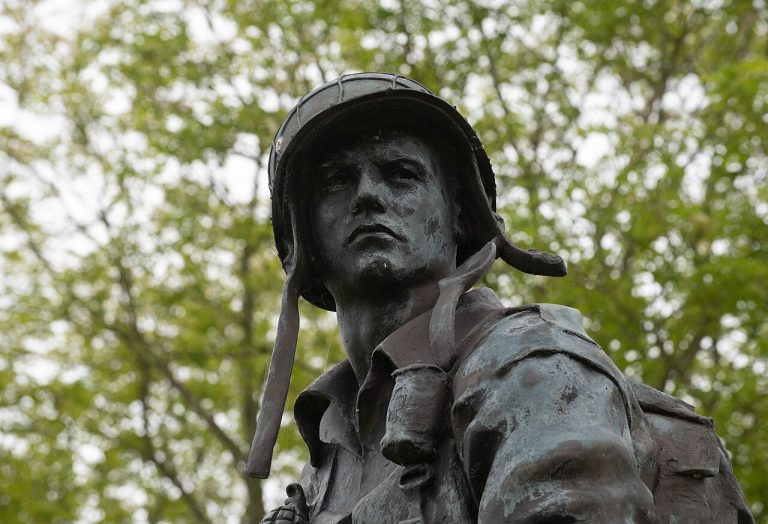
In a historic move, Sir George Dowty has been immortalized with a statue at the International Bomber Command Centre in Lincoln. This unveiling on 27 May 2026 marks him as the first individual to receive such an honor at the site, highlighting his crucial role in WWII aviation history.

Dowty, the mastermind behind the Lancaster bomber’s undercarriage, was celebrated not just for his engineering prowess but for his operational impact during the war. The ceremony, led by Air Chief Marshal Sir Michael Graydon, underscored Dowty’s legacy as a pivotal figure whose innovations ensured the RAF’s fleet remained operationally decisive.

The International Bomber Command Centre, a significant memorial venue, now hosts this statue as part of its broader mission to commemorate the sacrifices and contributions of those involved in Bomber Command operations. This initiative not only honors Dowty but also opens the door for further commemorations, including a planned statue of John Gillespie Magee Jr.

Sir George Dowty’s statue is more than a tribute; it’s a corrective to historical oversight. As Martin Robins of the Dowty Memorial Committee noted, Dowty’s work saved lives on a monumental scale, making this recognition long overdue. This unveiling is a step toward a more inclusive remembrance of all who contributed to the war effort.

This statue marks the beginning of a new chapter for the IBCC, integrating Dowty’s legacy into its narrative of remembrance. The site, already a hub for historical commemoration, now has a tangible symbol of Dowty’s enduring impact.

Earlier memorial-committee material said the first statue had already drawn “enormous worldwide interest” after its 2024 unveiling in Wiltshire, and a February 2026 committee report described active planning for the Lincoln installation, including support from IBCC chief executive Nicky van der Drift and the expectation that the Dowty statue would stand at the front of the site. On 27 May 2026, the unveiling ceremony took place in Lincoln, according to the event programme.

The February 2026 planning note said the Dowty statue would be followed by one of John Gillespie Magee Jr and added, “We understand that there will be no other statues,” which gives the Dowty unveiling added significance: it may be one of only two such individual monuments at the site. The most specific new detail in the latest reporting is the ceremony itself: the printed programme for 27 May 2026 says the unveiling was led by Air Chief Marshal Sir Michael Graydon, former head of the Royal Air Force, with Martin Robins, chair of the Sir George Dowty Memorial Committee, opening the event at the IBCC site on Canwick Avenue, Lincoln, LN4 2HQ.

The key new development is that Sir George Dowty’s statue was unveiled on Tuesday, 27 May 2026, at the International Bomber Command Centre in Lincoln, making him the first individual to be commemorated there with a statue and elevating a long-running campaign to honor the engineer behind the Lancaster bomber’s undercarriage into a formal national act of remembrance. In the months immediately preceding it, the memorial committee had finalized the siting and messaging for the statue at a 4 February 2026 meeting, while Dowty heritage material had been preparing supporters for a spring 2026 unveiling.

The central tension in the story is less a live political row than a debate over who gets remembered in Britain’s war memorial culture: frontline aircrew are publicly memorialized, but the ceremony material argues that the industrial engineer who kept aircraft serviceable had been comparatively overlooked for more than 50 years after his death. That same report said another future statue, of the poet and aviator John Gillespie Magee Jr, was planned later, suggesting Dowty’s installation may open the door to a broader sculptural programme at the centre.

What happens next is not a vote or court hearing but a question of how the IBCC expands the commemoration. The IBCC itself is not a minor venue: its own site describes it as a memorial and interpretation centre with a 31-metre, 102-foot spire weighing 73 tons, and says it records 67,500 Bomber Command deaths in its losses database while commemorating 125,000 volunteer aircrew and support personnel from 62 nations.

In the months immediately preceding it, the memorial committee had finalized the siting and messaging for the statue at a 4 February 2026 meeting, while Dowty heritage material had been preparing supporters for a spring 2026 unveiling. That same report said another future statue, of the poet and aviator John Gillespie Magee Jr, was planned later, suggesting Dowty’s installation may open the door to a broader sculptural programme at the centre.

The ceremony, led by Air Chief Marshal Sir Michael Graydon, underscored Dowty’s legacy as a pivotal figure whose innovations ensured the RAF’s fleet remained operationally decisive. The IBCC itself is not a minor venue: its own site describes it as a memorial and interpretation centre with a 31-metre, 102-foot spire weighing 73 tons, and says it records 67,500 Bomber Command deaths in its losses database while commemorating 125,000 volunteer aircrew and support personnel from 62 nations.

This is the first statue at the IBCC, marking a significant national act of remembrance. Dowty’s contributions were pivotal during WWII, with no aircraft delayed due to lack of his equipment.

The scale and speed of this development has caught many observers off guard. Each new update adds another dimension to a story that is still unfolding, and the full picture will only become clear as more verified details emerge from the people and institutions directly involved.

Analysts who have tracked this issue closely say the current moment represents a genuine turning point. The decisions made in the coming weeks are expected to set the direction for months ahead, with ripple effects likely to extend well beyond the immediate actors in the story.

For those directly affected, the practical impact is already visible. People navigating this fast-changing situation are dealing with real consequences while new information continues to reshape what is known and what remains open to interpretation.

Historical parallels offer some context, though experts caution against drawing too close a comparison. Similar situations have played out before, but the specific combination of pressures, personalities, and timing here makes this moment distinct in ways that matter for how it ultimately resolves.

The political and economic dimensions of this story are deeply intertwined. What appears as a single event on the surface is in practice the convergence of multiple pressures that have been building quietly over a longer period than most public reporting has captured.

Read more on Digital Chew