

62.3 F
San Francisco
Wednesday, July 1, 2026
Home Blog Page 91

Vietnam’s Experience Economy Surges With $1 Billion Impact From Global Visitors

Quick Summary: Vietnam’s Experience Economy Surges With $1 Billion Impact From Global Visitors

  • Vietnam’s live entertainment market exceeded $50 million in revenue, generating over $1 billion in economic impact from international visitors.
  • The Vietnam Exposition Center (VEC) is positioned as a core hub for global exhibitions and mega-events.
  • Vietnam’s MICE market is valued at $6 billion, with projected annual growth of 12%.
  • Vingroup aims to transform Vietnam into a major ‘experience economy’ hub, leveraging large-scale venues and events.
  • Vietnam is positioning itself to challenge established event centers like Singapore and Thailand.

Vietnam is not just opening a new venue; it’s launching an audacious bid to become Southeast Asia’s next major player in the ‘experience economy.’ With the Vietnam Exposition Center (VEC) at its heart, the country is setting the stage for a new era of global exhibitions and mega-events.

The VEC, a sprawling 900,000 square meter complex in Hanoi, is more than just a venue. It’s the centerpiece of a grand strategy to integrate Vietnam’s cultural industries, urban development, and tourism into a cohesive economic powerhouse. This isn’t just about hosting events; it’s about creating an immersive experience that attracts international visitors and boosts economic impact.

Vingroup, the driving force behind this initiative, is leveraging its vast ecosystem to support this vision. From hosting G-Dragon’s world tour to planning the 60,000-seat Blue Wave Theater, Vingroup is proving that Vietnam is ready to compete with established giants like Singapore and Thailand. The question now is whether this ambitious plan can translate into tangible success on the global stage.

Jason Yan of M Square Capital said Vietnam’s live entertainment market has already surpassed $50 million in revenue, with more than 700 large-scale events a year generating over $1 billion in economic impact from international visitors. It ties that launch to a May 8, 2026 ceremony for Vietnam’s “Exhibition, Event and Advertising Ecosystem,” presenting VEC not as a standalone venue but as the core of a wider commercial, tourism, and entertainment network.

The same report says Vietnam hosted more than 800 music events in 2025 and that music copyright revenues grew by 200 percent. The most important new development is the formal positioning of the Vietnam Exposition Center, or VEC, as the country’s flagship platform for global exhibitions and mega-events, in an article published May 29, 2026 and syndicated through Vietnam News from Media OutReach.

5 billion, with annual growth projected at roughly 12 percent. Geoff Dickinson, CEO of dmg events, said decisions by major corporations and political leaders to choose a destination “are never accidental,” but instead result from “deliberate” long-term planning.

Over the past seven days, the clearest timeline point in the reporting is the May 29, 2026 publication of the article itself, backed by references to the May 8 high-level conference and launch ceremony at VEC where this strategy was publicly framed. To support that claim, it highlights future-facing infrastructure, including the 135,000-seat Hùng Vương Stadium, the 60,000-seat PVF Stadium with a retractable roof, and the planned Blue Wave Theater in Ho Chi Minh City, which it says would become Southeast Asia’s largest theater.

The report says VEC spans 900,000 square meters in Cổ Loa, Hanoi, and describes the complex as one of Southeast Asia’s largest exposition sites. The piece also points to Vingroup’s role in bringing G-Dragon’s “Übermensch” World Tour to Vietnam under the 8Wonder brand as evidence it can land internationally visible entertainment events.

It ties that launch to a May 8, 2026 ceremony for Vietnam’s “Exhibition, Event and Advertising Ecosystem,” presenting VEC not as a standalone venue but as the core of a wider commercial, tourism, and entertainment network. Quick Summary: Vietnam’s Experience Economy Surges With $1 Billion Impact From Global Visitors Vietnam’s live entertainment market exceeded $50 million in revenue, generating over $1 billion in economic impact from international visitors.

The VEC, a sprawling 900,000 square meter complex in Hanoi, is more than just a venue. From hosting G-Dragon’s world tour to planning the 60,000-seat Blue Wave Theater, Vingroup is proving that Vietnam is ready to compete with established giants like Singapore and Thailand.

The scale and speed of this development has caught many observers off guard. Each new update adds another dimension to a story that is still unfolding, and the full picture will only become clear as more verified details emerge from the people and institutions directly involved.

Analysts who have tracked this issue closely say the current moment represents a genuine turning point. The decisions made in the coming weeks are expected to set the direction for months ahead, with ripple effects likely to extend well beyond the immediate actors in the story.

For those directly affected, the practical impact is already visible. People navigating this fast-changing situation are dealing with real consequences while new information continues to reshape what is known and what remains open to interpretation.

Historical parallels offer some context, though experts caution against drawing too close a comparison. Similar situations have played out before, but the specific combination of pressures, personalities, and timing here makes this moment distinct in ways that matter for how it ultimately resolves.

The political and economic dimensions of this story are deeply intertwined. What appears as a single event on the surface is in practice the convergence of multiple pressures that have been building quietly over a longer period than most public reporting has captured.

Read more on Digital Chew

General Gustavo González López’s Rise Signals Shift in Venezuela’s Political Landscape

0

Quick Summary: General Gustavo González López’s Rise Signals Shift in Venezuela’s Political Landscape

  • General Gustavo González López’s rise marks a shift in Venezuela’s political landscape, signaling a purge of Chavista holdouts.
  • The article ‘Bolivarian Twilight’ by Luis Bonilla-Molina details the ‘recolonization of Venezuela’ after Nicolás Maduro’s capture by US forces.
  • Washington is targeting Venezuela’s vast oil reserves, positioning it within a larger geopolitical contest over Chinese capital in Latin America.
  • Delcy Rodríguez’s alleged $500,000 Citgo donation to Trump’s inauguration suggests a long-standing pragmatic back channel.
  • Enrique Márquez’s low election performance highlights the fragmented and delegitimized opposition in Venezuela.

The political winds in Venezuela are shifting dramatically, with General Gustavo González López’s rise symbolizing a new era. This change is part of a broader purge of Chavista holdouts, as detailed in the groundbreaking report ‘Bolivarian Twilight’ by Luis Bonilla-Molina. Published by Phenomenal World, this report paints a vivid picture of the ‘recolonization of Venezuela’ following the capture of Nicolás Maduro by US forces on January 3, 2026.

Bonilla-Molina argues that the US is not just interested in regime change but in controlling Venezuela’s vast resources, including the world’s largest proven oil reserves. This geopolitical maneuvering is part of a larger contest over Chinese capital in Latin America, estimated at $650 billion by ECLAC. The report also uncovers surprising alliances, such as Delcy Rodríguez’s alleged $500,000 Citgo donation for Trump’s 2017 inauguration, hinting at a pragmatic back channel with the US.

Despite the dramatic external shocks, Venezuela’s opposition remains fragmented and delegitimized, as evidenced by Enrique Márquez’s dismal performance in the 2024 presidential election. The streets of Caracas, eerily calm after Maduro’s capture, reflect a nation exhausted by years of political turmoil and repression. This calm contrasts sharply with the mass uprisings of the past, suggesting a shift from Bolivarian mobilization to elite dealmaking.

As Venezuela navigates this new political landscape, the focus is on institutional, military, and economic changes rather than electoral transitions. The report highlights the roles of key figures like Delcy and Jorge Rodríguez in the post-Maduro realignment, while noting the absence of traditional Chavista power players. The question remains whether Venezuela is on the path to reconstruction, recolonization, or a volatile hybrid of both.

He also says General Gustavo González López was elevated as part of a purge of holdouts and that military officers once central to post-2002 Chavista rule have “practically disappeared” from official addresses. ” Outside reporting from January confirmed that Rubio was pitching exactly that sequence, while one contemporaneous account said Washington was looking to seize up to 50 million barrels of Venezuelan crude as leverage in the first stage.

The most newsworthy development is that “Bolivarian Twilight” is itself brand-new reporting, published by Phenomenal World in June 2026, and it stands out not as a routine Venezuela analysis but as a sweeping, highly specific account of what author Luis Bonilla-Molina calls the “recolonization of Venezuela” after the January 3, 2026 capture of Nicolás Maduro by US forces. Bonilla-Molina says Washington is targeting a country with the world’s largest proven oil reserves as well as gold, rare-earth deposits, and major biodiversity and water reserves, and he places this inside a larger geopolitical contest over Chinese capital in Latin America, which he says ECLAC estimated at roughly $650 billion.

One of the article’s more surprising details is its claim that Delcy Rodríguez helped drive a $500,000 Citgo donation for Donald Trump’s 2017 inaugural festivities, a detail Bonilla-Molina uses to suggest that a pragmatic back channel between Rodríguez and Trump-world may date back years. It points to inflation above 7 percent during an earlier phase of crisis, the 2009 banking scandal as a key turning point inside Chavismo, and the August 2025 start of a US blockade in the Southern Caribbean that allegedly weakened CELAC and ALBA before the January 3 operation.

It also notes that Enrique Márquez, now cast as a possible consensus figure, won less than 1 percent of the vote in the 2024 presidential election, which Bonilla-Molina uses to show how fragmented and delegitimized the opposition remains despite the dramatic external shock. Bonilla-Molina contrasts the “eerily calm” streets of Caracas after Maduro’s capture with the mass uprisings that followed the failed 2002 coup, suggesting that exhaustion, fragmentation, repression, and elite dealmaking have replaced the old dynamics of Bolivarian mobilization.

Bonilla-Molina writes that the decisive break began on January 3 and argues that the old Bolivarian order is being dismantled through institutional, military, and economic changes rather than through a classic electoral transition. He goes further, saying honors are now being bestowed in Miraflores on visiting US officials including CIA Director John Ratcliffe, Southern Command chief General Francis Denovan, and Energy Secretary Chris Wright, imagery meant to drive home his core claim that sovereignty itself is being hollowed out.

Published by Phenomenal World, this report paints a vivid picture of the ‘recolonization of Venezuela’ following the capture of Nicolás Maduro by US forces on January 3, 2026. The report also uncovers surprising alliances, such as Delcy Rodríguez’s alleged $500,000 Citgo donation for Trump’s 2017 inauguration, hinting at a pragmatic back channel with the US.

Despite the dramatic external shocks, Venezuela’s opposition remains fragmented and delegitimized, as evidenced by Enrique Márquez’s dismal performance in the 2024 presidential election. The most newsworthy development is that “Bolivarian Twilight” is itself brand-new reporting, published by Phenomenal World in June 2026, and it stands out not as a routine Venezuela analysis but as a sweeping, highly specific account of what author Luis Bonilla-Molina calls the “recolonization of Venezuela” after the January 3, 2026 capture of Nicolás Maduro by US forces.

Bonilla-Molina says Washington is targeting a country with the world’s largest proven oil reserves as well as gold, rare-earth deposits, and major biodiversity and water reserves, and he places this inside a larger geopolitical contest over Chinese capital in Latin America, which he says ECLAC estimated at roughly $650 billion. One of the article’s more surprising details is its claim that Delcy Rodríguez helped drive a $500,000 Citgo donation for Donald Trump’s 2017 inaugural festivities, a detail Bonilla-Molina uses to suggest that a pragmatic back channel between Rodríguez and Trump-world may date back years.

The scale and speed of this development has caught many observers off guard. Each new update adds another dimension to a story that is still unfolding, and the full picture will only become clear as more verified details emerge from the people and institutions directly involved.

Analysts who have tracked this issue closely say the current moment represents a genuine turning point. The decisions made in the coming weeks are expected to set the direction for months ahead, with ripple effects likely to extend well beyond the immediate actors in the story.

For those directly affected, the practical impact is already visible. People navigating this fast-changing situation are dealing with real consequences while new information continues to reshape what is known and what remains open to interpretation.

Historical parallels offer some context, though experts caution against drawing too close a comparison. Similar situations have played out before, but the specific combination of pressures, personalities, and timing here makes this moment distinct in ways that matter for how it ultimately resolves.

The political and economic dimensions of this story are deeply intertwined. What appears as a single event on the surface is in practice the convergence of multiple pressures that have been building quietly over a longer period than most public reporting has captured.
Read more on Digital Chew

Marblehead Softball Advances to Sweet 16 With Shutout Victory

Quick Summary: Marblehead Softball Advances to Sweet 16 With Shutout Victory

  • Marblehead softball finished the regular season 16-3, securing a high seed in the Division 2 tournament.
  • The team shut out Leominster 3-0 to advance to the Sweet 16, improving their record to 17-4.
  • Marblehead’s softball team was last year’s Division 2 state semifinalist, showcasing consistent performance.
  • The boys lacrosse team also made the tournament after a late-season surge, finishing 10-8.
  • Marblehead’s softball team is positioned as a strong contender for a deep tournament run.

Marblehead’s softball team has once again proven its mettle, advancing to the Sweet 16 after a commanding 3-0 victory over Leominster. This win not only marks a successful start to their postseason but also highlights their impressive 17-4 record. As last year’s Division 2 state semifinalists, the Magicians are no strangers to high-stakes competition, and their current performance suggests they are poised for another deep run.

The team’s regular season was a testament to their skill and determination, finishing with a 16-3 record that earned them a favorable seed in the tournament. Their ability to shut out opponents and maintain a strong defense has been a key factor in their success. Meanwhile, the boys lacrosse team also secured a spot in the tournament after a late-season turnaround, demonstrating the competitive spirit of Marblehead’s athletic programs.

Marblehead’s journey to the Sweet 16 is a story of strategic play and consistent performance. The softball team’s rise through the Division 2 power rankings is a clear indicator of their potential to challenge for the title. With their recent victory, they have set the stage for what could be an exciting continuation of their postseason campaign.

Marblehead Current reported on May 30, 2025 that the team had been just 5-5 one month into the season before going 5-2 in May to finish 10-8 and claim a Division 2 tournament berth. On May 27, 2025, the Current reported softball at 16-3 and emphasized that preliminary-round games would start Friday, May 30.

In the Current’s May 27, 2025 sports notebook, Marblehead was described as “moving steadily up the Division 2 power rankings” after finishing the regular season 16-3, a record that put the Magicians in line for a high seed as preliminary-round games were set to begin Friday, May 30. By May 31, the Current reported Marblehead had shut out Leominster 3-0 to reach the Sweet 16, with the team described as last year’s Division 2 state semifinalist and now 17-4.

That result effectively confirmed that the pre-Friday attention around softball was justified. The clearest development in the latest Marblehead Current reporting is softball’s rise into serious Division 2 contention.

That made softball the stronger immediate threat of the two teams, because it entered the bracket not merely qualified but positioned as a potential deep-run team after a season in which every additional win materially improved seeding and home-field prospects. The paper framed that stretch as a genuine rescue job: Marblehead “power[ed] through May to secure state tournament berth,” then learned on Wednesday, May 28 that it had drawn the No.

Softball’s 16-3 mark gave Marblehead one of the better records in its section, while boys lacrosse entered states at 10-8 after that 5-2 May push. In softball, by contrast, the Current’s follow-up reporting on May 31 showed just how real the Magicians’ chances were: they were identified as 17-4 and the No.

That result effectively confirmed that the pre-Friday attention around softball was justified. Quick Summary: Marblehead Softball Advance Sweet 16 Marblehead softball finished the regular season 16-3, securing a high seed in the Division 2 tournament.

The team shut out Leominster 3-0 to advance to the Sweet 16, improving their record to 17-4. Marblehead’s softball team was last year’s Division 2 state semifinalist, showcasing consistent performance.

Marblehead’s softball team has once again proven its mettle, advancing to the Sweet 16 after a commanding 3-0 victory over Leominster. As last year’s Division 2 state semifinalists, the Magicians are no strangers to high-stakes competition, and their current performance suggests they are poised for another deep run.

The scale and speed of this development has caught many observers off guard. Each new update adds another dimension to a story that is still unfolding, and the full picture will only become clear as more verified details emerge from the people and institutions directly involved.

Analysts who have tracked this issue closely say the current moment represents a genuine turning point. The decisions made in the coming weeks are expected to set the direction for months ahead, with ripple effects likely to extend well beyond the immediate actors in the story.

For those directly affected, the practical impact is already visible. People navigating this fast-changing situation are dealing with real consequences while new information continues to reshape what is known and what remains open to interpretation.

Historical parallels offer some context, though experts caution against drawing too close a comparison. Similar situations have played out before, but the specific combination of pressures, personalities, and timing here makes this moment distinct in ways that matter for how it ultimately resolves.

The political and economic dimensions of this story are deeply intertwined. What appears as a single event on the surface is in practice the convergence of multiple pressures that have been building quietly over a longer period than most public reporting has captured.

Read more on Digital Chew

Pakistan Revives Effort to Mediate US-Iran Nuclear Talks

0

Quick Summary: Pakistan Revives Effort to Mediate US-Iran Nuclear Talks

  • Pakistan’s army chief, Asim Munir, traveled to Tehran on May 22, signaling a renewed mediation effort between the U.S. and Iran.
  • Senator Marco Rubio noted ‘slight progress’ in the talks, while President Trump declared the deal ‘largely negotiated.’.
  • Pakistan’s credibility faced scrutiny from U.S. political figures, yet Trump backed Islamabad’s mediation efforts.
  • Reports indicate ongoing negotiations are tied to the strategic Strait of Hormuz, impacting U.S. energy prices.
  • Iran’s refusal to send near-weapons-grade uranium abroad remains a significant obstacle in the negotiations.

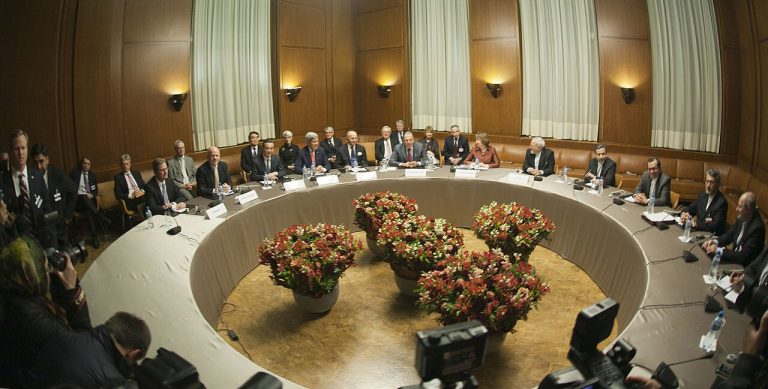
Pakistan has unexpectedly found itself at the center of a high-stakes diplomatic effort to mediate a fragile ceasefire between the United States and Iran. Asim Munir, Pakistan’s army chief, has embarked on a crucial mission to Tehran, aiming to bridge the gap between Washington and Tehran.

The stakes are high, with the potential for a U.S.-Iran deal that could stabilize a volatile region and impact global energy markets. Despite skepticism from figures like Lindsey Graham, who questioned Pakistan’s trustworthiness, President Trump has thrown his support behind Islamabad’s mediation efforts, highlighting the complex dynamics at play.

The negotiations are not just about diplomacy but also about strategic interests, particularly concerning the Strait of Hormuz, a vital energy chokepoint. The talks have been intense, with Iran’s stance on uranium enrichment posing a significant challenge. The outcome of these talks could redefine Pakistan’s role on the global stage, either solidifying its position as a key mediator or exposing it to further scrutiny.

Just days before this latest mediation push, Pakistan’s credibility was under attack from Trump ally Lindsey Graham, who publicly said, “I don’t trust Pakistan,” after reports that Iranian aircraft may have been parked at a Pakistani air base after the April 8 ceasefire. ” On May 22, Rubio said there had been “slight progress” as Munir traveled to Tehran.

On May 24, Axios reported Trump was also pushing Muslim-majority states to think beyond a ceasefire toward broader regional normalization. ” Axios reported Munir’s trip signaled a possible “final push,” while AP said the visit came amid deep uncertainty over whether the war would resume if diplomacy failed.

Al Jazeera reported Graham called for “a complete reevaluation” of Pakistan’s role, while Trump nevertheless backed Islamabad as mediator. , Iran, and Pakistan all reported progress, and Trump said he had spoken with leaders from Saudi Arabia, the UAE, Qatar, Pakistan, Turkey, Egypt, Jordan, and Bahrain as part of the effort.

Reuters reporting highlighted a major substantive sticking point: two senior Iranian sources said Supreme Leader Ayatollah Mojtaba Khamenei had directed that Iran’s near-weapons-grade uranium should not be sent abroad. If there is a breakthrough, Pakistan will be able to claim it converted diplomatic access into strategic relevance.

If talks stall or collapse, the backlash in Washington against Islamabad’s mediator role will almost certainly intensify, and Graham’s warning may become the opening argument in a broader political effort to cut Pakistan out. -Iran talks in Islamabad at 21 hours without a breakthrough in April.

The scale and speed of this development has caught many observers off guard. Each new update adds another dimension to a story that is still unfolding, and the full picture will only become clear as more verified details emerge from the people and institutions directly involved.

Analysts who have tracked this issue closely say the current moment represents a genuine turning point. The decisions made in the coming weeks are expected to set the direction for months ahead, with ripple effects likely to extend well beyond the immediate actors in the story.

For those directly affected, the practical impact is already visible. People navigating this fast-changing situation are dealing with real consequences while new information continues to reshape what is known and what remains open to interpretation.

Historical parallels offer some context, though experts caution against drawing too close a comparison. Similar situations have played out before, but the specific combination of pressures, personalities, and timing here makes this moment distinct in ways that matter for how it ultimately resolves.

The political and economic dimensions of this story are deeply intertwined. What appears as a single event on the surface is in practice the convergence of multiple pressures that have been building quietly over a longer period than most public reporting has captured.
Read more on Digital Chew

Florence Township Officials Canceled Carnival Shutdown After Fights and Arrests

0

Quick Summary: Florence Township Officials Canceled Carnival Shutdown After Fights and Arrests

  • Florence Township officials canceled the Roebling Carnival after multiple fights and arrests on opening night.
  • Five individuals, including four teenagers, were arrested, prompting safety concerns.
  • An officer was injured during the disturbances, highlighting the event’s volatility.
  • Authorities decided the risk of recurrence was too high to continue the carnival.
  • Broader regional issues with carnival safety and youth disturbances are emerging.

The abrupt cancellation of the Roebling Carnival after its opening night has ignited a fierce debate on public safety and community events. Florence Township officials made the decisive call to shut down the event after multiple fights broke out, resulting in five arrests and an officer injury. This decision underscores a growing concern over the safety of public gatherings, especially when youth disturbances are involved.

On the carnival’s first night, chaos erupted as several fights broke out, leading to the arrest of four teenagers and one adult. The swift response from law enforcement, including the injury of an officer, highlighted the potential dangers of continuing the event. Officials, seeing the risk of recurrence as too high, opted to cancel the remaining days of the carnival, prioritizing public safety over tradition.

This incident is not isolated. Across South Jersey, similar events have faced disruptions due to youth-related disturbances. Organizers have been forced to implement stricter controls, such as reduced hours and increased security measures, to maintain order. The Roebling Carnival’s shutdown is the latest in a series of events highlighting the challenges of balancing community enjoyment with safety concerns.

As the investigation into the Roebling incident continues, with more charges potentially on the horizon, the broader conversation about public safety at community events intensifies. The decisions made in response to these disturbances will likely shape the future of such gatherings, with implications reaching far beyond Burlington County.

The key new development is that Florence Township officials scrapped the entire remainder of the Roebling Carnival less than 24 hours after opening night, after police say multiple fights broke out, five people were arrested, and an officer was injured trying to restore order. NBC10 identified the group even more specifically as two 14-year-old girls, one 16-year-old girl, one 15-year-old, and one 20-year-old, all processed at Florence Township Police Department and released with court dates.

CBS identified Tom Ignudo and Kerri Corrado as the reporters who obtained the latest details, while NBC10’s Emily Rose Grassi confirmed the same core facts from Florence Township Police. Court dates have already been scheduled for those arrested, according to NBC10, and CBS reported the case remains open.

NBC10 reported bluntly that “because of the unruly behavior on the carnival’s opening night, township leadership decided to cancel the rest of the dates for this year’s Roebling Carnival,” suggesting authorities saw the risk of recurrence as too high to continue. Police said “people became unruly,” several fights erupted, and the fallout was immediate: five arrests, including four teenagers, with the investigation still active and “additional charges” expected.

CBS Philadelphia’s latest report says the carnival in Roebling, Burlington County, opened on Wednesday, May 27, 2026, and had been scheduled to run through Saturday, but township officials canceled all remaining dates on Thursday, May 28. According to CBS and NBC10, the five people arrested included four teens between ages 14 and 16 and one 20-year-old adult.

CBS reported that a 14-year-old girl also faces obstruction and failure-to-disperse charges, while a 16-year-old girl was additionally charged with resisting arrest. Retired police sergeant Corey Jones told NBC10, “You have to have channelization, single point in, single point out.

NBC10 identified the group even more specifically as two 14-year-old girls, one 16-year-old girl, one 15-year-old, and one 20-year-old, all processed at Florence Township Police Department and released with court dates. Court dates have already been scheduled for those arrested, according to NBC10, and CBS reported the case remains open.

The swift response from law enforcement, including the injury of an officer, highlighted the potential dangers of continuing the event. CBS Philadelphia’s latest report says the carnival in Roebling, Burlington County, opened on Wednesday, May 27, 2026, and had been scheduled to run through Saturday, but township officials canceled all remaining dates on Thursday, May 28.

According to CBS and NBC10, the five people arrested included four teens between ages 14 and 16 and one 20-year-old adult. CBS reported that a 14-year-old girl also faces obstruction and failure-to-disperse charges, while a 16-year-old girl was additionally charged with resisting arrest.

Retired police sergeant Corey Jones told NBC10, “You have to have channelization, single point in, single point out. Five individuals, including four teenagers, were arrested, prompting safety concerns.

The scale and speed of this development has caught many observers off guard. Each new update adds another dimension to a story that is still unfolding, and the full picture will only become clear as more verified details emerge from the people and institutions directly involved.

Analysts who have tracked this issue closely say the current moment represents a genuine turning point. The decisions made in the coming weeks are expected to set the direction for months ahead, with ripple effects likely to extend well beyond the immediate actors in the story.

For those directly affected, the practical impact is already visible. People navigating this fast-changing situation are dealing with real consequences while new information continues to reshape what is known and what remains open to interpretation.

Historical parallels offer some context, though experts caution against drawing too close a comparison. Similar situations have played out before, but the specific combination of pressures, personalities, and timing here makes this moment distinct in ways that matter for how it ultimately resolves.

The political and economic dimensions of this story are deeply intertwined. What appears as a single event on the surface is in practice the convergence of multiple pressures that have been building quietly over a longer period than most public reporting has captured.

Read more on Digital Chew

Judge Allows Trump Voter List Order to Move Forward

Quick Summary: Judge Allows Trump Voter List Order to Move Forward

  • A federal judge allowed Trump’s voter list order to proceed, citing premature legal challenges.
  • Democrats argue the order could disenfranchise millions, impacting the 2026 midterms.
  • Judge Carl Nichols noted the lack of immediate harm as no voter lists or postal rules are finalized.
  • The order directs federal agencies to compile citizenship lists for election officials.
  • Trump’s administration claims no harm has occurred as no actions have yet been implemented.

In a contentious decision, a federal judge has allowed former President Donald Trump’s executive order on voter lists to move forward, despite significant opposition. Judge Carl Nichols, a Trump appointee, ruled that the legal challenge was premature, as the administration has not yet finalized the controversial voter lists or postal rules that could potentially disenfranchise voters.

This decision has sparked outrage among Democrats and civil rights groups, who argue that the order could lead to the disenfranchisement of millions of voters ahead of the 2026 midterms. The order mandates federal agencies to compile citizenship lists and share them with state election officials, raising concerns about the accuracy and fairness of such lists.

The ruling highlights a critical battle over who controls election rules—federal agencies or state governments. While Nichols did not endorse the legality of Trump’s order, he emphasized that no immediate harm has been done since no final agency actions have been taken. This leaves the door open for future legal challenges once the policy is implemented.

As the political landscape braces for potential changes, states like California are already taking measures to protect voter data from federal overreach. The controversy underscores the ongoing tension between federal authority and state rights in election administration.

Reuters reported Democrats argued that the move could disenfranchise “millions of voters,” while AP described it as clearing the way for “potential sweeping changes” in election administration ahead of the 2026 midterms. Multiple reports note that Trump has repeatedly claimed, without evidence, that mail voting is riddled with fraud, even though audits and investigations after the 2020 election found no widespread fraud.

In a related sign of how seriously Democratic officials are treating the threat, California Governor Gavin Newsom signed legislation on Wednesday, May 27, that took effect immediately and bars anyone, including federal agents, from accessing voter rolls or election technology without a court order. The timing is politically explosive because the ruling landed just months before the 2026 midterms, but AP’s latest reporting stresses there is “no immediate effect on the midterms” because the order still has to be translated into actual agency action before election procedures change.

The ruling, issued late Wednesday, May 27, and reported widely on Thursday, May 28, means Trump’s March 31 executive order can keep moving forward for now even though the judge acknowledged the Postal Service “may ultimately issue a final rule” affecting voters and the government may create state citizenship lists that omit eligible people. ” On the other side, the Trump administration argued no one has yet been injured because no flawed citizenship list has been issued and no new Postal Service restrictions are in force.

The controversy is especially sharp because the order targets mail voting, one of Trump’s longest-running grievances since his 2020 loss. Nichols left the door open to renewed litigation once DHS, SSA, or USPS take concrete steps, and AP reported that a separate lawsuit over the same executive order is already underway in Boston.

If any of those happen in the coming days or weeks, opponents are likely to race back into court with a stronger claim that actual voters, not just political parties, face imminent harm. The central fight is over who controls election rules: the president and federal agencies, or the states and Congress.

Trump’s administration claims no harm has occurred as no actions have yet been implemented. While Nichols did not endorse the legality of Trump’s order, he emphasized that no immediate harm has been done since no final agency actions have been taken.

As the political landscape braces for potential changes, states like California are already taking measures to protect voter data from federal overreach. ” On the other side, the Trump administration argued no one has yet been injured because no flawed citizenship list has been issued and no new Postal Service restrictions are in force.

In a contentious decision, a federal judge has allowed former President Donald Trump’s executive order on voter lists to move forward, despite significant opposition. The central fight is over who controls election rules: the president and federal agencies, or the states and Congress.

The scale and speed of this development has caught many observers off guard. Each new update adds another dimension to a story that is still unfolding, and the full picture will only become clear as more verified details emerge from the people and institutions directly involved.

Analysts who have tracked this issue closely say the current moment represents a genuine turning point. The decisions made in the coming weeks are expected to set the direction for months ahead, with ripple effects likely to extend well beyond the immediate actors in the story.

For those directly affected, the practical impact is already visible. People navigating this fast-changing situation are dealing with real consequences while new information continues to reshape what is known and what remains open to interpretation.

Historical parallels offer some context, though experts caution against drawing too close a comparison. Similar situations have played out before, but the specific combination of pressures, personalities, and timing here makes this moment distinct in ways that matter for how it ultimately resolves.

The political and economic dimensions of this story are deeply intertwined. What appears as a single event on the surface is in practice the convergence of multiple pressures that have been building quietly over a longer period than most public reporting has captured.
Read more on Digital Chew

Microsoft Leads B2B Brands With 15% Growth and Surpassing B2C

0

Quick Summary: Microsoft Leads B2B Brands With 15% Growth and Surpassing B2C

  • Top 100 B2B brands grew 15%, surpassing B2C’s 10% growth, highlighting brand strength as a value source.
  • New research shows B2B brands with strong brand strength command a 65% premium in valuation.
  • Microsoft, NVIDIA, and Amazon are the top B2B brands, with Microsoft valued at $344.2 billion.
  • Brand strength is reframed as a financial asset, not just a marketing expense.
  • CMOs are urged to translate brand investment into financial terms for the C-suite.

In the world of business, brand strength is no longer just a marketing buzzword—it’s a financial powerhouse. Recent research from Brand Finance, the ANA, and the IAA reveals that B2B brands with robust brand strength enjoy a 65% premium in valuation compared to their weaker counterparts. This revelation is a game-changer, challenging the notion that brand investment is merely a discretionary expense.

The report, published by LBBOnline, highlights that the top 100 B2B brands have outpaced their B2C peers, growing by 15% compared to 10%. This growth underscores the increasing value of brand strength in business markets. Companies like Microsoft, NVIDIA, and Amazon lead the pack, with Microsoft’s brand valued at a staggering $344.2 billion.

Dagmara Szulce of the ANA emphasizes that the conversation around brand investment must evolve. She argues that brand strength should be seen as a strategic enterprise asset, contributing to enterprise value, risk mitigation, and pricing power. In today’s complex B2B environment, where decisions are driven by reputation and trust, strong brands reduce uncertainty and enhance buyer confidence.

The implications of this report are profound. CMOs now have concrete evidence to present in budget discussions, demonstrating that brand investment is not just about awareness but about creating measurable financial value. As economic uncertainty looms, the ability to articulate brand value in financial terms will be crucial for securing budgets and driving long-term growth.

According to the article, the top 100 B2B brands grew 15% versus 10% for their B2C counterparts, suggesting that brand strength in business markets is not merely defensive but increasingly a faster-growing source of value. On timeline, this appears to be a same-week development rather than a rolling saga: LBBOnline published the piece on May 28, 2026, presenting the report as newly released and positioning it as immediate ammunition for current planning and boardroom discussions.

LBBOnline reports that the study analyzed more than 600 publicly traded B2B companies, and that the top 300 B2B brands together account for roughly $4 trillion in brand value. The freshest and most consequential development in LBBOnline’s May 28, 2026 report is that new research from Brand Finance, the ANA, and the IAA claims B2B brands with stronger brand strength command a 65% premium in forward price-to-earnings ratios and more than 45% higher EBIT multiples than B-rated peers, reframing brand not as a soft marketing expense but as a measurable financial asset.

“It needs to shift toward enterprise value, risk mitigation, customer lifetime value, pricing power, talent attraction, and long-term shareholder confidence,” she said, arguing that awareness and impressions alone no longer win the budget conversation. The central conflict is between CMOs who have long argued that brand investment creates enterprise value and CFOs who often treat it as discretionary spend vulnerable to cuts.

The debate is especially sharp because the report pushes back on a deeply embedded finance assumption: that B2B purchasing is mostly rational and procurement-led. ” That is the standout twist in the reporting: the article argues that even in B2B, where spreadsheets are supposed to rule, trust and reputation still materially change valuation and buying behavior.

The most newsworthy number beyond valuation is the growth gap between B2B and B2C brands. That is the core revelation driving the story: the report says the market literally values the same profits more highly when they come from a stronger brand.

The report, published by LBBOnline, highlights that the top 100 B2B brands have outpaced their B2C peers, growing by 15% compared to 10%. According to the article, the top 100 B2B brands grew 15% versus 10% for their B2C counterparts, suggesting that brand strength in business markets is not merely defensive but increasingly a faster-growing source of value.

On timeline, this appears to be a same-week development rather than a rolling saga: LBBOnline published the piece on May 28, 2026, presenting the report as newly released and positioning it as immediate ammunition for current planning and boardroom discussions. Quick Summary: Microsoft Leads B2B Brands With 15% Growth and Surpassing B2C Top 100 B2B brands grew 15%, surpassing B2C’s 10% growth, highlighting brand strength as a value source.

Recent research from Brand Finance, the ANA, and the IAA reveals that B2B brands with robust brand strength enjoy a 65% premium in valuation compared to their weaker counterparts. The freshest and most consequential development in LBBOnline’s May 28, 2026 report is that new research from Brand Finance, the ANA, and the IAA claims B2B brands with stronger brand strength command a 65% premium in forward price-to-earnings ratios and more than 45% higher EBIT multiples than B-rated peers, reframing brand not as a soft marketing expense but as a measurable financial asset.

” That is the standout twist in the reporting: the article argues that even in B2B, where spreadsheets are supposed to rule, trust and reputation still materially change valuation and buying behavior. Brand strength is reframed as a financial asset, not just a marketing expense.

The scale and speed of this development has caught many observers off guard. Each new update adds another dimension to a story that is still unfolding, and the full picture will only become clear as more verified details emerge from the people and institutions directly involved.

Analysts who have tracked this issue closely say the current moment represents a genuine turning point. The decisions made in the coming weeks are expected to set the direction for months ahead, with ripple effects likely to extend well beyond the immediate actors in the story.

For those directly affected, the practical impact is already visible. People navigating this fast-changing situation are dealing with real consequences while new information continues to reshape what is known and what remains open to interpretation.

Historical parallels offer some context, though experts caution against drawing too close a comparison. Similar situations have played out before, but the specific combination of pressures, personalities, and timing here makes this moment distinct in ways that matter for how it ultimately resolves.

The political and economic dimensions of this story are deeply intertwined. What appears as a single event on the surface is in practice the convergence of multiple pressures that have been building quietly over a longer period than most public reporting has captured.

Read more on Digital Chew

Joshua Thompson Pleads Guilty to Ex-Girlfriend’s Murder, Gets 45-Year Sentence

0

Quick Summary: Joshua Thompson Pleads Guilty to Ex-Girlfriend’s Murder, Gets 45-Year Sentence

  • Joshua Thompson, 25, pled guilty to the murder of his ex-girlfriend Kaitlyn Lee, avoiding trial with a 45-year sentence.
  • The case was notable for evidence captured on a TikTok video, showing the moments before the shooting.
  • Thompson confessed to the crime in a 911 call, admitting to violating a no-contact order.
  • Lee’s family expressed anger and grief, highlighting the failure of legal protections.
  • The plea deal underscores systemic issues in handling domestic violence cases.

In a tragic yet telling turn of events, Joshua Thompson’s guilty plea in the murder of his ex-girlfriend Kaitlyn Lee has spotlighted the systemic failures in addressing domestic violence. Thompson, a 25-year-old from New Albany, has accepted a 45-year prison sentence, foregoing a trial that could have prolonged the anguish for Lee’s family.

What makes this case particularly harrowing is the evidence—a TikTok video capturing the moments before the shooting. This digital witness, coupled with Thompson’s own 911 confession, paints a chilling picture of a crime that unfolded despite existing legal protections. Thompson was under a no-contact order when he shot Lee, a stark reminder of how such orders often fail to prevent tragedy.

The narrative here is not just about a single act of violence but about the broader failure of a system meant to protect victims. Lee’s family has been vocal about their grief and frustration, pointing to the inadequacy of legal measures that were supposed to keep her safe. This case should serve as a wake-up call for policymakers and law enforcement to reevaluate and strengthen domestic violence protections.

As the legal proceedings wrap up, the focus must shift to preventing future tragedies. The convergence of digital evidence, confessions, and legal oversights in this case should prompt a serious discussion on how to better protect those at risk of domestic violence. The justice system must learn from these failures to ensure that no more lives are lost due to preventable violence.

Indiana court records cited by WDRB show Thompson had been charged on April 17, 2024 with felony domestic battery committed in the presence of a child under 16, and a no-contact order was issued roughly three weeks later. I found WDRB’s May 8 report laying out the expected guilty plea and 45-year sentence, along with its August 2024 reporting on the killing and court affidavit; I did not find a newer accessible WDRB article in the live search confirming the post-hearing outcome beyond that expected plea setting.

WDRB’s most current reporting says Thompson, who had originally pleaded not guilty, was expected to plead guilty to murder at a hearing scheduled for May 28, 2026. The proposed agreement would lock in a 45-year sentence for Lee’s killing, a major turn in a case that had been headed toward trial after his initial court appearance in August 2024.

The conflict driving the story is not really about who fired the shot; it is about a domestic-violence killing that, according to family and court records, appears to have happened despite prior warning signs and a court order. On May 8, 2026, WDRB reported that Thompson was expected to change his plea and accept the 45-year agreement.

The key next step was the May 28, 2026 plea hearing, where the court was expected to formalize that deal. The biggest new development is that Joshua Thompson, the 25-year-old New Albany man charged in the August 10, 2024 killing of his ex-girlfriend Kaitlyn Lee, was set to resolve the case with a guilty plea carrying a 45-year prison sentence instead of going to trial.

The most striking detail in the case remains the evidence described by investigators: police said Lee, 25, was inside a home in the 130 block of Village Drive in New Albany making a TikTok video with a friend when the shooting happened. ” Police recovered the gun outside the broken window along with a single spent shell casing, according to the affidavit.

I found WDRB’s May 8 report laying out the expected guilty plea and 45-year sentence, along with its August 2024 reporting on the killing and court affidavit; I did not find a newer accessible WDRB article in the live search confirming the post-hearing outcome beyond that expected plea setting. WDRB’s most current reporting says Thompson, who had originally pleaded not guilty, was expected to plead guilty to murder at a hearing scheduled for May 28, 2026.

The proposed agreement would lock in a 45-year sentence for Lee’s killing, a major turn in a case that had been headed toward trial after his initial court appearance in August 2024. On May 8, 2026, WDRB reported that Thompson was expected to change his plea and accept the 45-year agreement.

The convergence of digital evidence, confessions, and legal oversights in this case should prompt a serious discussion on how to better protect those at risk of domestic violence. Quick Summary: Joshua Thompson Pled Guilty Year Sentence Joshua Thompson, 25, pled guilty to the murder of his ex-girlfriend Kaitlyn Lee, avoiding trial with a 45-year sentence.

Thompson confessed to the crime in a 911 call, admitting to violating a no-contact order. Thompson, a 25-year-old from New Albany, has accepted a 45-year prison sentence, foregoing a trial that could have prolonged the anguish for Lee’s family.

The scale and speed of this development has caught many observers off guard. Each new update adds another dimension to a story that is still unfolding, and the full picture will only become clear as more verified details emerge from the people and institutions directly involved.

Analysts who have tracked this issue closely say the current moment represents a genuine turning point. The decisions made in the coming weeks are expected to set the direction for months ahead, with ripple effects likely to extend well beyond the immediate actors in the story.

For those directly affected, the practical impact is already visible. People navigating this fast-changing situation are dealing with real consequences while new information continues to reshape what is known and what remains open to interpretation.

Historical parallels offer some context, though experts caution against drawing too close a comparison. Similar situations have played out before, but the specific combination of pressures, personalities, and timing here makes this moment distinct in ways that matter for how it ultimately resolves.

The political and economic dimensions of this story are deeply intertwined. What appears as a single event on the surface is in practice the convergence of multiple pressures that have been building quietly over a longer period than most public reporting has captured.

Read more on Digital Chew

FDA Blocks COVID Vaccine Safety Studies Amid Senate Scrutiny

Quick Summary: FDA Blocks COVID Vaccine Safety Studies Amid Senate Scrutiny

  • FDA blocked studies supporting COVID vaccine safety, citing concerns about conclusions.
  • Senate hearing led by Ron Johnson scrutinizes Biden-era health officials over vaccine safety signals.
  • Democrats argue Republicans are distorting evidence to fit an anti-vaccine narrative.
  • Trump administration accused of blocking publication of favorable vaccine safety studies.
  • Senate hearing features testimonies from vaccine skeptics and COVID survivors.

The Senate is embroiled in a heated debate over COVID vaccine safety, with accusations flying about the FDA’s decision to block studies supporting vaccine safety. This controversy comes amid a Senate hearing led by Ron Johnson, which claims Biden-era health officials ignored early warning signs about vaccine risks.

The FDA’s move to block these studies has added fuel to the fire, with Republicans alleging a cover-up and Democrats countering that the evidence is being twisted to serve an anti-vaccine agenda. The hearing has spotlighted testimonies from both vaccine skeptics and COVID survivors, intensifying the debate.

Adding another layer to the controversy, the Trump administration is accused of blocking studies that supported the safety of vaccines, providing Democrats with a counter-narrative. This clash is not just about vaccine safety but also about who controls the narrative on scientific legitimacy within the government.

As the Senate hearing continues, the focus remains on uncovering the truth behind the FDA’s actions and the broader implications for public trust in vaccine safety. The outcome of this debate could have significant ramifications for future public health policies and the credibility of federal health agencies.

Reuters also reported that the administration had already moved to wind down nearly $500 million in mRNA vaccine development, canceling 22 federal BARDA projects. Reuters reported on May 5, 2026 that FDA officials had blocked publication of several studies supporting the safety of COVID and shingles vaccines, with HHS spokesman Andrew Nixon saying the studies were pulled over concerns about their conclusions.

The immediate hook in the latest reporting is timing: The Economic Times published its video report on May 28, 2026, saying the Senate Permanent Subcommittee on Investigations was holding a “high-stakes hearing on alleged COVID-19 vaccine injuries and safety concerns,” and tying it to an interim Senate report alleging inaction by Biden administration health officials. The panel’s earlier hearing on April 29 featured David Wiseman of Synechion, Karl Jablonowski of Children’s Health Defense, and COVID survivor Maria Young, while a 2025 precursor hearing on similar claims included Peter McCullough, Jordan Vaughn, James Thorp, Joel Wallskog of React19, attorney Aaron Siri, and Hawaii Governor Josh Green.

The most striking twist in this week’s reporting is that the vaccine fight is now colliding with a separate accusation from the Trump administration that regulators blocked publication of studies supporting vaccine safety. ” He pointed to Maria Young’s case as a reminder of disease severity, saying she spent “close to 70 days in intensive care” after contracting COVID-19 in October 2020, before vaccines were available.

The May 28 Economic Times piece identifies the hearing as a PSI event chaired by Senator Ron Johnson. The central conflict is not simply whether side effects existed, but whether the government honestly handled the evidence.

Richard Blumenthal, the subcommittee’s top Democrat, said the Republican report “cherry picks emails and misconstrues an internal debate between scientists” and flatly rejected the cover-up claim, saying, “They were not ignored. What makes this story stand out right now is that it is no longer just a medical-safety dispute; it has become a power struggle over who gets to define scientific legitimacy inside government.

Reuters reported on May 5, 2026 that FDA officials had blocked publication of several studies supporting the safety of COVID and shingles vaccines, with HHS spokesman Andrew Nixon saying the studies were pulled over concerns about their conclusions. The immediate hook in the latest reporting is timing: The Economic Times published its video report on May 28, 2026, saying the Senate Permanent Subcommittee on Investigations was holding a “high-stakes hearing on alleged COVID-19 vaccine injuries and safety concerns,” and tying it to an interim Senate report alleging inaction by Biden administration health officials.

The panel’s earlier hearing on April 29 featured David Wiseman of Synechion, Karl Jablonowski of Children’s Health Defense, and COVID survivor Maria Young, while a 2025 precursor hearing on similar claims included Peter McCullough, Jordan Vaughn, James Thorp, Joel Wallskog of React19, attorney Aaron Siri, and Hawaii Governor Josh Green. Quick Summary: FDA Blocks COVID Vaccine Safety Studies Amid Senate Scrutiny FDA blocked studies supporting COVID vaccine safety, citing concerns about conclusions.

Senate hearing led by Ron Johnson scrutinizes Biden-era health officials over vaccine safety signals. The FDA’s move to block these studies has added fuel to the fire, with Republicans alleging a cover-up and Democrats countering that the evidence is being twisted to serve an anti-vaccine agenda.

Adding another layer to the controversy, the Trump administration is accused of blocking studies that supported the safety of vaccines, providing Democrats with a counter-narrative. As the Senate hearing continues, the focus remains on uncovering the truth behind the FDA’s actions and the broader implications for public trust in vaccine safety.

The scale and speed of this development has caught many observers off guard. Each new update adds another dimension to a story that is still unfolding, and the full picture will only become clear as more verified details emerge from the people and institutions directly involved.

Analysts who have tracked this issue closely say the current moment represents a genuine turning point. The decisions made in the coming weeks are expected to set the direction for months ahead, with ripple effects likely to extend well beyond the immediate actors in the story.

For those directly affected, the practical impact is already visible. People navigating this fast-changing situation are dealing with real consequences while new information continues to reshape what is known and what remains open to interpretation.

Historical parallels offer some context, though experts caution against drawing too close a comparison. Similar situations have played out before, but the specific combination of pressures, personalities, and timing here makes this moment distinct in ways that matter for how it ultimately resolves.

The political and economic dimensions of this story are deeply intertwined. What appears as a single event on the surface is in practice the convergence of multiple pressures that have been building quietly over a longer period than most public reporting has captured.

Read more on Digital Chew

Flávio Bolsonaro Claims U.s. Labels PCC and Comando Vermelho as Terrorist Groups

0

Quick Summary: Flávio Bolsonaro Claims U.s. Labels PCC and Comando Vermelho as Terrorist Groups

  • Flávio Bolsonaro claims credit for U.S. decision to label PCC and Comando Vermelho as terrorist groups, aiming to boost his political standing.
  • The U.S. measure is set to take effect on June 5, 2026, providing Flávio with a tangible date to showcase his influence.
  • Lula’s administration is cautious, analyzing potential economic and diplomatic repercussions before responding publicly.
  • Critics argue Flávio’s move may invite foreign policy challenges amidst Brazil’s presidential pre-campaign.
  • The decision has sparked debate in Brasília, with some seeing it as a distraction from the ongoing ‘Dark Horse’ scandal.

Flávio Bolsonaro is attempting to turn a U.S. decision into a political lifeline, claiming his diplomatic efforts led to the classification of Brazil’s PCC and Comando Vermelho as terrorist organizations. This move, he argues, demonstrates his international clout and ability to tackle organized crime.

The U.S. measure, expected to take effect on June 5, 2026, is being touted by Flávio as proof of his influence. However, the Brazilian government’s initial response has been cautious, focusing on the potential economic and diplomatic fallout rather than engaging in rhetoric.

Critics suggest that Flávio’s actions could complicate Brazil’s foreign relations and economic interests, particularly as the nation approaches a presidential pre-campaign. The ongoing ‘Dark Horse’ scandal, involving allegations of financial misconduct linked to a film about Jair Bolsonaro, remains a significant political issue.

As Flávio shifts the narrative to public security and sovereignty, the question remains whether this maneuver will effectively redirect attention from the ‘Dark Horse’ controversy or merely serve as a temporary diversion. The coming weeks will reveal if Lula’s administration can counter this strategy or if Flávio’s gamble will reshape the political landscape.

In a video published on Thursday, May 28, Flávio said, “At the request of President Donald Trump, Marco Rubio quickly responded to my request,” and added, “From 2027, we will free you. measure is expected to take effect on June 5, 2026, giving him a concrete date to point to as proof of influence.

6 million in amendments tied to entities connected to the production, and the case has remained politically toxic because it feeds a broader narrative of favoritism, money flows and campaign-image management. The most important new development in the latest reporting is that the Brazilian senator publicly claimed the Trump administration’s decision to classify the PCC and Comando Vermelho as terrorist or “narco-terrorist” organizations was a direct result of his own diplomacy in Washington, and he immediately tried to cash it in politically.

According to the latest account, Lula was informed on the night of Thursday, May 28, by two aides from the international area and immediately ordered an analysis of the economic fallout, along with a diplomatic assessment from Itamaraty, before making any public statement. ” The government’s first reaction was notably cautious and economic rather than rhetorical.

” That quote captures the government’s line of attack: not simply that Flávio is grandstanding, but that he may have invited a foreign policy and market problem into the middle of a presidential pre-campaign. trip and a photo-op with Trump to reset the conversation; by May 28, the designation decision gave his allies a much stronger argument that the trip had substance, not just optics.

The twist is that even critics who doubt the move’s electoral durability concede it changes the texture of the race for the moment: instead of defending himself on culture-war patronage and funding questions, Flávio is again talking about organized crime, the PCC, the CV and presidential authority. On Tuesday and Wednesday, May 26-27, Brazilian coverage tied that visit to his effort to recover from the “Dark Horse” fallout.

measure, expected to take effect on June 5, 2026, is being touted by Flávio as proof of his influence. measure is expected to take effect on June 5, 2026, giving him a concrete date to point to as proof of influence.

However, the Brazilian government’s initial response has been cautious, focusing on the potential economic and diplomatic fallout rather than engaging in rhetoric. The coming weeks will reveal if Lula’s administration can counter this strategy or if Flávio’s gamble will reshape the political landscape.

” The government’s first reaction was notably cautious and economic rather than rhetorical. ” That quote captures the government’s line of attack: not simply that Flávio is grandstanding, but that he may have invited a foreign policy and market problem into the middle of a presidential pre-campaign.

The scale and speed of this development has caught many observers off guard. Each new update adds another dimension to a story that is still unfolding, and the full picture will only become clear as more verified details emerge from the people and institutions directly involved.

Analysts who have tracked this issue closely say the current moment represents a genuine turning point. The decisions made in the coming weeks are expected to set the direction for months ahead, with ripple effects likely to extend well beyond the immediate actors in the story.

For those directly affected, the practical impact is already visible. People navigating this fast-changing situation are dealing with real consequences while new information continues to reshape what is known and what remains open to interpretation.

Historical parallels offer some context, though experts caution against drawing too close a comparison. Similar situations have played out before, but the specific combination of pressures, personalities, and timing here makes this moment distinct in ways that matter for how it ultimately resolves.

The political and economic dimensions of this story are deeply intertwined. What appears as a single event on the surface is in practice the convergence of multiple pressures that have been building quietly over a longer period than most public reporting has captured.

Read more on Digital Chew