

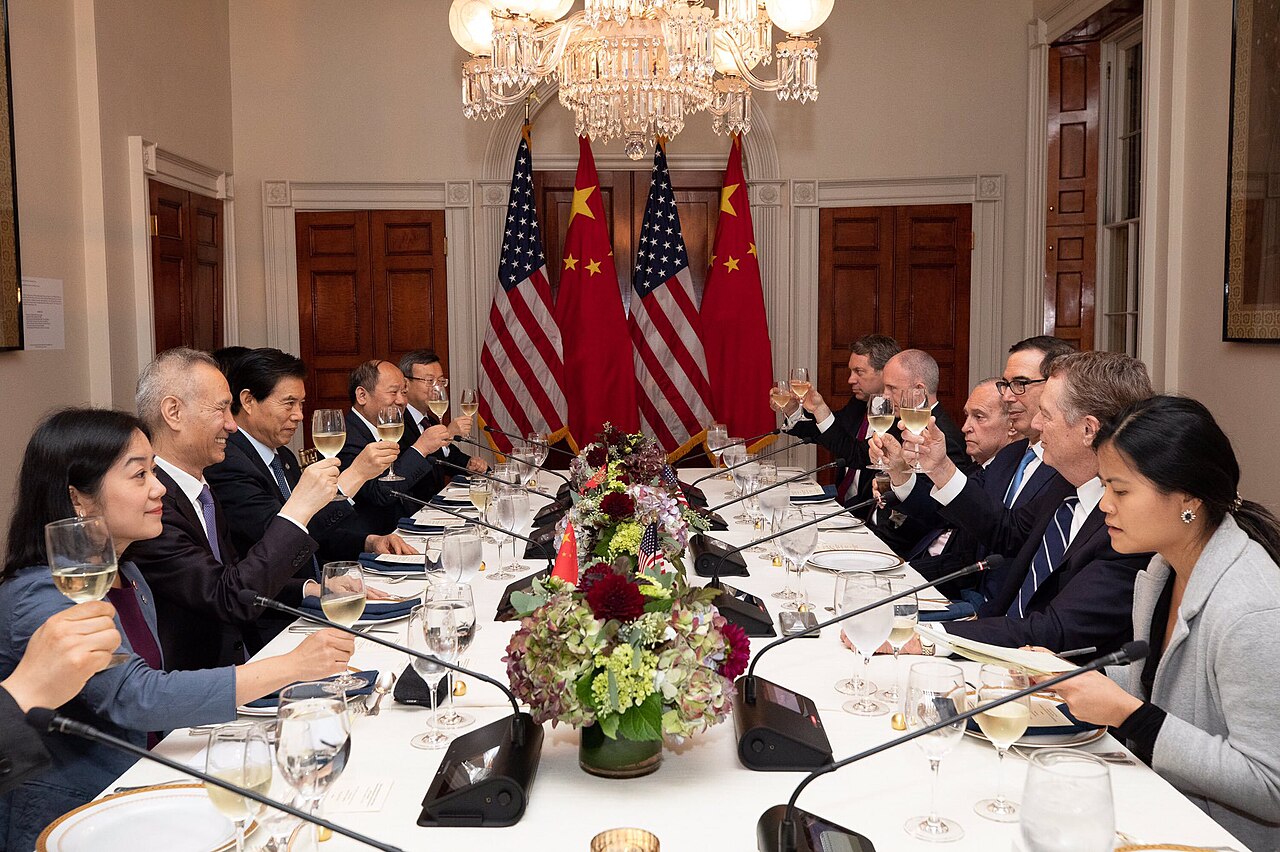

Quick Summary: China Agrees to Boost Trade in US Beef and Poultry
- China agreed to buy U.S. agricultural products at $17 billion annually from 2026 to 2028, easing pressure from Trump’s trade war.
- China will reopen channels for U.S. beef and poultry imports, addressing market access barriers.
- The White House announced the $17 billion figure on May 17, following Trump’s return from Beijing.
- China’s commerce ministry confirmed tariff reductions and market-access barrier resolutions on May 16.
- The agreement includes reciprocal commitments, with the U.S. addressing Chinese trade complaints.
Source: Read original article
Chinas $17: Key Takeaways
Chinas $17 is at the center of this developing story, and the following analysis explains what matters most right now.
In a move that could reshape agricultural trade dynamics, China has committed to purchasing U.S. agricultural products at an annual rate of $17 billion starting in 2026. This commitment, announced by the White House, aims to alleviate the political pressure on American farmers impacted by the trade war initiated by Donald Trump.
The agreement is not just a vague promise but a specific commitment to restore market access for U.S. beef and poultry, which had been restricted. This move is seen as a significant step forward in reducing trade tensions between the two economic giants.
While the agricultural sector sees immediate benefits, the broader implications of this deal remain uncertain. The commitment comes amid unresolved issues over tariffs and geopolitical tensions, indicating that while agriculture may be a point of progress, other areas of U.S.-China relations remain fraught with challenges.
On May 16, China’s commerce ministry said both sides had agreed to expand farm trade through tariff reductions and to tackle market-access barriers. agricultural products at an annualized rate of $17 billion in 2026 and keep purchases at that level through 2027 and 2028, a commitment aimed squarely at easing political pressure from American farmers hit by Trump’s trade war.
complaints over registration of beef processing facilities and blocked poultry shipments, turning what had been a symbolic summit talking point into a set of highly specific trade-access moves. By May 17-18, the White House put a number on it: $17 billion a year in 2026, 2027 and 2028, plus reopened channels for beef and some poultry.
states that American authorities classify as free of bird flu, according to the White House summary carried by AP and other outlets on Sunday, May 17 and Monday, May 18. AP’s reporting also places the timing sharply: Trump returned from Beijing on Friday, May 15, and the White House released the agriculture announcement on Sunday, May 17.
On May 13, reporting ahead of Trump’s arrival in Beijing said agriculture was one of the few areas where negotiators might be able to show visible progress. On May 15, Reuters reported Greer’s “double-digit billions” expectation.
farmers from the trade confrontation he launched, while Xi used the summit to project stability without surrendering leverage on bigger disputes such as tariffs, Taiwan and broader strategic rivalry. Trade Representative Jamieson Greer, who previewed the scope of the announcement before the summit package was finalized.
The White House announced the $17 billion figure on May 17, following Trump’s return from Beijing. China’s commerce ministry confirmed tariff reductions and market-access barrier resolutions on May 16.
On May 16, China’s commerce ministry said both sides had agreed to expand farm trade through tariff reductions and to tackle market-access barriers. Chinas $17: Key Takeaways Chinas $17 is at the center of this developing story, and the following analysis explains what matters most right now.
agricultural products at $17 billion annually from 2026 to 2028, easing pressure from Trump’s trade war. agricultural products at an annual rate of $17 billion starting in 2026.
agricultural products at an annualized rate of $17 billion in 2026 and keep purchases at that level through 2027 and 2028, a commitment aimed squarely at easing political pressure from American farmers hit by Trump’s trade war. By May 17-18, the White House put a number on it: $17 billion a year in 2026, 2027 and 2028, plus reopened channels for beef and some poultry.
AP’s reporting also places the timing sharply: Trump returned from Beijing on Friday, May 15, and the White House released the agriculture announcement on Sunday, May 17. On May 13, reporting ahead of Trump’s arrival in Beijing said agriculture was one of the few areas where negotiators might be able to show visible progress.
The scale and speed of this development has caught many observers off guard. Each new update adds another dimension to a story that is still unfolding, and the full picture will only become clear as more verified details emerge from the people and institutions directly involved.
Analysts who have tracked this issue closely say the current moment represents a genuine turning point. The decisions made in the coming weeks are expected to set the direction for months ahead, with ripple effects likely to extend well beyond the immediate actors in the story.
For those directly affected, the practical impact is already visible. People navigating this fast-changing situation are dealing with real consequences while new information continues to reshape what is known and what remains open to interpretation.
Historical parallels offer some context, though experts caution against drawing too close a comparison. Similar situations have played out before, but the specific combination of pressures, personalities, and timing here makes this moment distinct in ways that matter for how it ultimately resolves.
The political and economic dimensions of this story are deeply intertwined. What appears as a single event on the surface is in practice the convergence of multiple pressures that have been building quietly over a longer period than most public reporting has captured.