


Quick Summary: Iran Missile and Drone Attack on UAE Triggers Global Condemnation
- The UAE accused Iran of firing missiles and drones at its territory, marking a significant escalation.
- Three missiles were intercepted, one fell into the sea, and three Indian nationals were injured.
- Gulf states and Western governments condemned the attacks, calling them a dangerous escalation.
- Bahrain labeled the strikes as ‘Iranian terrorist attacks,’ highlighting regional security concerns.
- The crisis threatens to destabilize the Gulf, impacting shipping lanes and energy markets.
Source: Read original article
The Middle East is once again on the brink of a major crisis as the UAE accuses Iran of launching direct missile and drone attacks on its territory. This alarming development has sparked a wave of international condemnation, with Gulf states and Western powers uniting in their denunciation of what they term a ‘dangerous escalation.’
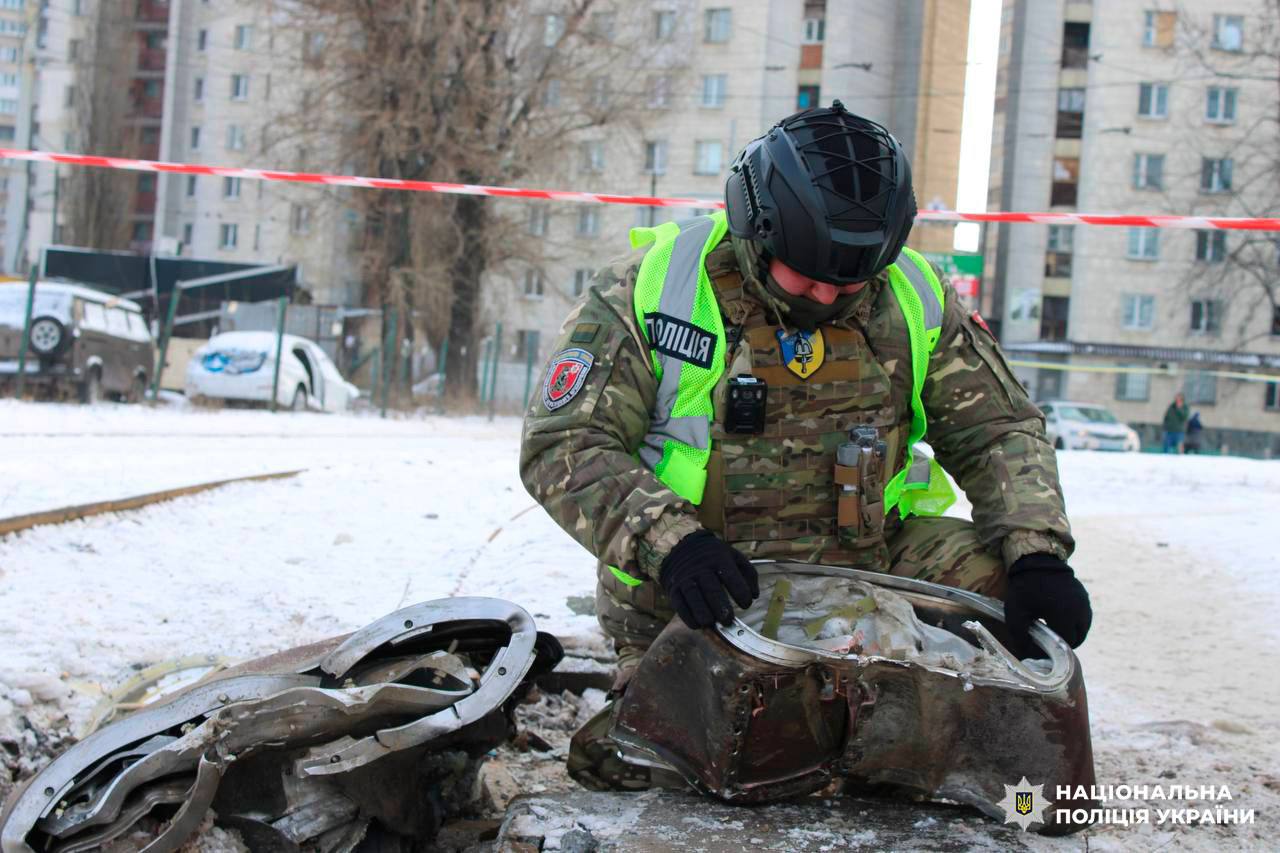
According to reports, four missiles were fired from Iran, with three intercepted and one falling into the sea. The attacks injured three Indian nationals, underscoring the human cost of this conflict. The UAE’s defense ministry confirmed the interceptions, emphasizing the operational seriousness of the situation.
This incident marks a shift from proxy warfare to direct state confrontation, raising fears of destabilization in the Gulf region. The strategic Strait of Hormuz, a critical maritime route, is now at risk, potentially affecting global energy markets. Bahrain’s strong language, calling the strikes ‘Iranian terrorist attacks,’ reflects the gravity of the situation.
As the world watches, the next steps will likely involve emergency diplomacy and potential multilateral actions. The question remains whether this will be treated as an isolated incident or a threshold-crossing event that demands a broader response. The stakes are high, and the region’s stability hangs in the balance.
On May 4, 2026, Axios reported the UAE was under missile and drone attack and said the ceasefire was in peril; by May 5, Al Jazeera reported a widening chorus of condemnations from Gulf capitals and Western governments. According to reporting published today, May 5, 2026, the UAE says four missiles were fired toward its territory from Iran, with three cruise missiles intercepted and another falling into the sea, while officials also said they were confronting an additional missile-and-drone attack.
In January 2022, Reuters and other outlets reported a Houthi attack on Abu Dhabi that killed three people after explosions hit fuel trucks and an area near the airport; at the time, Washington and regional states condemned the strike, but attribution centered on Yemen’s Iran-aligned Houthis. The biggest new turn is that this is no longer just an old Gulf Today headline about a 2022-style proxy strike: the live reporting now centers on a fresh May 2026 regional escalation in which the UAE says Iran itself fired missiles and drones at Emirati territory, prompting a wave of condemnations from Gulf states and Western governments.
The most specific and striking numbers in the newest reporting are military and human: four missiles aimed at the UAE, three intercepted, one falling into the sea, and three civilians injured. The UAE’s defense ministry said the loud booms heard in the country were the result of air-defense interceptions, a detail that suggests the event was not symbolic but operationally serious.
The bottom line is that the live story is no longer the historical fact that “the world condemns attacks on the UAE”; it is that the UAE now says Iran launched the latest missiles directly, Gulf states are echoing the “terrorist attacks” language, and the crisis is suddenly about whether the region is sliding from proxy warfare into overt state-on-state confrontation. The most consequential development in the latest coverage is the shift in attribution and scale.
The core conflict driving the story is whether this marks a decisive break from shadow-war dynamics into open interstate attacks that could destabilize the Gulf, shipping lanes and energy markets. Al Jazeera’s latest report says Saudi Arabia, Qatar, Kuwait, Bahrain and Jordan all denounced the strikes, while Germany, the United Kingdom and Canada called on Iran to return to talks.