

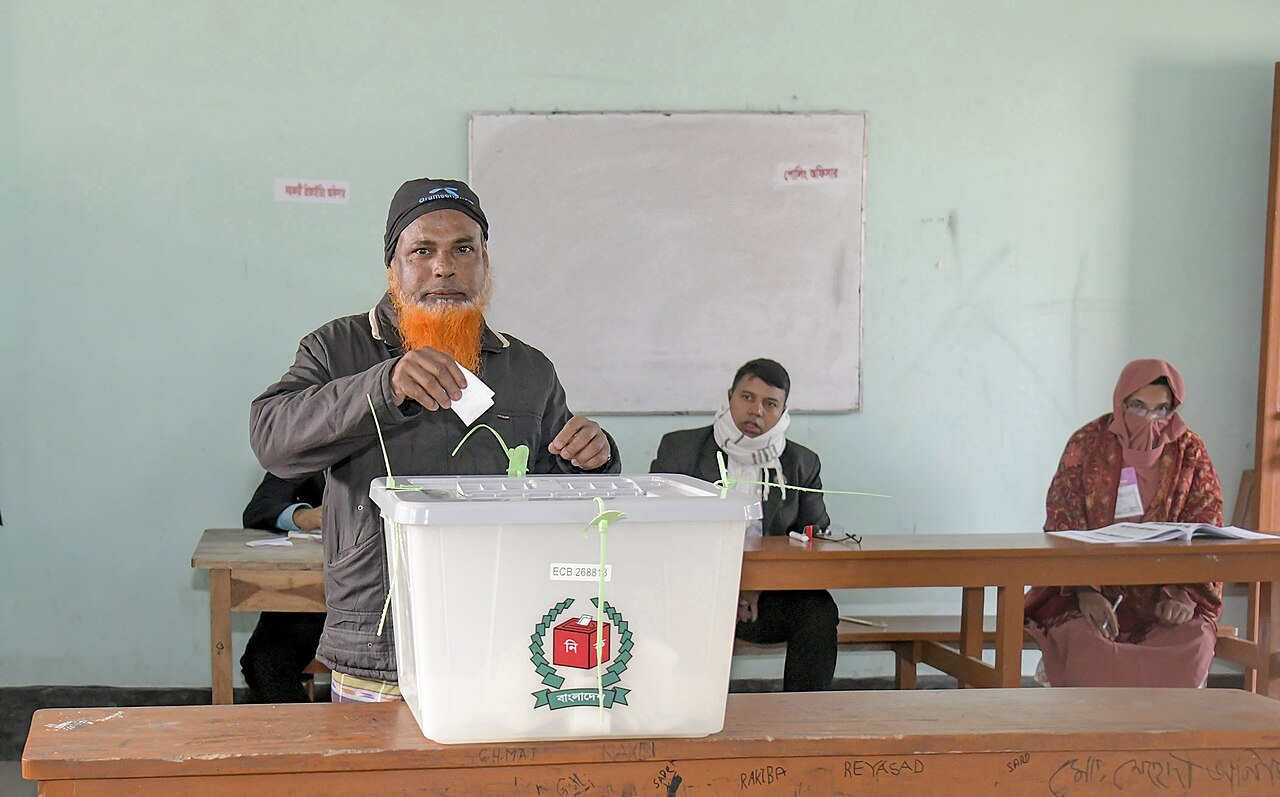

Quick Summary: Los Angeles County Issued Large Undecided Electorate
- Los Angeles County issued 9 million mail ballots, with only 318,565 returned by May 21 — indicating a large undecided electorate.
- 645 vote centers were set up for the June 2 election, with 121 opening on May 23 and the rest on May 30.
- 424 ballot drop boxes were available, most operating 24/7, with daily ballot retrievals.
- Voters could use a ‘quick check-in code’ from mailed materials to verify registration and reduce wait times.
- The critical election night focus is on how many mail ballots remain uncounted after June 2.
Source: Read original article
As Los Angeles County heads into the June 2 election, the sheer volume of mail ballots issued but not yet returned has created a cloud of confusion and uncertainty. With 9 million mail ballots sent out and only a fraction returned by May 21, the county faces a potential bottleneck of voters deciding at the last minute whether to mail, drop off, or vote in person.
The county’s voting infrastructure is vast, with 645 vote centers and 424 ballot drop boxes designed to handle the influx. Despite these preparations, misinformation and logistical challenges threaten to disrupt the process. President Trump’s false claims about mail-only voting added to the confusion, clashing with the reality of robust in-person options available to voters.
Election officials have emphasized the importance of postmarking mail ballots by June 2 to ensure they are counted. The focus is not just on the initial tally but on the millions of ballots that could still be in transit after polls close. This highlights the critical role of clear communication and efficient processes in managing one of the nation’s largest local election systems.
9 million mail ballots issued but only about 318,565 returned in the county status update dated May 21, a large share of the electorate still had to decide in the final stretch whether to mail, drop off, or vote in person. The Los Angeles County Registrar-Recorder/County Clerk said there were 645 total vote centers available for the June 2, 2026 statewide direct primary election, with 121 opening on Saturday, May 23, and the remaining 524 scheduled to open on Saturday, May 30.
The county also reported 424 ballot drop boxes, most available 24 hours a day, with ballots retrieved daily. The Los Angeles Times’ June 2 election-day guide said Los Angeles County officials tell voters they can check in by scanning that “quick check-in code,” which verifies voter registration, and that it can be retrieved from a mailed sample ballot, a vote center postcard, or online after entering identifying information.
In other words, the big election-night twist may be that the most important number is not the first unofficial tally released after polls close, but how many of the county’s millions of outstanding mail ballots and late-valid returns are still in the pipeline after June 2. The central practical conflict in this week’s reporting has been confusion versus access.
on Election Day, and mailed ballots must be postmarked by June 2 and received no later than seven days afterward. The county’s lavote site says in-person voting began May 23 and that voters can use a “Quick Check-in Code” to reduce wait times.
On May 23, more than 120 vote centers opened for early in-person voting in Los Angeles County. On June 1 and June 2, coverage turned into last-minute service journalism, walking voters through where to go, what to bring, how to check in, and what to do if they forgot to register or could not return a ballot themselves.
The Los Angeles County Registrar-Recorder/County Clerk said there were 645 total vote centers available for the June 2, 2026 statewide direct primary election, with 121 opening on Saturday, May 23, and the remaining 524 scheduled to open on Saturday, May 30. The county also reported 424 ballot drop boxes, most available 24 hours a day, with ballots retrieved daily.
The Los Angeles Times’ June 2 election-day guide said Los Angeles County officials tell voters they can check in by scanning that “quick check-in code,” which verifies voter registration, and that it can be retrieved from a mailed sample ballot, a vote center postcard, or online after entering identifying information. In other words, the big election-night twist may be that the most important number is not the first unofficial tally released after polls close, but how many of the county’s millions of outstanding mail ballots and late-valid returns are still in the pipeline after June 2.
The central practical conflict in this week’s reporting has been confusion versus access. 424 ballot drop boxes were available, most operating 24/7, with daily ballot retrievals.
The county’s voting infrastructure is vast, with 645 vote centers and 424 ballot drop boxes designed to handle the influx. President Trump’s false claims about mail-only voting added to the confusion, clashing with the reality of robust in-person options available to voters.
The scale and speed of this development has caught many observers off guard. Each new update adds another dimension to a story that is still unfolding, and the full picture will only become clear as more verified details emerge from the people and institutions directly involved.
Analysts who have tracked this issue closely say the current moment represents a genuine turning point. The decisions made in the coming weeks are expected to set the direction for months ahead, with ripple effects likely to extend well beyond the immediate actors in the story.
For those directly affected, the practical impact is already visible. People navigating this fast-changing situation are dealing with real consequences while new information continues to reshape what is known and what remains open to interpretation.
Historical parallels offer some context, though experts caution against drawing too close a comparison. Similar situations have played out before, but the specific combination of pressures, personalities, and timing here makes this moment distinct in ways that matter for how it ultimately resolves.
The political and economic dimensions of this story are deeply intertwined. What appears as a single event on the surface is in practice the convergence of multiple pressures that have been building quietly over a longer period than most public reporting has captured.