

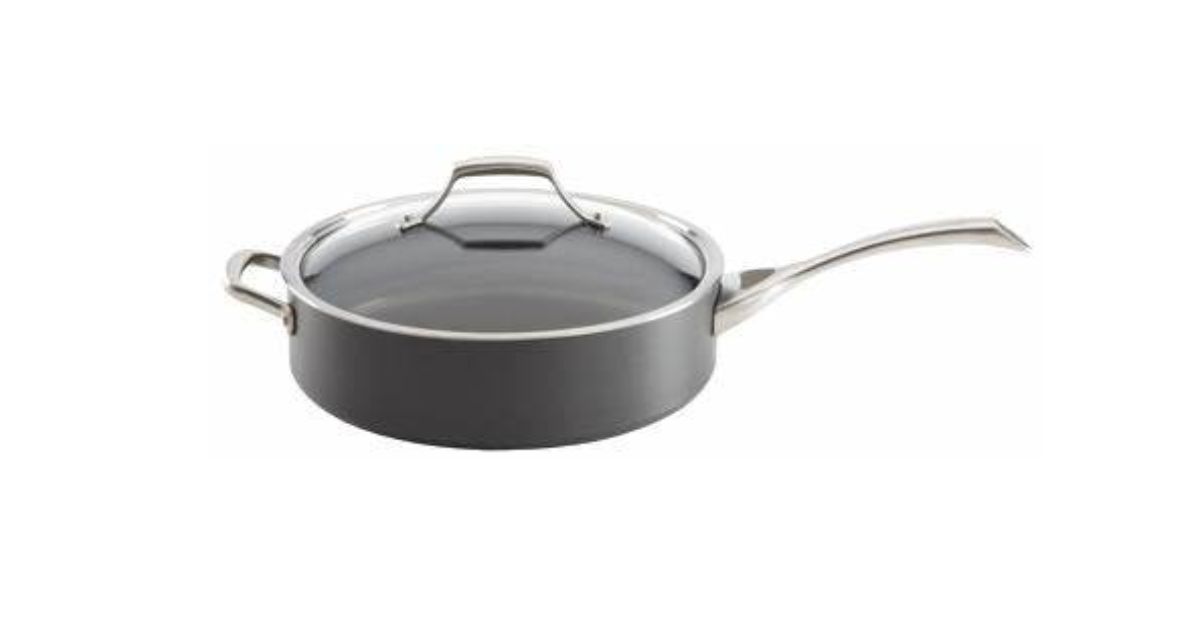

A large-scale recall has been issued for over 740,000 sauté pans sold at major retailers such as Costco and Walmart due to a dangerous defect. The pans’ metal caps on handles are reportedly overheating and ejecting forcefully, posing impact and burn hazards to consumers. This recall highlights ongoing safety concerns in consumer goods and the importance of regulatory compliance.
Background
The recall of sauté pans sold at Costco and Walmart has drawn significant attention due to the potential hazards associated with the products. This recall involves a specific model of sauté pans that have been sold in large quantities across the United States, particularly during holiday sales and promotional events. The defective products have been linked to a risk of injury due to the overheating of metal caps on the handle, which can detach forcefully during use.
This incident is a reminder of the critical role that product safety plays in consumer goods, particularly in kitchenware where heat and handling are involved. The manufacturers, identified as a major supplier of kitchen products, have a history of producing a wide range of cookware items distributed through well-known retail chains.
Recall Details
The recall affects approximately 740,000 units of sauté pans, impacting consumers nationwide. The issue was identified following numerous reports from users who experienced the sudden ejection of the metal cap, leading to minor injuries in some cases. The recall notice was officially announced by the U.S. Consumer Product Safety Commission (CPSC), which oversees the safety of consumer goods in the country.
Consumers who have purchased these pans are advised to stop using them immediately and contact the manufacturer or the retailer for guidance on returning the product and obtaining a refund or replacement. The affected pans were sold at both Costco and Walmart, reflecting the widespread distribution and potential risk to a large number of households.
The recall notice provides detailed instructions for consumers to identify the recalled pans, including model numbers and production dates. It is crucial for consumers to follow these instructions to ensure their safety and compliance with the recall process.
Consumer Impact
The implications of this recall are significant for consumers who may have used the affected products in their daily cooking routines. The risk of injury from an exploding metal cap can have serious consequences, including physical harm and damage to property. Consumers may face inconveniences such as replacing their cookware and potential delays in cooking activities.
This recall also raises concerns about the quality assurance practices of manufacturers and retailers. For consumers, it serves as a reminder to be vigilant about product recalls and safety notices, ensuring that they are using products that meet safety standards.
Retailers’ Response
Both Costco and Walmart have responded promptly to the recall, working closely with the manufacturer and the CPSC to address the issue. Their response includes notifying customers through various channels, including in-store announcements, emails, and website updates, to ensure that all affected consumers are aware of the recall.
The retailers have also set up dedicated customer service lines and online portals to facilitate the return process and provide assistance. This proactive approach underscores the importance of retailer responsibility in maintaining consumer trust and safety.
Safety Regulations and Compliance
The recall highlights the importance of strict safety regulations and compliance in the manufacturing and distribution of consumer goods. The CPSC plays a vital role in enforcing these standards, ensuring that products on the market do not pose undue risks to consumers.
Manufacturers are obligated to conduct rigorous testing and quality checks before products reach the market. When defects are identified, a swift and transparent response is crucial to protect consumers and uphold regulatory standards.
This incident may prompt further scrutiny and possibly new regulations to enhance product safety, particularly in high-risk categories such as kitchenware and electronics.
Analysts say sauté pan recall now sits at the center of a broader shift, with consequences that could extend beyond the immediate headline and shape decisions in the coming weeks. They note that early signals often appear in policy language, market behavior, or institutional messaging before they are reflected in official summaries, which is why context matters as much as the headline itself.
Reporting around sauté pan recall has also highlighted how quickly circumstances can change, making context and verified updates essential for readers trying to separate signal from noise. The most reliable coverage connects each new development to the timeline of prior events so audiences can understand what is genuinely new and what is part of a longer trend.
Officials and industry observers are watching sauté pan recall closely, noting that the next phase of the story may depend on timing, policy responses, market reactions, or legal follow-through. Until those responses become clearer, experts recommend focusing on confirmed developments instead of speculation that can distort short-term expectations.
For audiences tracking sauté pan recall, the key is to follow credible sources and focus on developments that reveal direction rather than isolated short-term swings. That approach helps readers understand not just what happened today, but why the story could carry broader implications over the coming weeks.
The latest developments connected to sauté pan recall have reopened questions about strategy, risk, timing, and long-term consequences, particularly for stakeholders who need clearer signals before making their next move. In practical terms, that means watching both official statements and real-world indicators to understand whether the current direction is likely to hold.
In recent coverage, sauté pan recall has become a reference point for wider discussions about accountability, communication, and how institutions respond under pressure. Observers say this broader lens is important because the immediate event is often only one part of a larger sequence of decisions that continue to unfold over time.
Beyond the immediate updates, sauté pan recall is drawing attention because it links short-term events to longer-term structural trends that are still unfolding. Readers following the story closely are paying particular attention to what changes in response and what remains unresolved after each official update.
As the story evolves, reporting on sauté pan recall is expected to focus increasingly on measurable impact, official follow-through, and whether early assumptions hold up. That evidence-based framing helps audiences evaluate momentum without overreacting to isolated developments that may later look less significant.
The broader significance of sauté pan recall may become clearer only after the next set of actions, responses, or public disclosures. Until then, readers are likely to see a combination of verified updates, expert interpretation, and competing narratives as the situation continues to develop.
Taken together, these updates show why sauté pan recall matters now and why the next round of confirmed information will be critical to understanding the full impact. Analysts caution that the most meaningful shifts may appear gradually, making sustained coverage more useful than one-off snapshots.
Readers looking for practical clarity can treat sauté pan recall as a developing story, where each official update adds context to what may happen next. Following that progression over time gives a clearer picture of direction, risk, and likely outcomes without relying on speculation.
What Comes Next
As the recall process unfolds, consumers are urged to stay informed and take immediate action if they own an affected product. The CPSC will continue to monitor the situation and may issue additional guidelines or updates as necessary.
For manufacturers and retailers, this recall serves as a critical lesson in the importance of quality control and the need for robust safety protocols. It also emphasizes the role of transparency and communication in managing product recalls effectively, ensuring that consumer safety remains a top priority.
Further Reading
Read more on Digital Chew and Read external coverage from Reuters.