


Key Takeaways
• Elon Musk predicted a 12-year run of Republican presidents, starting with Trump’s second term.
• He forecasted two back-to-back terms for future Senator JD Vance.
• Political experts quickly called his Musk prediction unlikely.
• Social media users reacted with surprise, humor and sharp criticism.
Elon Musk Prediction at the Texas Meeting
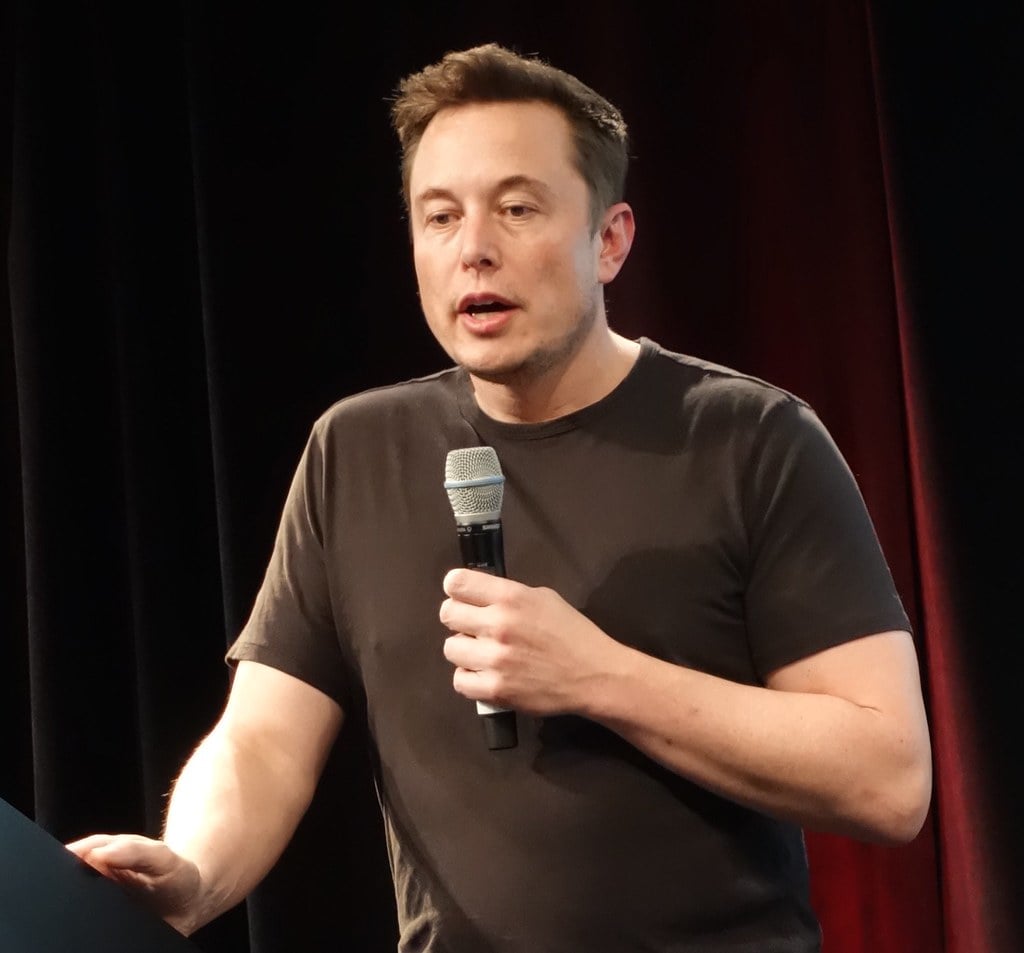
Elon Musk joined the Department of Government Efficiency reunion by video. He spoke at a DOGE meet-up near his SpaceX and Boring Company sites in Bastrop, Texas. During the event, Musk prediction stirred strong reactions. He said the nation will now enter a “great 12-year span.” First, a second Trump administration. Then, two terms under JD Vance. Musk made the remark on November 22. It followed President Trump’s hints about running for a third term. Trump even sold “Trump 2028” gear to fans. Yet the Constitution bars presidents from serving more than two terms. Some allies, however, want to challenge that rule.
Why the Musk Prediction Matters Now
In modern history, no party has held the presidency for twelve years since Reagan and Bush. Therefore, Musk prediction sounds almost unprecedented. Furthermore, it taps into deep questions about fair elections. Political scientist David Darmofal noted that such long stretches are rare. He warned that Musk should learn more about America’s checks and balances. In addition, Musk’s remarks reflect the power of social media hype. He once called Twitter an “algorithmic disinformation machine.” Meanwhile, some believe he might push certain narratives online. Consequently, experts view his Musk prediction as more showmanship than serious analysis.
Social Media Reacts to Musk Prediction
Almost immediately, users on X, Bluesky and other platforms responded. Political organizer Melissa Byrne wrote, “Hell. No. No.” Historian Claire Potter joked that Musk deserves another interview since he’s been “so right about so many things.” The Lincoln Project quipped, “He also predicted $2 trillion in savings from DOGE. How’d that work out?” Author Mark Russell added, “Well, he would know. He bought the last election.” These reactions show a mix of doubt, humor and frustration. Moreover, many feel that a tech billionaire’s prediction about democracy feels odd. Others argue that anyone can share a bold forecast. Yet social media keeps the conversation alive, whether people agree or not.
What Could Happen Next After the Musk Prediction
First, legal experts point out that the Twenty-Second Amendment blocks a third presidential term. Therefore, Trump cannot run in 2028, unless that rule changes. Some GOP allies say they plan to challenge the amendment in court. However, that fight could drag on for years. Meanwhile, Senator Vance has not publicly commented on the idea of two terms after Trump. If the GOP truly unites behind such a plan, it must win elections in 2024, 2028 and 2032. That scenario would require major shifts in voter behavior and party unity. Consequently, many analysts see it as a long shot.
A History of Long Presidential Stretches
Since Franklin Roosevelt, no president served more than two terms. Roosevelt’s four terms led to the 22nd Amendment in 1951. It caps service at two terms or ten years total. As a result, the idea of three administrations in a row for one party remains unheard of. Ronald Reagan served two terms from 1981 to 1989. He was followed by one term from George H.W. Bush. Many historians see that as the last near-twelve-year span. Therefore, Musk prediction taps into a rare moment in U.S. history. It also raises questions about how the amendment protects democratic stability.
Analyzing the Odds Behind Musk’s Forecast
Political analysts use polls, demographics and fundraising to gauge election chances. Right now, Trump leads many Republican primary polls. He also has strong support among GOP donors. Yet independents and younger voters often lean away from him. As for JD Vance, he won his Senate seat in 2022. He speaks directly to conservative voters on social media. However, he remains relatively unknown outside Ohio. Therefore, the path to two presidential terms for Vance seems steep. Furthermore, shifts in public opinion could reshape both campaigns. In short, many view the Musk prediction as fun speculation rather than a roadmap.
The Power of Tech Leaders in Politics
Elon Musk now stands among the world’s richest people. He runs multiple companies that shape space, transport and energy. Therefore, his words often carry weight in markets and politics. He once influenced cryptocurrency prices with simple tweets. Moreover, his ownership of a major social platform adds to his influence. Yet critics warn that tech leaders can spread misleading political claims. They argue that these claims can sway opinions without checks. Consequently, lawmakers are discussing new rules to limit online disinformation. In that sense, Musk prediction underscores broader concerns about tech power.
Looking Ahead: 2024 and Beyond
Next year’s presidential race will reveal much about Trump’s strength. If he wins the GOP nomination, he may test the 22nd Amendment limits. Meanwhile, Democrats will likely unite around a candidate to block his return. In addition, younger voters and suburban communities will play a key role. Their turnout could decide if any extended Republican rule appears. Furthermore, midterm and local elections will show party momentum. Therefore, the coming years hold critical lessons about political stability. Regardless of Musk prediction, elections will turn on policy, turnout and unity.
FAQs
What exactly did Elon Musk predict?
He said the U.S. will have a second term under Trump, then two terms under JD Vance. He called it a “great 12-year span.”
Can Trump legally run for a third term?
No. The 22nd Amendment limits presidents to two terms. Some allies hope to challenge that rule in court.
Who is JD Vance and why did Musk mention him?
JD Vance is an Ohio senator and author. Musk sees him as a potential future president after Trump.
Why did people react strongly to this Musk prediction?
Experts say such a long, unbroken run by one party is very rare. Social media amplified both doubt and humor.