

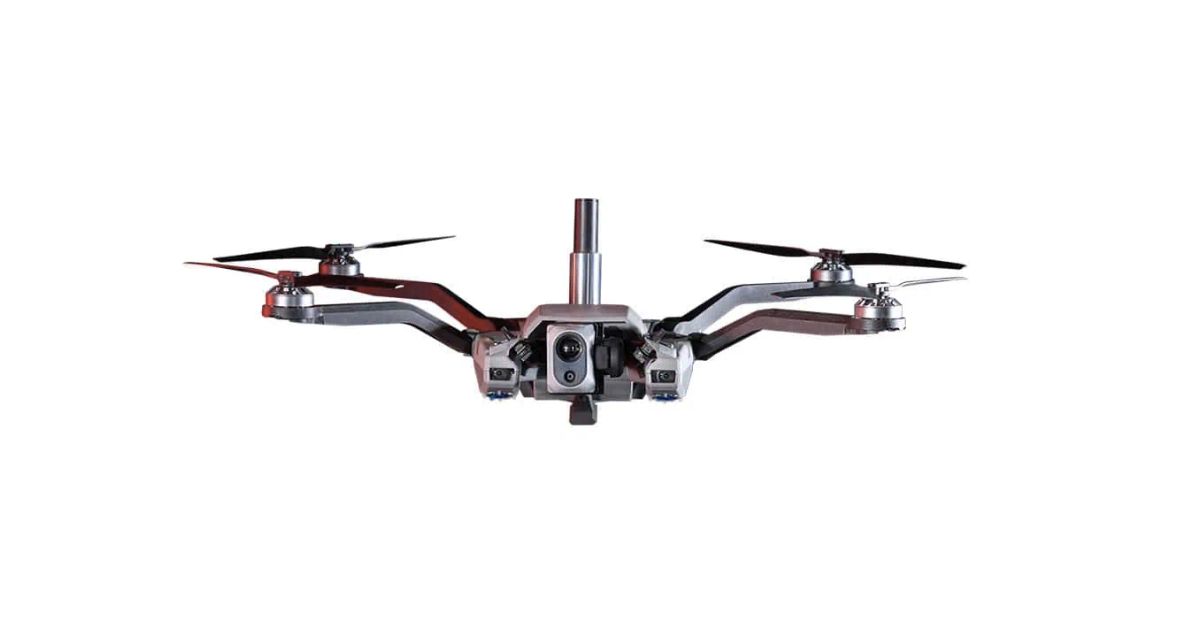

Red Cat Black Widow drone technology is gaining international traction as defense spending accelerates across the Asia-Pacific region, driven by growing demand for compact, secure intelligence and surveillance systems.
The U.S.-made tactical surveillance platform has been selected by an allied Asia-Pacific military for intelligence, surveillance, and reconnaissance missions, marking a new export win for American defense technology as regional security priorities evolve.
Defense officials said the Red Cat Black Widow drone was chosen for its ability to deliver reliable short-range ISR capabilities while minimizing operational risk to deployed personnel in forward environments.
The agreement was finalized in late 2025 after a competitive procurement process and is scheduled for delivery through 2026. While contract values and unit quantities have not been disclosed, analysts say the deal reflects rising confidence among allied militaries in portable unmanned systems designed for frontline use.
Contract Details and Regional Context
Red Cat Holdings confirmed the order without naming the customer nation, citing operational security requirements common in defense acquisitions. The contract followed a formal evaluation process involving multiple competing unmanned aircraft platforms.
Each system package will include two unmanned aerial vehicles, a portable ground control station, and mission support equipment designed for rapid deployment. This configuration aligns with modern military doctrine emphasizing redundancy, mobility, and resilience in contested environments.
The order represents the company’s second confirmed Asia-Pacific military customer, signaling sustained regional interest in small tactical ISR platforms.
Red Cat Black Widow Drone and Asia-Pacific Defense Modernization
Defense forces across the Asia-Pacific are increasing investments in surveillance and situational awareness as geopolitical tensions, maritime activity, and disaster response demands continue to rise.
Smaller unmanned aircraft systems are increasingly favored because they provide real-time intelligence without the logistical footprint or cost associated with larger platforms. Military planners view these systems as essential tools for force protection, border monitoring, and rapid-response operations.
Analysts note that compact ISR drones provide commanders with flexible intelligence capabilities while reducing exposure to personnel, particularly in remote or infrastructure-limited areas.
What Sets the Platform Apart
The Black Widow platform was developed specifically for military use rather than adapted from commercial drone designs. Its architecture emphasizes portability, secure communications, and interoperability with allied command-and-control systems.
Key characteristics include encrypted data links, modular payload support, and the ability to be carried and deployed by small units in the field. Unlike larger surveillance platforms, the Red Cat Black Widow drone is designed for rapid deployment in complex or contested environments where speed and discretion are critical.
This design philosophy reflects a broader shift in military procurement toward systems that prioritize reliability and operational readiness over experimental features.
Tactical ISR and Modern Military Operations
Intelligence, surveillance, and reconnaissance capabilities have traditionally been centralized at higher command levels. Recent conflicts, however, have demonstrated the value of pushing intelligence collection closer to operational units.
Tactical ISR systems allow ground forces to assess terrain, monitor movement patterns, and identify threats beyond line of sight. This decentralized approach improves decision-making speed and reduces reliance on external intelligence assets.
The Black Widow system supports this operational model by enabling small teams to conduct localized surveillance without extensive training or logistical support.
Security Standards and NDAA Compliance
One factor influencing procurement decisions among U.S. allies is compliance with American defense security standards.
The platform meets requirements under the U.S. National Defense Authorization Act, which restricts the use of certain foreign-manufactured components in defense systems. NDAA compliance has become increasingly important as governments focus on cybersecurity, data integrity, and supply-chain transparency.
According to guidance published by the U.S. Department of Defense, these standards help ensure interoperability among allied forces while reducing exposure to potential security risks.
Company Leadership Perspective
Red Cat executives described the agreement as validation of the company’s focus on secure, military-grade unmanned systems.
Chief Executive Officer Jeff Thompson said the selection reflects growing demand for trusted ISR platforms that can integrate seamlessly into allied operations. He emphasized that defense customers are increasingly prioritizing reliability, interoperability, and long-term support.
While financial details were not disclosed, leadership indicated that international defense sales are expected to play a larger role in the company’s future growth.
Asia-Pacific Market Momentum
The Asia-Pacific region has emerged as one of the fastest-growing markets for unmanned defense technology. Drivers include expanded maritime surveillance needs, border security concerns, and increased emphasis on multinational military exercises.
Defense analysts note that suppliers capable of balancing advanced capabilities with affordability and logistical simplicity are well-positioned in the region. Smaller ISR platforms often meet these requirements more effectively than larger, more complex systems.
Repeat adoption within the region is widely viewed as a positive indicator of system reliability and customer satisfaction.
Competitive Landscape
The global military sUAS market remains highly competitive, with both established defense contractors and specialized drone manufacturers seeking long-term contracts.
Key differentiators include secure supply chains, proven operational performance, and the ability to integrate with existing military infrastructure. The Asia-Pacific order suggests Red Cat has been able to compete effectively against both traditional and emerging competitors.
Implications for Allied Operations
For the customer nation, the acquisition is expected to enhance situational awareness across a range of mission profiles. Compact ISR systems enable faster intelligence gathering while reducing dependence on higher-echelon assets.
Because the system supports interoperability with allied forces, it also strengthens joint operational capabilities an increasingly important factor in multinational defense planning.
Looking Ahead to 2026 Deliveries
Deliveries scheduled throughout 2026 will provide further insight into sustained operational performance. Defense observers will be watching closely for potential follow-on orders, which often accompany successful initial deployments.
Red Cat has indicated that additional updates related to its Asia-Pacific engagements may be released as customer approvals allow.
Conclusion
The latest Asia-Pacific order highlights shifting defense priorities toward mobility, security, and tactical intelligence. By securing another international customer, the Red Cat Black Widow drone reinforces its position within a growing segment of the global defense market.
As regional militaries continue modernizing their ISR capabilities, demand for compact, secure systems is expected to remain strong. With deliveries planned for 2026, the agreement places Red Cat at a pivotal stage in its international expansion strategy.