

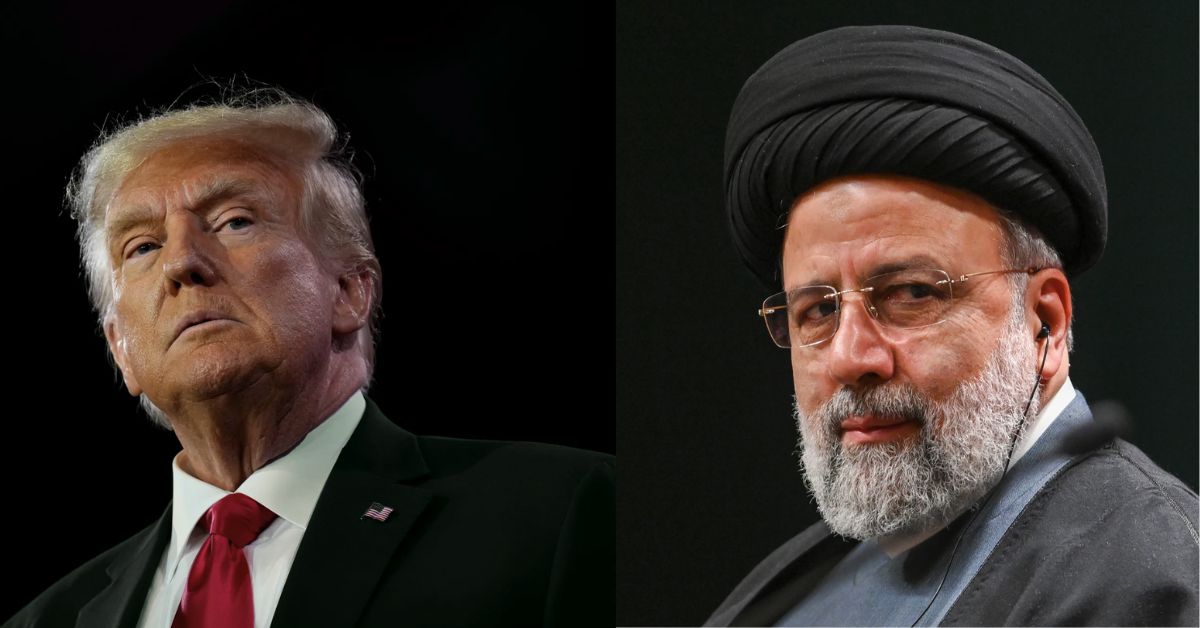

The diplomatic standoff between Washington and Tehran has entered a critical phase, as negotiators gather in Geneva for renewed discussions aimed at preventing further nuclear escalation.
US and Iran
The phrase now dominates global headlines, reflecting the scale of uncertainty surrounding the latest round of negotiations. With military deployments increasing and political rhetoric hardening, analysts say the outcome of these talks could shape regional security for years to come.
Background of the US and Iran Nuclear Dispute
The current confrontation between US and Iran is rooted in decades of distrust, failed agreements, and competing regional ambitions. While past administrations pursued varying strategies from economic sanctions to negotiated frameworks the core issue has remained consistent: uranium enrichment and nuclear transparency.
The United States maintains that Tehran must limit enrichment activities to prevent weaponization. Iranian officials, however, argue that their nuclear program is peaceful and designed primarily for civilian energy needs.
Over the years, diplomatic efforts have produced temporary frameworks, but none have delivered lasting stability. Each breakdown has widened the divide between US and Iran, reinforcing skepticism on both sides.
Geneva Talks Resume Under Tension
Negotiators from US and Iran arrived in Geneva amid rising geopolitical friction. The atmosphere surrounding the talks is markedly different from previous rounds, shaped by months of escalated rhetoric and military signaling.
Washington has reiterated that any agreement must include strict verification measures and reduced enrichment levels. Tehran, meanwhile, is seeking sanctions relief and guarantees against future unilateral withdrawal from agreements.
Diplomats familiar with the process describe the discussions as cautious but necessary. While neither side publicly expresses optimism, both acknowledge that dialogue remains preferable to confrontation.
The diplomatic engagement between US and Iran is unfolding against a backdrop of regional volatility, where even minor miscalculations could carry significant consequences.
Military Movements and Regional Calculations
In recent weeks, military assets linked to US and Iran have drawn increased attention. The United States has expanded its naval presence in nearby waters, while Iran has conducted military exercises signaling readiness.
Defense analysts say these movements are partly strategic messaging. By reinforcing military capabilities, both US and Iran aim to strengthen their negotiating leverage without crossing into open conflict.
Security experts caution that the concentration of forces increases the risk of accidental escalation. A single maritime incident or misinterpreted maneuver could intensify tensions rapidly.
Regional allies are closely monitoring the posture of US and Iran, recognizing that any shift in balance could reshape security dynamics across the Middle East.
Economic and Energy Market Implications
The evolving relationship between US and Iran is also influencing global energy markets. Oil prices have shown sensitivity to developments surrounding the talks, reflecting concerns about potential supply disruptions.
The Strait of Hormuz remains a critical chokepoint for global oil shipments. Should tensions between US and Iran escalate further, shipping routes could face heightened risk, affecting global supply chains.
Market strategists note that even diplomatic uncertainty can contribute to price volatility. Energy-dependent economies are particularly attentive to signals emerging from Geneva.
Beyond oil, broader financial markets are assessing the potential impact of prolonged instability between US and Iran, especially if sanctions frameworks change.
Domestic Pressures in Tehran
Internal political dynamics are shaping Tehran’s negotiating strategy. Public dissatisfaction over economic conditions has placed additional pressure on Iranian leadership.
The standoff involving US and Iran intersects with domestic economic hardship, as sanctions have constrained growth and currency stability.
Political observers suggest that Iranian negotiators must balance external diplomacy with internal legitimacy. Concessions perceived as too broad could face domestic resistance, complicating efforts to reach compromise.
As talks continue, domestic audiences in both capitals are watching closely, aware that outcomes between US and Iran carry economic and political implications.
Washington’s Strategic Objectives
For Washington, preventing nuclear expansion remains a central priority. Officials argue that unchecked enrichment would undermine regional stability and nonproliferation norms.
The broader policy approach toward US and Iran combines diplomatic outreach with deterrence measures. Sanctions remain in place, while military preparedness reinforces negotiating leverage.
Administration sources indicate that transparency, verification, and enrichment limits form the foundation of Washington’s proposal.
The leadership believes that engagement with US and Iran must be structured carefully to avoid repeating past breakdowns.
Diplomatic Challenges Facing US and Iran
Despite the reopening of dialogue, the gap between positions remains substantial. Trust deficits accumulated over years cannot be resolved quickly.
Negotiators representing US and Iran face complex technical issues, including inspection protocols, enrichment thresholds, and phased sanctions relief.
Each side is wary of appearing weak. Public messaging reflects caution, even as private discussions attempt to identify overlapping interests.
Diplomacy between US and Iran requires balancing domestic political narratives with practical security considerations.
Global Reaction and Security Concerns
Allies in Europe and Asia have urged restraint. Many governments view stability between US and Iran as essential for broader economic and security interests.
Travel advisories and contingency planning reflect rising uncertainty. Diplomatic missions are coordinating to ensure preparedness should tensions escalate.
International observers note that prolonged friction between US and Iran could shift alliances and alter strategic calculations in neighboring states.
Global institutions have emphasized the importance of continued dialogue to reduce risk.
What Happens If Talks Collapse
The collapse of negotiations between US and Iran would likely trigger a new phase of confrontation. Additional sanctions could follow, along with increased military signaling.
Security experts warn that escalation scenarios might include cyber operations, proxy conflicts, or maritime incidents.
The strategic relationship between US and Iran sits at a crossroads. Diplomatic failure would intensify volatility in an already fragile region.
Outlook for the Region
While tensions remain high, diplomatic channels are still active. The willingness of both sides to meet signals recognition that confrontation carries substantial cost.
The trajectory of US and Iran relations depends on incremental progress, sustained engagement, and careful management of rhetoric.
Analysts caution against overconfidence. Breakthroughs are unlikely to come swiftly. However, even limited agreements could reduce immediate risks.
For now, global attention remains fixed on Geneva, where negotiators seek a path forward amid heightened scrutiny.
The evolving dynamic between US and Iran continues to shape geopolitical calculations, energy markets, and diplomatic strategies worldwide.