

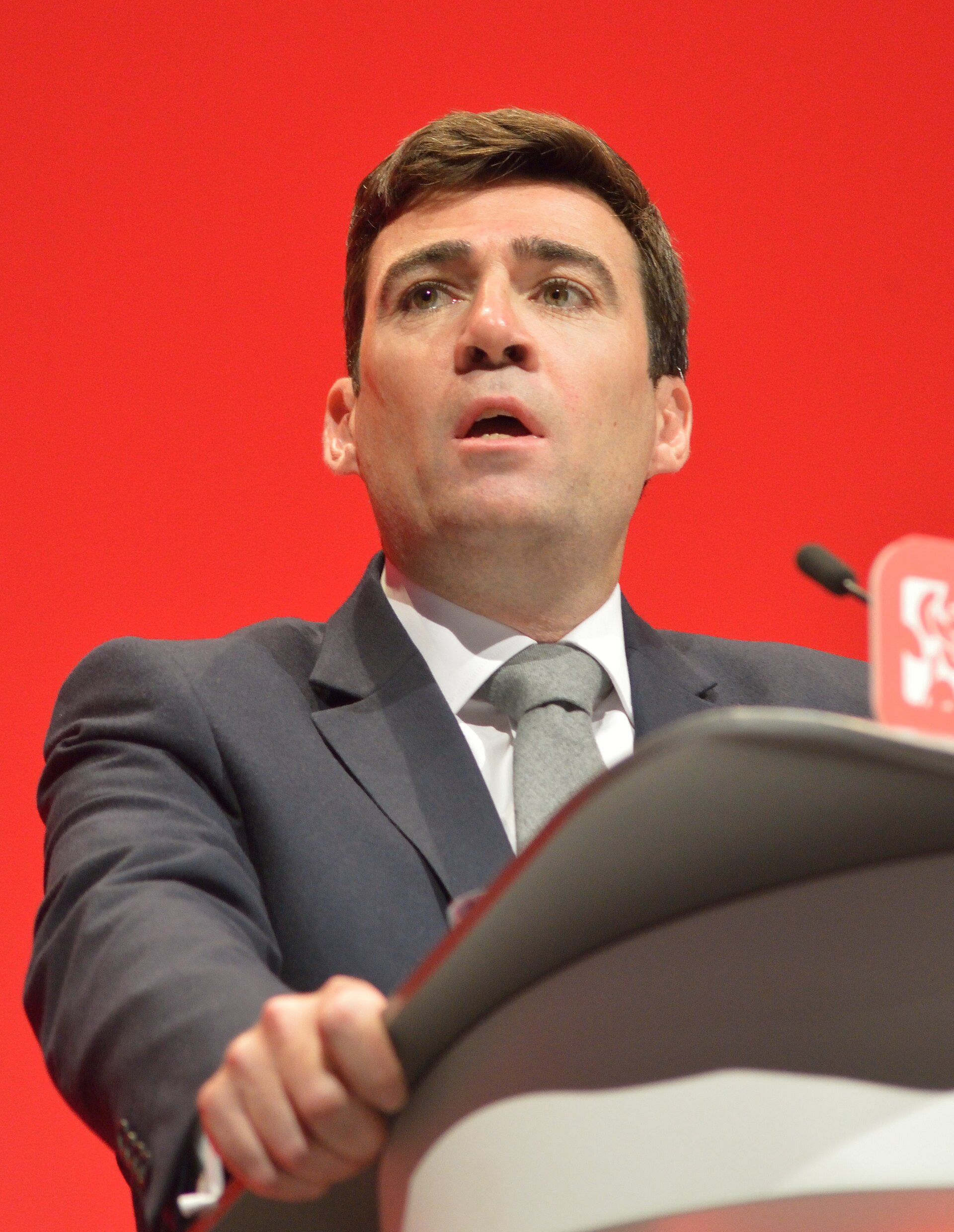

Quick Summary: Burnham’s By-Election Win Shakes Up Labour Leadership Debate
- Andy Burnham won the Makerfield by-election with 24,937 votes, 54.8% of the total, against Reform UK’s Rob Kenyon.
- Burnham’s victory has turned a hypothetical leadership challenge into a real threat to Prime Minister Keir Starmer.
- Labour’s share in Makerfield increased by 9.6 percentage points compared to the 2024 general election.
- Burnham’s win is seen as a referendum on Labour’s ability to counter Reform UK and Nigel Farage’s politics.
- Starmer faces pressure as discussions of a leadership transition intensify within Labour ranks.
Source: Open external resource
Source: Read original article
Andy Burnham’s decisive victory in the Makerfield by-election has thrown the Labour Party into a state of disarray, challenging Keir Starmer’s leadership at a critical juncture. With a commanding 54.8% of the vote, Burnham’s return to Parliament is not just a personal triumph but a catalyst for potential change at the top of the Labour hierarchy. Burnhams Win is at the center of this development.
The significance of Burnham’s win cannot be overstated. It has transformed him from a distant contender to a direct threat to Starmer’s position. The by-election result, which saw Labour’s share surge by 9.6 percentage points, underscores a growing appetite for change within the party and a rejection of the status quo.
Burnham’s victory speech emphasized the need for Labour to embrace unity and hope, steering clear of divisive politics. This message resonates deeply within a party grappling with its identity and direction, especially in the face of challenges from Reform UK and Nigel Farage’s brand of politics.
As the dust settles, the question of Burnham’s next move looms large. Will he mount an outright challenge to Starmer, or will there be a managed transition? The political landscape is shifting rapidly, and Starmer’s hold on leadership appears increasingly precarious as discussions of succession gain momentum.
In this fast-moving power struggle, the stakes are high. Burnham’s allies view Makerfield as a turning point, a signal that Labour may need a new leader to navigate the turbulent waters ahead. As Burnham prepares to be sworn in, the focus now shifts to Starmer’s response and whether he can stave off the growing calls for change.
8%, against Reform UK’s Rob Kenyon on 15,696, a majority of 9,321, according to LabourList’s tally of the result. AP reported that Labour pushed its share to nearly 55% even though Reform had swept virtually every local council seat that makes up Makerfield in May.
At the same time, Starmer has tried to contain the threat by floating a larger role for Burnham in government, with AP noting that he had said earlier he wanted Burnham to have “a big role in government,” an offer that now looks less like magnanimity than an attempt to keep a rival inside the tent. 6%, making Burnham’s turnaround the central fact now driving Labour’s leadership panic.
Associated Press reported from Ashton-in-Makerfield on June 19 that Burnham “signaled Friday that he will use it to challenge” Starmer, while Starmer publicly insisted he would stay and fight any contest. Andy Burnham’s crushing Makerfield by-election win on Friday, June 19, has turned a Westminster thought experiment into an immediate succession crisis for Prime Minister Keir Starmer.
Le Monde reported on June 19 that behind the scenes there were already discussions to persuade Starmer to announce his departure “in the coming days,” with the preferred scenario being a summer handover rather than a brutal immediate coup. On June 11, the Guardian reported Burnham’s momentum building in Makerfield; on June 18, voters went to the polls; in the early hours of June 19, the result confirmed a 24,937-to-15,696 Labour win; by later on June 19, AP and other outlets were already framing the result as the opening shot of a Labour leadership showdown.
The biggest new development is that Burnham is no longer being discussed as a hypothetical future contender but as an active threat to Starmer now that he is back in Parliament after nearly a decade away. AP reported that Starmer has vowed to fight on and run if there is a leadership contest, but the same reporting says his position could collapse quickly if Cabinet ministers quit or threaten to quit.
8%, against Reform UK’s Rob Kenyon on 15,696, a majority of 9,321, according to LabourList’s tally of the result. At the same time, Starmer has tried to contain the threat by floating a larger role for Burnham in government, with AP noting that he had said earlier he wanted Burnham to have “a big role in government,” an offer that now looks less like magnanimity than an attempt to keep a rival inside the tent.
8% of the vote, Burnham’s return to Parliament is not just a personal triumph but a catalyst for potential change at the top of the Labour hierarchy. 6%, making Burnham’s turnaround the central fact now driving Labour’s leadership panic.
8% of the total, against Reform UK’s Rob Kenyon. Burnham’s victory has turned a hypothetical leadership challenge into a real threat to Prime Minister Keir Starmer.
On June 11, the Guardian reported Burnham’s momentum building in Makerfield; on June 18, voters went to the polls; in the early hours of June 19, the result confirmed a 24,937-to-15,696 Labour win; by later on June 19, AP and other outlets were already framing the result as the opening shot of a Labour leadership showdown. 6 percentage points, underscores a growing appetite for change within the party and a rejection of the status quo.
The scale and speed of this development has caught many observers off guard. Each new update adds another dimension to a story that is still unfolding, and the full picture will only become clear as more verified details emerge from the people and institutions directly involved.
Analysts who have tracked this issue closely say the current moment represents a genuine turning point. The decisions made in the coming weeks are expected to set the direction for months ahead, with ripple effects likely to extend well beyond the immediate actors in the story.
For those directly affected, the practical impact is already visible. People navigating this fast-changing situation are dealing with real consequences while new information continues to reshape what is known and what remains open to interpretation.
Historical parallels offer some context, though experts caution against drawing too close a comparison. Similar situations have played out before, but the specific combination of pressures, personalities, and timing here makes this moment distinct in ways that matter for how it ultimately resolves.
The political and economic dimensions of this story are deeply intertwined. What appears as a single event on the surface is in practice the convergence of multiple pressures that have been building quietly over a longer period than most public reporting has captured.