


Quick Summary: FAA Reports Logan Airport On Time Despite 161 Flight Delays
- 161 flight delays and 17 cancellations occurred — Republic Airways was notably affected with 10 cancellations.
- JetBlue, Delta, and American Airlines also faced significant delays — JetBlue had 27 delays with no cancellations.
- FAA’s current status page shows Logan Airport as ‘On Time’ — no active delay program is indicated.
- Travel And Tour World reported extreme delay rates for smaller operators — Boutique Air and Copa Airlines had 100% delays.
- The disruption was concentrated in short-haul networks — not a broader airport shutdown.
Source: Open external resource
Source: Read original article
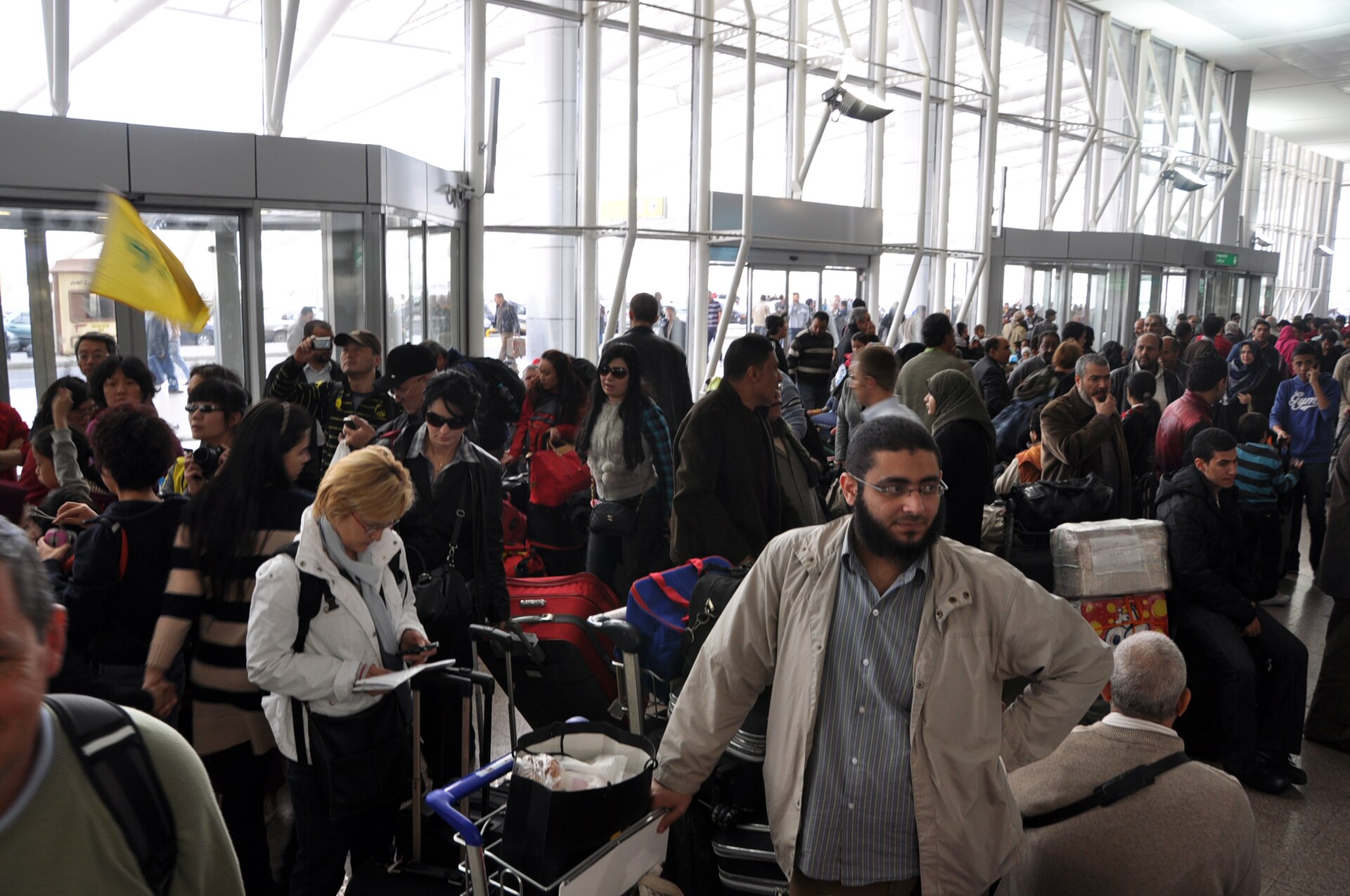
Boston Logan International Airport recently became the scene of a significant operational disruption, leaving hundreds of travelers stranded. The chaos, reported by Travel And Tour World, highlighted 161 flight delays and 17 cancellations in a single day, with Republic Airways bearing the brunt of the impact.
Major airlines like JetBlue, Delta, and American Airlines were not spared, each experiencing numerous delays. Notably, JetBlue faced 27 delays without any cancellations, while Delta and American had their share of disruptions. Smaller operators like Boutique Air and Copa Airlines reported a staggering 100% delay rate, compounding the day’s travel woes.
While the numbers paint a grim picture, the FAA’s current status page for Logan Airport tells a different story, showing no active delay program and listing the airport as ‘On Time.’ This discrepancy raises questions about the sensational nature of the reporting versus the current reality.
The broader context reveals that this was not a systemic airport failure but rather a concentrated issue within short-haul networks. As travelers and industry watchers digest this information, the need for clearer communication and reliable data becomes evident.
The nearest official context I found is that the FAA has an ongoing construction-impact report for Logan showing taxiway work in progress through June 30, 2026, warning of “ground congestion” and “potential delay impact” during affected periods, though that document is not tied by the FAA to the specific March disruption. TTW also reported extreme delay rates for smaller operators: Boutique Air and Copa Airlines were shown at 100% delayed in their tiny Logan schedules that day, while Spirit had 10 delays and 1 cancellation.
One Boston Logan article from TTW published about two weeks ago reported 104 delays and 15 cancellations on June 7, 2026, affecting carriers including American, Delta, Sun Country, JetBlue and British Airways. As of this week, the FAA’s public airport-status page does not indicate an active Logan delay program, and the only firm near-term deadline I found tied to airport operations is the FAA construction-impact window running through June 30, 2026.
What I found instead was a cluster of Travel And Tour World Logan-disruption stories with changing numbers and route lists, plus official FAA status data showing Logan on time this week, which limits how confidently I can treat the quoted headline as a current live event. The specific article I could verify most directly from Travel And Tour World says the disruption hit Logan on March 28, 2026, and affected routes including New York City, Chicago, Indianapolis, Charlotte Amalie and Charleston.
Republic was the standout outlier in the figures TTW published, responsible for 10 of the 17 cancellations, or nearly 59% of the day’s canceled flights, while Delta and American were next most affected among the big brands. The article says its flight data came from FlightAware, but it does not name an airport official, airline executive, or transportation regulator explaining the cause.
Your quoted title mentions passengers bound for New York City, Philadelphia, Toronto, Barcelona and Cancún and references JetBlue, Republic, American and Delta, but the accessible TTW Boston Logan pieces I found vary widely in destinations and flight counts. Another TTW Logan article from March 9 claimed 202 delays and 16 cancellations, while another from March 28 claimed 161 delays and 17 cancellations.
TTW also reported extreme delay rates for smaller operators: Boutique Air and Copa Airlines were shown at 100% delayed in their tiny Logan schedules that day, while Spirit had 10 delays and 1 cancellation. As of this week, the FAA’s public airport-status page does not indicate an active Logan delay program, and the only firm near-term deadline I found tied to airport operations is the FAA construction-impact window running through June 30, 2026.
The chaos, reported by Travel And Tour World, highlighted 161 flight delays and 17 cancellations in a single day, with Republic Airways bearing the brunt of the impact. The article says its flight data came from FlightAware, but it does not name an airport official, airline executive, or transportation regulator explaining the cause.
As travelers and industry watchers digest this information, the need for clearer communication and reliable data becomes evident. JetBlue, Delta, and American Airlines also faced significant delays — JetBlue had 27 delays with no cancellations.
Notably, JetBlue faced 27 delays without any cancellations, while Delta and American had their share of disruptions. FAA’s current status page shows Logan Airport as ‘On Time’ — no active delay program is indicated.
The disruption was concentrated in short-haul networks — not a broader airport shutdown. Major airlines like JetBlue, Delta, and American Airlines were not spared, each experiencing numerous delays.
The scale and speed of this development has caught many observers off guard. Each new update adds another dimension to a story that is still unfolding, and the full picture will only become clear as more verified details emerge from the people and institutions directly involved.
Analysts who have tracked this issue closely say the current moment represents a genuine turning point. The decisions made in the coming weeks are expected to set the direction for months ahead, with ripple effects likely to extend well beyond the immediate actors in the story.
For those directly affected, the practical impact is already visible. People navigating this fast-changing situation are dealing with real consequences while new information continues to reshape what is known and what remains open to interpretation.
Historical parallels offer some context, though experts caution against drawing too close a comparison. Similar situations have played out before, but the specific combination of pressures, personalities, and timing here makes this moment distinct in ways that matter for how it ultimately resolves.
The political and economic dimensions of this story are deeply intertwined. What appears as a single event on the surface is in practice the convergence of multiple pressures that have been building quietly over a longer period than most public reporting has captured.