


Quick Summary: Trumps Endorsement Sparks Controversy in Colombias Disputed Election
- Trump-endorsed Abelardo de la Espriella appears to have won Colombia’s presidential runoff by a slim margin — the result is now under dispute.
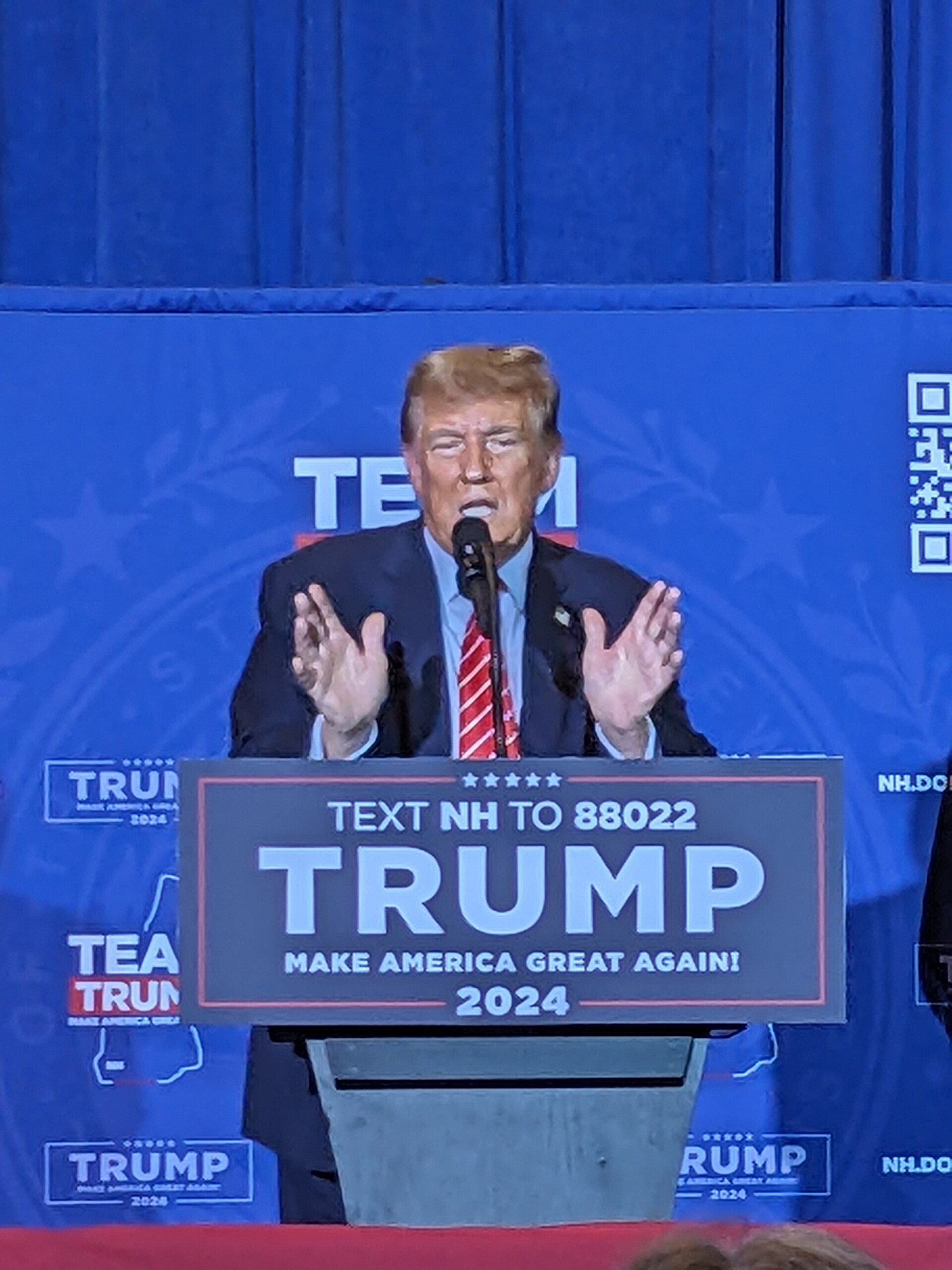
- Trump’s public endorsement on June 3 framed the Colombian election in ideological terms, potentially influencing voter turnout.
- Colombian officials and European lawmakers criticized Trump’s intervention as foreign interference — the legitimacy of the election is now contested.
- Record voter turnout was reported, with 2.4 million more participants than the first round — the diaspora’s vote proved crucial.
- De la Espriella’s campaign linked to a wider right-wing realignment — his win could signify a shift in Colombian politics.
Source: Open external resource
Source: Read original article
In a dramatic twist, Colombia’s presidential runoff has thrust Trump into the spotlight once again. Abelardo de la Espriella, a conservative outsider backed by Trump, appears to have narrowly won the election, setting off a firestorm of controversy over foreign influence and electoral legitimacy.
Trump’s endorsement, made public on June 3, did more than just make headlines; it reframed the Colombian election as a battle of ideologies. De la Espriella embraced this support, seeing it as a strategic advantage. The razor-thin margin of victory, reportedly around 250,000 votes, has left the nation in a heated debate over the election’s fairness.
Critics, including Colombian officials and European lawmakers, have condemned Trump’s involvement as a breach of democratic norms. The election saw record turnout, with a significant contribution from Colombians abroad, suggesting that Trump’s influence may have resonated with those living amidst U.S. cultural dynamics.
As the dust settles, the focus shifts to the legal challenges expected in the coming days. This election could become a pivotal moment for Colombia, testing the limits of external political influence in Latin America and potentially redefining its political landscape.
9%, while centrist Sergio Fajardo’s roughly 4% suddenly became pivotal in a runoff likely to be decided on the margins. 6% of the electorate, surpassing Colombia’s previous high-water mark for a runoff.
3% of the national total, but in an election decided by roughly 250,000 votes, that bloc suddenly looked decisive rather than symbolic. Colombian officials and critics had already pushed back before the vote; El País reported that Colombia’s foreign ministry rejected outside intervention, and a group of 16 European lawmakers condemned Trump’s intrusion.
El País, in one of the most specific early breakdowns, said the margin was around 250,000 votes, small enough to keep the legitimacy battle alive but large enough to underscore how consequential every bloc of support became in the final stretch, including voters abroad. AP reported Monday that Colombia was left with a conservative political outsider ahead in a runoff so close that the post-election dispute now matters almost as much as the vote itself.
On June 3, he publicly threw his “respaldo total,” or full backing, behind de la Espriella and framed the Colombian runoff in ideological and geopolitical terms. 6 points, but the actual runoff appears to have been far tighter than that, suggesting either late consolidation by the left, polling error, or both.
On June 13, polling still showed de la Espriella ahead, while the campaign was fighting over celebrity endorsements, soccer symbolism, and outside interference. appearances, and the runoff on June 21 then became a referendum not just on Petro’s camp but on whether Colombia would swing toward a post-Uribista, populist right with direct ties to Trumpism.
4 million more participants than the first round — the diaspora’s vote proved crucial. 9%, while centrist Sergio Fajardo’s roughly 4% suddenly became pivotal in a runoff likely to be decided on the margins.
6% of the electorate, surpassing Colombia’s previous high-water mark for a runoff. 3% of the national total, but in an election decided by roughly 250,000 votes, that bloc suddenly looked decisive rather than symbolic.
Trump’s public endorsement on June 3 framed the Colombian election in ideological terms, potentially influencing voter turnout. Trump’s endorsement, made public on June 3, did more than just make headlines; it reframed the Colombian election as a battle of ideologies.
The razor-thin margin of victory, reportedly around 250,000 votes, has left the nation in a heated debate over the election’s fairness. On June 3, he publicly threw his “respaldo total,” or full backing, behind de la Espriella and framed the Colombian runoff in ideological and geopolitical terms.
The scale and speed of this development has caught many observers off guard. Each new update adds another dimension to a story that is still unfolding, and the full picture will only become clear as more verified details emerge from the people and institutions directly involved.
Analysts who have tracked this issue closely say the current moment represents a genuine turning point. The decisions made in the coming weeks are expected to set the direction for months ahead, with ripple effects likely to extend well beyond the immediate actors in the story.
For those directly affected, the practical impact is already visible. People navigating this fast-changing situation are dealing with real consequences while new information continues to reshape what is known and what remains open to interpretation.
Historical parallels offer some context, though experts caution against drawing too close a comparison. Similar situations have played out before, but the specific combination of pressures, personalities, and timing here makes this moment distinct in ways that matter for how it ultimately resolves.
The political and economic dimensions of this story are deeply intertwined. What appears as a single event on the surface is in practice the convergence of multiple pressures that have been building quietly over a longer period than most public reporting has captured.