


Quick Summary: Adani Ports Secures Largest Foreign Investment in Indian Port Sector
- Adani Ports announced a $1.397 billion investment from MSC’s TiL for a 49% stake in Vizhinjam Port, marking India’s largest foreign investment in domestic port infrastructure.
- The deal values the Kerala transshipment hub at $2.85 billion, with plans for an additional $858 million investment by December 2028 for expansion.
- Adani Ports shares rose over 1% following the announcement, reflecting market confidence in the strategic partnership with MSC.
- Vizhinjam Port, with a current capacity of 1.6 million TEUs, aims to increase to 5.7 million TEUs, potentially challenging established foreign transshipment hubs.
- The partnership with MSC is seen as a strategic move to secure cargo volumes and enhance the port’s commercial viability.
Source: Open external resource
Source: Read original article
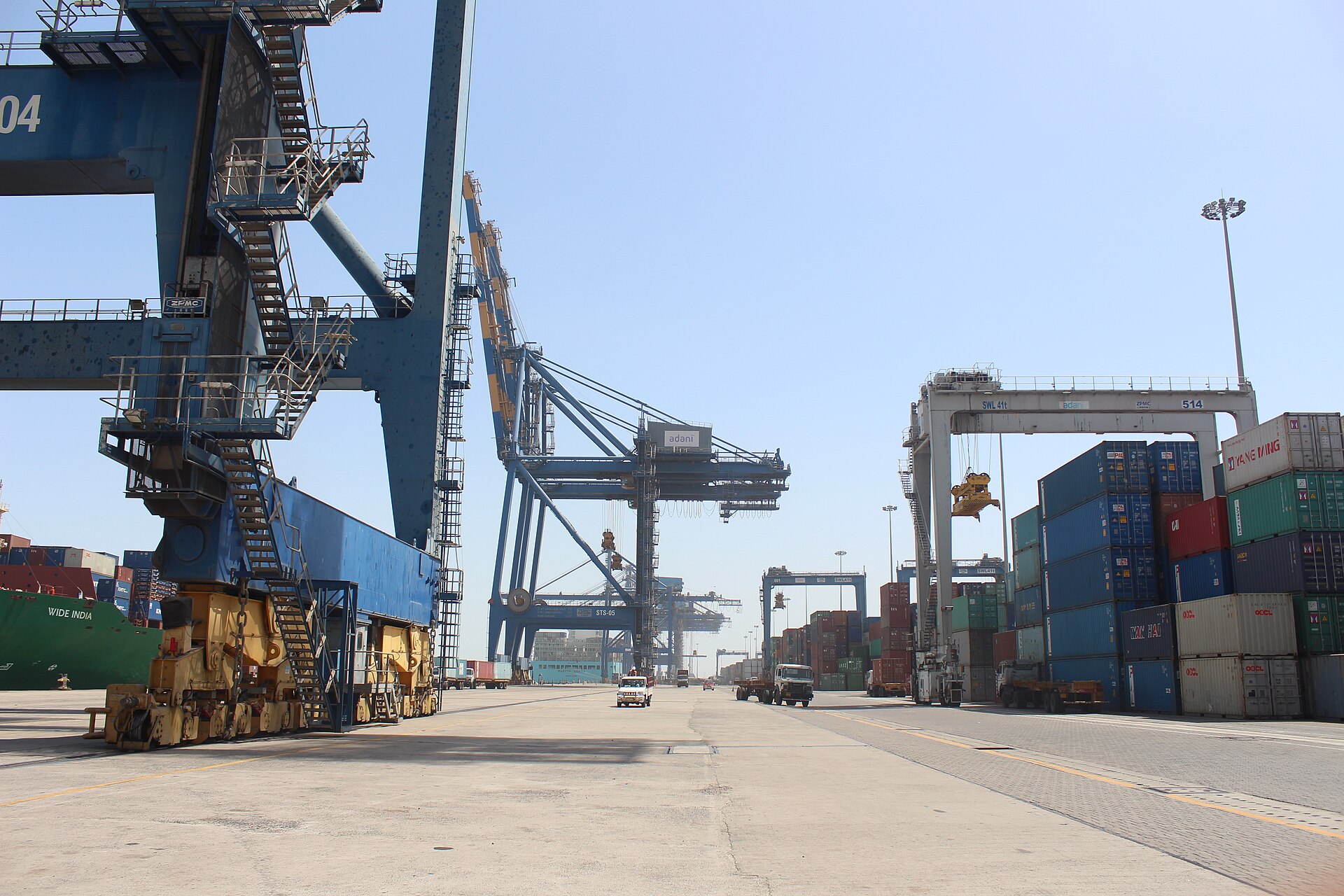
Adani Ports has struck a landmark deal with MSC’s terminal investment arm, TiL, marking a pivotal moment in India’s port infrastructure landscape. With a $1.397 billion investment for a 49% stake in Vizhinjam Port, this agreement is hailed as the largest foreign private investment in domestic port infrastructure. The Kerala transshipment hub is now valued at $2.85 billion, and Adani Ports shares have already seen a boost of over 1%.
This isn’t just a financial maneuver; it’s a strategic alignment that speaks volumes about the future of India’s port capabilities. TiL’s commitment to invest an additional $858 million by December 2028 for expansion underscores the long-term vision to elevate Vizhinjam’s capacity from 1.6 million TEUs to 5.7 million TEUs. Such growth potential positions Vizhinjam as a serious contender against established foreign transshipment hubs.
Supporters of the deal view the MSC partnership as a validation of Vizhinjam’s commercial viability, ensuring steady cargo volumes through MSC’s vast shipping network. However, skeptics question whether this is merely financial monetization or a significant shift in influence over a strategically important port.
The coming years will reveal whether this strategic move will reroute enough global container traffic to make Vizhinjam a genuine rival on the global stage. If successful, the modest 1% stock increase could be just the beginning of a more significant market shift.
On June 30, 2026, Adani Ports announced the definitive agreement with TiL. 85 billion and immediately pushed Adani Ports shares up about 1% in early trade to roughly Rs 1,794.
397 billion, or about Rs 13,225 crore, for the 49% holding in Adani Vizhinjam Port Private Ltd. 6 million TEUs, underscoring that investors are paying up not for a speculative greenfield concept but for an operating strategic asset.
397 billion price, the 49% stake figure, and the Rs 13,225 crore equivalent. TiL is expected to close on the 49% investment under the definitive agreement terms, and by December 2028 it is slated to put in the additional $858 million tied to expansion costs.
Adani Ports’ biggest new claim is that it has pulled off what it calls India’s largest foreign private investment in domestic port infrastructure, with MSC Group’s terminal arm TiL agreeing on June 30 to buy 49% of Adani Vizhinjam Port Private Ltd. If that begins showing up in throughput numbers over the next few quarters, today’s 1% stock pop could look conservative; if not, the deal may be remembered less as a breakthrough than as an expensive vote of confidence still waiting to be proven on the water.
Skeptics, reflected more in public discussion than in the corporate statements, are focused on how much value has been created on top of a state-backed infrastructure project in Kerala and on who ultimately captures that upside as the port scales. The clearest direct quote in the reporting came from Adani Ports’ own announcement, which said APSEZ and MSC were “deepen[ing] long-term partnership,” language that signals this is being sold as a strategic alignment rather than a one-off divestment.
On June 30, 2026, Adani Ports announced the definitive agreement with TiL. 397 billion investment from MSC’s TiL for a 49% stake in Vizhinjam Port, marking India’s largest foreign investment in domestic port infrastructure.
85 billion, with plans for an additional $858 million investment by December 2028 for expansion. Adani Ports shares rose over 1% following the announcement, reflecting market confidence in the strategic partnership with MSC.
7 million TEUs, potentially challenging established foreign transshipment hubs. 397 billion investment for a 49% stake in Vizhinjam Port, this agreement is hailed as the largest foreign private investment in domestic port infrastructure.
85 billion, and Adani Ports shares have already seen a boost of over 1%. If successful, the modest 1% stock increase could be just the beginning of a more significant market shift.
The scale and speed of this development has caught many observers off guard. Each new update adds another dimension to a story that is still unfolding, and the full picture will only become clear as more verified details emerge from the people and institutions directly involved.
Analysts who have tracked this issue closely say the current moment represents a genuine turning point. The decisions made in the coming weeks are expected to set the direction for months ahead, with ripple effects likely to extend well beyond the immediate actors in the story.
For those directly affected, the practical impact is already visible. People navigating this fast-changing situation are dealing with real consequences while new information continues to reshape what is known and what remains open to interpretation.
Historical parallels offer some context, though experts caution against drawing too close a comparison. Similar situations have played out before, but the specific combination of pressures, personalities, and timing here makes this moment distinct in ways that matter for how it ultimately resolves.
The political and economic dimensions of this story are deeply intertwined. What appears as a single event on the surface is in practice the convergence of multiple pressures that have been building quietly over a longer period than most public reporting has captured.