

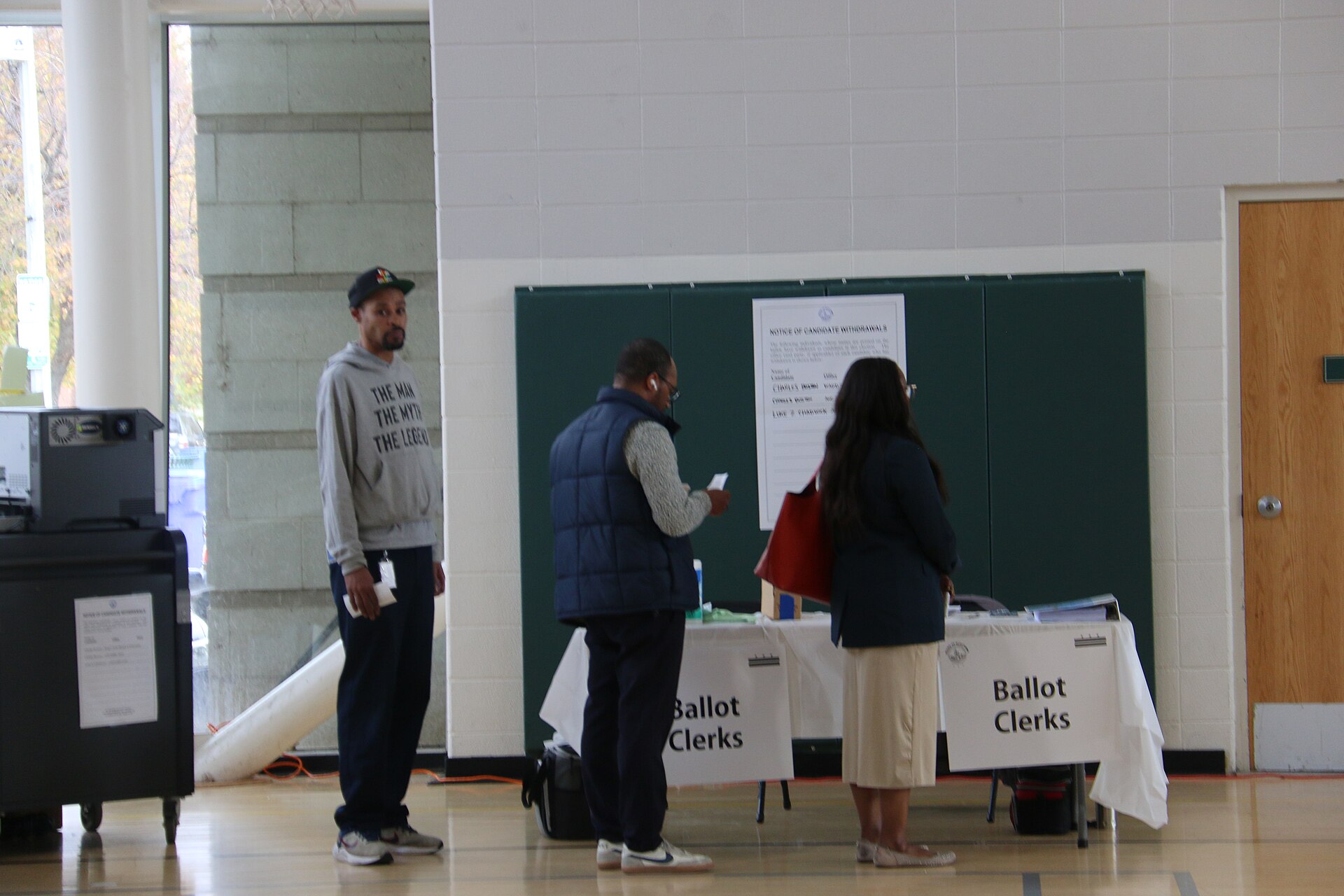

Quick Summary: Over 55,000 Early Votes Cast in South Carolina Amid Redistricting Battle
- Black Democratic turnout in the South is rising as an act of resistance against Trump’s influence on voting power and redistricting.
- Over 55,000 ballots were cast on the first day of early voting in South Carolina, reflecting a surge against a proposed new congressional map.
- Democrats are trying to channel anti-Trump energy into a unified midterm strategy, focusing on voter education and protection efforts.
- Republicans dismiss Democratic claims of significant turnout, but Democrats believe increased voter engagement can alter election outcomes.
- National Democratic leaders are emphasizing voter protection efforts as essential to counter GOP mapmaking and protect Black-held seats.
Source: Open external resource
Source: Read original article
As midterm elections loom, Black Democrats in the South are turning out in unprecedented numbers, driven by a determination to resist Donald Trump’s influence over voting power and redistricting. This surge, particularly in South Carolina, is not just a show of enthusiasm but a strategic mobilization against perceived threats to their political representation.
The numbers speak volumes. More than 55,000 ballots were cast on the first day of early voting for the June 9 primary in South Carolina, a direct response to Democratic calls to oppose a new congressional map seen as undermining Black representation. This turnout is part of a broader effort by Democrats to convert anti-Trump sentiment into a robust midterm machine, focusing on voter education and legal protections.
The stakes are high. While Republicans argue that Democratic claims of a turnout wave are exaggerated, Democrats see this mobilization as crucial, particularly in districts where a small shift in voter turnout could sway results. National Democratic figures, including House Minority Leader Hakeem Jeffries, are doubling down on voter protection efforts, signaling a commitment to counter GOP strategies that threaten Black-held seats.
Yet, the political landscape remains complex. Despite the energized base, there are signs of shifting allegiances, with some Black voters leaning Republican. However, where Trump’s actions are perceived as directly threatening, the backlash may galvanize enough support to make a significant impact in the upcoming elections.
Ultimately, the midterms will test whether this surge in Black voter engagement can be sustained and effectively harnessed to overcome Republican advantages in district maps and broader national trends. As Democrats continue to build their infrastructure, the coming months will reveal the true power of this resistance movement.
That spike came as the state Senate rejected a Republican plan, backed by Trump, that would have canceled the existing congressional primaries and replaced them with a new primary under redrawn districts. Axios reported in May that Republican identification among Black Americans has climbed into the mid-to-high teens in recent Gallup data, suggesting Black voters are not a perfectly locked-in Democratic bloc.
The Texas Tribune reported that Black Democrats caucusing at the convention cheered Senate nominee James Talarico, but the backdrop was continuing unease after his bruising primary with Rep. The short-term test is whether the South Carolina primary turnout surge and similar organizing in other Southern states translate into sustained general-election participation in November 2026.
According to Associated Press reporting on the state’s redistricting fight, more than 55,000 ballots were cast on the first day of early voting for the June 9 primary after Democrats urged voters to show up in force against a proposed new congressional map. That language matters because it signals Democrats see this as both an election administration fight and a turnout message.
A notable twist is that the same national environment contains warning signs for Democrats even as this resistance politics energizes core Black voters. That matters because Democrats are trying to convert anti-Trump energy into a unified midterm machine, yet they are still negotiating who gets to speak for Black voters and how confrontational the party should be.
The midterms are this fall, and Democrats are moving from message to infrastructure: voter education sessions, legal protection efforts and get-out-the-vote operations are already being organized, according to the Post. In South Carolina, Democrats and voting-rights advocates framed GOP redistricting efforts as a direct threat to Black representation, and that argument appears to have resonated with the party’s most reliable base at exactly the moment Democrats need intensity more than persuasion.
The short-term test is whether the South Carolina primary turnout surge and similar organizing in other Southern states translate into sustained general-election participation in November 2026. Quick Summary: Why resisting Trump has galvanized Black Democrats as the midterms approach – The Washington Post Black Democratic turnout in the South is rising as an act of resistance against Trump’s influence on voting power and redistricting.
More than 55,000 ballots were cast on the first day of early voting for the June 9 primary in South Carolina, a direct response to Democratic calls to oppose a new congressional map seen as undermining Black representation. In South Carolina, Democrats and voting-rights advocates framed GOP redistricting efforts as a direct threat to Black representation, and that argument appears to have resonated with the party’s most reliable base at exactly the moment Democrats need intensity more than persuasion.
Democrats are trying to channel anti-Trump energy into a unified midterm strategy, focusing on voter education and protection efforts. Republicans dismiss Democratic claims of significant turnout, but Democrats believe increased voter engagement can alter election outcomes.
The scale and speed of this development has caught many observers off guard. Each new update adds another dimension to a story that is still unfolding, and the full picture will only become clear as more verified details emerge from the people and institutions directly involved.
Analysts who have tracked this issue closely say the current moment represents a genuine turning point. The decisions made in the coming weeks are expected to set the direction for months ahead, with ripple effects likely to extend well beyond the immediate actors in the story.
For those directly affected, the practical impact is already visible. People navigating this fast-changing situation are dealing with real consequences while new information continues to reshape what is known and what remains open to interpretation.
Historical parallels offer some context, though experts caution against drawing too close a comparison. Similar situations have played out before, but the specific combination of pressures, personalities, and timing here makes this moment distinct in ways that matter for how it ultimately resolves.
The political and economic dimensions of this story are deeply intertwined. What appears as a single event on the surface is in practice the convergence of multiple pressures that have been building quietly over a longer period than most public reporting has captured.