

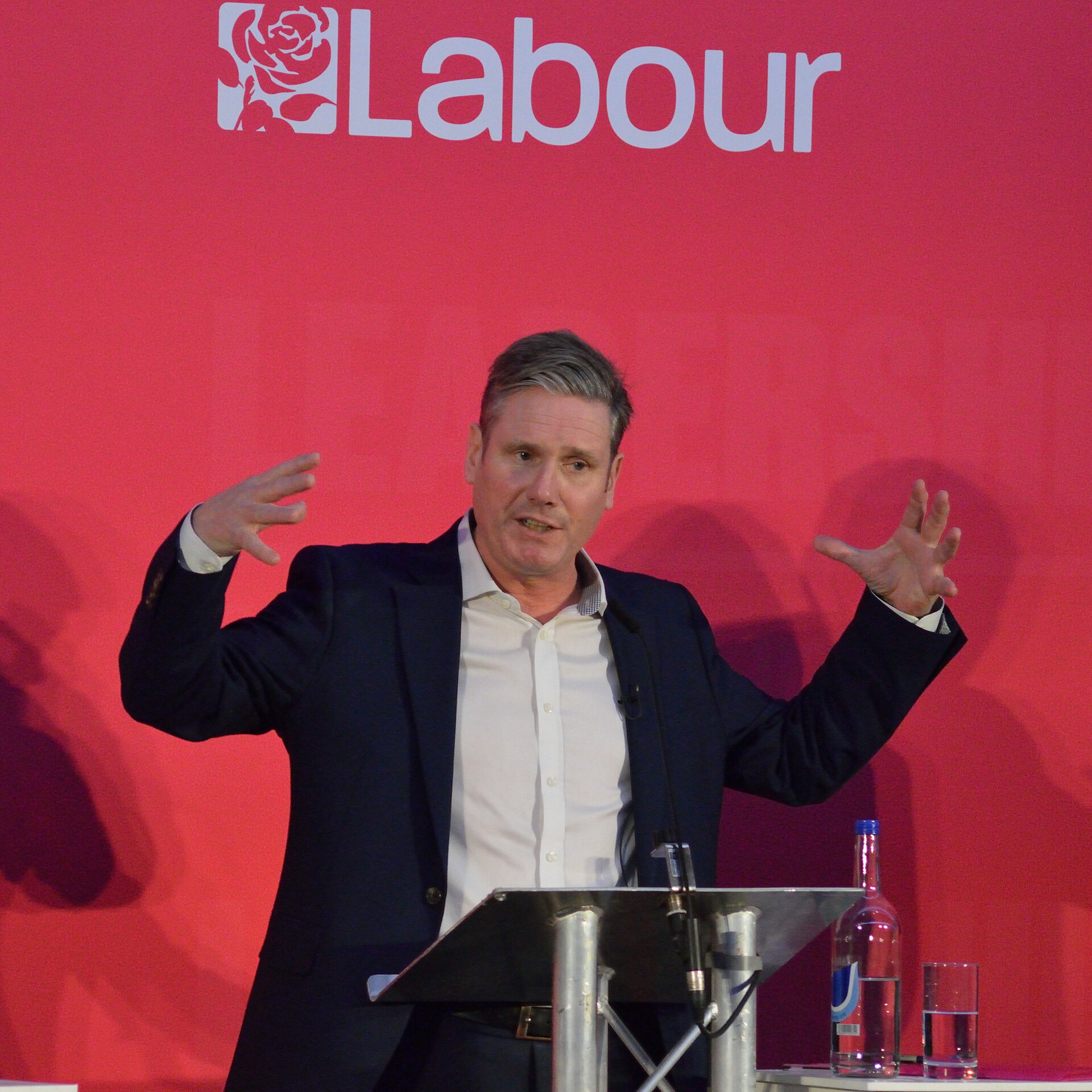

Quick Summary: Keir Starmer Resigns Amid Labour Revolt and Electoral Losses
- Keir Starmer resigned as Labour leader on June 22 after internal party revolt and scandals.
- Andy Burnham’s by-election win increased pressure on Starmer, positioning Burnham as a potential successor.
- Starmer faced a leadership crisis after losing more than 1,200 seats in England’s local elections.
- Controversies, including the appointment of Peter Mandelson, damaged Starmer’s credibility.
- Health Secretary Wes Streeting resigned, symbolizing the rebellion against Starmer.
Source: Open external resource
Source: Read original article
Keir Starmer’s rapid fall from grace is a political drama that few saw coming. Once hailed as the Labour Party’s hero, Starmer’s resignation on June 22 marks a stunning reversal of fortune, driven by internal revolts, electoral failures, and scandalous missteps.
Starmer’s leadership crumbled under the weight of his own decisions and the party’s electoral disasters. The loss of over 1,200 local seats in England and the worst Scottish election result on record signaled a leadership emergency. Andy Burnham’s by-election victory only intensified the pressure, positioning him as a viable successor.
Adding fuel to the fire was Starmer’s controversial appointment of Peter Mandelson, a move that backfired spectacularly due to Mandelson’s connections to Jeffrey Epstein. Despite not being directly involved, the association severely tarnished Starmer’s image.
As Labour braces for a leadership contest, the party must navigate these turbulent waters carefully. The question remains whether they can replace Starmer without further destabilizing the party. With candidates like Burnham and Wes Streeting emerging, the coming months will be crucial for Labour’s future.
The central conflict driving the story is no longer just whether Starmer governed badly, but whether Labour can avoid self-destruction while replacing him fast enough to stop Reform UK and stabilize government. ” Another bizarre wrinkle is that his resignation was effectively pre-announced in the media ecosystem before he formally delivered it, underscoring how little control he retained over his own political narrative in the end.
The clearest new development in the latest reporting is that Starmer has now accepted the verdict of his own MPs and will step down as Labour leader while staying on only as caretaker prime minister until a successor is chosen. AP reports that more than 100 Labour members of Parliament had called for Starmer to step down after Reform UK won the largest number of local seats, while the Greens peeled support away on Labour’s left flank.
Axios says the May election damage included Labour losing control of Wales’ Parliament, recording its worst Scottish election result on record, and dropping more than 1,200 seats in England. AP says several ministers quit in protest, including Health Secretary Wes Streeting, instantly making him both a symbol of the rebellion and a possible successor.
On Friday, June 19, Starmer was still defiantly telling reporters he would contest any challenge. Keir Starmer’s premiership ended not with a formal coup but with his own resignation on Monday, June 22, after Labour’s internal revolt, Andy Burnham’s by-election breakthrough, and months of scandal left him acknowledging that his parliamentary party no longer believed he could lead it into the next general election.
In practical political terms, that turned grumbling into a leadership emergency, because Labour rules require a challenger to secure backing from 20 percent of Labour MPs, or 81 lawmakers, before moving on to the wider contest machinery. Washington Post reporting from June 19 and June 21 made clear that Burnham’s special-election victory transformed the situation because becoming an MP put him in immediate position to challenge for the leadership and potentially the premiership.
Starmer faced a leadership crisis after losing more than 1,200 seats in England’s local elections. Health Secretary Wes Streeting resigned, symbolizing the rebellion against Starmer.
Once hailed as the Labour Party’s hero, Starmer’s resignation on June 22 marks a stunning reversal of fortune, driven by internal revolts, electoral failures, and scandalous missteps. The loss of over 1,200 local seats in England and the worst Scottish election result on record signaled a leadership emergency.
AP says several ministers quit in protest, including Health Secretary Wes Streeting, instantly making him both a symbol of the rebellion and a possible successor. On Friday, June 19, Starmer was still defiantly telling reporters he would contest any challenge.
Keir Starmer’s premiership ended not with a formal coup but with his own resignation on Monday, June 22, after Labour’s internal revolt, Andy Burnham’s by-election breakthrough, and months of scandal left him acknowledging that his parliamentary party no longer believed he could lead it into the next general election. In practical political terms, that turned grumbling into a leadership emergency, because Labour rules require a challenger to secure backing from 20 percent of Labour MPs, or 81 lawmakers, before moving on to the wider contest machinery.
The scale and speed of this development has caught many observers off guard. Each new update adds another dimension to a story that is still unfolding, and the full picture will only become clear as more verified details emerge from the people and institutions directly involved.
Analysts who have tracked this issue closely say the current moment represents a genuine turning point. The decisions made in the coming weeks are expected to set the direction for months ahead, with ripple effects likely to extend well beyond the immediate actors in the story.
For those directly affected, the practical impact is already visible. People navigating this fast-changing situation are dealing with real consequences while new information continues to reshape what is known and what remains open to interpretation.
Historical parallels offer some context, though experts caution against drawing too close a comparison. Similar situations have played out before, but the specific combination of pressures, personalities, and timing here makes this moment distinct in ways that matter for how it ultimately resolves.
The political and economic dimensions of this story are deeply intertwined. What appears as a single event on the surface is in practice the convergence of multiple pressures that have been building quietly over a longer period than most public reporting has captured.