

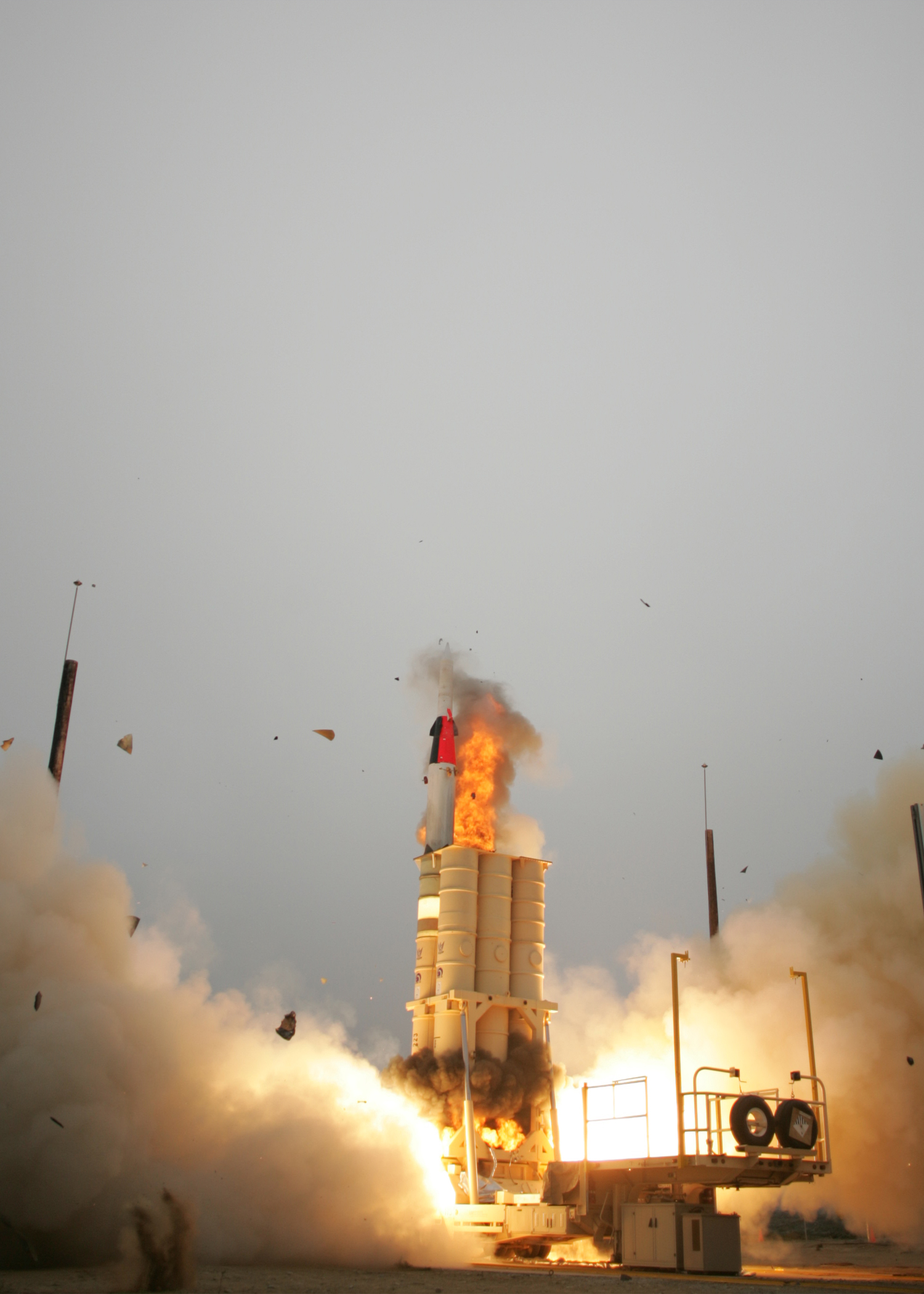

Quick Summary: Trump Orders New Strikes on Iran as Gulf Tensions Escalate
- Iran’s Revolutionary Guard launched drone and missile attacks on Bahrain and Kuwait after U.S. strikes.
- U.S. Central Command targeted Iranian military infrastructure in response to threats to maritime traffic.
- President Trump ordered a second wave of strikes, signaling a shift from diplomacy to coercion.
- Shafaq News reported no immediate casualties or damage from the attacks on Kuwait and Bahrain.
- Iran warned of a “complete halt” to negotiations if U.S. attacks continue.
Source: Open external resource
Source: Read original article
The Gulf region is once again a powder keg, with unidentified missiles targeting Kuwait and Bahrain following recent U.S. strikes on Iranian targets. This escalation comes just days after a supposed ceasefire deal, now teetering on the brink of collapse.
Iran’s Revolutionary Guard has retaliated with drone and missile attacks, marking a significant escalation in the ongoing conflict. The U.S., under President Trump’s directive, has responded with a second wave of strikes, further straining already fragile diplomatic ties. The Strait of Hormuz, a crucial artery for global oil traffic, is now at the center of this geopolitical standoff.
Shafaq News reports that while the missiles targeted strategic sites like Camp Buehring in Kuwait and Sheikh Isa Air Base in Bahrain, no immediate casualties or damage have been confirmed. However, the implications of these attacks are profound, with both nations on high alert and the potential for further military engagement looming large.
As Iran warns of halting negotiations and the U.S. positions itself for potential further action, the question remains whether this is a temporary flare-up or the start of a more prolonged conflict. The stakes are high, not just for the countries involved but for global energy markets and regional stability.
Axios, citing the latest overnight sequence, said President Donald Trump had already ordered a second wave of strikes within 24 hours and then threatened to “complete the job,” a sign that the diplomatic off-ramp is being replaced by open coercive signaling. response involved an attack drone aimed at the tanker M/T Kiku as it transited the Strait of Hormuz carrying more than 2 million barrels of crude oil.
aircraft targeted Iranian military infrastructure after what it described as a threat to maritime traffic. AP reported Sunday, June 28, that Iran’s Revolutionary Guard launched drone and missile attacks targeting Bahrain and Kuwait and warned that a “complete halt” to talks to end the war could follow if Washington keeps attacking.
Early Sunday, June 28, attacks were reported against Kuwait and Bahrain. The most striking reversal is that an arrangement signed only about 10 days earlier to stop the fighting is now being tested by a cycle of strike, counterstrike, and threatened diplomatic breakdown.
That cargo figure is the key statistic because it shows the stakes are not merely military; they run directly through global energy shipping lanes and the world’s most sensitive oil chokepoint. Crucially, Shafaq said authorities did not immediately report casualties or damage.
military installation, while Sheikh Isa Air Base is among Bahrain’s most sensitive strategic sites. Iran’s Revolutionary Guard, according to AP, carried out the retaliatory drone and missile attacks on Kuwait and Bahrain.
President Trump ordered a second wave of strikes, signaling a shift from diplomacy to coercion. AP reported Sunday, June 28, that Iran’s Revolutionary Guard launched drone and missile attacks targeting Bahrain and Kuwait and warned that a “complete halt” to talks to end the war could follow if Washington keeps attacking.
Early Sunday, June 28, attacks were reported against Kuwait and Bahrain. However, the implications of these attacks are profound, with both nations on high alert and the potential for further military engagement looming large.
Crucially, Shafaq said authorities did not immediately report casualties or damage. military installation, while Sheikh Isa Air Base is among Bahrain’s most sensitive strategic sites.
Iran’s Revolutionary Guard, according to AP, carried out the retaliatory drone and missile attacks on Kuwait and Bahrain. , under President Trump’s directive, has responded with a second wave of strikes, further straining already fragile diplomatic ties.
The scale and speed of this development has caught many observers off guard. Each new update adds another dimension to a story that is still unfolding, and the full picture will only become clear as more verified details emerge from the people and institutions directly involved.
Analysts who have tracked this issue closely say the current moment represents a genuine turning point. The decisions made in the coming weeks are expected to set the direction for months ahead, with ripple effects likely to extend well beyond the immediate actors in the story.
For those directly affected, the practical impact is already visible. People navigating this fast-changing situation are dealing with real consequences while new information continues to reshape what is known and what remains open to interpretation.
Historical parallels offer some context, though experts caution against drawing too close a comparison. Similar situations have played out before, but the specific combination of pressures, personalities, and timing here makes this moment distinct in ways that matter for how it ultimately resolves.
The political and economic dimensions of this story are deeply intertwined. What appears as a single event on the surface is in practice the convergence of multiple pressures that have been building quietly over a longer period than most public reporting has captured.