

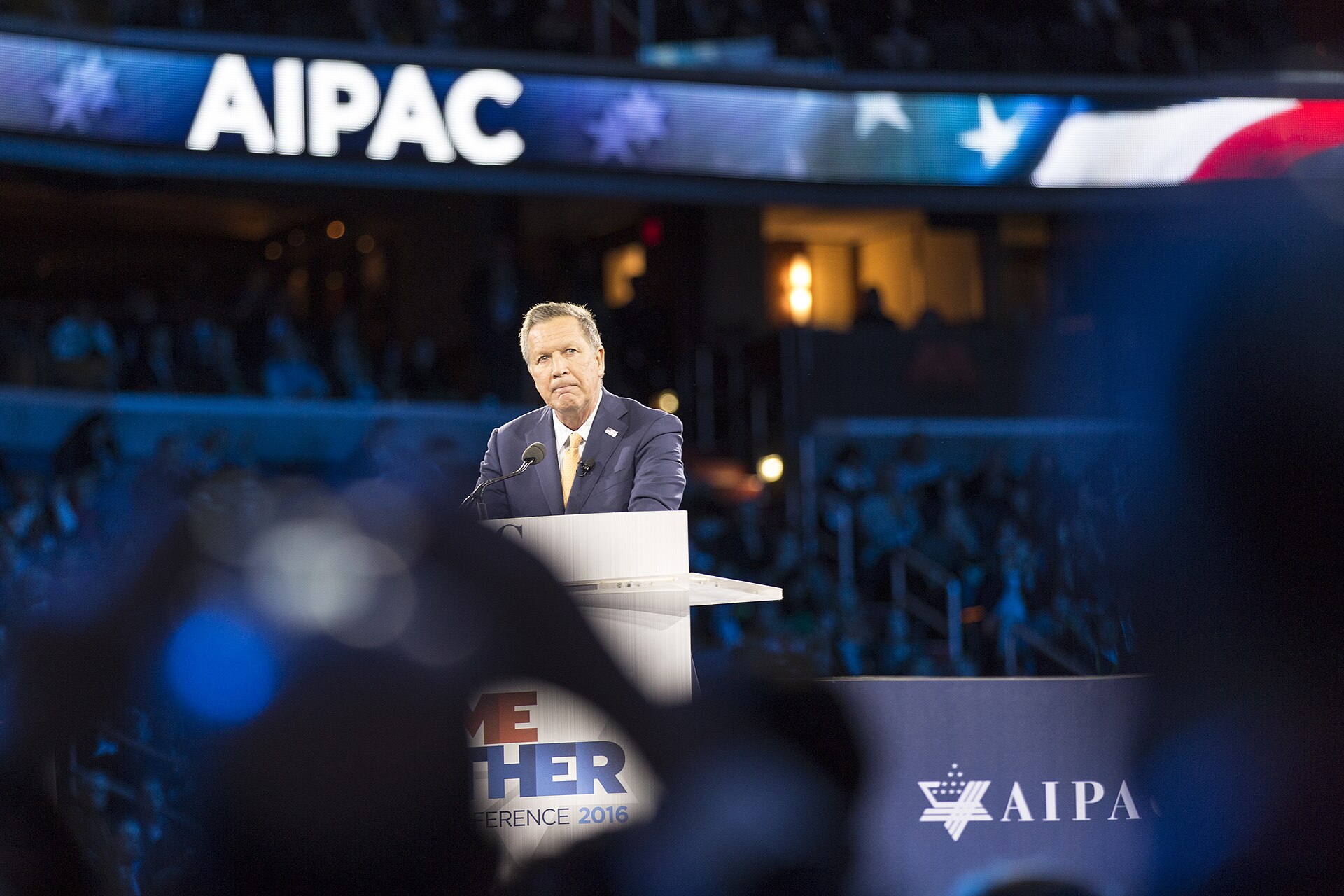

Quick Summary: Democratic Primaries Challenge Aipacs Role After Schakowskys Stance
- Rep. Jan Schakowsky withdrew support for Donna Miller, citing AIPAC-linked funding — a significant shift for a prominent Jewish Democrat.
- Schakowsky’s move was part of a broader decline in AIPAC’s influence among Democrats — especially progressives and Jewish Democrats.
- Pro-Israel donors and groups spent $13.7 million in Chicago-area primaries — testing AIPAC’s influence in blue districts.
- AIPAC and aligned groups claimed victories in multiple contests — raising questions about the impact of outside money.
- Schakowsky’s stance reframed the debate on donor influence — challenging the legitimacy of external financial support in Democratic primaries.
Source: Open external resource
Source: Read original article
In a bold political maneuver, Rep. Jan Schakowsky has severed her endorsement of Cook County Commissioner Donna Miller, spotlighting the contentious role of AIPAC-linked funding in Democratic primaries. This decision marks a pivotal moment for Schakowsky, traditionally seen as a stalwart ally within pro-Israel circles, and signals a broader shift in the political landscape.
The Chicago Sun-Times revealed that Schakowsky withdrew her support on February 19, 2026, following revelations of AIPAC-affiliated financial backing for Miller. This move is emblematic of a growing discontent among Democrats, particularly progressives and some Jewish members, with AIPAC’s influence, especially given its support for Republicans involved in efforts to overturn the 2020 election.
In the broader context, pro-Israel donors and associated groups injected a staggering $13.7 million into Chicago-area primaries, transforming local races into a national battleground over AIPAC’s waning influence in traditionally Democratic strongholds. Despite Schakowsky’s withdrawal, AIPAC-aligned forces secured significant victories, including Miller’s, underscoring the formidable power of external funding.
Schakowsky’s public disavowal reframes the debate from Middle East policy to the legitimacy of donor influence, challenging the notion that Democratic candidates can maintain independence while accepting pro-Israel super PAC support. Her stance could either set a precedent for treating AIPAC support as a political liability or highlight the enduring clout of well-funded campaigns.
7 million, according to subsequent Sun-Times reporting, turning what might have been local House races into a national test of whether AIPAC’s cash still works in blue Illinois districts. Chicago Sun-Times reported that Schakowsky withdrew her backing on February 19, 2026, after what it described as a “flurry of media reports” and accounts from rival candidates showing Miller benefiting from AIPAC donor money and an AIPAC-affiliated super PAC.
Reporting on the March 18, 2026 primaries showed AIPAC and aligned groups claiming wins in multiple Chicago-area contests, including Miller’s, after major spending. In early to mid-February 2026, reports surfaced about AIPAC-linked money and allied PAC activity in the Illinois races.
Another revealing detail from the reporting is that Schakowsky’s move was part of a wider deterioration in AIPAC’s standing among Democrats, especially progressives and some Jewish Democrats angered by the Gaza war and by AIPAC’s support for some Republicans tied to efforts to overturn the 2020 election. 7 million across Chicago-area primaries.
Then on March 18, primary results arrived, and AIPAC-linked forces claimed a series of victories, including Miller’s race, turning Schakowsky’s warning into a failed attempt to blunt the effect of outside money. Politically, that is the pivot: Schakowsky moved from being known historically as someone who had once maintained ties with pro-Israel establishment networks to openly making AIPAC support itself disqualifying in a Democratic primary.
On February 19, Schakowsky publicly withdrew her endorsement of Miller. The biggest new turn in the “Schakowsky’s AIPAC pivot” story is that Rep.
The Chicago Sun-Times revealed that Schakowsky withdrew her support on February 19, 2026, following revelations of AIPAC-affiliated financial backing for Miller. 7 million, according to subsequent Sun-Times reporting, turning what might have been local House races into a national test of whether AIPAC’s cash still works in blue Illinois districts.
Chicago Sun-Times reported that Schakowsky withdrew her backing on February 19, 2026, after what it described as a “flurry of media reports” and accounts from rival candidates showing Miller benefiting from AIPAC donor money and an AIPAC-affiliated super PAC. 7 million in Chicago-area primaries — testing AIPAC’s influence in blue districts.
7 million into Chicago-area primaries, transforming local races into a national battleground over AIPAC’s waning influence in traditionally Democratic strongholds. Reporting on the March 18, 2026 primaries showed AIPAC and aligned groups claiming wins in multiple Chicago-area contests, including Miller’s, after major spending.
In early to mid-February 2026, reports surfaced about AIPAC-linked money and allied PAC activity in the Illinois races. Quick Summary: Schakowsky’s AIPAC pivot – Politico Rep.
The scale and speed of this development has caught many observers off guard. Each new update adds another dimension to a story that is still unfolding, and the full picture will only become clear as more verified details emerge from the people and institutions directly involved.
Analysts who have tracked this issue closely say the current moment represents a genuine turning point. The decisions made in the coming weeks are expected to set the direction for months ahead, with ripple effects likely to extend well beyond the immediate actors in the story.
For those directly affected, the practical impact is already visible. People navigating this fast-changing situation are dealing with real consequences while new information continues to reshape what is known and what remains open to interpretation.
Historical parallels offer some context, though experts caution against drawing too close a comparison. Similar situations have played out before, but the specific combination of pressures, personalities, and timing here makes this moment distinct in ways that matter for how it ultimately resolves.
The political and economic dimensions of this story are deeply intertwined. What appears as a single event on the surface is in practice the convergence of multiple pressures that have been building quietly over a longer period than most public reporting has captured.