


Quick Summary: Trump Uses White House Address to Revive 2020 Election Fraud Claims
- Trump is using a White House primetime address to amplify his 2020 election claims, despite previous findings of no major fraud.
- Trump’s administration is reportedly considering releasing sensitive intelligence about potential Chinese election interference.
- Congress approved $45 million for election-system grants, highlighting the ongoing federal role in voting standards.
- Trump’s insistence on election fraud contradicts the conclusions of his administration’s own cybersecurity and intelligence reviews.
- The administration has explored bypassing federal election agencies to alter voting-machine oversight.
Source: Open external resource
Source: Read original article
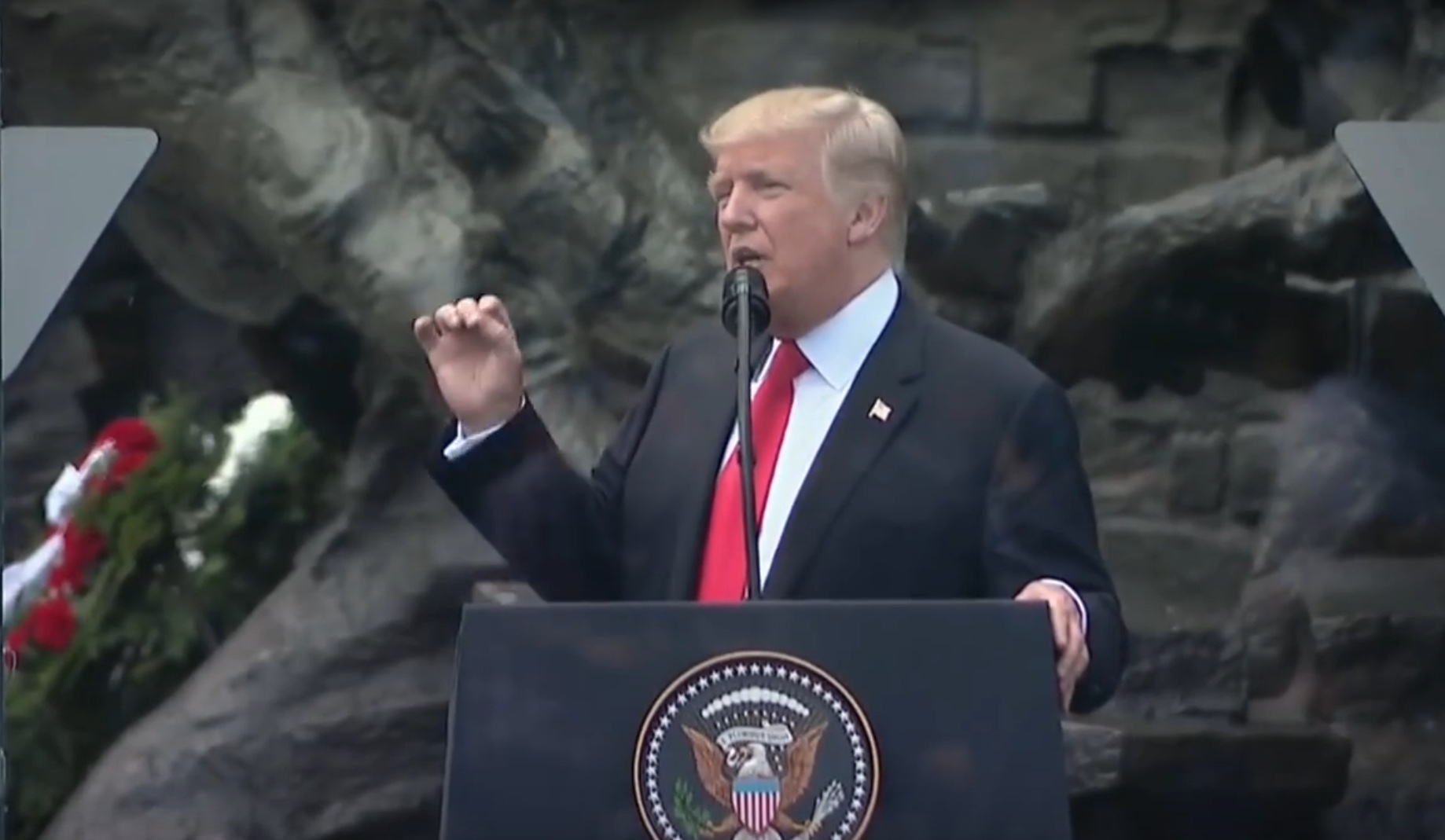
President Donald Trump is once again thrusting his election obsession into the national spotlight. On July 16, 2026, he plans to use a White House primetime address to elevate his long-disputed claims of 2020 election fraud to an official presidential event. This move comes despite his own administration’s earlier findings and multiple reports that have consistently debunked allegations of widespread fraud or vote manipulation.
The administration’s strategy appears to be an attempt to package disputed material about election vulnerabilities and alleged Chinese interference into a politically charged moment. Reports suggest that the White House is considering releasing sensitive intelligence regarding China’s potential influence on U.S. elections. This raises questions about the administration’s motives and the potential impact on public trust in electoral processes.
In the backdrop of Trump’s address is Congress’s approval of $45 million for state election-system grants, underscoring the federal government’s ongoing role in setting voting standards. However, Trump’s narrative of election fraud starkly contrasts with the conclusions of officials who conducted election-security and intelligence reviews, including former CISA chief Chris Krebs, who affirmed the 2020 election’s security.
Recent reports have also highlighted the administration’s efforts to sidestep the Election Assistance Commission and alter voting-machine oversight. This suggests a broader agenda to reshape the electoral machinery in line with Trump’s claims, potentially affecting future elections and voting-machine standards.
As Trump prepares to address the nation, the stakes are high. The outcome of this speech could influence future electoral policies and the political landscape ahead of the November 2026 elections. Whether Trump will pair his rhetoric with concrete executive actions or legislative pushes remains to be seen, but the implications for American democracy are significant.
AP noted that, in the aftermath of the 2020 race, Trump-appointed leaders at the Justice Department, cybersecurity agencies and intelligence bodies said the election was legitimate and showed no major fraud or foreign interference. President Donald Trump’s biggest new move is that he is using a White House primetime address tonight, July 16, 2026, to elevate his long-running 2020 election claims into an official presidential event, even as his own administration’s earlier appointees and multiple recent reports undercut the idea of proven fraud or vote-flipping.
One especially striking name back in the spotlight is former CISA chief Chris Krebs, who said the 2020 election was secure and saw no signs of tampering; AP says Trump later fired Krebs and, after returning to power in 2025, demanded an investigation of him. Reuters also reported Congress approved $45 million for the commission in fiscal 2026 for state election-system grants, underscoring that the fight is not abstract: it involves the federal body that helps set voluntary voting-system standards and supports state election administration.
By July 16, AP reported Trump was preparing to make his election obsession the focus of a White House primetime address, with simultaneous attention on confirmation hearings where at least one Trump nominee, Jay Clayton, was described as echoing the administration’s refusal to plainly validate Biden’s 2020 win. AP reported that Trump has made voter ID requirements and sharp limits on mail voting a core issue in his second term, and Reuters has described the broader strategy as one aimed at justifying new voting restrictions and energizing supporters ahead of the November 2026 elections that will determine control of Congress.
The central conflict is between Trump’s insistence that the 2020 election remains suspect and the longstanding conclusion of officials who actually ran election-security and intelligence reviews. Reuters reported in May that Trump repeated the false claim that the 2020 election was stolen at least 107 times in six months, including in at least six meetings with world leaders and at two White House celebrations.
On July 10, Reuters reported the administration’s behind-the-scenes effort to sidestep the Election Assistance Commission and alter voting-machine oversight. Reuters reported on July 10 that White House officials spent months looking for ways to bypass the federal Election Assistance Commission and even use emergency powers to force changes to voting machines before Trump ousted the agency’s leaders.
President Donald Trump’s biggest new move is that he is using a White House primetime address tonight, July 16, 2026, to elevate his long-running 2020 election claims into an official presidential event, even as his own administration’s earlier appointees and multiple recent reports undercut the idea of proven fraud or vote-flipping. Congress approved $45 million for election-system grants, highlighting the ongoing federal role in voting standards.
On July 16, 2026, he plans to use a White House primetime address to elevate his long-disputed claims of 2020 election fraud to an official presidential event. Reuters also reported Congress approved $45 million for the commission in fiscal 2026 for state election-system grants, underscoring that the fight is not abstract: it involves the federal body that helps set voluntary voting-system standards and supports state election administration.
The central conflict is between Trump’s insistence that the 2020 election remains suspect and the longstanding conclusion of officials who actually ran election-security and intelligence reviews. Quick Summary: After six years, Trump brings his election obsession to primetime at the White House – WSLS Trump is using a White House primetime address to amplify his 2020 election claims, despite previous findings of no major fraud.
The scale and speed of this development has caught many observers off guard. Each new update adds another dimension to a story that is still unfolding, and the full picture will only become clear as more verified details emerge from the people and institutions directly involved.
Analysts who have tracked this issue closely say the current moment represents a genuine turning point. The decisions made in the coming weeks are expected to set the direction for months ahead, with ripple effects likely to extend well beyond the immediate actors in the story.
For those directly affected, the practical impact is already visible. People navigating this fast-changing situation are dealing with real consequences while new information continues to reshape what is known and what remains open to interpretation.
Historical parallels offer some context, though experts caution against drawing too close a comparison. Similar situations have played out before, but the specific combination of pressures, personalities, and timing here makes this moment distinct in ways that matter for how it ultimately resolves.
The political and economic dimensions of this story are deeply intertwined. What appears as a single event on the surface is in practice the convergence of multiple pressures that have been building quietly over a longer period than most public reporting has captured.