

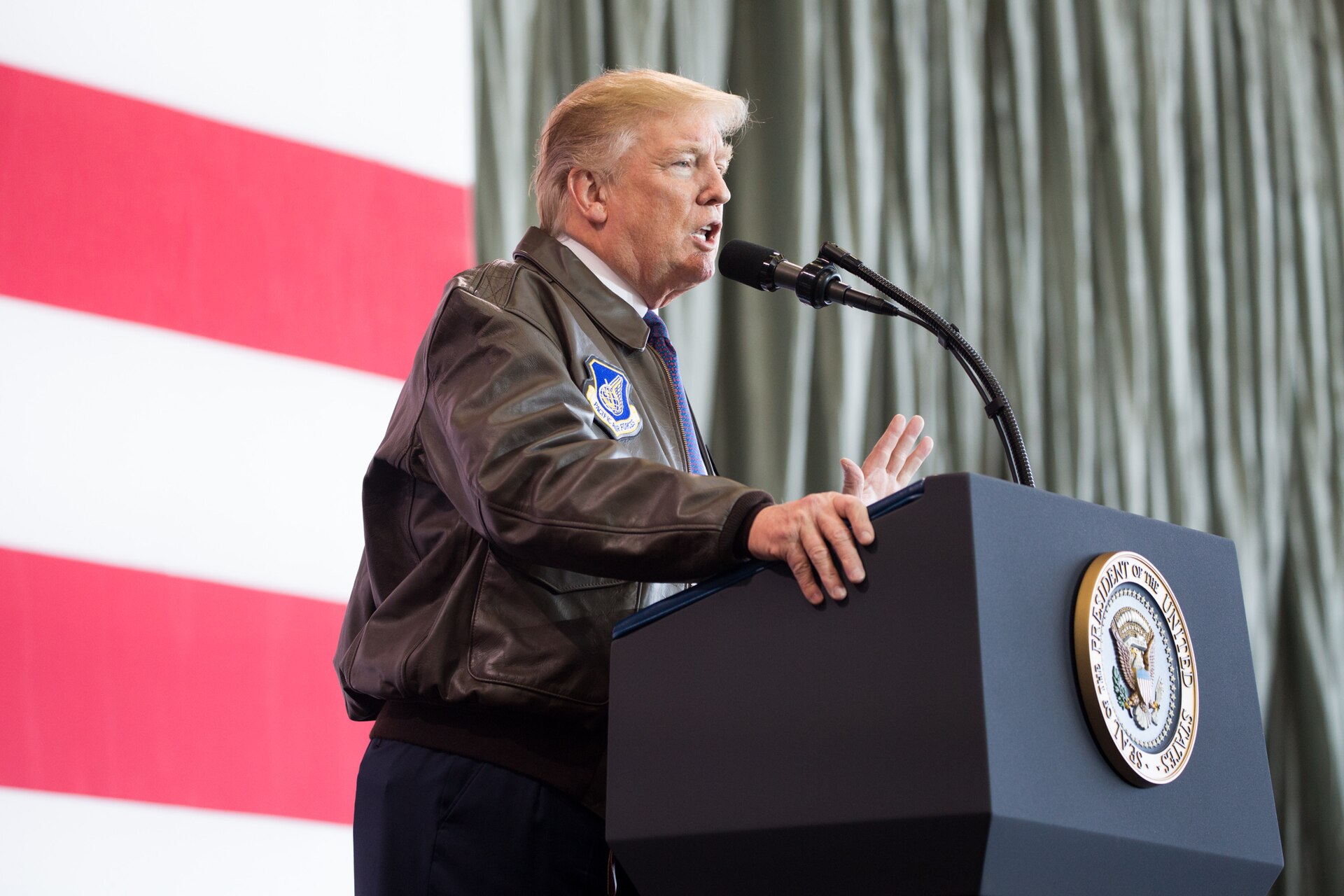

Quick Summary: President Trump Warns Iran of Severe Consequences in Gulf Standoff
- Iran struck U.S. military sites in the Gulf following U.S. attacks on Iranian targets — escalating tensions in the region.
- The U.S. Central Command reported hitting over 80 Iranian targets with precision munitions — marking a significant military response.
- The conflict centers on control of shipping routes in the Strait of Hormuz — a critical global oil chokepoint.
- U.S. strikes included Iranian air-defense systems and command networks — expanding beyond typical coastal targets.
- President Trump and Iranian Speaker Qalibaf exchanged sharp rhetoric — signaling no immediate de-escalation.
Source: Open external resource
Source: Read original article
In a dramatic escalation of tensions, Iran has launched strikes on U.S. military bases in the Gulf, retaliating after the U.S. targeted over 80 Iranian sites. This conflict, rooted in control over the strategic Strait of Hormuz, threatens to spiral into a broader confrontation.
The U.S. Central Command’s recent offensive is one of the largest in recent memory, targeting key Iranian military assets. This response follows Iran’s attacks on commercial vessels, underscoring the high stakes involved in controlling vital oil shipping lanes.
The Strait of Hormuz, through which a significant portion of the world’s oil supply passes, is now the epicenter of this geopolitical struggle. Both nations are flexing military might, with Iran asserting its right to designate shipping routes, while the U.S. supports alternative paths.
Amidst this military brinkmanship, the rhetoric from both sides has intensified. President Trump has warned of severe consequences, while Iranian Speaker Qalibaf insists that Iran will not bow to U.S. pressure. This standoff raises the specter of further escalation unless diplomatic channels can be reopened.
official, reported that Central Command “completed a new round of offensive strikes against Iran,” hitting “over 80 targets with precision munitions” after what it described as Iran’s latest attacks on commercial vessels in the Strait of Hormuz. 80 a barrel on Wednesday while Brent climbed close to $79, its highest level since June 19.
By Thursday, July 9, AP said both sides were exchanging intensifying fire across the Gulf and the interim deal to end the war was under severe strain. The interim understanding signed less than three weeks ago is the formal mechanism at risk, and both AP and Axios indicate that Washington and Tehran are still implicitly testing whether they can preserve some off-ramp even while trading blows.
answered with one of its largest recent strike packages in Iran, and Tehran then struck American military sites in the Gulf while both sides openly threatened an even wider escalation. That dispute over who controls the “safe route” through Hormuz is now the core conflict driving the story.
Let me put it plainly: if you strike, you’ll get hit,” while Axios reported him separately saying, “The era of bullying and extortion is over. strikes appear to have expanded beyond the usual coastal and military targets.
attacks appeared to hit Iranian bridges, including a railway bridge in Golestan province and possibly two bridges on the route to Mashhad, where officials planned to bury the late Ayatollah Ali Khamenei on Thursday, July 9. AP quoted Oxford Economics’ Ben May asking whether the latest violence is “merely a bump in the road” or whether the world is emerging from the “‘eye of the storm,’” underscoring that the economic stakes now extend far beyond the military exchange itself.
Central Command’s recent offensive is one of the largest in recent memory, targeting key Iranian military assets. Amidst this military brinkmanship, the rhetoric from both sides has intensified.
That dispute over who controls the “safe route” through Hormuz is now the core conflict driving the story. Let me put it plainly: if you strike, you’ll get hit,” while Axios reported him separately saying, “The era of bullying and extortion is over.
President Trump and Iranian Speaker Qalibaf exchanged sharp rhetoric — signaling no immediate de-escalation. attacks appeared to hit Iranian bridges, including a railway bridge in Golestan province and possibly two bridges on the route to Mashhad, where officials planned to bury the late Ayatollah Ali Khamenei on Thursday, July 9.
AP quoted Oxford Economics’ Ben May asking whether the latest violence is “merely a bump in the road” or whether the world is emerging from the “‘eye of the storm,’” underscoring that the economic stakes now extend far beyond the military exchange itself. strikes included Iranian air-defense systems and command networks — expanding beyond typical coastal targets.
The scale and speed of this development has caught many observers off guard. Each new update adds another dimension to a story that is still unfolding, and the full picture will only become clear as more verified details emerge from the people and institutions directly involved.
Analysts who have tracked this issue closely say the current moment represents a genuine turning point. The decisions made in the coming weeks are expected to set the direction for months ahead, with ripple effects likely to extend well beyond the immediate actors in the story.
For those directly affected, the practical impact is already visible. People navigating this fast-changing situation are dealing with real consequences while new information continues to reshape what is known and what remains open to interpretation.
Historical parallels offer some context, though experts caution against drawing too close a comparison. Similar situations have played out before, but the specific combination of pressures, personalities, and timing here makes this moment distinct in ways that matter for how it ultimately resolves.
The political and economic dimensions of this story are deeply intertwined. What appears as a single event on the surface is in practice the convergence of multiple pressures that have been building quietly over a longer period than most public reporting has captured.