

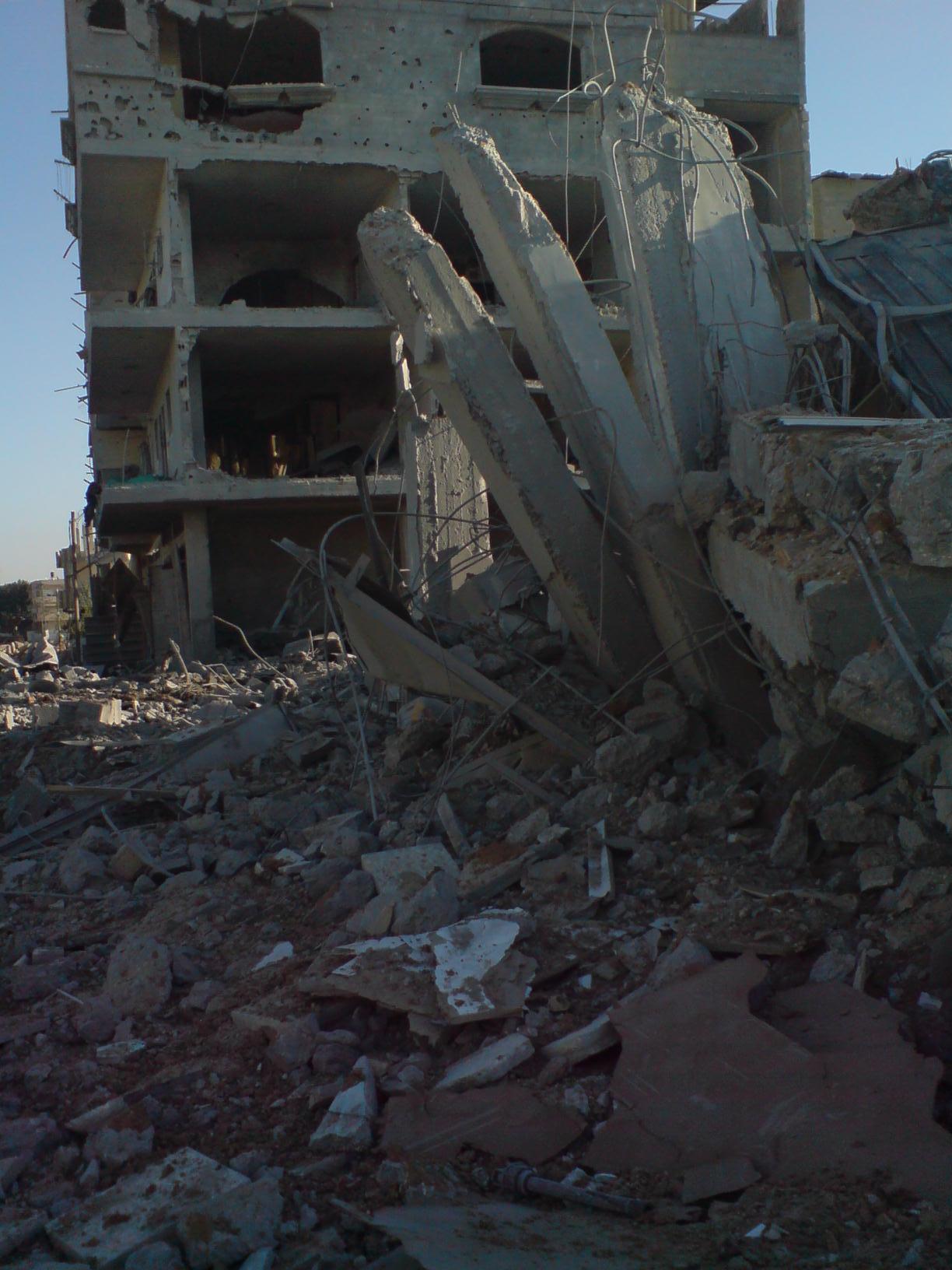

Quick Summary: Ceasefire Under Scrutiny as Israeli Strikes Hit Gaza Funerals
- On July 14, Israeli strikes killed at least 10 Palestinians, including a child and a Hamas officer, highlighting escalating violence.
- Gaza health officials report over 1,100 Palestinian deaths since the October ceasefire, raising questions about the truce’s effectiveness.
- UN criticism intensifies as Israeli attacks target police, funerals, and civilian areas, undermining the ceasefire agreement.
- The July 19 strike killed nine, including three children, showcasing the rapid escalation of casualties in Gaza.
- Recent Israeli attacks, including a funeral strike killing seven, suggest a breakdown of the ceasefire framework.
Source: Open external resource
Source: Read original article
The Gaza Strip is once again the focal point of a relentless cycle of violence. Despite an October ceasefire, Israeli military actions have escalated, resulting in mounting casualties. The latest reports reveal that in just one week, the death toll from Israeli strikes has surged, painting a grim picture of the current situation in Gaza.
On July 14, Israeli forces launched attacks that killed at least 10 Palestinians, including a 10-year-old boy and a senior Hamas police officer. This incident is part of a broader pattern of violence that has seen over 1,100 Palestinians killed since the ceasefire was supposed to take effect. The discrepancy between the ceasefire agreement and the ongoing military actions is stark, with Israeli forces citing security threats as justification for their operations.
The international community, including the United Nations, has voiced growing concern over the targeting of civilian areas and police personnel. The UN’s criticism underscores the moral and political complexities of the situation, as strikes on funerals and residential areas continue unabated.
The most recent developments, including a strike on a funeral that killed seven and wounded 22, highlight the urgent need for a reassessment of the ceasefire’s viability. As the death toll rises, the credibility of the truce is increasingly in question, with diplomatic and humanitarian bodies under pressure to respond.
On July 14, at least 10 Palestinians were reported killed in strikes and gunfire, including a child and a Hamas police officer. Earlier this week, Reuters-based reporting described another notable escalation in the argument over who is being targeted: Israeli strikes and gunfire on July 14 killed at least 10 Palestinians, including a 10-year-old boy and a senior Hamas police officer, and Gazan officials said more than 1,100 Palestinians had been killed by Israeli attacks since the October ceasefire took effect.
Reuters summarized Israel’s position as targeting militants who threaten its soldiers or who took part in the October 2023 attack, while Palestinian officials and international monitors increasingly point to repeated civilian deaths and strikes hitting funerals, tents, police and residential areas. On July 16, AP reported that Israeli strikes over the previous two days had killed at least a dozen people, including police officers, while noting UN criticism of repeated police targeting.
AP reported that the attacks are continuing “despite a ceasefire agreement reached in October,” a formulation that captures the central contradiction driving the story: a formal truce exists on paper, but Israeli military action has remained routine on the ground. The war’s wider toll remains staggering, with AP again noting that the October 7, 2023 Hamas-led attack killed about 1,200 people in Israel and saw 251 taken hostage, while Gaza health authorities continue to report much larger Palestinian casualty totals.
The standout development from the past 48 hours is Friday’s strike on a funeral in central Gaza, which the AP said killed at least seven people and wounded 22. The freshest reporting on July 19 says Israeli strikes killed nine people, including three children and six adults, according to Gaza health officials cited by the Associated Press, underscoring how fast casualty figures in Gaza are moving beyond the narrower two-dead account highlighted earlier by Shafaq.
On July 19, AP reported nine more dead, including three children. The surprise is not a single dramatic revelation from one official, but the cumulative evidence from multiple outlets this week that civilian gatherings, displacement sites and police functions are all appearing in strike reporting.
On July 14, Israeli forces launched attacks that killed at least 10 Palestinians, including a 10-year-old boy and a senior Hamas police officer. On July 14, at least 10 Palestinians were reported killed in strikes and gunfire, including a child and a Hamas police officer.
Earlier this week, Reuters-based reporting described another notable escalation in the argument over who is being targeted: Israeli strikes and gunfire on July 14 killed at least 10 Palestinians, including a 10-year-old boy and a senior Hamas police officer, and Gazan officials said more than 1,100 Palestinians had been killed by Israeli attacks since the October ceasefire took effect. Reuters summarized Israel’s position as targeting militants who threaten its soldiers or who took part in the October 2023 attack, while Palestinian officials and international monitors increasingly point to repeated civilian deaths and strikes hitting funerals, tents, police and residential areas.
On July 16, AP reported that Israeli strikes over the previous two days had killed at least a dozen people, including police officers, while noting UN criticism of repeated police targeting. Quick Summary: Gaza: Israeli attacks leave two dead, one injured – Shafaq News | Latest breaking news in Iraq and the world – شفق نيوز On July 14, Israeli strikes killed at least 10 Palestinians, including a child and a Hamas officer, highlighting escalating violence.
The standout development from the past 48 hours is Friday’s strike on a funeral in central Gaza, which the AP said killed at least seven people and wounded 22. On July 19, AP reported nine more dead, including three children.
The scale and speed of this development has caught many observers off guard. Each new update adds another dimension to a story that is still unfolding, and the full picture will only become clear as more verified details emerge from the people and institutions directly involved.
Analysts who have tracked this issue closely say the current moment represents a genuine turning point. The decisions made in the coming weeks are expected to set the direction for months ahead, with ripple effects likely to extend well beyond the immediate actors in the story.
For those directly affected, the practical impact is already visible. People navigating this fast-changing situation are dealing with real consequences while new information continues to reshape what is known and what remains open to interpretation.
Historical parallels offer some context, though experts caution against drawing too close a comparison. Similar situations have played out before, but the specific combination of pressures, personalities, and timing here makes this moment distinct in ways that matter for how it ultimately resolves.
The political and economic dimensions of this story are deeply intertwined. What appears as a single event on the surface is in practice the convergence of multiple pressures that have been building quietly over a longer period than most public reporting has captured.