

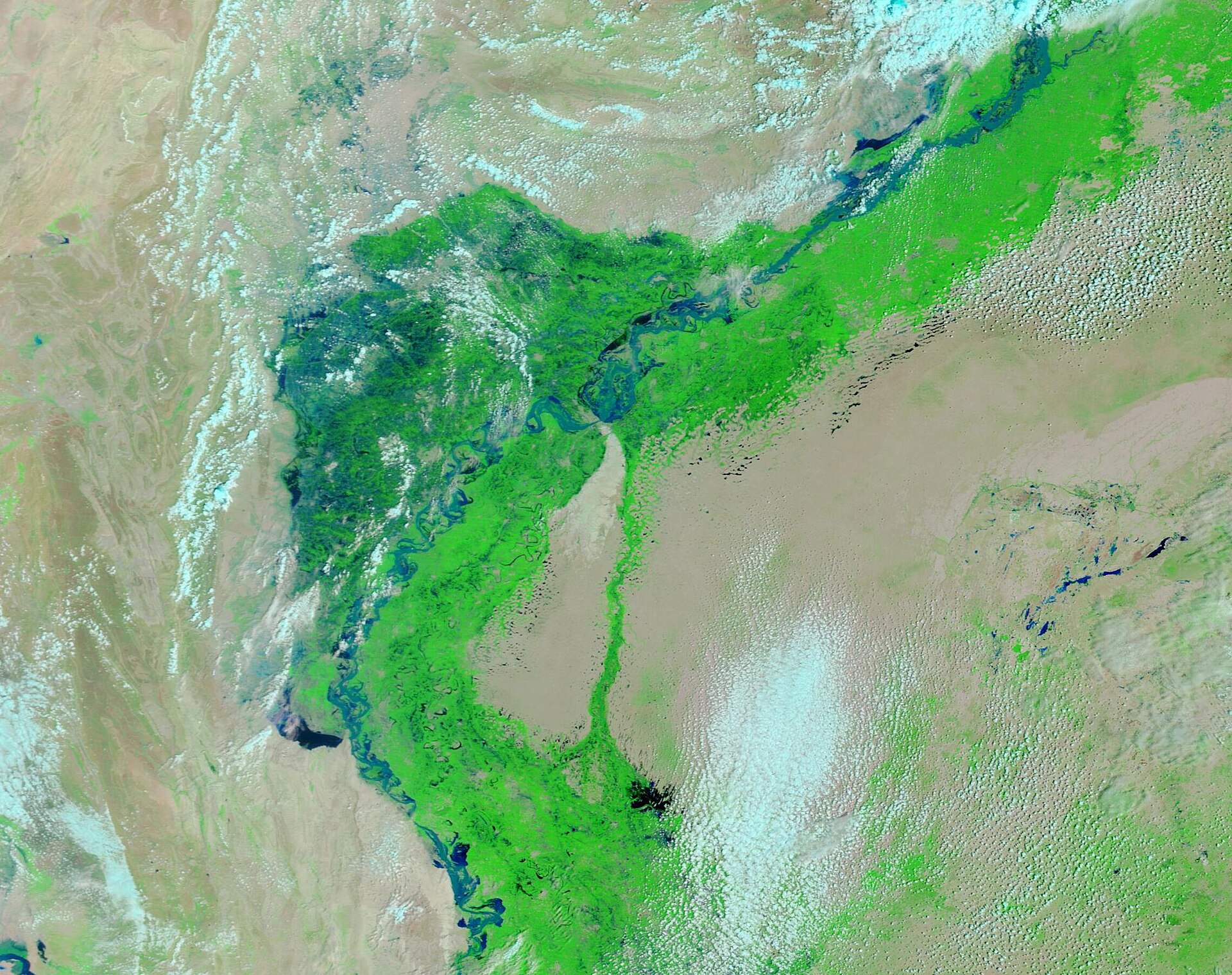

Quick Summary: Ravi River Flood Threatens Lahore as Rain Continues
- Pakistan’s monsoon death toll rose to 109 since June 26, with forecasters warning of more rain from July 29.
- Emergency responders are actively working in Punjab, setting up 17 flood relief camps in Lahore.
- Khyber Pakhtunkhwa suffered the highest casualties with 55 deaths, followed by Punjab with 36.
- Residents criticized the government’s preparedness as heavy rains caused severe urban flooding in Lahore.
- The Ravi River is at a medium flood level, posing a significant risk to surrounding areas.
Source: Open external resource
Source: Read original article
The monsoon season in Pakistan has turned deadly, with the death toll surpassing 100 as authorities brace for more heavy rains. Since June 26, 109 lives have been claimed by the relentless downpour, and the forecast suggests the worst might not be over. Lahore is at the center of this development.
Punjab, one of the hardest-hit regions, has seen emergency responders deployed across the province. In Lahore, 17 flood relief camps have been established to aid evacuated residents. The situation is dire, with Khyber Pakhtunkhwa reporting 55 deaths, the highest in the country, followed closely by Punjab with 36.
Public outrage is mounting as residents of Lahore face severe flooding, questioning the government’s preparedness and response. Despite the absence of major flood-generating rains, urban areas have been inundated, revealing critical gaps in infrastructure and emergency planning.
The Ravi River remains a focal point of concern as it reaches medium flood levels, threatening to exacerbate the situation. The National Disaster Management Authority, along with other key agencies, is in constant coordination, but the effectiveness of their efforts will soon be tested as new storms approach.
As Pakistan navigates this crisis, the looming question is whether authorities can prevent a repeat of past disasters. With the memory of the 2022 floods still fresh, the nation watches anxiously, hoping for a more robust response to avert further tragedy.
In Punjab, Chief Minister Maryam Nawaz Sharif said emergency responders had been deployed province-wide and were working to drain floodwaters, while authorities also set up at least 17 flood relief camps in Lahore for evacuated residents. Dawn, citing NDMA data through July 26, put the toll at 107 before AP’s Monday update lifted it to 109.
Dawn reported that Planning Minister Ahsan Iqbal chaired the session by video link, joined by Climate Change Minister Dr. On July 26, Dawn reported the nationwide monsoon toll had crossed 100, driven by seven new deaths in Punjab and three in Khyber Pakhtunkhwa.
On July 27, AP reported the figure had climbed to 109 and highlighted a review of preparedness measures after heavy rain lashed Lahore and other areas last week. The political and operational question hanging over the story is whether Pakistan can avoid a repeat of the failures that residents already see in Lahore and that officials fear could echo the country’s devastating 2022 flood disaster, which killed 1,737 people and displaced millions.
Pakistan’s monsoon emergency crossed a grim threshold this week, with the officially reported death toll rising to 109 since June 26 just as forecasters warned that another heavy wet spell is due to begin on July 29 in the upper river catchments, Islamabad, upper Punjab, Azad Jammu and Kashmir, Khyber Pakhtunkhwa and Gilgit-Baltistan. AP reported that the National Disaster Management Authority said 109 people had died nationwide, with many deaths caused by collapsing houses and roofs, and that officials met to review flood preparedness and issue timely warnings so communities along rivers can move voluntarily or be evacuated before waters rise.
The next pivot point is July 29, when the Pakistan Meteorological Department says a fresh wet spell is likely to begin over upper catchments and northern areas, keeping officials focused on warnings, evacuations and whether urban flooding gives way to broader river flooding. The main institutions driving the response are the NDMA, the Pakistan Meteorological Department and the federal Emergency Response Committee, which held its fifth meeting at NDMA headquarters in the last day.
On July 26, Dawn reported the nationwide monsoon toll had crossed 100, driven by seven new deaths in Punjab and three in Khyber Pakhtunkhwa. On July 27, AP reported the figure had climbed to 109 and highlighted a review of preparedness measures after heavy rain lashed Lahore and other areas last week.
Residents criticized the government’s preparedness as heavy rains caused severe urban flooding in Lahore. The Ravi River is at a medium flood level, posing a significant risk to surrounding areas.
The scale and speed of this development has caught many observers off guard. Each new update adds another dimension to a story that is still unfolding, and the full picture will only become clear as more verified details emerge from the people and institutions directly involved.
Analysts who have tracked this issue closely say the current moment represents a genuine turning point. The decisions made in the coming weeks are expected to set the direction for months ahead, with ripple effects likely to extend well beyond the immediate actors in the story.
For those directly affected, the practical impact is already visible. People navigating this fast-changing situation are dealing with real consequences while new information continues to reshape what is known and what remains open to interpretation.
Historical parallels offer some context, though experts caution against drawing too close a comparison. Similar situations have played out before, but the specific combination of pressures, personalities, and timing here makes this moment distinct in ways that matter for how it ultimately resolves.
The political and economic dimensions of this story are deeply intertwined. What appears as a single event on the surface is in practice the convergence of multiple pressures that have been building quietly over a longer period than most public reporting has captured.