

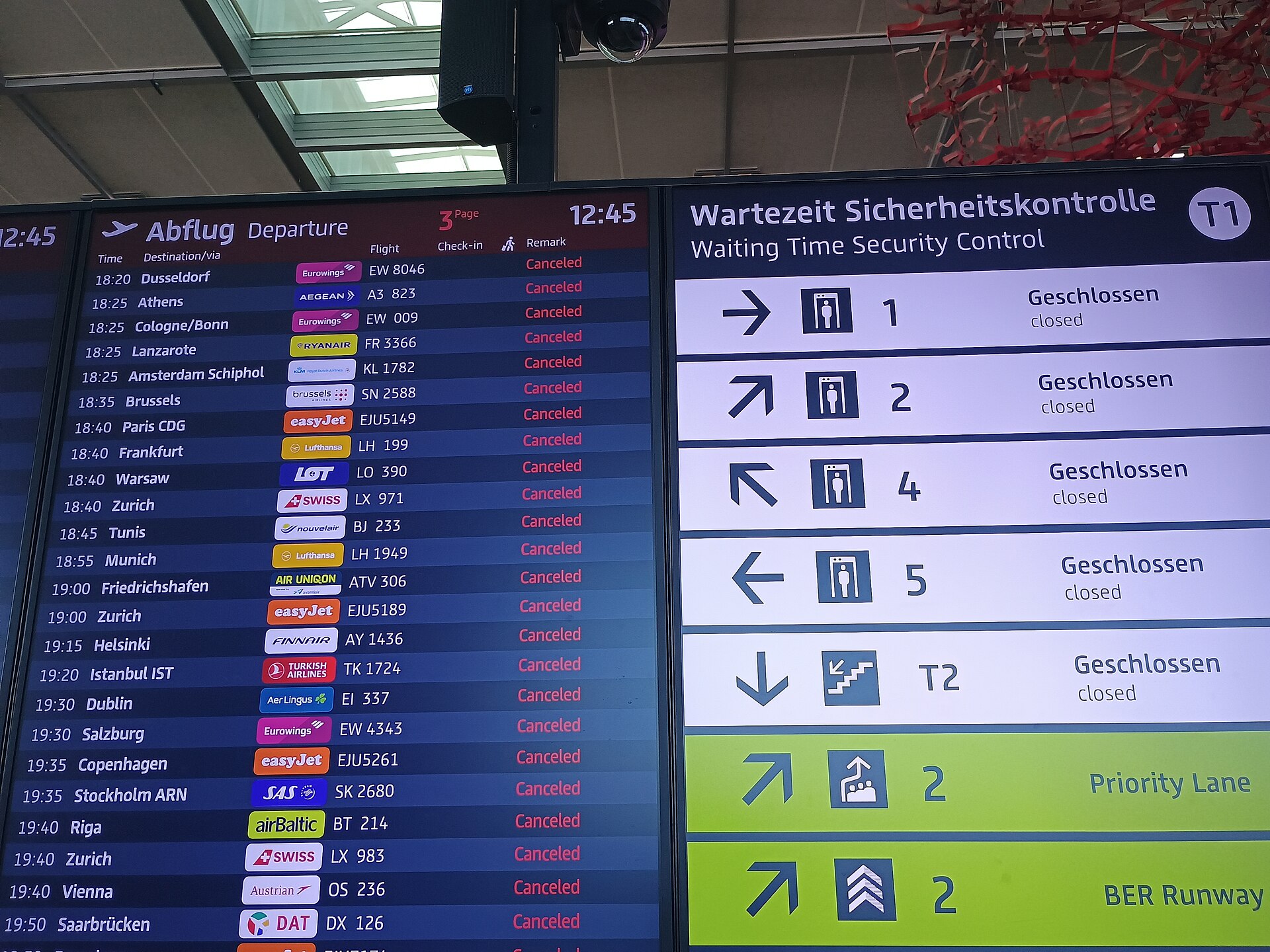

Quick Summary: Middle East Conflict Drives 28.4% Plunge in Regional Air Traffic
- Middle East conflict caused a 28.4% plunge in regional air traffic — this was the primary driver of the 2.2% global demand drop in May.
- Global air passenger demand outside the Middle East rose 0.7% — indicating regional conflict, not global economic slowdown, is the issue.
- Summer bookings to the Middle East show signs of recovery — they are gradually rebounding from a 63% collapse in March.
- Airline profitability is halved due to high fuel prices and Middle East disruptions — fares are rising as airlines attempt to recover costs.
- Forward bookings for June through September are up 6% year-over-year — suggesting resilience despite current demand dips.
Source: Open external resource
Source: Read original article
In a world where air travel is often seen as a barometer for economic health, a 1.7% drop in passenger demand might seem alarming. But delve deeper, and you’ll find a narrative shaped not by a global economic downturn but by the turmoil in the Middle East. The International Air Transport Association (IATA) reports that the real story is a 28.4% plunge in Middle Eastern air traffic, a direct consequence of escalating conflict in the region.
Strip away the Middle Eastern data, and global demand actually rose by 0.7%. This isn’t a story of global decline; it’s a regional crisis with ripple effects. The Iran conflict, which escalated in February 2026, has been a significant disruptor, causing a 63% collapse in Middle Eastern bookings by March. Yet, there’s a glimmer of hope as summer bookings to the region are slowly recovering.
Airlines are feeling the pinch as their profitability is slashed in half, thanks to soaring fuel prices and regional disruptions. Yet, forward bookings for travel between June and September are up 6% from the previous year, indicating that travelers are not entirely deterred.
The numbers paint a picture of resilience amid adversity. While the Middle East grapples with conflict, the rest of the world shows signs of recovery and growth. The next IATA report will be crucial in determining whether this trend continues or if the Middle Eastern crisis will cast a longer shadow over global air travel.
Walsh said last year that June’s softer growth “reflects disruptions around military conflict in the Middle East,” a theme that has only intensified in 2026. Its July 3, 2026 chart said summer bookings to the Middle East were “gradually recovering” after a stunning 63% collapse in March following the escalation of the Iran conflict on February 28, 2026.
IATA’s July 24 chart said global air passenger ticket bookings in March and April for travel between June and September were up 6% from the same months in 2025, despite the Iran war shock and exceptionally high jet-fuel prices. The latest 2026 reporting indicates that what had been a modest regional drag turned into an extreme war-linked contraction.
2% fall in May 2026 and ongoing monitoring of June-through-summer bookings rather than a clearly published new IATA June 2026 release. What happens next is straightforward but important: the next IATA monthly passenger-demand release should clarify whether June 2026 traffic stabilized, worsened, or rebounded as Middle East travel recovered.
4% Middle East collapse eased, whether ex-Middle East demand stayed positive, and whether load factors remained firm enough to support higher fares. 7%” figure in the Mirage News headline appears to point not to a collapse in global flying, but to a concentrated regional hit: the latest industry reporting shows air travel weakness was driven overwhelmingly by the Middle East conflict, while demand outside that region was still growing.
2% year-on-year in May on the impact of war in the Middle East. 7% In June” text from the live web results available to me.
Forward bookings for June through September are up 6% year-over-year — suggesting resilience despite current demand dips. 4% plunge in Middle Eastern air traffic, a direct consequence of escalating conflict in the region.
The Iran conflict, which escalated in February 2026, has been a significant disruptor, causing a 63% collapse in Middle Eastern bookings by March. Yet, forward bookings for travel between June and September are up 6% from the previous year, indicating that travelers are not entirely deterred.
The scale and speed of this development has caught many observers off guard. Each new update adds another dimension to a story that is still unfolding, and the full picture will only become clear as more verified details emerge from the people and institutions directly involved.
Analysts who have tracked this issue closely say the current moment represents a genuine turning point. The decisions made in the coming weeks are expected to set the direction for months ahead, with ripple effects likely to extend well beyond the immediate actors in the story.
For those directly affected, the practical impact is already visible. People navigating this fast-changing situation are dealing with real consequences while new information continues to reshape what is known and what remains open to interpretation.
Historical parallels offer some context, though experts caution against drawing too close a comparison. Similar situations have played out before, but the specific combination of pressures, personalities, and timing here makes this moment distinct in ways that matter for how it ultimately resolves.
The political and economic dimensions of this story are deeply intertwined. What appears as a single event on the surface is in practice the convergence of multiple pressures that have been building quietly over a longer period than most public reporting has captured.