

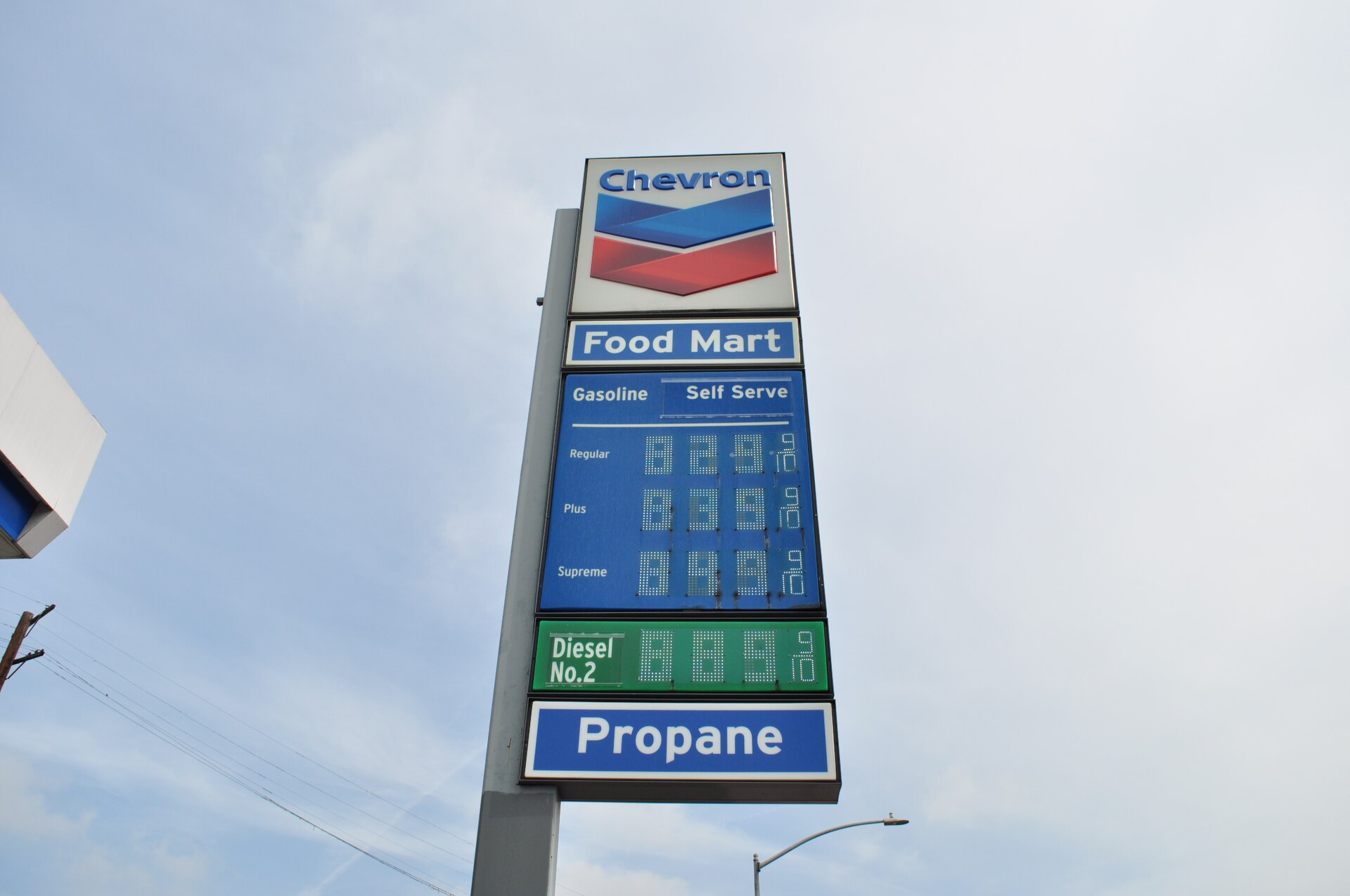

Quick Summary: Investor Anxiety Over Middle East Pushes California Fuel Costs Higher
- California gas prices rose by 2.1 cents to $5.385 on July 15, reversing a previous decline.
- Middle East tensions have increased investor anxiety, impacting wholesale gasoline prices.
- California’s gas prices are approximately $1.50 higher than the national average.
- The Central Coast remains politically charged due to high regional gas prices.
- Some California metro areas are seeing price increases, while others continue to decline.
Source: Open external resource
Source: Read original article
California’s gas prices are on a rollercoaster ride, leaving drivers and analysts alike on edge. After a brief decline, prices have started climbing again, with the statewide average hitting $5.385 on July 15. This uptick, though seemingly minor at 2.1 cents, signals a reversal of the downward trend that had been a relief to many. Middle East is at the center of this development.
The catalyst for this price shift? Rising tensions in the Middle East. The fear of oil supply disruptions has sent wholesale gasoline prices soaring, according to AAA Southern California. “Investor anxiety this week about Middle East tensions disrupting oil supplies has significantly increased wholesale gasoline prices,” Auto Club spokesperson Kandace Redd noted.
The Central Coast is feeling the heat, both literally and politically, as regional prices remain high. With a current average of $5.52, these numbers are not just statistics; they are a reality check for residents. California’s gas prices are a staggering $1.50 above the national average, making this more than just a local issue.
The price patterns across California are patchy at best. While some areas like Los Angeles and Orange County are seeing increases, others like Bakersfield and Fresno are witnessing declines. This inconsistency highlights the complex interplay of local competition and supply logistics.
The debate rages on about the root causes of these price fluctuations. While international crude concerns are at the forefront, state-specific factors like taxes and regulations can’t be ignored. As Californians brace for what comes next, the question remains: Is this just a blip or the beginning of another price surge?
The key turn in the reporting is that the week-over-week declines highlighted in the July 3 Stacker data set carried only so far before momentum reversed. In its July 9 Weekend Gas Watch, AAA Southern California said pump prices had “reversed course” as Middle East attacks raised fears about oil supply disruption.
On the Central Coast, the regional numbers are high enough to keep the story politically charged. 1-cent increase that undercuts last week’s narrative of steady declines.
That patchwork pattern is the surprising detail in the newest data: the statewide average is rising again, but the increase is not uniform, suggesting local competition, supply logistics, and margin decisions are now driving sharp differences market by market. 50 on parts of the Central Coast, while analysts and industry groups argue over how much blame belongs to geopolitics versus Sacramento policy.
50 a gallon higher than the country as a whole. That widening spread is one reason this otherwise routine price-tracker story matters more than it first appears.
In other words, the latest reporting shows a market that was easing at the start of the month but is now stalling out and beginning to rise again. The explanation being pushed most clearly this week comes from the Auto Club.
On the Central Coast, the regional numbers are high enough to keep the story politically charged. 1 cents, signals a reversal of the downward trend that had been a relief to many.
52, these numbers are not just statistics; they are a reality check for residents. 50 above the national average, making this more than just a local issue.
1-cent increase that undercuts last week’s narrative of steady declines. 50 on parts of the Central Coast, while analysts and industry groups argue over how much blame belongs to geopolitics versus Sacramento policy.
385 on July 15, reversing a previous decline. Middle East tensions have increased investor anxiety, impacting wholesale gasoline prices.
The scale and speed of this development has caught many observers off guard. Each new update adds another dimension to a story that is still unfolding, and the full picture will only become clear as more verified details emerge from the people and institutions directly involved.
Analysts who have tracked this issue closely say the current moment represents a genuine turning point. The decisions made in the coming weeks are expected to set the direction for months ahead, with ripple effects likely to extend well beyond the immediate actors in the story.
For those directly affected, the practical impact is already visible. People navigating this fast-changing situation are dealing with real consequences while new information continues to reshape what is known and what remains open to interpretation.
Historical parallels offer some context, though experts caution against drawing too close a comparison. Similar situations have played out before, but the specific combination of pressures, personalities, and timing here makes this moment distinct in ways that matter for how it ultimately resolves.
The political and economic dimensions of this story are deeply intertwined. What appears as a single event on the surface is in practice the convergence of multiple pressures that have been building quietly over a longer period than most public reporting has captured.