

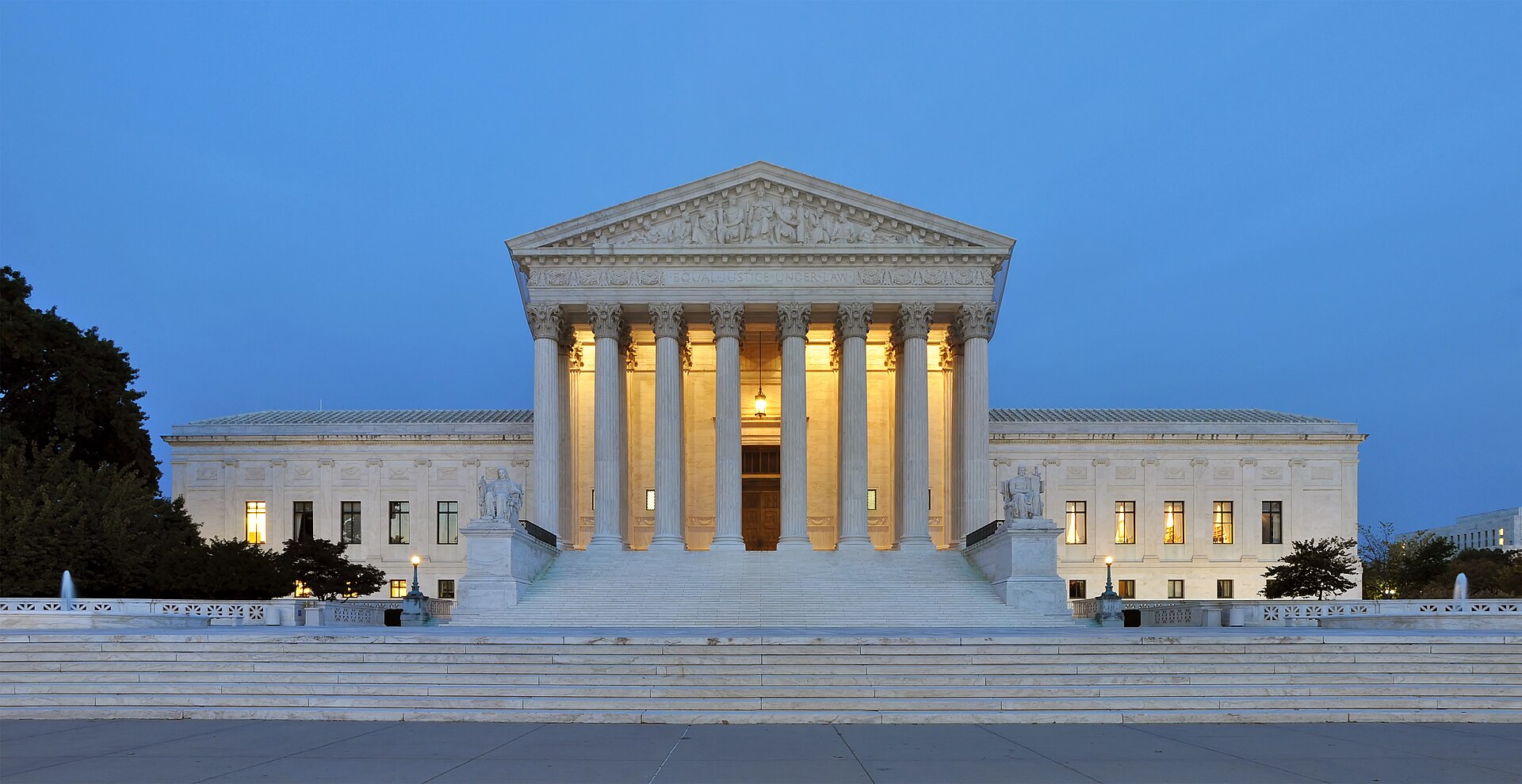

Quick Summary: Congress Debates Funding for Supreme Court Security Amid Threat Surge
- Justices Kagan and Barrett testified that threats against the Supreme Court are expected to increase by 38% this year, highlighting a growing security crisis.
- The justices requested $18.9 million from Congress for enhanced security measures, including personal protection and cybersecurity staffing.
- Kagan criticized political figures for intimidating judges, implicitly rebuking President Trump and his allies for their attacks on the judiciary.
- Barrett shared a personal account of a ‘swatting’ incident at her home, illustrating the real dangers justices face.
- The testimony has sparked debate over whether political rhetoric is fueling violence against the judiciary.
Source: Open external resource
Source: Read original article
The Supreme Court is no longer just ruling on the law; it’s grappling with a new era of political violence that threatens its very foundation. Justices Elena Kagan and Amy Coney Barrett have sounded the alarm, testifying before Congress that threats against the court are set to rise by a staggering 38% this year.
Both justices have called for $18.9 million in additional security funding, a clear sign that the situation has reached a critical point. Kagan’s sharp rebuke of political leaders who attack judges underscores the gravity of the situation. Barrett’s personal account of a ‘swatting’ incident at her home reveals the real and present danger justices face.
This testimony comes amid a heated debate over whether political rhetoric is merely harsh or an accelerant for violence. With Congress now deciding on the requested security funds, the stakes have never been higher for the court’s safety and independence.
The broader context is clear: the Supreme Court is not just a bystander in politically violent times; it is increasingly a target. The question now is whether Congress will act decisively to protect the judiciary from escalating threats.
According to reporting summarized across outlets, senators and House members pressed the justices on whether Trump’s denunciations of the court had worsened the danger. On July 14, 2026, Kagan and Barrett delivered rare testimony before Congress focused on threats, ethics and the emergency docket.
9 million security request, and the justices’ testimony was given in appropriations hearings that will shape whether that money is approved in the coming budget process. Kagan told lawmakers, “For some of us, those threats have come very close,” and said the court’s police expect “a 38 percent increase in threats this year,” a striking number that gives hard shape to the Washington Post’s larger analysis about a more combustible political era.
9 million for expanded protection, including more personal security, an off-site command post and cybersecurity staffing. The Washington Post tied the testimony to recent opinions that both expanded Trump’s power over federal agencies and rejected his broad tariffs, underscoring how the court is now absorbing anger from multiple directions.
She said the incidents aimed at the justices “are meant to intimidate, and they’re meant to harass,” and recounted how one of her teenage sons encountered a street “full of police cars” after the false emergency call to her home. ” That was heard on Capitol Hill as an implicit rebuke to President Donald Trump and his allies, who have intensified public attacks on judges and on members of the high court after several politically explosive rulings this term.
Kagan answered that “these statements are really unhelpful,” while outside commentary grew blunter: a Wall Street Journal editorial highlighted by other reporting warned that personal attacks on justices such as Barrett and Neil Gorsuch could increase the risk of an actual attack. In the days immediately afterward, the story widened as media outlets highlighted Kagan’s warning about a near-40 percent spike in threats and Barrett’s disclosure of the recent swatting incident.
9 million from Congress for enhanced security measures, including personal protection and cybersecurity staffing. According to reporting summarized across outlets, senators and House members pressed the justices on whether Trump’s denunciations of the court had worsened the danger.
On July 14, 2026, Kagan and Barrett delivered rare testimony before Congress focused on threats, ethics and the emergency docket. 9 million security request, and the justices’ testimony was given in appropriations hearings that will shape whether that money is approved in the coming budget process.
9 million in additional security funding, a clear sign that the situation has reached a critical point. 9 million for expanded protection, including more personal security, an off-site command post and cybersecurity staffing.
The scale and speed of this development has caught many observers off guard. Each new update adds another dimension to a story that is still unfolding, and the full picture will only become clear as more verified details emerge from the people and institutions directly involved.
Analysts who have tracked this issue closely say the current moment represents a genuine turning point. The decisions made in the coming weeks are expected to set the direction for months ahead, with ripple effects likely to extend well beyond the immediate actors in the story.
For those directly affected, the practical impact is already visible. People navigating this fast-changing situation are dealing with real consequences while new information continues to reshape what is known and what remains open to interpretation.
Historical parallels offer some context, though experts caution against drawing too close a comparison. Similar situations have played out before, but the specific combination of pressures, personalities, and timing here makes this moment distinct in ways that matter for how it ultimately resolves.
The political and economic dimensions of this story are deeply intertwined. What appears as a single event on the surface is in practice the convergence of multiple pressures that have been building quietly over a longer period than most public reporting has captured.