


Quick Summary: Trumps Missteps at NATO Summit Highlight Ongoing Confusion
- Indy100’s article on Trump’s 43 most ridiculous statements was quickly overshadowed by new remarks at the NATO summit in Ankara.
- Trump’s claim that the Biden administration spent “$8 million” on “mice transgender” drew immediate ridicule, highlighting ongoing confusion in his statements.
- At the NATO summit, Trump mistakenly referred to the “Islamic Republic of Japan,” confusing it with Iran, which added to the list of recent blunders.
- Trump’s assertion of being “president three times” contradicts the U.S. Constitution, fueling further controversy.
- The White House’s response, including a “DADDY’S HOME” post, suggests a normalization of Trump’s controversial rhetoric.
Source: Open external resource
Source: Read original article
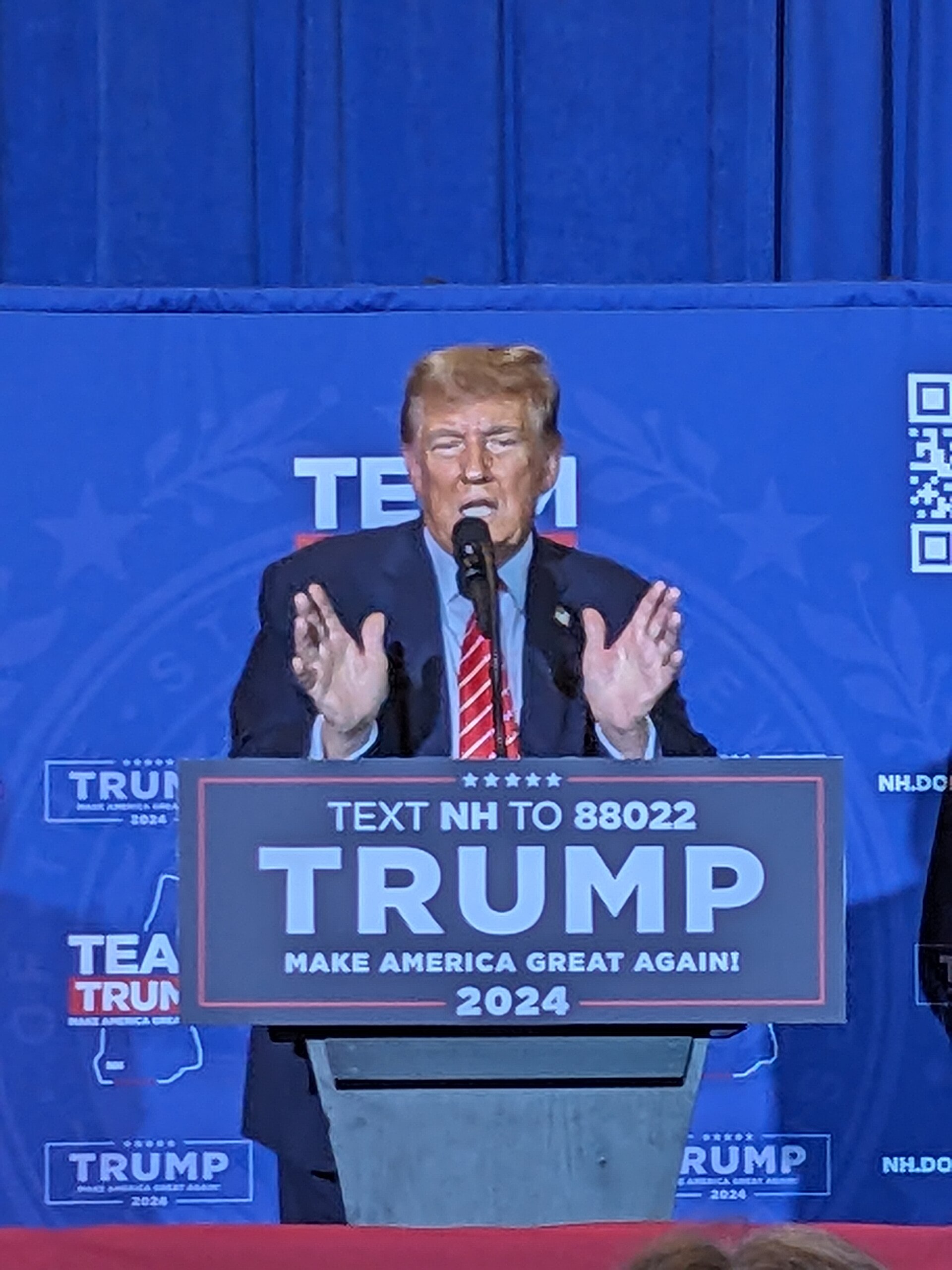
In a political landscape where words matter, Donald Trump’s latest gaffes have once again ignited a firestorm of criticism and mockery. Indy100’s article on the “43 most stupid things Donald Trump has ever said” seemed like a retrospective list until Trump himself provided fresh material at the NATO summit in Ankara. Trumps is at the center of this development.
From claiming that the Biden administration spent millions on “mice transgender” to bizarrely referring to the “Islamic Republic of Japan,” Trump’s remarks have not only confused audiences but also raised serious questions about his grasp on reality. Such statements are not merely comedic; they carry implications for international diplomacy and domestic politics.
The controversy deepened when Trump declared he had been “president three times,” a claim that defies constitutional limits. Critics argue that these statements are not just harmless slips but significant falsehoods that should not be normalized by the political institutions surrounding him. The White House’s decision to post “DADDY’S HOME” following these gaffes only exacerbates the situation, suggesting a troubling acceptance of his rhetoric.
In this context, the real issue extends beyond Trump’s words to whether his surrounding institutions are complicit in packaging these misstatements as mere swagger. The implications of such normalization are profound, affecting not just U.S. politics but also its international standing. As Trump’s comments continue to unfold, the world watches to see if they will become a broader political liability or just another chapter in his controversial legacy.
The latest wrinkle in indy100’s newly published “The 43 most stupid things Donald Trump has ever said” is that the piece landed on July 9, 2026 and was almost instantly overtaken by fresh Trump remarks at and around the NATO summit in Ankara that gave the article a live, fast-moving sequel. On July 8, Trump spoke at the NATO summit in Ankara, where indy100 says he renewed his Greenland push and commented on Iran; on July 9, the site published the “43 most stupid things” article and separately reported his “president three times” claim; on July 11, it reported both the “Islamic Republic of Japan” remark and the White House’s “DADDY’S HOME” post.
The article’s lead example is Trump’s claim that the Biden administration spent “$8 million” making “mice transgender,” a line tied to his March 4 joint address to Congress, which indy100 says triggered immediate mockery because critics argued he was confusing “transgender” with “transgenic” mice. The piece explicitly says it has “rounded up the 43 stupidest things Donald Trump has ever said,” but its real news value now is that several of those themes—confusion, exaggeration and false claims—have resurfaced again this week.
A second flashpoint came when Trump told reporters, again in Ankara, “That’s how I got to be president three times. ” The central conflict here is no longer simply whether Trump says odd or inaccurate things; it is whether the White House, Republicans around him, and the political press treat those remarks as harmless riffing or as significant falsehoods and warning signs.
” The controversy widened because the official White House message operation appeared to lean into the spectacle rather than clean it up. There is also a national-security angle to this week’s coverage, because indy100 linked Trump’s rhetoric to the Iran crisis.
” The surprising twist is that the same summit appearance generating gaffe coverage also carried consequences for live foreign-policy reporting, making the story more than internet mockery; the remarks were tied to war, ceasefire credibility and the risk of escalation. Right now, the standout fact is that a retrospective listicle published on July 9 was almost instantly updated by reality, with Trump himself supplying new material within days.
Trump’s claim that the Biden administration spent “$8 million” on “mice transgender” drew immediate ridicule, highlighting ongoing confusion in his statements. On July 8, Trump spoke at the NATO summit in Ankara, where indy100 says he renewed his Greenland push and commented on Iran; on July 9, the site published the “43 most stupid things” article and separately reported his “president three times” claim; on July 11, it reported both the “Islamic Republic of Japan” remark and the White House’s “DADDY’S HOME” post.
Indy100’s article on the “43 most stupid things Donald Trump has ever said” seemed like a retrospective list until Trump himself provided fresh material at the NATO summit in Ankara. The article’s lead example is Trump’s claim that the Biden administration spent “$8 million” making “mice transgender,” a line tied to his March 4 joint address to Congress, which indy100 says triggered immediate mockery because critics argued he was confusing “transgender” with “transgenic” mice.
The piece explicitly says it has “rounded up the 43 stupidest things Donald Trump has ever said,” but its real news value now is that several of those themes—confusion, exaggeration and false claims—have resurfaced again this week. At the NATO summit, Trump mistakenly referred to the “Islamic Republic of Japan,” confusing it with Iran, which added to the list of recent blunders.
The scale and speed of this development has caught many observers off guard. Each new update adds another dimension to a story that is still unfolding, and the full picture will only become clear as more verified details emerge from the people and institutions directly involved.
Analysts who have tracked this issue closely say the current moment represents a genuine turning point. The decisions made in the coming weeks are expected to set the direction for months ahead, with ripple effects likely to extend well beyond the immediate actors in the story.
For those directly affected, the practical impact is already visible. People navigating this fast-changing situation are dealing with real consequences while new information continues to reshape what is known and what remains open to interpretation.
Historical parallels offer some context, though experts caution against drawing too close a comparison. Similar situations have played out before, but the specific combination of pressures, personalities, and timing here makes this moment distinct in ways that matter for how it ultimately resolves.
The political and economic dimensions of this story are deeply intertwined. What appears as a single event on the surface is in practice the convergence of multiple pressures that have been building quietly over a longer period than most public reporting has captured.