


Quick Summary: Delcy Rodríguez Faces Criticism Over Venezuelas Quake Response
- Venezuela’s earthquake has turned into a political crisis as the death toll rose to 2,954 by July 4, highlighting government mismanagement.
- Rescue efforts have been hindered by Venezuelan authorities, with reports of blocked roads and bureaucratic hurdles.
- Critics argue that the government has underreported casualties, with official numbers steadily increasing over time.
- Delcy Rodríguez, acting president, has dismissed claims of a slow response and blamed misinformation for confusion.
- The earthquake has exposed the persistence of the old Maduro-era power structure within the current government.
Source: Open external resource
Source: Read original article
The recent earthquake in Venezuela has not only devastated the nation but has also peeled back the layers of a political crisis that has been simmering beneath the surface. As the death toll climbed to 2,954 by July 4, the government’s response—or lack thereof—has come under intense scrutiny. Venezuelas is at the center of this development.
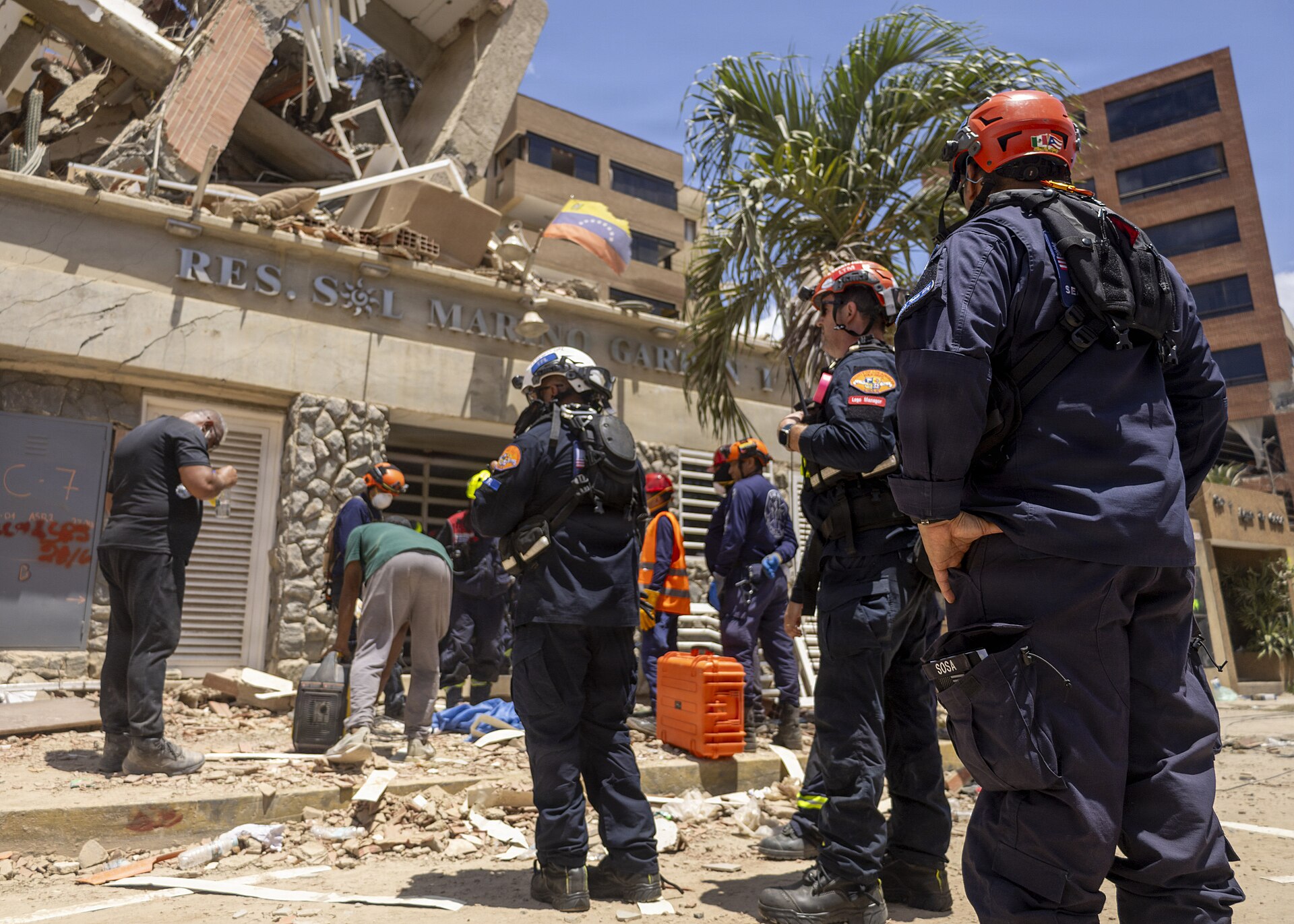
Rescue efforts have been significantly hampered by the Venezuelan authorities, who have reportedly imposed roadblocks, delayed clearances, and created bureaucratic obstacles, leaving thousands missing. This has led to a heated confrontation between international rescue teams and Venezuelan officials, highlighting the government’s failure to facilitate aid.
At the heart of this crisis is Delcy Rodríguez, the acting president, who has been accused of underreporting the number of casualties and mishandling the response. While she insists that the criticism is politically motivated, the steady increase in the official death toll suggests otherwise. This has intensified calls for an independent investigation into the government’s handling of the disaster.
The earthquake has also revealed the enduring influence of the Maduro-era power structure, with key figures still holding significant control. This has raised questions about whether the current government is genuinely different or merely a rebranded version of the previous regime.
As Venezuela grapples with the aftermath of the earthquake, the focus shifts to how the government will address these challenges. Will they allow greater access for international aid teams? Will there be an honest accounting of the casualties and the role of poorly constructed state housing in exacerbating the disaster? The answers to these questions will determine the future political landscape of Venezuela.
” By July 4, Reuters said the number treated had reached 22,445, suggesting the medical burden is much larger than the injury count alone. What makes this story stand out now is not just the scale of the June 24 twin quakes, but the claim that the government itself has become an obstacle to saving people.
Reuters reported on July 4 that the death toll had risen to 2,954, with Rodríguez saying medical teams had treated 22,445 people, nearly 30,000 officials had been deployed and 3,281 international rescue workers were on the ground. AP reported on July 1 that the June 24 earthquakes had left at least 2,295 dead and more than 11,000 injured at that point, with thousands of displaced people sleeping in crowded shelters or outdoors without clean water.
By June 28, Reuters reported 33 people had been rescued but warned the classic 72-hour survival window was closing. On July 1, AP warned of a widening medical emergency and the Post reported foreign rescuers were being hindered.
What happens next is likely to center on whether the government loosens access for international teams, whether the casualty count continues to rise sharply, and whether pressure builds for an independent accounting of rescue delays, missing persons and collapsed state-built housing. The most important factual shift in the past 48 hours is the jump in the official casualty figures.
Just a day earlier, Reuters had cited an official toll of 2,645, and on July 2 Delcy Rodríguez was defending a count of 2,595. According to AP’s July 2 reporting from Catia La Mar, she rejected accusations of a slow or chaotic response, dismissed claims of underreported deaths and pushed back on charges that badly built state housing worsened the disaster.
Critics argue that the government has underreported casualties, with official numbers steadily increasing over time. As the death toll climbed to 2,954 by July 4, the government’s response—or lack thereof—has come under intense scrutiny.
At the heart of this crisis is Delcy Rodríguez, the acting president, who has been accused of underreporting the number of casualties and mishandling the response. By June 28, Reuters reported 33 people had been rescued but warned the classic 72-hour survival window was closing.
On July 1, AP warned of a widening medical emergency and the Post reported foreign rescuers were being hindered. Just a day earlier, Reuters had cited an official toll of 2,645, and on July 2 Delcy Rodríguez was defending a count of 2,595.
According to AP’s July 2 reporting from Catia La Mar, she rejected accusations of a slow or chaotic response, dismissed claims of underreported deaths and pushed back on charges that badly built state housing worsened the disaster. Rescue efforts have been hindered by Venezuelan authorities, with reports of blocked roads and bureaucratic hurdles.
The scale and speed of this development has caught many observers off guard. Each new update adds another dimension to a story that is still unfolding, and the full picture will only become clear as more verified details emerge from the people and institutions directly involved.
Analysts who have tracked this issue closely say the current moment represents a genuine turning point. The decisions made in the coming weeks are expected to set the direction for months ahead, with ripple effects likely to extend well beyond the immediate actors in the story.
For those directly affected, the practical impact is already visible. People navigating this fast-changing situation are dealing with real consequences while new information continues to reshape what is known and what remains open to interpretation.
Historical parallels offer some context, though experts caution against drawing too close a comparison. Similar situations have played out before, but the specific combination of pressures, personalities, and timing here makes this moment distinct in ways that matter for how it ultimately resolves.
The political and economic dimensions of this story are deeply intertwined. What appears as a single event on the surface is in practice the convergence of multiple pressures that have been building quietly over a longer period than most public reporting has captured.