

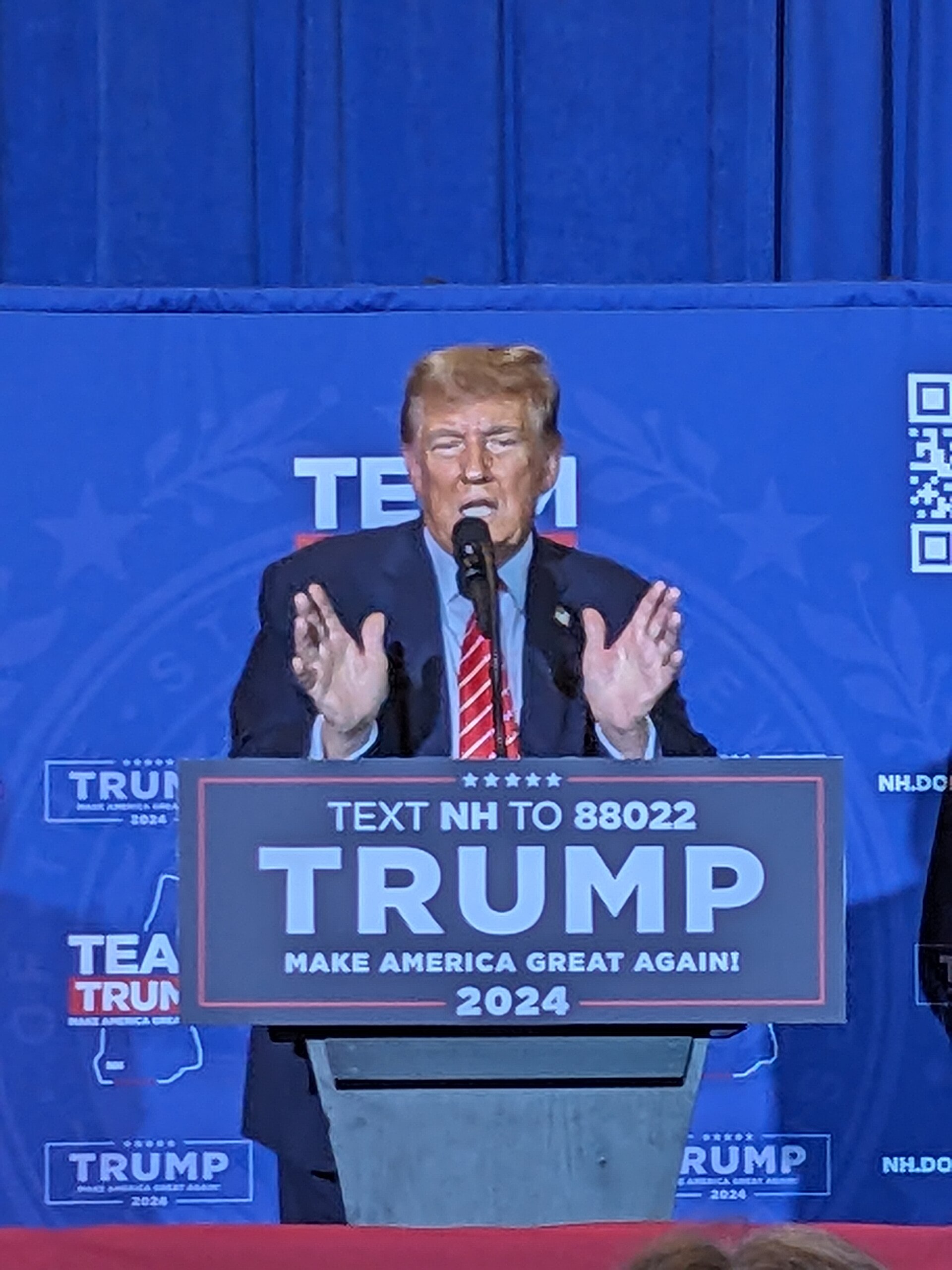

Quick Summary: Severe Weather Forces Evacuations at Trumps Great American State Fair
- Trump’s Great American State Fair faced two consecutive days of disruptions — extreme heat and severe weather forced postponements and evacuations.
- Washington experienced 100-degree temperatures — the heat prompted the fair to close on July 3, affecting scheduled events.
- Severe weather on July 4 led to further delays — attendees were evacuated from the National Mall, impacting Trump’s planned speech and fireworks.
- Freedom 250 claimed high attendance despite issues — organizers reported over 150,000 visitors in the first three days, but media highlighted sparse crowds.
- Event became a symbol of failure — poor planning, political backlash, and weather challenges overshadowed the fair’s intended patriotic celebration.
Source: Open external resource
Source: Read original article
Donald Trump’s Great American State Fair has become a glaring emblem of mismanagement and misfortune, marred by consecutive days of weather-induced chaos. What was intended to be a grand patriotic display has instead turned into a narrative of failure, with the fair being postponed twice due to extreme weather conditions.
The fair, which aimed to showcase American strength and unity, was first disrupted on July 3 when Washington’s sweltering 100-degree heat forced organizers to shut down the event. The following day, despite attempts to resume festivities, severe weather prompted an evacuation of the National Mall, further derailing Trump’s plans for a triumphant speech and fireworks display.
Freedom 250, the event’s organizers, have insisted on the fair’s success, citing over 150,000 visitors in the initial days. However, reports from multiple outlets paint a different picture, highlighting underwhelming attendance and a fair that seemed more like a political rally than a national celebration.
Contextually, the fair’s setbacks are not solely due to weather. Planning missteps and political controversies had already cast a shadow over the event. The Washington Post described it as a celebration that succumbed to both poor planning and adverse weather, with artist withdrawals and logistical issues adding to the woes.
As the event concluded on July 10, it left behind a trail of reputational damage rather than the intended patriotic fervor. The focus now shifts to the fallout, scrutinizing Freedom 250’s management and the viability of future Trump-linked events.
population, were under heat alerts that day, while Daily Beast reporting said the later fireworks program involved roughly 850,000 explosives. The sharpest quote from organizers came from Freedom 250 itself, which said, “The safety and well-being of our guests, volunteers, performers, vendors, and staff is our highest priority,” as it shut the fair Friday afternoon.
Freedom 250 spokesperson Danielle Alvarez told the Daily Beast that “in just the first three days alone, more than 150,000 visitors showed up,” calling it “a tremendous success,” but multiple outlets this week highlighted lighter-than-expected crowds, early closures, and the sense that the event had become more Trump-branded than broadly patriotic. , “We will wait it out, I don’t care if it’s 2:00 O’Clock in the morning, or in one hour from now,” adding, “They say 11:00 O’Clock for the speech.
The central conflict now is between Freedom 250’s insistence that the fair was a success and the growing body of reporting portraying it as underattended, overpoliticized, and poorly executed. Daily Beast’s latest on-the-ground reporting described the fair as “still largely empty” even as it neared its final day on Friday, July 10.
What happens next is less about a pending vote or hearing than about fallout: the fair’s run ended on Friday, July 10, so the next phase is reputational and political. The clearest new development is that Trump’s Great American State Fair became a running symbol of failure this week after back-to-back weather disruptions, including a Friday shutdown in 100-degree heat and a Saturday evacuation and delayed reopening that forced organizers to push events, clear the National Mall, and improvise around a celebration meant to showcase strength and scale.
Please refer to Freedom250 social media for updates. to noon; later that same day, visitors were evacuated from the National Mall as severe weather moved in ahead of Trump’s speech and fireworks; by Sunday, July 5, local reporting was already describing the city’s “hangover” from the troubled festivities; and by Friday, July 10, the event closed with fresh coverage emphasizing sparse crowds and a flop narrative rather than a triumphant finale.
population, were under heat alerts that day, while Daily Beast reporting said the later fireworks program involved roughly 850,000 explosives. Washington experienced 100-degree temperatures — the heat prompted the fair to close on July 3, affecting scheduled events.
Severe weather on July 4 led to further delays — attendees were evacuated from the National Mall, impacting Trump’s planned speech and fireworks. The fair, which aimed to showcase American strength and unity, was first disrupted on July 3 when Washington’s sweltering 100-degree heat forced organizers to shut down the event.
Freedom 250, the event’s organizers, have insisted on the fair’s success, citing over 150,000 visitors in the initial days. As the event concluded on July 10, it left behind a trail of reputational damage rather than the intended patriotic fervor.
The focus now shifts to the fallout, scrutinizing Freedom 250’s management and the viability of future Trump-linked events. , “We will wait it out, I don’t care if it’s 2:00 O’Clock in the morning, or in one hour from now,” adding, “They say 11:00 O’Clock for the speech.
The scale and speed of this development has caught many observers off guard. Each new update adds another dimension to a story that is still unfolding, and the full picture will only become clear as more verified details emerge from the people and institutions directly involved.
Analysts who have tracked this issue closely say the current moment represents a genuine turning point. The decisions made in the coming weeks are expected to set the direction for months ahead, with ripple effects likely to extend well beyond the immediate actors in the story.
For those directly affected, the practical impact is already visible. People navigating this fast-changing situation are dealing with real consequences while new information continues to reshape what is known and what remains open to interpretation.
Historical parallels offer some context, though experts caution against drawing too close a comparison. Similar situations have played out before, but the specific combination of pressures, personalities, and timing here makes this moment distinct in ways that matter for how it ultimately resolves.
The political and economic dimensions of this story are deeply intertwined. What appears as a single event on the surface is in practice the convergence of multiple pressures that have been building quietly over a longer period than most public reporting has captured.