The big unresolved question in CNN’s latest coverage is whether Trump’s revived election-fraud focus changes the 2026 landscape or simply hardens an old argument at a moment when voters may be looking elsewhere.
CNN’s most urgent new elections storyline is not a horse-race poll but Donald Trump’s renewed effort to put election security and 2020 grievances back at the center of the 2026 midterms, with CNN reporting that his July 16 primetime White House address was framed around alleged vulnerabilities ahead of November even as CNN said key claims in that speech were false.
Elections 2026 is at the center of this developing story, and the following analysis explains what matters most right now.
The central conflict driving CNN’s coverage is whether this is an election-security push or a political effort to sow doubt before the 2026 vote.
” CNN’s own reporters and analysts, including Daniel Dale and Gabe Cohen in related segments, cast the speech as part of a broader administration campaign to argue that voter fraud is happening at scale despite a lack of evidence.
Elections 2026: Key Takeaways Elections 2026 is at the center of this developing story, and the following analysis explains what matters most right now.
Elections 2026 is at the center of this developing story, and the following analysis explains what matters most right now.
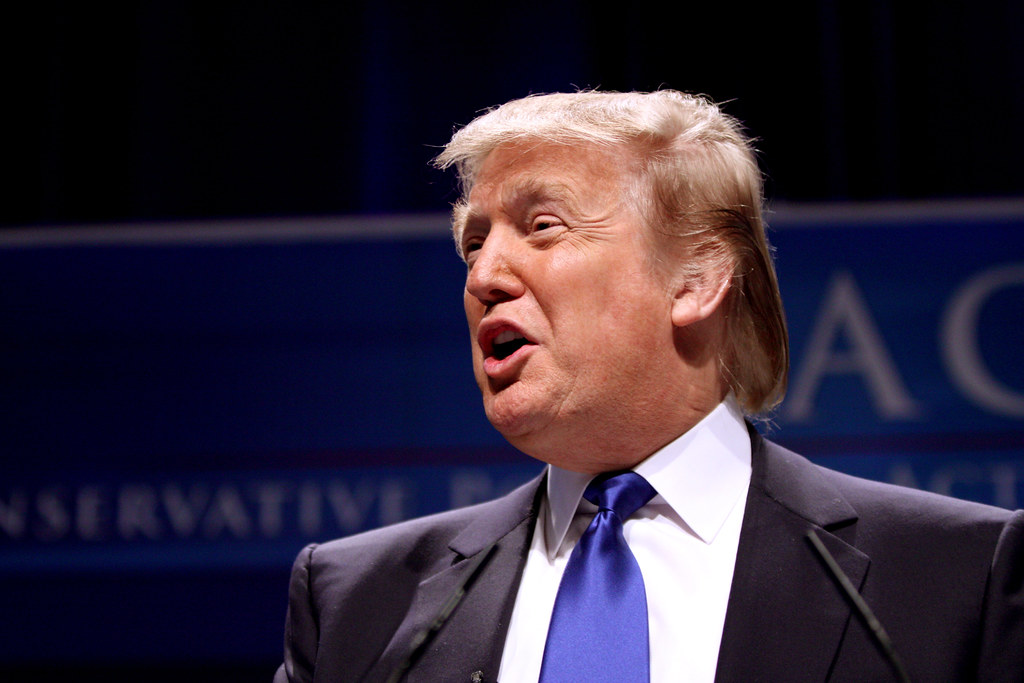
Own work. Photo: Wikimedia Commons
CNN’s most urgent new elections storyline is not a horse-race poll but Donald Trump’s renewed effort to put election security and 2020 grievances back at the center of the 2026 midterms, with CNN reporting that his July 16 primetime White House address was framed around alleged vulnerabilities ahead of November even as CNN said key claims in that speech were false. The sharpest development in CNN’s latest reporting is that Trump used a nationally televised address on July 16, 2026, to argue that newly declassified material showed foreign interference risks and to claim there were more non-citizens on voter rolls than previously known, but CNN’s July 17 coverage said its own analysis found “both of these claims to be false.” In the speech, Trump said, “Our elections were left vulnerable to being rigged and stolen, and the trust of the American people was lost.” That made the story less about a discrete legislative breakthrough than about a president trying to redefine the terms of the midterm campaign roughly 16 weeks before Election Day. The central conflict driving CNN’s coverage is whether this is an election-security push or a political effort to sow doubt before the 2026 vote. Senate Democratic leader Chuck Schumer gave CNN one of the clearest lines in that fight on July 16: “Donald Trump’s speech tonight has nothing to do with the 2020 elections. It has everything to do with the 2026 elections.” Schumer added, “He’s scared to death that he will lose in 2026, and so he’s trying to change the subject.” CNN’s own reporters and analysts, including Daniel Dale and Gabe Cohen in related segments, cast the speech as part of a broader administration campaign to argue that voter fraud is happening at scale despite a lack of evidence. The timeline over the past week in CNN’s reporting shows a rapid escalation. On July 14, CNN was already reporting that Trump was expected to focus on voting-machine security and alleged foreign efforts to influence elections. By July 16, ahead of the address, CNN aired Schumer’s prebuttal and political analysis warning the speech would feel familiar rather than groundbreaking. By July 17, CNN described the overnight address as a sweeping attempt to “sound an alarm on U.S. elections,” while simultaneously stressing that the headline factual assertions did not hold up under scrutiny. That compressed three-day sequence is what makes the story newsworthy: the White House previewed a major revelation, delivered a dramatic speech, and then immediately faced a fact-based rebuttal on its core claims. One notable quantitative marker from CNN’s own coverage is the electoral calendar itself. CNN said on July 17 that the midterms were 16 weeks away; by July 23, the network described the country as “nearly 100 days out” from the November elections. That matters because the reporting suggests the administration is making election integrity, not just inflation or immigration, a late-summer message priority at the exact moment campaigns usually begin heavy voter persuasion. CNN also reported that Republicans were being pushed to stay in Washington through the August recess to pass the SAVE Act, linking Trump’s rhetoric to a concrete legislative pressure campaign in Congress. A second striking subplot in CNN’s reporting is the money-and-strategy tension inside Republican politics. On July 27, CNN’s Inside Politics reported frustration among operatives that the White House and allied strategists had still not clearly deployed a large political cash reserve into vulnerable races. One CNN guest said, “They are sitting on so much money,” and described a strategy session with Susie Wiles, James Blair, and Chris LaCivita at the Four Seasons where, according to a person in the room, they “never once brought up spending money on these campaigns.” That is a revealing twist: even as Trump tries to nationalize the election around fraud and security, CNN reports allies are privately anxious about whether the mechanics of winning actual House and Senate races are being neglected. CNN’s broader midterm frame also suggests this message shift may reflect political weakness. In a July 23 transcript, the network referenced a Fox poll showing Democrats ahead of Republicans on the economy and foreign policy and noted Trump’s approval was near a record low ahead of the midterms. That gives Trump’s election-security message a more specific strategic context: if Republicans are losing ground on traditionally favorable issues, the incentive to re-center the campaign on election legitimacy grows. The resulting debate is whether that move energizes the Republican base or alienates persuadable voters exhausted by 2020 relitigation. What happens next, according to CNN’s reporting, is a mix of legislative and electoral deadlines. Congress faces renewed pressure over the SAVE Act during the August period, and campaigns are moving into the phase where ad spending and field operations intensify before November. CNN also highlighted a special South Carolina Republican primary held on August 11 to fill the ballot spot tied to Lindsey Graham’s former seat, a reminder that candidate selection is still unfolding even as the White House tries to set the national message. The big unresolved question in CNN’s latest coverage is whether Trump’s revived election-fraud focus changes the 2026 landscape or simply hardens an old argument at a moment when voters may be looking elsewhere.
The big unresolved question in CNN’s latest coverage is whether Trump’s revived election-fraud focus changes the 2026 landscape or simply hardens an old argument at a moment when voters may be looking elsewhere. CNN’s most urgent new elections storyline is not a horse-race poll but Donald Trump’s renewed effort to put election security and 2020 grievances back at the center of the 2026 midterms, with CNN reporting that his July 16 primetime White House address was framed around alleged vulnerabilities ahead of November even as CNN said key claims in that speech were false.
The central conflict driving CNN’s coverage is whether this is an election-security push or a political effort to sow doubt before the 2026 vote. ” CNN’s own reporters and analysts, including Daniel Dale and Gabe Cohen in related segments, cast the speech as part of a broader administration campaign to argue that voter fraud is happening at scale despite a lack of evidence.
By July 16, ahead of the address, CNN aired Schumer’s prebuttal and political analysis warning the speech would feel familiar rather than groundbreaking. On July 27, CNN’s Inside Politics reported frustration among operatives that the White House and allied strategists had still not clearly deployed a large political cash reserve into vulnerable races.
” That is a revealing twist: even as Trump tries to nationalize the election around fraud and security, CNN reports allies are privately anxious about whether the mechanics of winning actual House and Senate races are being neglected. What happens next, according to CNN’s reporting, is a mix of legislative and electoral deadlines.
On July 14, CNN was already reporting that Trump was expected to focus on voting-machine security and alleged foreign efforts to influence elections. In a July 23 transcript, the network referenced a Fox poll showing Democrats ahead of Republicans on the economy and foreign policy and noted Trump’s approval was near a record low ahead of the midterms.
Elections 2026: Key Takeaways Elections 2026 is at the center of this developing story, and the following analysis explains what matters most right now. The central conflict driving CNN’s coverage is whether this is an election-security push or a political effort to sow doubt before the 2026 vote.
” CNN’s own reporters and analysts, including Daniel Dale and Gabe Cohen in related segments, cast the speech as part of a broader administration campaign to argue that voter fraud is happening at scale despite a lack of evidence. By July 16, ahead of the address, CNN aired Schumer’s prebuttal and political analysis warning the speech would feel familiar rather than groundbreaking.