


Quick Summary: Osun Election Tensions Rise as IGP Faces Pressure Over APC Allegations
- IGP Tunji Disu is under pressure to act against APC figures as violence allegations rise before the Osun election.
- Governor Adeleke’s government is accused of distributing N20,000 to civil servants, termed a “Greek gift” by APC.
- 30 suspected politically motivated killings are under investigation, highlighting a breakdown in trust.
- Civil society groups demand the removal of Osun Commissioner of Police Ibrahim Gotan over violence concerns.
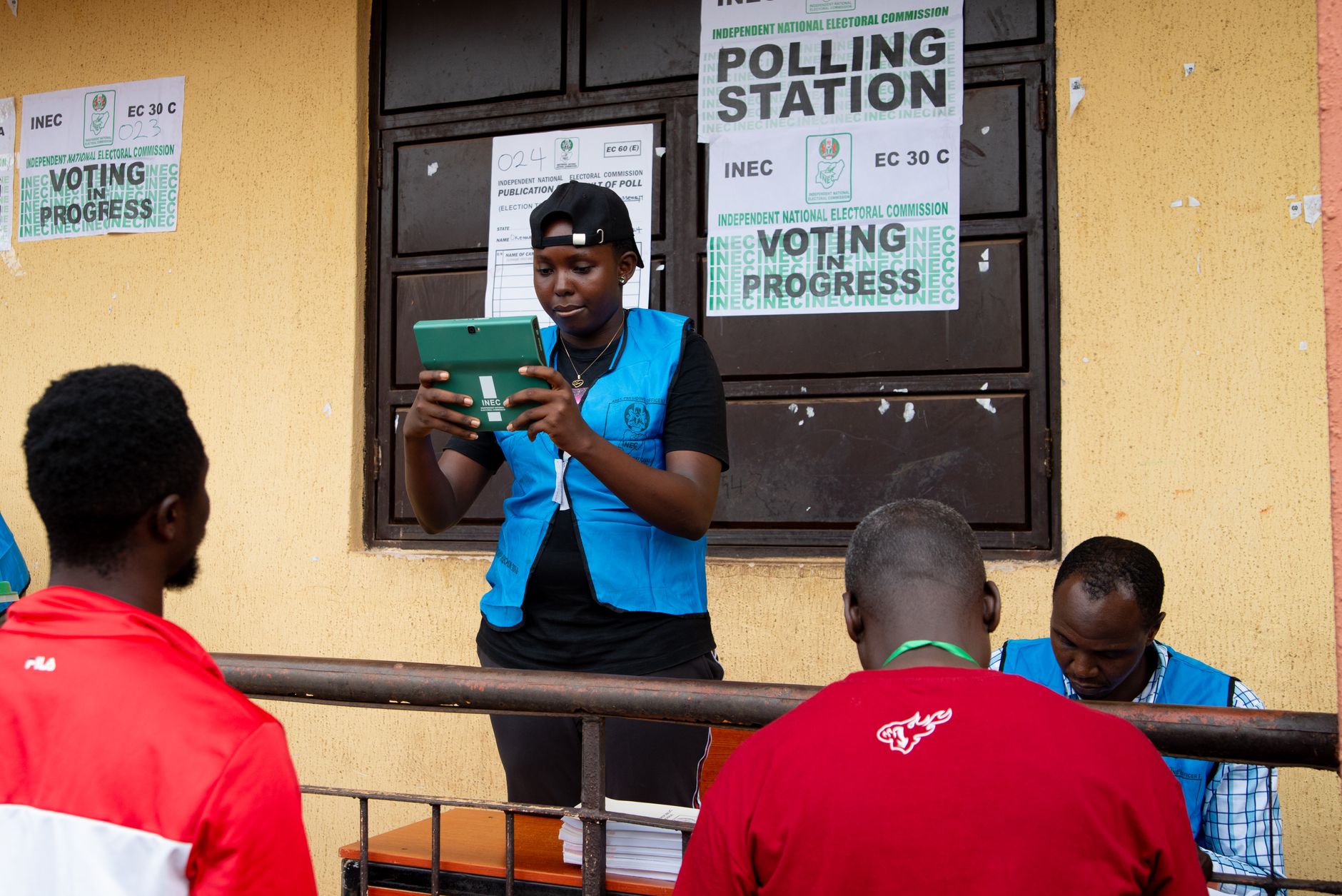
- INEC prepares for the August 15, 2026, governorship election with mock accreditation exercises.
Source: Open external resource
Source: Read original article
As the Osun election nears, the political landscape is boiling over with accusations and rising tensions. The call for the arrest of an APC senator over controversial remarks has spiraled into a broader security crisis, with Inspector-General of Police Tunji Disu caught in the crossfire. Allegations of politically motivated violence and claims of police bias are setting the stage for a contentious vote on August 15, 2026.
The controversy began with inflammatory remarks from APC figures, which opposition voices have seized upon as intimidation tactics. This has led to demands for arrests and formal police actions. The situation is complicated by allegations against Governor Ademola Adeleke’s camp, accused of vote-buying and harboring violent actors, claims that have only fueled the political fire.
The backdrop to this election is a series of violent incidents, with 30 suspected politically motivated killings under investigation. Civil society groups and stakeholders have called for the removal of Osun Commissioner of Police Ibrahim Gotan, citing a lack of neutrality and rising violence. Meanwhile, INEC is working to ensure a fair election process with mock accreditation exercises.
The stakes are high as both sides accuse each other of weaponizing the security apparatus. The pressure is on IGP Disu and the Osun Police Command to demonstrate impartiality and maintain order as the election approaches. Whether they can manage this volatile situation without further escalation remains to be seen.
Separately, The Guardian reported accusations that Governor Adeleke’s government distributed N20,000 each to civil servants, which APC described as a “Greek gift,” while Adeleke’s camp has accused APC operatives of illegal PVC buying and collection of voter-card PINs. In his July 2026 intervention ahead of the Osun governorship election, IGP Tunji Disu warned parties against violence and said “over 20 people have been killed within several months,” a figure that has become central to the campaign-season argument over who is inflaming tensions and whether the police are acting evenly.
One of the clearest cited remarks in available reporting came from Wole Oke, identified as director-general of the APC campaign team for the August 15 poll, who said in a circulated video, “Whoever is not in Tinubu’s camp should bear the consequences of his or her action. The sharpest new development is that the Osun election row has escalated from a complaint over inflammatory campaign rhetoric into a wider pre-election security crisis, with opposition voices pressing Inspector-General of Police Tunji Disu to act against APC figures as violence allegations, arrest claims and neutrality disputes intensify just days before the August 15, 2026 governorship poll.
What happens next is immediate and concrete: the August 15, 2026 Osun governorship election is the next decisive event, and the pressure is now on IGP Disu, the Osun Police Command and INEC to show visible neutrality before balloting begins. In parallel reporting, the Nigeria Police Force was also said to be probing 30 suspected politically motivated killings linked to the election buildup, turning what might have been a single-remark controversy into evidence of a much larger breakdown in trust.
The Guardian reported that civil society groups, NANS and other stakeholders called for the removal of Osun Commissioner of Police Ibrahim Gotan, citing a “surge in the rate of politically motivated violence and attacks” and growing distrust of police neutrality before the August 15 vote. The governorship vote is fixed for Saturday, August 15, 2026, and INEC has been conducting preparatory measures including a mock accreditation exercise in selected polling units.
On the other, the police say some arrested suspects confessed to plans to procure arms and ammunition for further violence, and APC-linked voices insist the state government is providing political cover to dangerous elements. The most surprising twist is that the available live reporting is less about a clean police response to one senator’s alleged statement and more about a cascading pre-election crisis in which nearly every major actor is accusing another of weaponizing the security apparatus.
In parallel reporting, the Nigeria Police Force was also said to be probing 30 suspected politically motivated killings linked to the election buildup, turning what might have been a single-remark controversy into evidence of a much larger breakdown in trust. The Guardian reported that civil society groups, NANS and other stakeholders called for the removal of Osun Commissioner of Police Ibrahim Gotan, citing a “surge in the rate of politically motivated violence and attacks” and growing distrust of police neutrality before the August 15 vote.
INEC prepares for the August 15, 2026, governorship election with mock accreditation exercises. The governorship vote is fixed for Saturday, August 15, 2026, and INEC has been conducting preparatory measures including a mock accreditation exercise in selected polling units.
The scale and speed of this development has caught many observers off guard. Each new update adds another dimension to a story that is still unfolding, and the full picture will only become clear as more verified details emerge from the people and institutions directly involved.
Analysts who have tracked this issue closely say the current moment represents a genuine turning point. The decisions made in the coming weeks are expected to set the direction for months ahead, with ripple effects likely to extend well beyond the immediate actors in the story.
For those directly affected, the practical impact is already visible. People navigating this fast-changing situation are dealing with real consequences while new information continues to reshape what is known and what remains open to interpretation.
Historical parallels offer some context, though experts caution against drawing too close a comparison. Similar situations have played out before, but the specific combination of pressures, personalities, and timing here makes this moment distinct in ways that matter for how it ultimately resolves.
The political and economic dimensions of this story are deeply intertwined. What appears as a single event on the surface is in practice the convergence of multiple pressures that have been building quietly over a longer period than most public reporting has captured.