

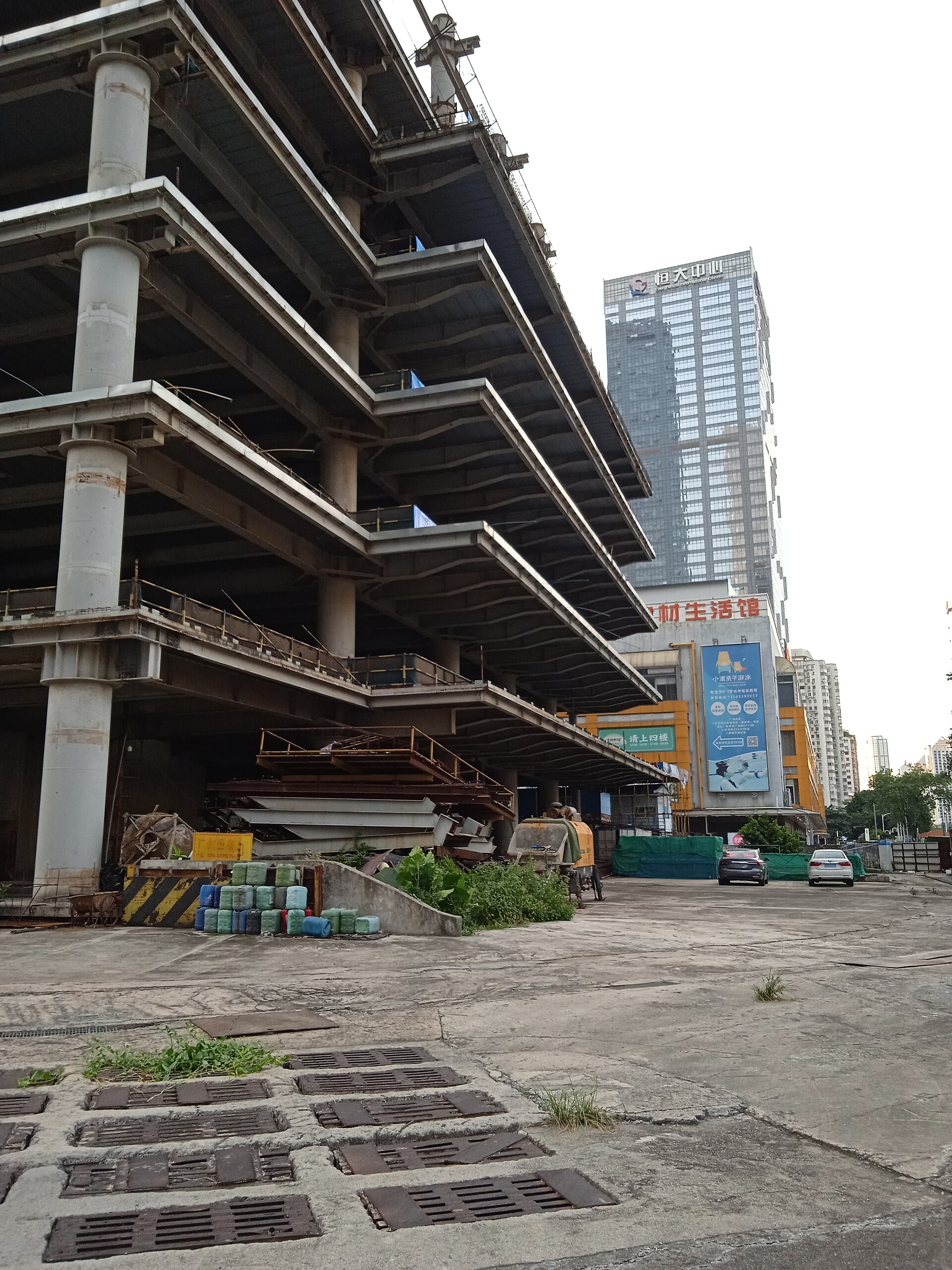

Quick Summary: Evergrande Fined 15.82 Billion Yuan Amid Massive Debt Crisis
- Hui Ka Yan sentenced to life in prison — Shenzhen court’s ruling marks a major accountability moment.
- Evergrande fined 15.82 billion yuan — corporate penalties underscore the scale of the fraud.
- Evergrande’s debt reached $332 billion by 2023 — the company’s liabilities contributed to a market crisis.
- Beijing’s crackdown on borrowing in 2020 — led to a wider real estate market crisis.
- Hui’s guilty plea in April 2026 — marked the beginning of a swift legal process.
Source: Open external resource
Source: Read original article
The dramatic fall of Evergrande’s founder, Hui Ka Yan, from billionaire developer to convicted criminal, is a seismic event in China’s property market. Sentenced to life in prison by a Shenzhen court, Hui’s fate is a stark warning to the industry about the consequences of unchecked ambition and financial mismanagement.
Evergrande, once a titan in China’s real estate sector, was burdened with over $300 billion in liabilities, tipping the market into crisis. The court’s decision to impose fines totaling 15.82 billion yuan on the company and its real estate arm further highlights the gravity of the fraud that Hui orchestrated. This isn’t just about punishing one man; it’s about sending a message to an entire sector.
In 2021, Evergrande’s default, compounded by Beijing’s crackdown on excessive borrowing, plunged the Chinese real estate market into turmoil. The state’s decision to make an example of Hui reflects a broader strategy to restore order and confidence in a market still reeling from the fallout.
While Hui’s life sentence is a definitive political statement, the real challenge lies in stabilizing the property market. The unresolved question is whether this high-profile conviction can restore faith among investors and homebuyers, or if it merely signals a new phase of uncertainty.
On April 14, 2026, Devdiscourse reported that Hui was appearing in court in Shenzhen and had admitted guilt. The most important new development is not just the life sentence itself, but the scale of the official punishment tied directly to the fraud findings: the Shenzhen Intermediate People’s Court said Hui, also known as Xu Jiayin, was convicted over large-scale fraud after pleading guilty in April.
Evergrande was carrying more than $300 billion in liabilities before it was ordered to liquidate, and Devdiscourse previously described the company’s debt pile as having reached $332 billion by 2023. AP said the company’s 2021 default, combined with Beijing’s crackdown on excessive borrowing in 2020, tipped the wider Chinese real estate market into crisis.
The company had more than $300 billion in liabilities, and Devdiscourse put the 2023 debt figure at $332 billion. The Shenzhen Intermediate People’s Court is the institution that handed down the first-instance verdict on August 20.
AP’s reporting says Hui pleaded guilty in April, while Devdiscourse’s April 14 account said he “admitted guilt and showed remorse” as trial proceedings unfolded in Shenzhen, suggesting the verdict announced today follows months of courtroom positioning rather than a sudden surprise. That is the clearest signal yet that Beijing is willing to turn the Evergrande implosion into a criminal warning shot for the rest of the property industry.
In other words, the state has now found its villain, but the property market still has not found its repair plan. Hui Ka Yan, the billionaire founder who once built Evergrande into one of China’s biggest developers, is now the face of the scandal.
On April 14, 2026, Devdiscourse reported that Hui was appearing in court in Shenzhen and had admitted guilt. 82 billion yuan — corporate penalties underscore the scale of the fraud.
Beijing’s crackdown on borrowing in 2020 — led to a wider real estate market crisis. Hui’s guilty plea in April 2026 — marked the beginning of a swift legal process.
Sentenced to life in prison by a Shenzhen court, Hui’s fate is a stark warning to the industry about the consequences of unchecked ambition and financial mismanagement. Evergrande, once a titan in China’s real estate sector, was burdened with over $300 billion in liabilities, tipping the market into crisis.
The scale and speed of this development has caught many observers off guard. Each new update adds another dimension to a story that is still unfolding, and the full picture will only become clear as more verified details emerge from the people and institutions directly involved.
Analysts who have tracked this issue closely say the current moment represents a genuine turning point. The decisions made in the coming weeks are expected to set the direction for months ahead, with ripple effects likely to extend well beyond the immediate actors in the story.
For those directly affected, the practical impact is already visible. People navigating this fast-changing situation are dealing with real consequences while new information continues to reshape what is known and what remains open to interpretation.
Historical parallels offer some context, though experts caution against drawing too close a comparison. Similar situations have played out before, but the specific combination of pressures, personalities, and timing here makes this moment distinct in ways that matter for how it ultimately resolves.
The political and economic dimensions of this story are deeply intertwined. What appears as a single event on the surface is in practice the convergence of multiple pressures that have been building quietly over a longer period than most public reporting has captured.