

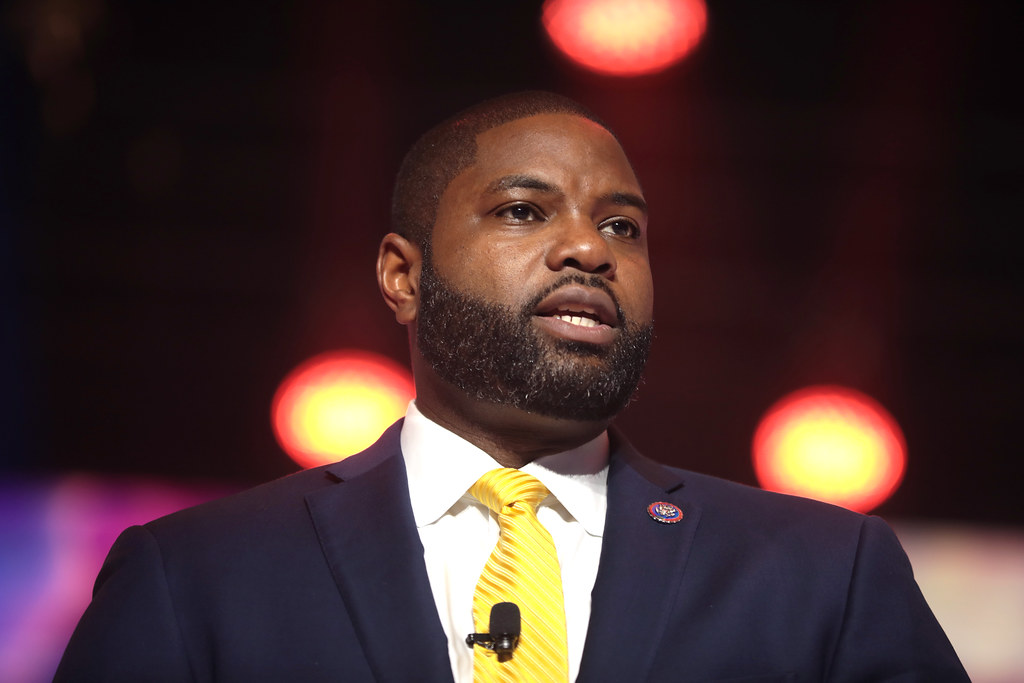

Quick Summary: Byron Donalds Rallies America First Support Ahead of Florida Vote
- The August 17, 2026, Sunburn edition is pivotal, landing just before Florida’s primary elections.
- The gubernatorial and U.S. Senate special elections have become a contest of turnout rather than persuasion.
- Byron Donalds’ campaign, backed by a Trump endorsement, emphasizes an ‘America First’ conservative agenda.
- Sunburn editions have been crucial in shaping political narratives and influencing donor and activist attention.
- August 18, 2026, is the decisive day when Florida voters will choose their party nominees.
Source: Open external resource
Source: Read original article
As Florida stands on the brink of its August 18, 2026 primary, the political landscape is ablaze with last-minute strategies and power plays. The August 17 edition of Sunburn, a crucial pre-election briefing, captures the frantic final hours of a campaign season defined by high-stakes gubernatorial and U.S. Senate races.
The narrative is clear: this is no ordinary election cycle. The focus is not on new policies but on who can best rally their base to the polls. Byron Donalds, with Trump’s endorsement, has positioned himself as the torchbearer of the ‘America First’ agenda, aiming to lower costs and combat illegal immigration. This isn’t just about winning votes; it’s about preserving the conservative legacy of the DeSantis era.
Florida Politics has consistently used Sunburn to set the agenda, highlighting significant campaign developments that capture statewide attention. This edition, landing on the final Monday before the primary, is a testament to the publication’s influence in shaping political discourse and mobilizing resources.
With the primary date set for August 18, the stakes are clear. The outcomes will not only decide party nominees but also test the effectiveness of last-minute endorsements and campaign strategies. As the dust settles, the real-world implications of these final pushes will be revealed in the vote totals.
Another concrete marker of the broader political mood comes from fundraising, where Florida Politics reported on June 9 that Charlie Crist raised more than $330,000 from March through May in the St. I should be candid that I could not retrieve the full text of the exact August 17, 2026 Sunburn entry from the live web results available to me; I found Florida Politics’ Sunburn archive and multiple 2026 editions, plus reliable confirmation of the August 18 primary timeline, but not the fully indexed August 17 page itself.
Publicly available indexing for Florida Politics shows Sunburn editions running daily through late July 2026 and confirms that August 18, 2026 is the date of Florida’s primary, which makes the August 17 edition a day-before-election briefing and, by timing alone, one of the most consequential Sunburn installments of the cycle. That same election calendar pressure is what makes the August 17 Sunburn notable: the story is less about one isolated policy item than about who can convert momentum into votes with almost no time left.
One specific number that captures the stakes is the calendar itself: the primary is Tuesday, August 18, 2026, meaning the August 17 Sunburn lands on the final Monday of the campaign, when last-minute endorsements, turnout operations and attack messaging matter most. 6 million and drawing contributions from more than 150 donors.
The most interesting twist is that the exact August 17, 2026 Sunburn article does not yet appear to be broadly indexed in accessible search results even though Florida Politics had been publishing Sunburn consistently through late July. What stands out most from the available Florida Politics reporting closest to this edition is how heavily the cycle has revolved around high-stakes statewide races, especially the Republican Governor’s primary and the special Senate election to fill Marco Rubio’s former seat, now held by Ashley Moody.
Senate special election has hardened into a turnout fight rather than a persuasion race. The Donalds-allied messaging was equally blunt, presenting him as an “America First” conservative focused on “lowering costs, combating illegal immigration and preserving policies” associated with the DeSantis era.
26 – Florida Politics The August 17, 2026, Sunburn edition is pivotal, landing just before Florida’s primary elections. August 18, 2026, is the decisive day when Florida voters will choose their party nominees.
Byron Donalds, with Trump’s endorsement, has positioned himself as the torchbearer of the ‘America First’ agenda, aiming to lower costs and combat illegal immigration. As the dust settles, the real-world implications of these final pushes will be revealed in the vote totals.
The Donalds-allied messaging was equally blunt, presenting him as an “America First” conservative focused on “lowering costs, combating illegal immigration and preserving policies” associated with the DeSantis era. With the primary date set for August 18, the stakes are clear.
Byron Donalds’ campaign, backed by a Trump endorsement, emphasizes an ‘America First’ conservative agenda. This isn’t just about winning votes; it’s about preserving the conservative legacy of the DeSantis era.
This edition, landing on the final Monday before the primary, is a testament to the publication’s influence in shaping political discourse and mobilizing resources. The narrative is clear: this is no ordinary election cycle.
The scale and speed of this development has caught many observers off guard. Each new update adds another dimension to a story that is still unfolding, and the full picture will only become clear as more verified details emerge from the people and institutions directly involved.
Analysts who have tracked this issue closely say the current moment represents a genuine turning point. The decisions made in the coming weeks are expected to set the direction for months ahead, with ripple effects likely to extend well beyond the immediate actors in the story.
For those directly affected, the practical impact is already visible. People navigating this fast-changing situation are dealing with real consequences while new information continues to reshape what is known and what remains open to interpretation.
Historical parallels offer some context, though experts caution against drawing too close a comparison. Similar situations have played out before, but the specific combination of pressures, personalities, and timing here makes this moment distinct in ways that matter for how it ultimately resolves.
The political and economic dimensions of this story are deeply intertwined. What appears as a single event on the surface is in practice the convergence of multiple pressures that have been building quietly over a longer period than most public reporting has captured.