


Quick Summary: Coal Industry Gains Renewed Support Amid West Virginia Policy Shifts
- Gov. Patrick Morrisey’s request led to the removal of civil service protections for over 9,000 state employees, raising concerns about job security and political influence.
- State worker Dawn Knight cited workplace disputes as a reason for her retirement, highlighting the impact of policy changes on individual careers.
- Gordon Simmons of the United Mine Workers criticized the loss of protections as a threat to merit-based employment.
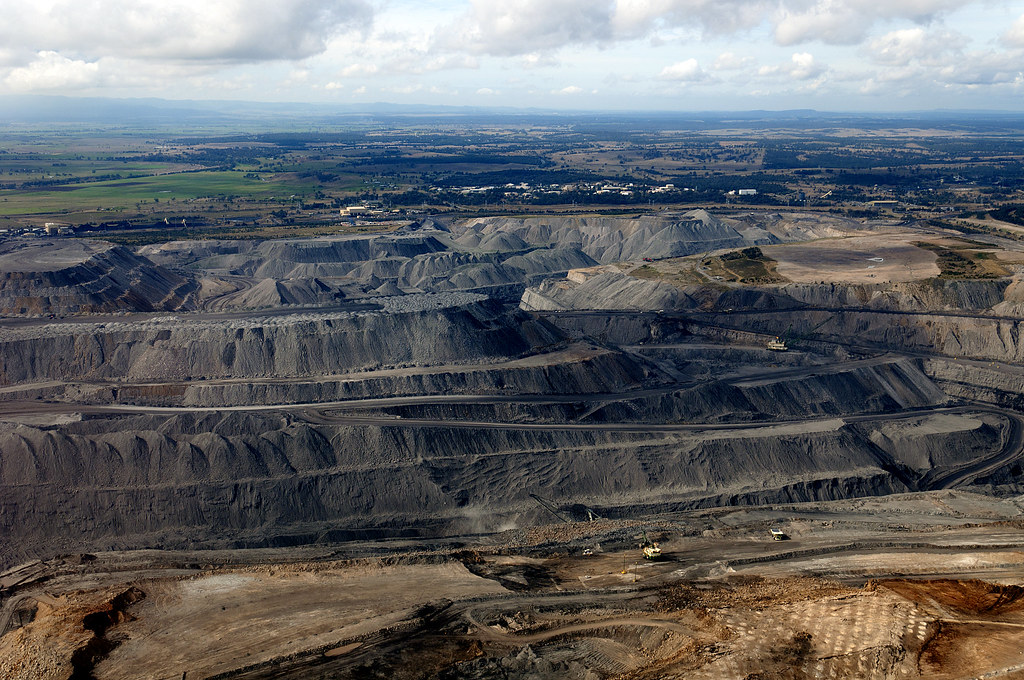
- Federal and state policy shifts have renewed confidence in coal, seen as both an economic and national-security issue.
- These policy changes are reshaping labor rules, education, and energy priorities in West Virginia.
Source: Open external resource
Source: Read original article
In West Virginia, sweeping policy changes are reshaping the landscape, with significant implications for state workers and the coal industry. Gov. Patrick Morrisey’s recent move to eliminate civil service protections for over 9,000 state employees is a bold step that critics argue undermines job security and fosters political favoritism.
For individuals like Dawn Knight, a state worker for nearly 30 years, these changes have prompted early retirement, reflecting the personal toll of such policies. Meanwhile, Gordon Simmons of the United Mine Workers voices concerns that this shift threatens the integrity of merit-based employment, potentially leading to a more politically driven workforce.
Simultaneously, federal and state initiatives are breathing new life into West Virginia’s coal industry. Proponents argue that this is a necessary move for economic stability and national security, while opponents worry about the long-term environmental impact and the prioritization of ideological battles over practical economic issues.
These debates are not isolated incidents but part of a broader trend of aggressive policy reforms in West Virginia, affecting labor laws, educational governance, and energy strategies. The outcome of these changes will depend heavily on how they are implemented and whether they can deliver on their promises without unintended consequences.
In a July 1, 2026 WV News/Mountain State Spotlight report, the key development was that lawmakers, “at Gov. A July 2025 WV News report showed the West Virginia Board of Education scheduling special meetings to discuss legal matters tied to House Bill 2755, pending litigation, and religious exemptions to school vaccination requirements.
Dawn Knight, a worker with nearly 30 years of state service, said ongoing workplace disputes helped push her toward retirement in September, while Gordon Simmons of United Mine Workers of America Local 154 argued the disappearing protections were created specifically to stop jobs from being awarded on political loyalty rather than qualifications. ”; the live results point instead to older WV News opinion and column pieces with similar language, not a fresh reported news article from this week.
Morrisey defended the push as part of an effort to “streamline” government, while union and worker advocates framed it as a direct attack on merit-based employment and independent review of discipline and firing. That story is being driven by a clear conflict over whether “streamlining” state government means making it more efficient or more political.
The practical stakes are concrete: workers who transfer or accept promotions lose protections, and new hires will not get them at all, creating a two-tier system inside state government. A second major WV News policy thread this year has centered on energy, especially coal, where pro-industry voices say federal and state policy has reversed years of decline.
Amos, Mountaineer, and Fort Martin power plants signaled new federal confidence in coal, and he cast the shift as both an economic and national-security decision rather than just an environmental fight. The surprise is that these are not isolated debates; together they show a state government aggressively reshaping labor rules, education authority, and energy priorities at the same time.
In a July 1, 2026 WV News/Mountain State Spotlight report, the key development was that lawmakers, “at Gov. Dawn Knight, a worker with nearly 30 years of state service, said ongoing workplace disputes helped push her toward retirement in September, while Gordon Simmons of United Mine Workers of America Local 154 argued the disappearing protections were created specifically to stop jobs from being awarded on political loyalty rather than qualifications.
Simultaneously, federal and state initiatives are breathing new life into West Virginia’s coal industry. The practical stakes are concrete: workers who transfer or accept promotions lose protections, and new hires will not get them at all, creating a two-tier system inside state government.
Patrick Morrisey’s request led to the removal of civil service protections for over 9,000 state employees, raising concerns about job security and political influence. Patrick Morrisey’s recent move to eliminate civil service protections for over 9,000 state employees is a bold step that critics argue undermines job security and fosters political favoritism.
For individuals like Dawn Knight, a state worker for nearly 30 years, these changes have prompted early retirement, reflecting the personal toll of such policies. These policy changes are reshaping labor rules, education, and energy priorities in West Virginia.
The scale and speed of this development has caught many observers off guard. Each new update adds another dimension to a story that is still unfolding, and the full picture will only become clear as more verified details emerge from the people and institutions directly involved.
Analysts who have tracked this issue closely say the current moment represents a genuine turning point. The decisions made in the coming weeks are expected to set the direction for months ahead, with ripple effects likely to extend well beyond the immediate actors in the story.
For those directly affected, the practical impact is already visible. People navigating this fast-changing situation are dealing with real consequences while new information continues to reshape what is known and what remains open to interpretation.
Historical parallels offer some context, though experts caution against drawing too close a comparison. Similar situations have played out before, but the specific combination of pressures, personalities, and timing here makes this moment distinct in ways that matter for how it ultimately resolves.
The political and economic dimensions of this story are deeply intertwined. What appears as a single event on the surface is in practice the convergence of multiple pressures that have been building quietly over a longer period than most public reporting has captured.