

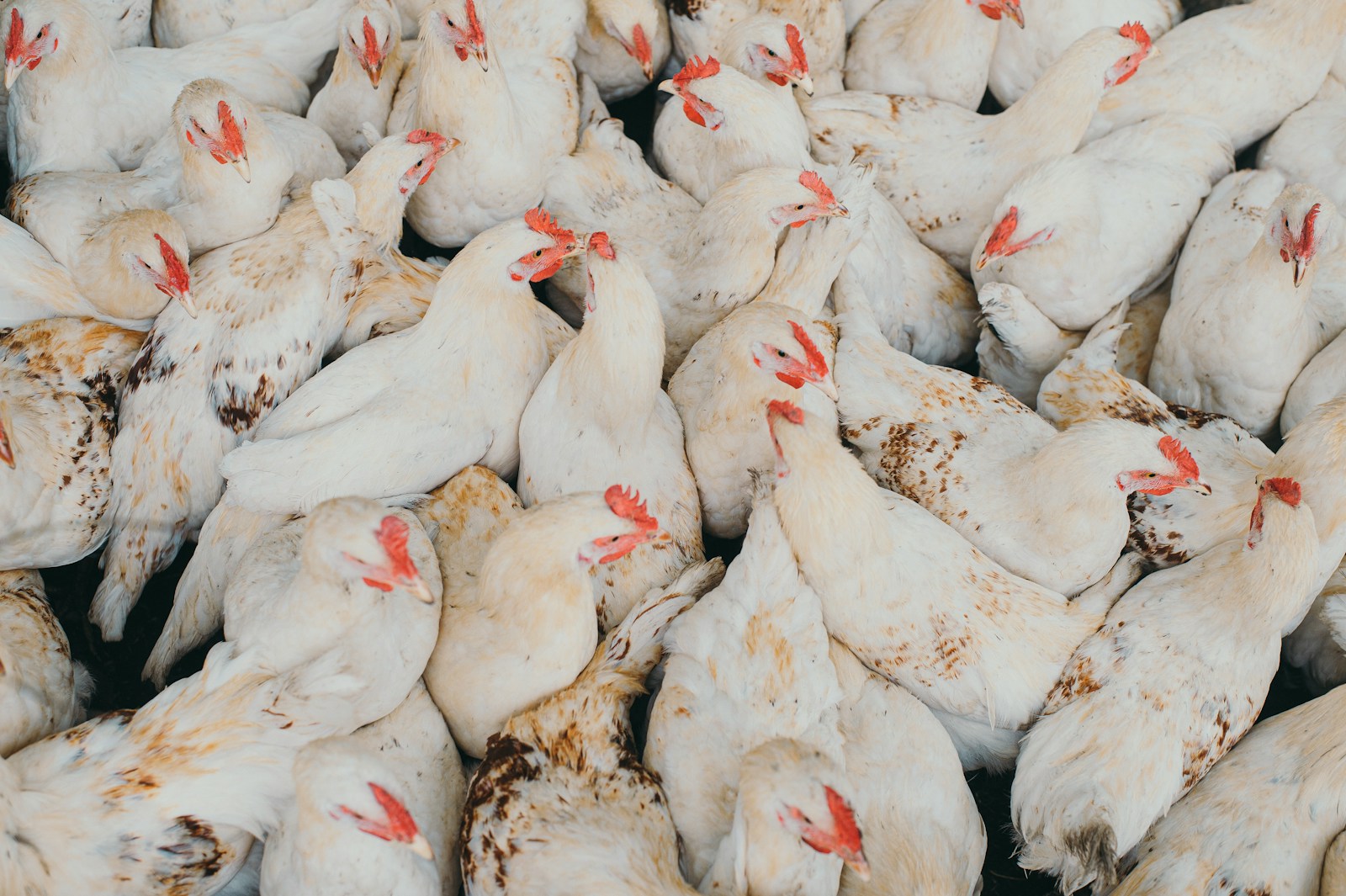

Quick Summary: ANSA Defends Moldovas Poultry Ban as Trade Dispute With Ukraine Intensifies
- Moldova’s poultry ban led to a 5%-7% price increase, sparking criticism of domestic favoritism.
- ANSA emphasized food safety as a priority amid trade tensions with Ukraine.
- Moldova imported 838,742 kg of beef from Ukraine in 2024, a minor trade compared to poultry.
- Before the ban, Moldova imported about 10,000 tonnes of Ukrainian poultry annually.
- The poultry trade dispute highlights the larger conflict over food safety and protectionism.
Source: Open external resource
Source: Read original article
Moldova’s decision to buy virtually no beef from Ukraine is not an isolated incident but a reflection of a broader trade skirmish between the two nations. While beef imports remain negligible, the real battleground lies in the poultry and dairy sectors, where Moldova’s regulatory actions have stirred economic and political ripples.
The National Food Safety Agency (ANSA) of Moldova justified its temporary suspension of Ukrainian poultry imports on the grounds of precautionary health measures. This move, however, was met with skepticism from industry groups who found it perplexing to extend sanctions from feed to meat, especially when the detected issues were in feed, not the meat itself.
Despite the poultry ban, Moldova’s Agriculture Minister, Ludmila Catlabuga, hinted at a gradual resumption of imports, indicating a balancing act between maintaining food safety and managing domestic market pressures. The poultry trade, which saw Moldova importing about 10,000 tonnes annually from Ukraine, underscores the significant economic stakes involved.
In contrast, beef trade remains marginal, with Moldova importing only 838,742 kilograms of frozen boneless bovine meat from Ukraine in 2024. This minor scale highlights the focus on poultry and dairy, where the volumes and political sensitivity are far greater. The ongoing negotiations and regulatory adjustments suggest that the real story is about managing these high-volume trades rather than beef.
As Moldova navigates this complex trade landscape, the emphasis remains on ensuring safe food products for its citizens. However, the interplay of health regulations and accusations of protectionism continues to shape the narrative, making this an ongoing story of economic and political maneuvering.
Logos Press reported that after the poultry ban, Moldovan producers raised prices by roughly 5% to 7% in the first week, a figure that gave critics immediate ammunition to argue the restrictions benefited domestic interests. The most recent searchable official and quasi-official material available live now points back to ANSA’s March 3, 2026 clarification on milk controls, the February 2026 reporting on a phased poultry reopening, and recent recirculation of trade data showing how small the beef relationship is in practical terms.
Department of Agriculture reporting says Ukraine is not expected to export red meat to the EU in 2025 or 2026 because of lower beef quality and strong competition. 49 million in 2024 Moldovan imports of frozen boneless bovine meat from Ukraine.
485 million, totaling 838,742 kilograms, far below the scale and political sensitivity of the poultry trade. ANSA said its “central priority stays ensuring that citizens of Moldova have access to food products that are safe,” while industry representatives insisted it was “very strange” to extend sanctions from feed to meat.
Interfax reported that Moldova had been buying about 10,000 tonnes of poultry meat from Ukraine annually before authorities intervened. That makes the “virtually no beef” line notable less as a breaking shock than as a sharp contrast with the much larger, politically charged fight over chicken, feed and milk.
Industry groups quoted by Logos Press called it “very strange” that meat was blocked when the detected problem had been found in feed, not in chicken meat itself. That move suggested Chisinau was trying to cool a politically awkward standoff without abandoning the food-safety rationale that ANSA had used to justify the ban.
md Moldova’s poultry ban led to a 5%-7% price increase, sparking criticism of domestic favoritism. Moldova imported 838,742 kg of beef from Ukraine in 2024, a minor trade compared to poultry.
This move, however, was met with skepticism from industry groups who found it perplexing to extend sanctions from feed to meat, especially when the detected issues were in feed, not the meat itself. In contrast, beef trade remains marginal, with Moldova importing only 838,742 kilograms of frozen boneless bovine meat from Ukraine in 2024.
Before the ban, Moldova imported about 10,000 tonnes of Ukrainian poultry annually. Despite the poultry ban, Moldova’s Agriculture Minister, Ludmila Catlabuga, hinted at a gradual resumption of imports, indicating a balancing act between maintaining food safety and managing domestic market pressures.
The scale and speed of this development has caught many observers off guard. Each new update adds another dimension to a story that is still unfolding, and the full picture will only become clear as more verified details emerge from the people and institutions directly involved.
Analysts who have tracked this issue closely say the current moment represents a genuine turning point. The decisions made in the coming weeks are expected to set the direction for months ahead, with ripple effects likely to extend well beyond the immediate actors in the story.
For those directly affected, the practical impact is already visible. People navigating this fast-changing situation are dealing with real consequences while new information continues to reshape what is known and what remains open to interpretation.
Historical parallels offer some context, though experts caution against drawing too close a comparison. Similar situations have played out before, but the specific combination of pressures, personalities, and timing here makes this moment distinct in ways that matter for how it ultimately resolves.
The political and economic dimensions of this story are deeply intertwined. What appears as a single event on the surface is in practice the convergence of multiple pressures that have been building quietly over a longer period than most public reporting has captured.