

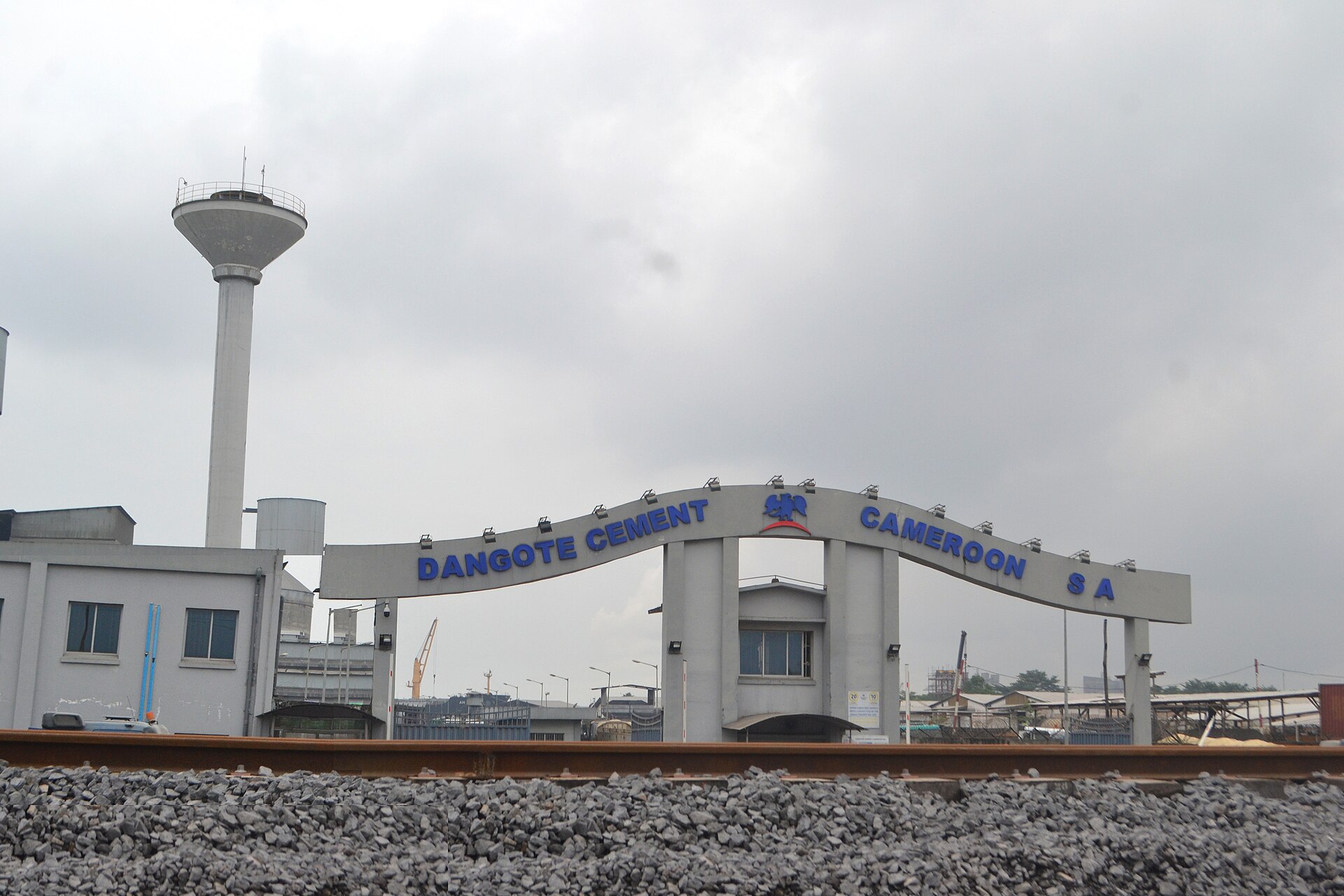

Quick Summary: Moodys Upgrades Dangote Sugar as Rights Issue Eases Debt Pressure
- Dangote Sugar completed a N486 billion rights issue, prompting Moody’s to upgrade its credit rating to B3 from Caa1.
- The rights issue began on May 27, 2026, and closed on June 24, 2026, offering shares at N60.00 each.
- Moody’s upgrade was influenced by the expectation that the capital raise would reduce refinancing pressure and allow debt repayment.
- As of March 2026, Dangote Sugar had NGN50 billion in cash against NGN625 billion of short-term debt.
- The rights issue is expected to expand the share count by 66.67%, potentially diluting earnings per share if profits do not increase.
Source: Open external resource
Source: Read original article
Dangote Sugar has made a bold move to stabilize its financial footing by completing a N486 billion rights issue. This strategic decision has already paid off, as evidenced by Moody’s upgrading the company’s credit rating from Caa1 to B3. The capital raise is not just a routine financial maneuver; it’s a lifeline aimed at reducing the company’s overwhelming short-term debt.
The rights issue, which offered 8,097,918,827 new shares at N60.00 each, was a significant step for Dangote Sugar. It was designed to deleverage the company’s balance sheet and improve liquidity. The stakes are high, as the company had NGN625 billion in short-term debt, including substantial letters of credit and commercial paper obligations.
Moody’s credit upgrade is a clear sign that the market views this capital raise as a positive step. However, the move also comes with risks. The increased share count could dilute earnings per share unless the company can translate this new capital into reduced finance costs and enhanced profitability. Investors are watching closely to see if the half-year financial results will validate this ambitious strategy.
In the broader context, this rights issue is part of Dangote Sugar’s long-term plan to expand local sugar production to 600,000 tonnes annually by 2030. The upcoming board meeting on July 30, 2026, will be crucial in assessing the financial health post-fundraise. The company’s ability to manage its debt and improve cash flow will determine if this recapitalization is a success or a temporary fix.
What makes the story stand out now is the follow-through: Moody’s reported on July 7, 2026 that it upgraded Dangote Sugar to B3 from Caa1 after the company completed the NGN486 billion, or about $318 million, rights issue. Shareholders had already approved the broader authority for a capital raise of up to N500 billion at the company’s 20th AGM on April 15, 2026, according to Dangote Sugar’s own AGM highlights.
On May 27, 2026, Business Post reported the rights issue had commenced, with a June 24 close date and a record date of April 20. On June 30, Dangote Sugar notified the market of a closed period beginning July 1 ahead of its half-year 2026 results and said its board would meet on July 30, 2026.
The most consequential new turn in Dangote Sugar’s roughly N486 billion capital raise is that the company did not just launch the rights issue to fund growth; the latest reporting says the cash injection has already helped trigger a Moody’s credit upgrade after the agency concluded the deal would materially cut refinancing pressure and let the company repay short-term debt tied to sugar imports. Moody’s said that as of March 2026 Dangote Sugar had around NGN50 billion in cash against NGN625 billion of short-term debt, including NGN295 billion in letters of credit, NGN182 billion in short-term borrowings, NGN81 billion in commercial paper, and NGN63 billion in bank overdrafts.
00 per share, offered on the basis of two new shares for every three existing shares held as of April 20, 2026, with the offer scheduled to run from May 25 to June 24, 2026. 3 billion to achieve production of at least 600,000 tonnes annually by 2030.
On July 7, Moody’s published the upgrade that effectively confirmed the market had treated the transaction as completed and credit positive. The board meeting scheduled for July 30, 2026 was set to consider the HY 2026 unaudited financial statements, and those results are the obvious checkpoint for whether leverage, finance costs, and liquidity improved after the fundraise.
On June 30, Dangote Sugar notified the market of a closed period beginning July 1 ahead of its half-year 2026 results and said its board would meet on July 30, 2026. The most consequential new turn in Dangote Sugar’s roughly N486 billion capital raise is that the company did not just launch the rights issue to fund growth; the latest reporting says the cash injection has already helped trigger a Moody’s credit upgrade after the agency concluded the deal would materially cut refinancing pressure and let the company repay short-term debt tied to sugar imports.
Moody’s said that as of March 2026 Dangote Sugar had around NGN50 billion in cash against NGN625 billion of short-term debt, including NGN295 billion in letters of credit, NGN182 billion in short-term borrowings, NGN81 billion in commercial paper, and NGN63 billion in bank overdrafts. As of March 2026, Dangote Sugar had NGN50 billion in cash against NGN625 billion of short-term debt.
67%, potentially diluting earnings per share if profits do not increase. The stakes are high, as the company had NGN625 billion in short-term debt, including substantial letters of credit and commercial paper obligations.
The scale and speed of this development has caught many observers off guard. Each new update adds another dimension to a story that is still unfolding, and the full picture will only become clear as more verified details emerge from the people and institutions directly involved.
Analysts who have tracked this issue closely say the current moment represents a genuine turning point. The decisions made in the coming weeks are expected to set the direction for months ahead, with ripple effects likely to extend well beyond the immediate actors in the story.
For those directly affected, the practical impact is already visible. People navigating this fast-changing situation are dealing with real consequences while new information continues to reshape what is known and what remains open to interpretation.
Historical parallels offer some context, though experts caution against drawing too close a comparison. Similar situations have played out before, but the specific combination of pressures, personalities, and timing here makes this moment distinct in ways that matter for how it ultimately resolves.
The political and economic dimensions of this story are deeply intertwined. What appears as a single event on the surface is in practice the convergence of multiple pressures that have been building quietly over a longer period than most public reporting has captured.