


Quick Summary: Canada Vows Retaliation as U.s. Tariffs on Autos and Lumber Take Effect
- The U.S. imposed 50% tariffs on $20 billion of Canadian goods — Ottawa vowed dollar-for-dollar retaliation.
- Negotiations collapsed after a three-day tariff pause — what seemed like a near-deal turned into a trade fight.
- Tariffs took effect on August 22 after a delay by President Trump — the initial deadline was August 19.
- Canada sought relief from U.S. tariffs on steel, aluminum, autos, and lumber — the U.S. refused to concede.
- Auto tariffs remained a sticking point — both sides failed to bridge politically sensitive issues.
Source: Open external resource
Source: Read original article
In a dramatic turn of events, the United States has slapped a hefty 50% tariff on $20 billion worth of Canadian goods, reigniting a fierce trade battle with its northern neighbor. What was a promising negotiation quickly unraveled, leaving both nations at odds and poised for economic conflict. Tariffs is at the center of this development.
The breakdown came after a temporary three-day pause in tariff implementation, which had raised hopes of a resolution. However, the talks fell apart, and the U.S. moved forward with the tariffs, prompting Canada to promise equivalent retaliatory measures. The swift escalation highlights the fragile nature of international trade agreements and the political sensitivities involved.
This trade dispute is rooted in Canada’s demand for relief from U.S. tariffs on key sectors like steel, aluminum, autos, and lumber. The Trump administration, however, stood firm, unwilling to offer concessions, particularly on auto tariffs, which proved to be a major sticking point. The failure to reach an agreement underscores the deep divisions that remain.
As the tariffs took effect on August 22, the immediate future of U.S.-Canada trade relations hangs in the balance. The next steps will likely involve retaliatory actions from Canada, further straining the economic ties between the two countries. The question now is whether leaders will quickly return to the negotiating table or allow the situation to deteriorate further.
A senior Trump administration official said Canada sought concessions the United States would not provide, and other reporting this week indicated auto tariffs remained a particular sticking point even during the pause. had gone ahead with the full 50% action on roughly $20 billion in Canadian products.
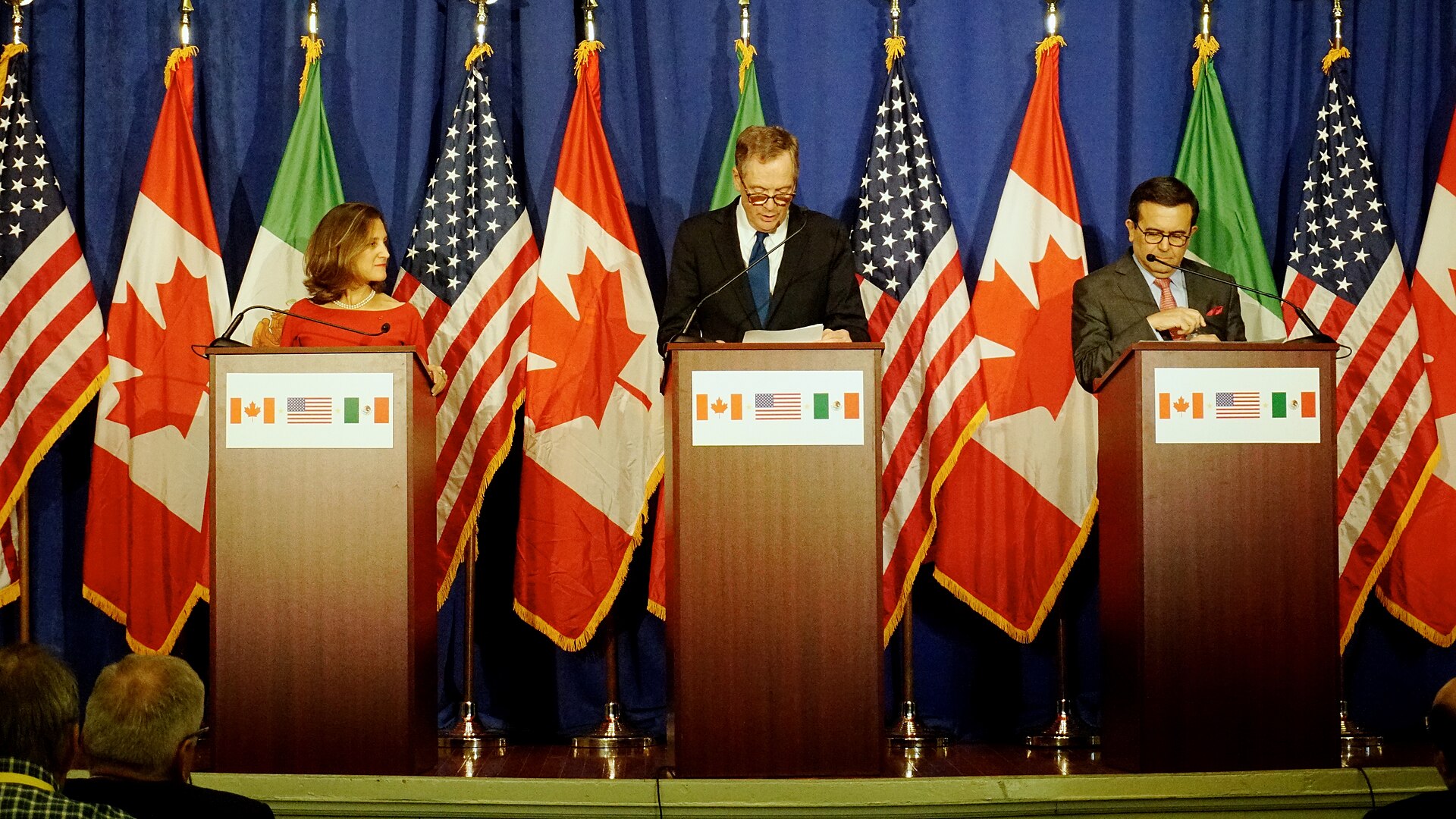
might cut certain steel and aluminum tariffs to 25% while canceling the new 50% order. A last-minute three-day tariff pause collapsed into a much sharper rupture overnight, with the United States imposing 50% duties on about $20 billion of Canadian goods early Saturday and Ottawa immediately vowing retaliation “dollar for dollar,” turning what had briefly looked like a near-deal into a renewed North American trade fight.
On August 17, reports said the two sides were still “far apart” as businesses warned of job losses and ministers intensified talks. Eastern on August 19, later delayed by President Donald Trump for three days before taking effect early on August 22.
sectoral tariffs on steel, aluminum, autos and lumber, while the Trump administration was unwilling to offer enough on those fronts. Trade Representative Jamieson Greer, and Canada’s trade team led by Dominic LeBlanc and chief negotiator Janice Charette.
What makes the story stand out is the twist from apparent momentum to collapse in barely 72 hours. On August 19, Trump abruptly delayed the tariff start by three days, and negotiators met again with auto tariffs still unresolved.
imposed 50% tariffs on $20 billion of Canadian goods — Ottawa vowed dollar-for-dollar retaliation. In a dramatic turn of events, the United States has slapped a hefty 50% tariff on $20 billion worth of Canadian goods, reigniting a fierce trade battle with its northern neighbor.
had gone ahead with the full 50% action on roughly $20 billion in Canadian products. might cut certain steel and aluminum tariffs to 25% while canceling the new 50% order.
A last-minute three-day tariff pause collapsed into a much sharper rupture overnight, with the United States imposing 50% duties on about $20 billion of Canadian goods early Saturday and Ottawa immediately vowing retaliation “dollar for dollar,” turning what had briefly looked like a near-deal into a renewed North American trade fight. On August 17, reports said the two sides were still “far apart” as businesses warned of job losses and ministers intensified talks.
Eastern on August 19, later delayed by President Donald Trump for three days before taking effect early on August 22. The Trump administration, however, stood firm, unwilling to offer concessions, particularly on auto tariffs, which proved to be a major sticking point.
The scale and speed of this development has caught many observers off guard. Each new update adds another dimension to a story that is still unfolding, and the full picture will only become clear as more verified details emerge from the people and institutions directly involved.
Analysts who have tracked this issue closely say the current moment represents a genuine turning point. The decisions made in the coming weeks are expected to set the direction for months ahead, with ripple effects likely to extend well beyond the immediate actors in the story.
For those directly affected, the practical impact is already visible. People navigating this fast-changing situation are dealing with real consequences while new information continues to reshape what is known and what remains open to interpretation.
Historical parallels offer some context, though experts caution against drawing too close a comparison. Similar situations have played out before, but the specific combination of pressures, personalities, and timing here makes this moment distinct in ways that matter for how it ultimately resolves.
The political and economic dimensions of this story are deeply intertwined. What appears as a single event on the surface is in practice the convergence of multiple pressures that have been building quietly over a longer period than most public reporting has captured.