

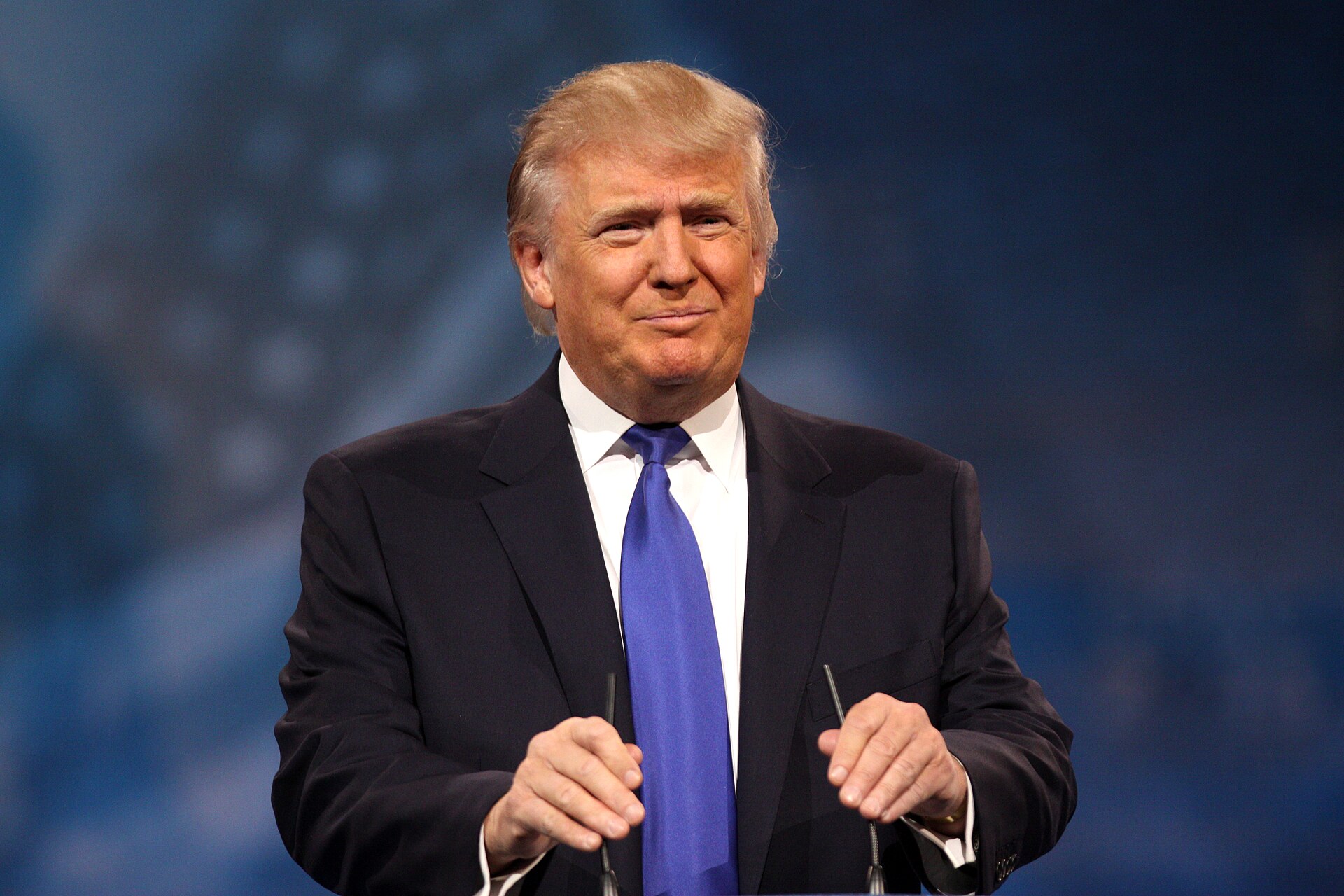

In a significant political move, President Trump declared the U.S.–Iran ceasefire ‘over’ during the NATO summit in Ankara, effectively reigniting a conflict that had been teetering on the brink for some time. This decision to reopen the Iran war comes at a politically sensitive time, with the midterm elections looming and public sentiment increasingly against the war. According to Washington Post, the ceasefire’s collapse was precipitated by attacks on merchant shipping in the Strait of Hormuz, which led to U.S. airstrikes and a renewed blockade, including a 20% toll on transiting cargo.
The decision has placed President Trump in a politically precarious position. Analysts have pointed out that the war is deeply unpopular, with over 60% of Americans opposing continued conflict. This has had a detrimental effect on Trump’s approval ratings and has boosted Democratic prospects for the upcoming midterm elections. The Brookings Institution reports that the ongoing conflict is not only unpopular but also politically damaging for Trump, as it fails to resonate with the public’s desire for peace and stability.
The ceasefire, which had been fragile from the outset, was undermined by unresolved issues such as Iran’s nuclear ambitions, missile programs, and its support for proxy groups. The complexities of the situation were illustrated by a CSIS report, which highlighted the various factors contributing to the ceasefire’s failure. Despite a memorandum of understanding aimed at maintaining peace, the truce unraveled, leading to renewed hostilities and economic repercussions.
The political ramifications of this move are significant. As noted by The Guardian, the decision has created a bind for Republicans, who are divided between hawkish supporters advocating for escalation and those fearful of the electoral fallout from a protracted, unpopular war. Public opinion strongly favors maintaining or extending the ceasefire, with support cutting across party lines, including among independents and even some Republicans.
The economic consequences of the renewed conflict, particularly the rise in energy prices, add another layer of complexity to Trump’s political challenges. As the conflict continues, the pressure mounts on the administration to navigate the delicate balance between military action and domestic political stability. The situation remains fluid, with the potential for further developments as the midterm elections approach.