

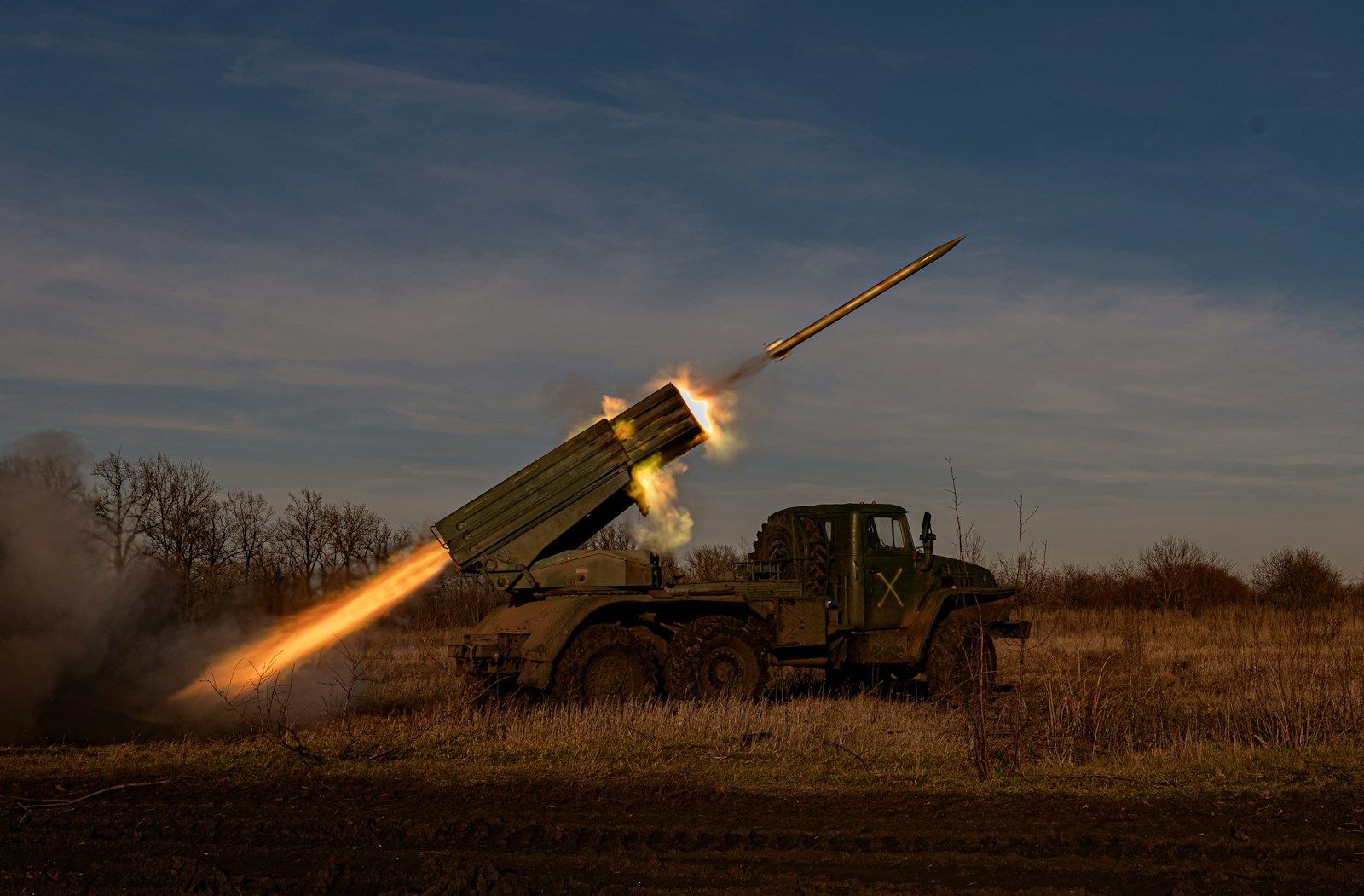

Quick Summary: Iran Launches Missiles at U.s. Sites in Jordan Amid Rising Tensions
- The U.S. struck two Iranian rocket launchers on Larak Island, claiming the action was to prevent a maritime threat in the Strait of Hormuz.
- This military strike follows a month-long pause in direct U.S. military actions against Iran.
- The Trump administration had previously emphasized a pivot away from military escalation toward economic pressure.
- Iran retaliated by launching missiles at U.S. sites in Jordan, escalating regional tensions.
- Oil prices surged approximately 3% following the U.S. strike, highlighting the global economic impact.
Source: Open external resource
Source: Read original article
In a surprising turn of events, the United States launched a military strike against Iranian rocket launchers on Larak Island, citing an imminent maritime threat in the Strait of Hormuz. This action marks the first direct military engagement by the U.S. in weeks, disrupting what seemed to be a strategic pivot towards economic pressure on Iran.
The strike was reportedly a preemptive move to stop the Revolutionary Guard from deploying sea mines in the critical shipping lane. This decision comes amidst a backdrop of shifting U.S. policy, where the Trump administration had publicly committed to reducing battlefield escalations in favor of financial sanctions.
Iran’s response was swift and severe, with missile launches targeting U.S. sites in Jordan. This escalation underscores the fragile nature of peace in the region and the potential for broader conflict. The financial markets reacted strongly, with oil prices climbing as traders recalibrated the risk associated with the Middle East’s volatile landscape.
The broader context reveals a complex geopolitical chess game, where economic strategies and military actions intertwine. As the U.S. prepares further economic sanctions, the question remains whether this strike is a standalone defensive measure or the beginning of a new phase of military engagement.
” Yet the same AP reporting says the administration’s own war aims have drifted over six months, and Trump’s earlier claims about damage to Iran’s arsenal have shifted from saying 90% of Iranian missiles and launchers were knocked out to later saying 82% were gone. That is what makes the central contradiction so striking: the attack came just days after the Trump administration publicly said it was pivoting away from battlefield escalation and toward economic coercion.
The core debate now is whether the administration can credibly claim it is de-escalating while still launching strikes when it says shipping lanes are at risk. AP reports Washington had been emphasizing an “economic D-Day” strategy, with Treasury Secretary Scott Bessent saying another bank would be sanctioned this week and warning that “all options are on the table” regarding pressure on China, Iran’s biggest trading partner and a leading buyer of its oil.
By early Monday, August 31, Jordan said it had intercepted eight missiles and the UAE said it intercepted an Iranian drone, while Bessent was set to host G20 finance meetings in North Carolina and push partners to further isolate Tehran economically. military had only last week finished clearing sea mines from the waterway’s international shipping routes.
account, says the strike hit two launchers on Iran’s Larak Island, which makes the key new revelation less about punishment and more about a claimed effort to stop an imminent maritime threat. bases in Jordan, while Jordan’s armed forces said they intercepted eight missiles that entered its airspace early Monday.
AP also reported semiofficial Iranian outlets described explosions near Larak Island and that the Revolutionary Guard said there were casualties, though publicly available reporting did not immediately pin down a death toll. ” That quote gets at the real stakes: even a limited strike near Hormuz can instantly reprice global risk.
That is what makes the central contradiction so striking: the attack came just days after the Trump administration publicly said it was pivoting away from battlefield escalation and toward economic coercion. AP reports Washington had been emphasizing an “economic D-Day” strategy, with Treasury Secretary Scott Bessent saying another bank would be sanctioned this week and warning that “all options are on the table” regarding pressure on China, Iran’s biggest trading partner and a leading buyer of its oil.
policy, where the Trump administration had publicly committed to reducing battlefield escalations in favor of financial sanctions. The financial markets reacted strongly, with oil prices climbing as traders recalibrated the risk associated with the Middle East’s volatile landscape.
The broader context reveals a complex geopolitical chess game, where economic strategies and military actions intertwine. prepares further economic sanctions, the question remains whether this strike is a standalone defensive measure or the beginning of a new phase of military engagement.
The scale and speed of this development has caught many observers off guard. Each new update adds another dimension to a story that is still unfolding, and the full picture will only become clear as more verified details emerge from the people and institutions directly involved.
Analysts who have tracked this issue closely say the current moment represents a genuine turning point. The decisions made in the coming weeks are expected to set the direction for months ahead, with ripple effects likely to extend well beyond the immediate actors in the story.
For those directly affected, the practical impact is already visible. People navigating this fast-changing situation are dealing with real consequences while new information continues to reshape what is known and what remains open to interpretation.
Historical parallels offer some context, though experts caution against drawing too close a comparison. Similar situations have played out before, but the specific combination of pressures, personalities, and timing here makes this moment distinct in ways that matter for how it ultimately resolves.
The political and economic dimensions of this story are deeply intertwined. What appears as a single event on the surface is in practice the convergence of multiple pressures that have been building quietly over a longer period than most public reporting has captured.