


Quick Summary: Patriot Missile Shortage Raises Alarm on U.s. Readiness in Europe
- Senior U.S. commanders formally opposed extending Iran-war deployments, signaling high-level military resistance.
- Southern Command and the Navy’s top admiral were among those objecting, while Central Command has kept over 50,000 troops on alert.
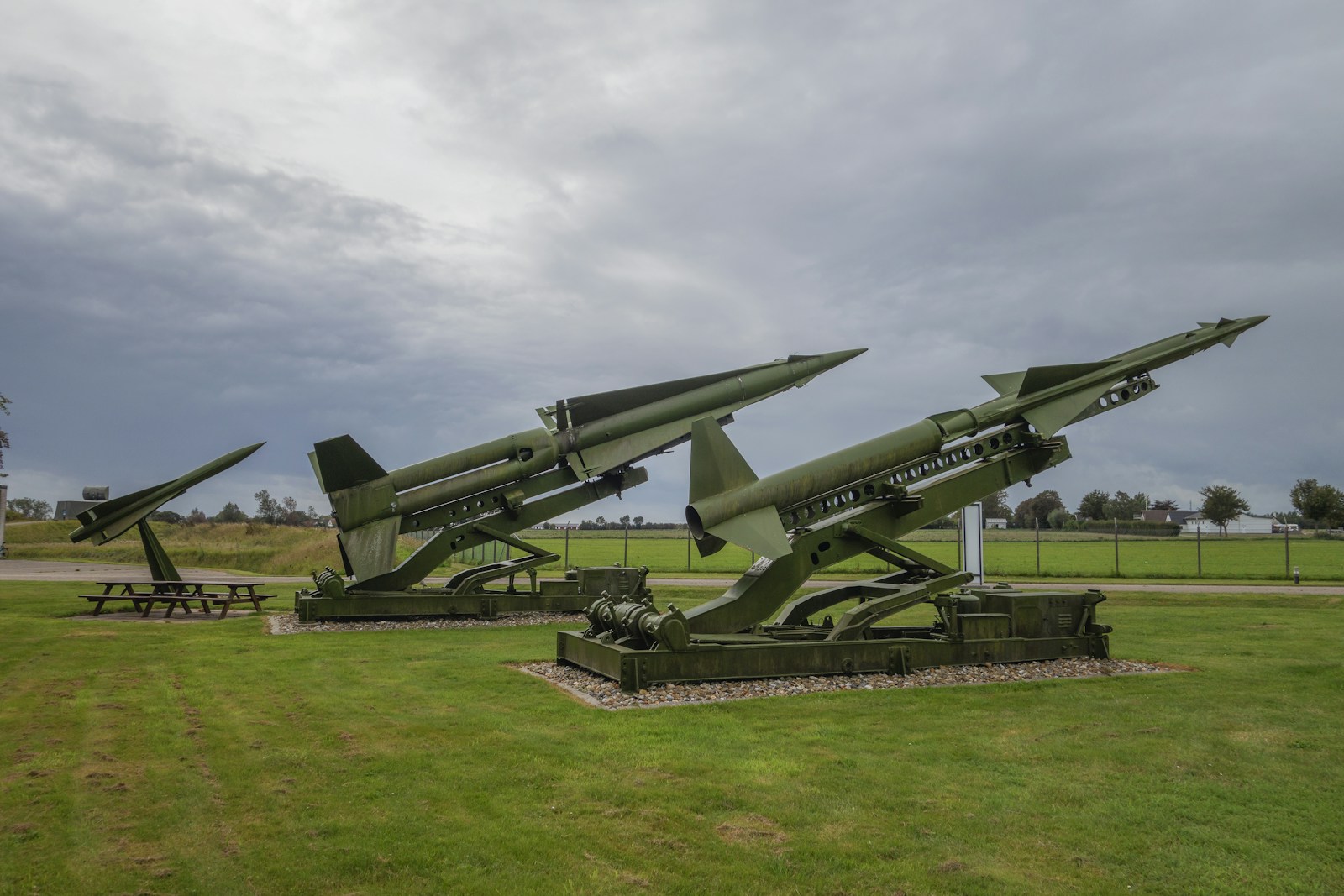
- Patriot missile stocks in Europe have fallen to critical levels, raising concerns about U.S. readiness.
- The U.S. recently struck Iranian rocket launchers, escalating tensions and operational risks.
- Internal military objections have sparked a public dispute over transparency and leadership confidence.
Source: Open external resource
Source: Read original article
In a rare display of internal dissent, senior U.S. military leaders have formally opposed extending operations in Iran, challenging Defense Secretary Pete Hegseth’s strategy. This opposition is not just a whisper in the corridors of the Pentagon; it’s a documented disagreement in the Secretary of Defense Orders Book, a move that underscores the gravity of their concerns.
Among those voicing objections are Southern Command and the Navy’s top admiral, while Central Command maintains a substantial force on high alert. The situation is compounded by the alarming depletion of Patriot missile stocks in Europe, which have reached critical levels, potentially compromising U.S. military readiness.
Recent military actions have only heightened the stakes. The U.S. conducted strikes on Iranian rocket launchers in the Strait of Hormuz, a move that has reignited tensions and operational risks. This development coincides with the military’s warnings about the unsustainability of prolonged operations, which threaten to deplete resources needed for other global threats.
The fallout from these objections has spilled into the public arena, with Hegseth’s spokesman dismissing the reports as “fake news” and accusing journalists of mishandling classified information. This clash has escalated beyond policy disagreements, raising questions about transparency and whether Hegseth retains the confidence of senior military leaders.
The broader controversy reflects a split within Trump’s team between maintaining military pressure and pursuing economic sanctions. The military’s dissent highlights the urgent need to balance these strategies, as continued operations could hollow out U.S. force readiness, leaving the nation vulnerable to other threats.
According to people familiar with the assessment, those objecting included Southern Command and the Navy’s top admiral, while Central Command has kept more than 50,000 troops on alert for months in case President Donald Trump orders further attacks on Iran. On August 27, AP revealed Patriot stocks in Europe had fallen to “beyond critical” levels because of the war.
The most consequential revelation in the latest Washington Post reporting, published August 30, is not simply that generals are worried, but that some of them registered official “non-concurs” in the Pentagon’s Secretary of Defense Orders Book, the classified document that governs worldwide force movements. A “non-concur” means they will obey the order but are formally recording disagreement, a rare signal of high-level military resistance inside the chain of command.
That means the warning from the brass was not a theoretical complaint about future escalation; it landed at the exact moment the war risked reigniting operationally. ” That exchange has sharpened the dispute from an internal military-policy disagreement into a public fight over transparency, leaks and whether Hegseth is losing the confidence of senior uniformed leaders.
The broader controversy is that Trump’s team appears split between military pressure and an attempted economic off-ramp. ” That tension is central to why the generals’ dissent matters: one side is warning that the war is hollowing out force readiness, while another still wants to preserve the option of renewed strikes.
In other words, the twist is that the Pentagon’s internal warning about overextension surfaced just as the battlefield started moving again. What happens next is likely to revolve around whether Trump accepts the military’s caution or sides with Hegseth on sustaining pressure.
On August 27, AP revealed Patriot stocks in Europe had fallen to “beyond critical” levels because of the war. commanders formally opposed extending Iran-war deployments, signaling high-level military resistance.
This development coincides with the military’s warnings about the unsustainability of prolonged operations, which threaten to deplete resources needed for other global threats. This clash has escalated beyond policy disagreements, raising questions about transparency and whether Hegseth retains the confidence of senior military leaders.
The broader controversy reflects a split within Trump’s team between maintaining military pressure and pursuing economic sanctions. A “non-concur” means they will obey the order but are formally recording disagreement, a rare signal of high-level military resistance inside the chain of command.
” That exchange has sharpened the dispute from an internal military-policy disagreement into a public fight over transparency, leaks and whether Hegseth is losing the confidence of senior uniformed leaders. The broader controversy is that Trump’s team appears split between military pressure and an attempted economic off-ramp.
The scale and speed of this development has caught many observers off guard. Each new update adds another dimension to a story that is still unfolding, and the full picture will only become clear as more verified details emerge from the people and institutions directly involved.
Analysts who have tracked this issue closely say the current moment represents a genuine turning point. The decisions made in the coming weeks are expected to set the direction for months ahead, with ripple effects likely to extend well beyond the immediate actors in the story.
For those directly affected, the practical impact is already visible. People navigating this fast-changing situation are dealing with real consequences while new information continues to reshape what is known and what remains open to interpretation.
Historical parallels offer some context, though experts caution against drawing too close a comparison. Similar situations have played out before, but the specific combination of pressures, personalities, and timing here makes this moment distinct in ways that matter for how it ultimately resolves.
The political and economic dimensions of this story are deeply intertwined. What appears as a single event on the surface is in practice the convergence of multiple pressures that have been building quietly over a longer period than most public reporting has captured.