

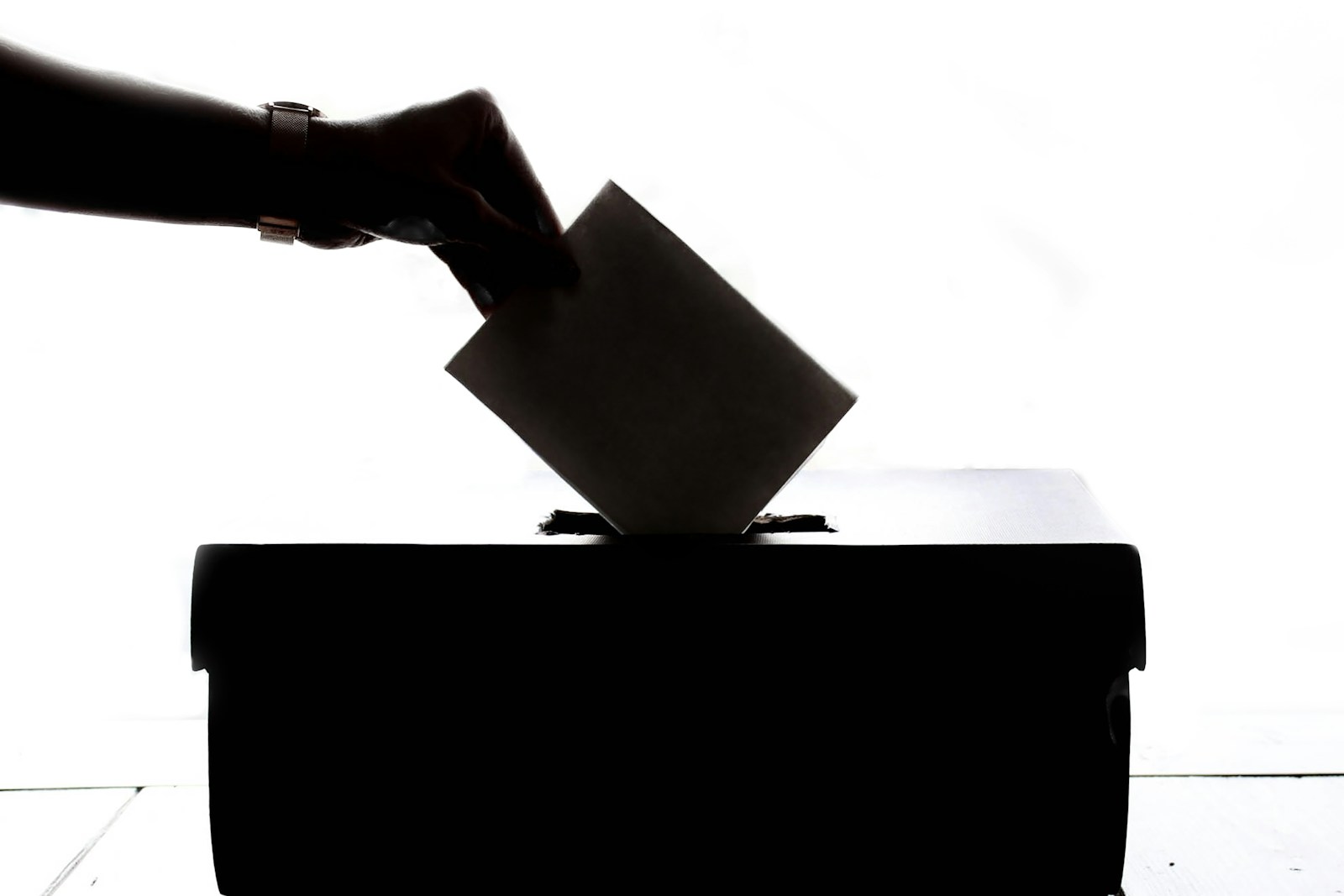

Quick Summary: Pentagon Confirms No Troop Deployment to Polls for 2026 Elections
- Dan Caine, chairman of the Joint Chiefs of Staff, confirmed no military deployment to polling places in 2026 elections.
- The announcement came in a letter made public on August 31, 2026, easing Democratic concerns about election interference.
- Despite Caine’s assurance, the letter stops short of a legal commitment against future troop deployment orders.
- The story gained traction as Democrats sought guarantees amidst President Trump’s rhetoric on federal election control.
- Reports of potential federal agents at polling sites have heightened political tensions.
Source: Open external resource
Source: Read original article
In a move that aims to quell rising fears of election interference, Gen. Dan Caine, chairman of the Joint Chiefs of Staff, has assured that the US military has no plans to deploy troops to polling places during the November 2026 midterms. This assurance, delivered in a letter that surfaced on August 31, 2026, offers Democrats a much-needed on-the-record guarantee against federal military presence at the polls.
The announcement comes amid heightened political tension, fueled by President Trump’s comments about federal control over elections. While Caine’s letter provides immediate reassurance, it stops short of a broader legal commitment, leaving room for potential future orders that could alter the current stance. This ambiguity has kept the issue politically charged.
Democrats, led by Sen. Elissa Slotkin, have been vocal in seeking explicit guarantees from the Pentagon, reflecting deep-seated concerns about election security. Slotkin’s inquiries follow Trump’s suggestions of deploying federal agents to polling places, further complicating the political landscape.
The context of this development is crucial. The debate over military involvement in elections is not new, but the current political climate adds layers of complexity. The Pentagon’s stance, as articulated by Caine, is a temporary assurance rather than a permanent policy shift, leaving open questions about future military roles in election security.
As the November midterms approach, the focus will be on whether the Pentagon will extend its assurances beyond the military to include federal agents and other enforcement personnel. The stakes are high, and the decisions made in the coming weeks could have lasting implications for the integrity of US elections.
Dan Caine, the chairman of the Joint Chiefs of Staff, has now put in writing that “the Joint Force has no plans to send Federal military personnel or Federalized members of the National Guard to polling places during the 2026 elections,” delivering Democrats their clearest on-the-record assurance yet that the Pentagon is not preparing an election-day troop deployment. Multiple reports say Slotkin sought the assurances after President Donald Trump urged Republicans to “nationalize” elections and after he said he had not ruled out sending Guard members or immigration agents to polling locations, even as no formal military deployment plan appears to exist now.
That assurance came in a letter obtained by AP and Reuters on August 31, 2026, after Sen. The letter became public on August 31, 2026, and the election in question is the November 2026 midterm, now only about two months away.
Elissa Slotkin of Michigan pressed both Caine and Defense Secretary Pete Hegseth for explicit guarantees that the military would not be used at polling places or in ballot handling during the November midterms. Over the past seven days, the story has moved from private congressional concern to public reassurance, with AP, Reuters, The Washington Post, and others all reporting the same core fact: the Pentagon’s top uniformed officer says there is currently no plan to place federal troops or federalized National Guard members at the polls.
The central conflict is the widening clash between Democratic fears of election interference and a Trump administration that has already fueled those fears with broader rhetoric about federal power and election control. Marshals at polling places, saying he would ask border czar Tom Homan to send federal agents before Election Day.
That reporting gave Democrats a concrete example of how talk of visible federal presence at polling sites is no longer hypothetical, even if Caine says regular military forces are not being readied for that role. The most striking part of the latest reporting is not just the denial of a troop plan, but that lawmakers felt compelled to ask in the first place, a sign of how seriously Democrats are treating the possibility of federal intervention in elections this fall.
This assurance, delivered in a letter that surfaced on August 31, 2026, offers Democrats a much-needed on-the-record guarantee against federal military presence at the polls. Dan Caine, the chairman of the Joint Chiefs of Staff, has now put in writing that “the Joint Force has no plans to send Federal military personnel or Federalized members of the National Guard to polling places during the 2026 elections,” delivering Democrats their clearest on-the-record assurance yet that the Pentagon is not preparing an election-day troop deployment.
The letter became public on August 31, 2026, and the election in question is the November 2026 midterm, now only about two months away. The announcement comes amid heightened political tension, fueled by President Trump’s comments about federal control over elections.
Over the past seven days, the story has moved from private congressional concern to public reassurance, with AP, Reuters, The Washington Post, and others all reporting the same core fact: the Pentagon’s top uniformed officer says there is currently no plan to place federal troops or federalized National Guard members at the polls. Slotkin’s inquiries follow Trump’s suggestions of deploying federal agents to polling places, further complicating the political landscape.
The Pentagon’s stance, as articulated by Caine, is a temporary assurance rather than a permanent policy shift, leaving open questions about future military roles in election security. As the November midterms approach, the focus will be on whether the Pentagon will extend its assurances beyond the military to include federal agents and other enforcement personnel.
The scale and speed of this development has caught many observers off guard. Each new update adds another dimension to a story that is still unfolding, and the full picture will only become clear as more verified details emerge from the people and institutions directly involved.
Analysts who have tracked this issue closely say the current moment represents a genuine turning point. The decisions made in the coming weeks are expected to set the direction for months ahead, with ripple effects likely to extend well beyond the immediate actors in the story.
For those directly affected, the practical impact is already visible. People navigating this fast-changing situation are dealing with real consequences while new information continues to reshape what is known and what remains open to interpretation.
Historical parallels offer some context, though experts caution against drawing too close a comparison. Similar situations have played out before, but the specific combination of pressures, personalities, and timing here makes this moment distinct in ways that matter for how it ultimately resolves.
The political and economic dimensions of this story are deeply intertwined. What appears as a single event on the surface is in practice the convergence of multiple pressures that have been building quietly over a longer period than most public reporting has captured.