

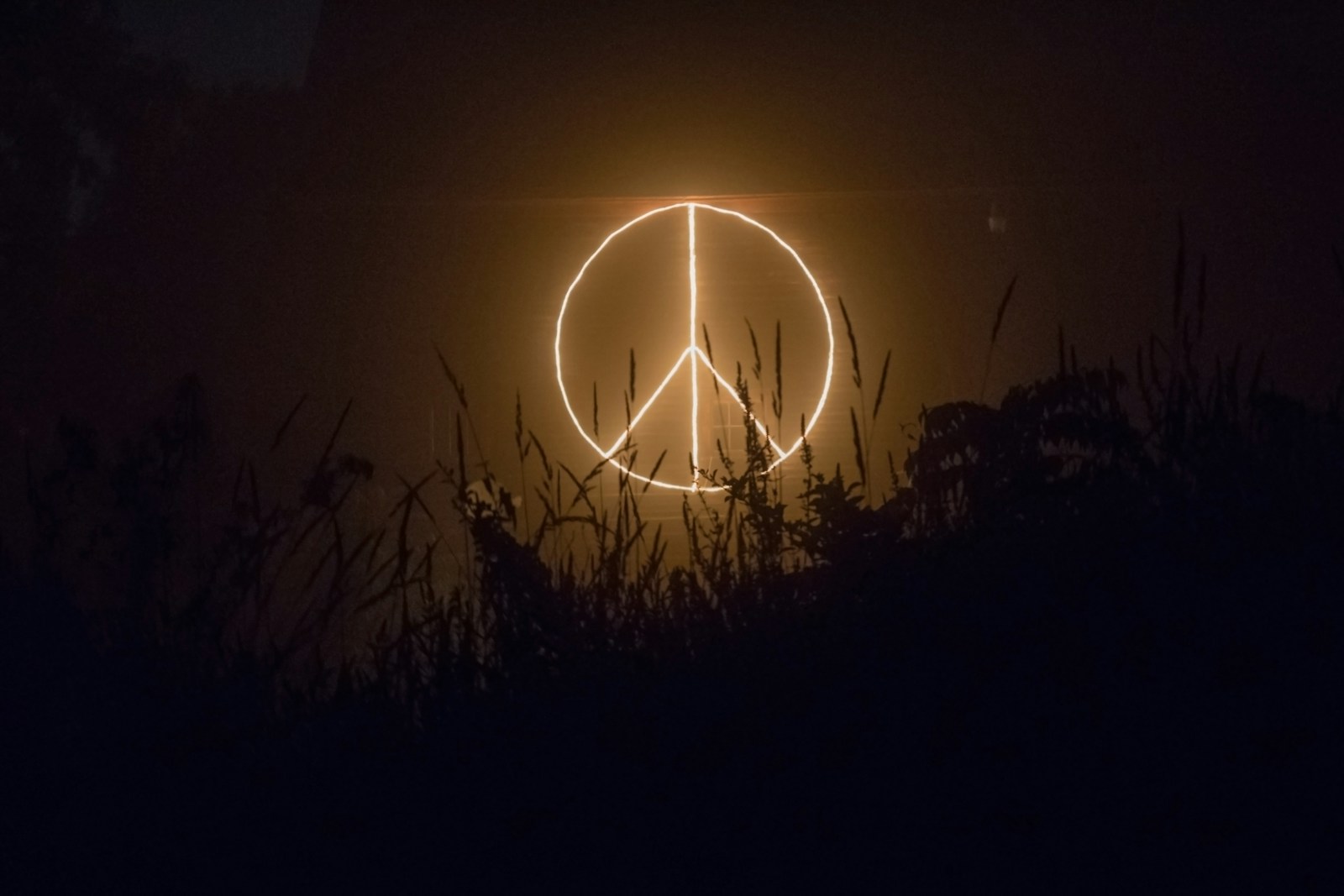

Quick Summary: Vatican Launches Global Audio Project for International Day of Peace
- The Vatican will host a 49-hour audio installation called ‘Sounds of Loss’ starting September 21 at St Peter’s Basilica, featuring 1,096 sounds representing war deaths.
- Cardinal José Tolentino de Mendonça described the installation as a moral warning about the daily tragedy of war-related deaths worldwide.
- The project challenges the public’s desensitization to war statistics by using sound to make the casualty rate more tangible.
- The installation is supported by the Vatican’s Dicastery for Culture and Education, giving it significant institutional backing.
- The sound pattern is intentionally uneven to highlight the unequal value often assigned to victims based on culture, religion, or race.
Source: Open external resource
Source: Read original article
The Vatican’s bold decision to back the ‘Sounds of Loss’ installation at St Peter’s Basilica is a stark reminder of the human cost of war. This 49-hour audio project, set to begin on September 21, coincides with the International Day of Peace and aims to make the abstract casualty rates of war tangible through sound.
Cardinal José Tolentino de Mendonça, head of the culture dicastery, emphasizes that the installation is not merely an aesthetic exercise but a moral call to recognize the ongoing tragedy of war-related deaths. By transforming cold statistics into audible events, the project challenges the numbing effect of constant war coverage.
Contextually, the Vatican’s endorsement of such a project is significant. It shows a willingness to engage with contemporary issues through art, using the symbolic space of St Peter’s Basilica to provoke reflection on the unequal value placed on human lives lost in conflict.
As the installation goes live, it remains to be seen whether this artistic endeavor will break through public indifference and catalyze a broader conversation about peace and the human cost of war.
Cardinal José Tolentino de Mendonça, who heads the culture dicastery, called Gröning “a true master of silence” and said the work “serves to call our attention to the daily tragedy of the loss of life in wars around our world,” framing the installation not as aesthetic experimentation but as a moral warning. What happens next is straightforward but significant: the installation will go live on September 21 at St Peter’s Basilica, be streamed during the September 20-21 window, and then continue as part of a longer artistic campaign that Gröning says he expects to carry through 2031.
The clearest new development is that the Vatican has confirmed a 49-hour global audio installation called Sounds of Loss will begin around International Day of Peace on September 21, with 1,096 individually recorded sounds echoing through the atrium of St Peter’s Basilica to represent people killed in war over that span. Vatican News reported on September 18 that German filmmaker Philip Gröning’s installation is built from 1,096 separate sound events spread across 49 hours, with each click, knock, or tap standing for one war death during that period.
According to the project description cited by Vatican News, that irregularity is meant to mirror the unequal value often assigned to victims depending on culture, religion, or race. 62 minutes, turning an abstract casualty rate into something physically heard inside one of the Catholic Church’s most symbolic spaces.
The intervention is timed to follow September 21 across all time zones, beginning in Kiribati and ending on Baker Island. Parallel presentations are also being staged at major religious sites including the Cathedral of St John the Divine in New York and Santa Maria Matricolare in Verona, making this less a local Roman observance than a coordinated international action tied to the UN’s International Day of Peace.
Cardinal Mauro Gambetti, the archpriest of St Peter’s Basilica, said hosting the work means offering “a space for listening and reflection on the victims of conflicts,” suggesting the Vatican sees this not as a one-off stunt but as part of a broader peace witness. Over three months, the team recorded more than 24,000 samples from 50 categories of sounds, including light switches, telegram machines, clocks, door locks, cardboard boxes, and pencils on tables, before shaping them into the final 49-hour sequence.
What happens next is straightforward but significant: the installation will go live on September 21 at St Peter’s Basilica, be streamed during the September 20-21 window, and then continue as part of a longer artistic campaign that Gröning says he expects to carry through 2031. Cardinal José Tolentino de Mendonça described the installation as a moral warning about the daily tragedy of war-related deaths worldwide.
According to the project description cited by Vatican News, that irregularity is meant to mirror the unequal value often assigned to victims depending on culture, religion, or race. This 49-hour audio project, set to begin on September 21, coincides with the International Day of Peace and aims to make the abstract casualty rates of war tangible through sound.
62 minutes, turning an abstract casualty rate into something physically heard inside one of the Catholic Church’s most symbolic spaces. Cardinal Mauro Gambetti, the archpriest of St Peter’s Basilica, said hosting the work means offering “a space for listening and reflection on the victims of conflicts,” suggesting the Vatican sees this not as a one-off stunt but as part of a broader peace witness.
Over three months, the team recorded more than 24,000 samples from 50 categories of sounds, including light switches, telegram machines, clocks, door locks, cardboard boxes, and pencils on tables, before shaping them into the final 49-hour sequence. The project challenges the public’s desensitization to war statistics by using sound to make the casualty rate more tangible.
The scale and speed of this development has caught many observers off guard. Each new update adds another dimension to a story that is still unfolding, and the full picture will only become clear as more verified details emerge from the people and institutions directly involved.
Analysts who have tracked this issue closely say the current moment represents a genuine turning point. The decisions made in the coming weeks are expected to set the direction for months ahead, with ripple effects likely to extend well beyond the immediate actors in the story.
For those directly affected, the practical impact is already visible. People navigating this fast-changing situation are dealing with real consequences while new information continues to reshape what is known and what remains open to interpretation.
Historical parallels offer some context, though experts caution against drawing too close a comparison. Similar situations have played out before, but the specific combination of pressures, personalities, and timing here makes this moment distinct in ways that matter for how it ultimately resolves.
The political and economic dimensions of this story are deeply intertwined. What appears as a single event on the surface is in practice the convergence of multiple pressures that have been building quietly over a longer period than most public reporting has captured.