

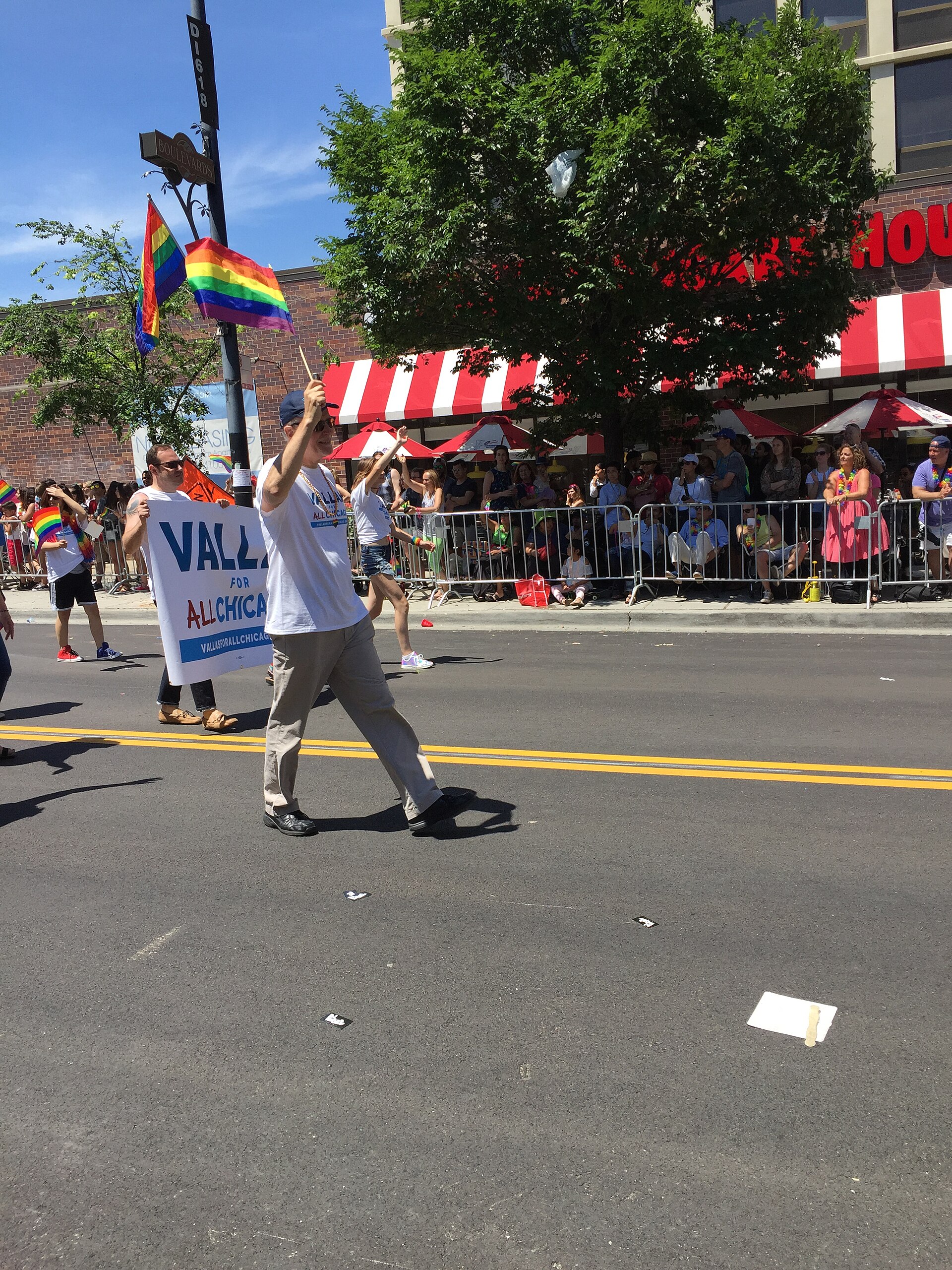

Quick Summary: Brandon Johnsons Reelection Bid Sets Stage for Class Conflict in Chicago
- Petition circulation began July 28, with candidates needing 12,500 signatures by November 2 — this tight timeline adds pressure to potential candidates.
- Mayor Brandon Johnson officially launched his reelection campaign on September 13 — his candidacy frames the race as a battle between the ‘corporate class’ and the ‘working class.’.
- Alexi Giannoulias and Maria Pappas are pursuing dual campaigns — their strategy is politically risky, as seen in Susana Mendoza’s 2019 mayoral bid.
- Entrepreneur Joe Holberg self-funded $400,000 to his campaign — this move could unlock larger fundraising under Illinois rules.
- Willie Wilson is making his fourth mayoral bid — he emphasizes his outsider status and critiques Chicago’s current fiscal and safety management.
Source: Open external resource
Source: Read original article
Chicago’s mayoral race is heating up with a diverse field of candidates vying for the city’s top job. As the election approaches, the political landscape is being shaped by a compressed timeline and a crowded roster of contenders. Mayor Brandon Johnson’s recent announcement of his reelection campaign has intensified the competition, setting the stage for a battle between established political forces and fresh challengers. Bid is at the center of this development.
Johnson, who frames his campaign as a fight for the working class against corporate interests, faces a field of opponents each with their own vision for the city’s future. Alexi Giannoulias and Maria Pappas are taking a bold but risky approach by running for multiple offices simultaneously, a strategy that previously backfired for Susana Mendoza. Meanwhile, Willie Wilson’s fourth bid emphasizes his business acumen and outsider status, resonating with voters frustrated by the city’s current challenges.
The race is further complicated by financial dynamics, with candidates like Joe Holberg leveraging personal wealth to gain an edge. Holberg’s significant self-funding could set a precedent for campaign financing in this election, highlighting the influence of money in politics.
As the deadline for petition signatures looms, candidates must navigate a complex political landscape. The upcoming November elections and December ballot certifications will be critical in determining the final lineup for one of Chicago’s most competitive mayoral races in recent history.
WTTW notes that the whole process was accelerated by a 2024 law signed by Gov. Petition circulation began July 28, candidates for mayor must file at least 12,500 signatures, objections are due by November 2, the ballot is scheduled to be certified by December 17, mail ballots go out January 14, early voting starts that same day, and a runoff is set for April 6 if nobody clears 50% plus one on February 23.
” That move matters because it turns a crowded anti-incumbent conversation into a direct referendum on Johnson’s first term less than five months before the February 23, 2027 election. Alexi Giannoulias entered the mayor’s race on August 2 while also running for a second term as secretary of state, and Maria Pappas has said she intends to run for mayor but is first seeking another four-year term as Cook County treasurer this fall.
” The dual-track campaigning is politically risky enough that WTTW points to Susana Mendoza’s decision not to seek reelection as comptroller so she could avoid the criticism that hurt her 2019 mayoral bid. WTTW reports entrepreneur Joe Holberg loaned his campaign $400,000 on December 26, a move that can effectively unlock far larger fundraising under Illinois rules.
Individual donors are generally capped at $7,300, businesses at $14,600 and PACs at $72,800, while city “doing business” restrictions limit some contributors to $1,500 per candidate per year. The next real inflection points are the November election, when candidates like Giannoulias and Pappas face voters in their current offices, and then the December 17 ballot certification, which will reveal who actually made it into what is becoming one of Chicago’s most crowded and ideologically combative mayoral contests in years.
Chicago’s mayoral race jolted again this week as WTTW’s latest tracker, updated September 23, shows Mayor Brandon Johnson is now officially in, Willie Wilson is escalating his fourth run, and the field is being squeezed by an unusually early ballot timetable that is forcing ambitious Democrats to juggle campaigns for multiple offices at once. The most vivid fresh quote in this week’s reporting comes from Willie Wilson, whose September 23 WTTW interview sharpened his anti-establishment message.
Alexi Giannoulias and Maria Pappas are pursuing dual campaigns — their strategy is politically risky, as seen in Susana Mendoza’s 2019 mayoral bid. Entrepreneur Joe Holberg self-funded $400,000 to his campaign — this move could unlock larger fundraising under Illinois rules.
The scale and speed of this development has caught many observers off guard. Each new update adds another dimension to a story that is still unfolding, and the full picture will only become clear as more verified details emerge from the people and institutions directly involved.
Analysts who have tracked this issue closely say the current moment represents a genuine turning point. The decisions made in the coming weeks are expected to set the direction for months ahead, with ripple effects likely to extend well beyond the immediate actors in the story.
For those directly affected, the practical impact is already visible. People navigating this fast-changing situation are dealing with real consequences while new information continues to reshape what is known and what remains open to interpretation.
Historical parallels offer some context, though experts caution against drawing too close a comparison. Similar situations have played out before, but the specific combination of pressures, personalities, and timing here makes this moment distinct in ways that matter for how it ultimately resolves.
The political and economic dimensions of this story are deeply intertwined. What appears as a single event on the surface is in practice the convergence of multiple pressures that have been building quietly over a longer period than most public reporting has captured.