

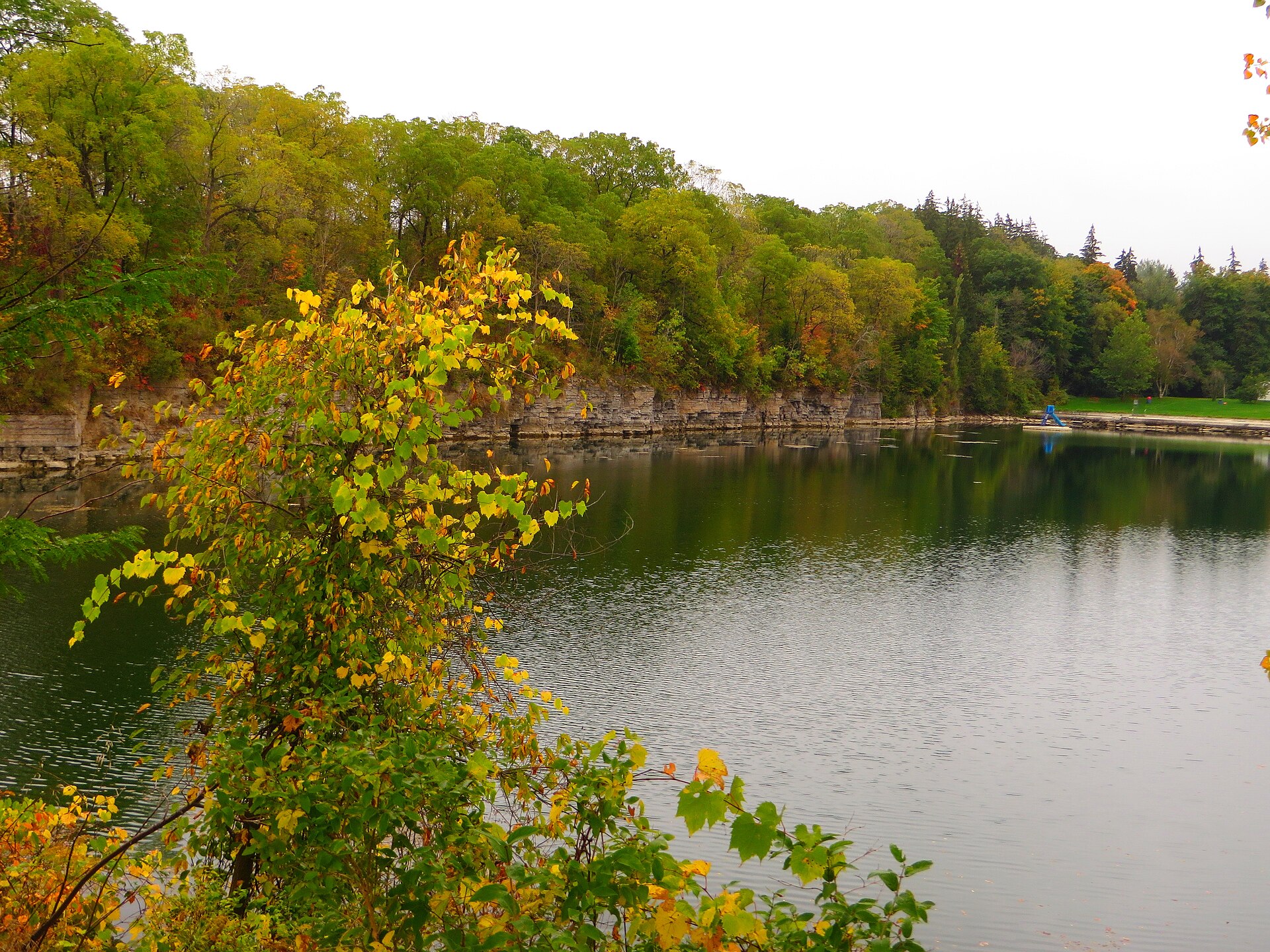

Quick Summary: Ramcos Pandalgudi Mine Wins Biodiversity Certification in India First
- The Pandalgudi site in Tamil Nadu received Advanced Certification from The Global Biodiversity Standard on September 9, 2026, marking it as the first site in Peninsular India to achieve this recognition.
- The restoration project covers over 500 acres, with 234 acres certified, and aims to transform an abandoned limestone quarry into a biodiversity-rich eco-park.
- Ramco Cements initiated the restoration in 2018, focusing on soil stabilization and biodiversity enhancement, with completion expected by 2027.
- The certification validates Ramco’s efforts in sustainable mining, highlighting its use of technology like India’s first optical sorter to reduce waste.
- There is ongoing debate about whether such projects represent genuine ecological recovery or are merely green branding, but the certification strengthens Ramco’s position.
Source: Open external resource
Source: Read original article
Ramco Cements’ restoration of the Pandalgudi mine in Tamil Nadu is not just a corporate sustainability story; it’s a landmark achievement in environmental rehabilitation. The site has received Advanced Certification from The Global Biodiversity Standard, making it the first of its kind in Peninsular India.
This ambitious project spans over 500 acres, with 234 acres already certified. It began in 2018 with the aim of transforming an abandoned limestone quarry into a vibrant eco-park. Ramco’s innovative approach includes using India’s first optical sorter, which reduces waste and enhances mining efficiency.
The certification is a significant validation of Ramco’s efforts, coming from an external biodiversity standard rather than the company itself. This distinction places Ramco at the forefront of sustainable mining practices, challenging the traditional view of the industry as a source of environmental degradation.
While some critics argue that such certifications may be more about green branding than genuine ecological recovery, the recognition from The Global Biodiversity Standard suggests otherwise. If Ramco can extend these efforts across the entire mine footprint, it could set a new benchmark for post-mining restoration in India.
Construction World reported on September 9, 2026 that the Pandalgudi site in Virudhunagar district received Advanced Certification from The Global Biodiversity Standard, which assesses restoration projects on scientific criteria and their ecosystem and community impact, with support from more than 250 scientists and academics worldwide. That tension is visible in public records showing Pandalgudi was inspected on December 31, 2024 by IBM’s Chennai region with no violation letter or show-cause notice recorded, a detail that supports Ramco’s effort to present the site as an example of compliant and scientifically managed mining rather than a reputational cleanup exercise after enforcement trouble.
The main institutions behind the project are Ramco Cements and Auroville Botanical Gardens, which provided technical support and have been linked to the restoration since the initiative began in 2018. Over the past 7 days, the key dated event appears to be the September 9, 2026 publication of the certification news, which is the freshest report surfaced in live web results.
The restored landscape spans more than 500 acres of worked-out mine area, while the certified portion itself covers 234 acres; Ramco says the broader effort began after attention turned in July 2018 to the abandoned SM Pit, plantation work started in 2019, and the project is expected to run through 2027. Right now, though, the clearest and most newsworthy fact is that an abandoned Tamil Nadu limestone quarry first flagged for restoration in 2018 has, as of this week’s reporting, crossed into the international conservation conversation with a formal biodiversity certification few industrial sites can claim.
The central tension in the story is subtle but important: it is a corporate sustainability success story unfolding in a sector usually associated with land degradation, regulatory scrutiny, and community risk. In its sustainability reporting, Ramco said, “We have invested in India’s first optical sorter at the Pandalgudi mines that reduces waste as well as offers economic efficiencies in the mining process,” tying the restoration story to a broader argument that mine closure, biodiversity, and operational efficiency can be sold together rather than treated as separate agendas.
That combination of local ecological design and international validation is the surprising twist that makes this week’s reporting more than a routine CSR update. What happens next, then, is less about a political showdown than about proof.
Over the past 7 days, the key dated event appears to be the September 9, 2026 publication of the certification news, which is the freshest report surfaced in live web results. Quick Summary: Ramco Cements' Pandalgudi mine restoration receives international recognition – Business Standard The Pandalgudi site in Tamil Nadu received Advanced Certification from The Global Biodiversity Standard on September 9, 2026, marking it as the first site in Peninsular India to achieve this recognition.
The restoration project covers over 500 acres, with 234 acres certified, and aims to transform an abandoned limestone quarry into a biodiversity-rich eco-park. This ambitious project spans over 500 acres, with 234 acres already certified.
In its sustainability reporting, Ramco said, “We have invested in India’s first optical sorter at the Pandalgudi mines that reduces waste as well as offers economic efficiencies in the mining process,” tying the restoration story to a broader argument that mine closure, biodiversity, and operational efficiency can be sold together rather than treated as separate agendas. The certification validates Ramco’s efforts in sustainable mining, highlighting its use of technology like India’s first optical sorter to reduce waste.
The scale and speed of this development has caught many observers off guard. Each new update adds another dimension to a story that is still unfolding, and the full picture will only become clear as more verified details emerge from the people and institutions directly involved.
Analysts who have tracked this issue closely say the current moment represents a genuine turning point. The decisions made in the coming weeks are expected to set the direction for months ahead, with ripple effects likely to extend well beyond the immediate actors in the story.
For those directly affected, the practical impact is already visible. People navigating this fast-changing situation are dealing with real consequences while new information continues to reshape what is known and what remains open to interpretation.
Historical parallels offer some context, though experts caution against drawing too close a comparison. Similar situations have played out before, but the specific combination of pressures, personalities, and timing here makes this moment distinct in ways that matter for how it ultimately resolves.
The political and economic dimensions of this story are deeply intertwined. What appears as a single event on the surface is in practice the convergence of multiple pressures that have been building quietly over a longer period than most public reporting has captured.