


Quick Summary: Missouris Congressional Map Dispute Returns to Supreme Court Amid Election Crunch
- Missouri’s Supreme Court ruled that the state constitution allows a referendum on the new map, ordering it to be on the November ballot and barring its use in the general election.
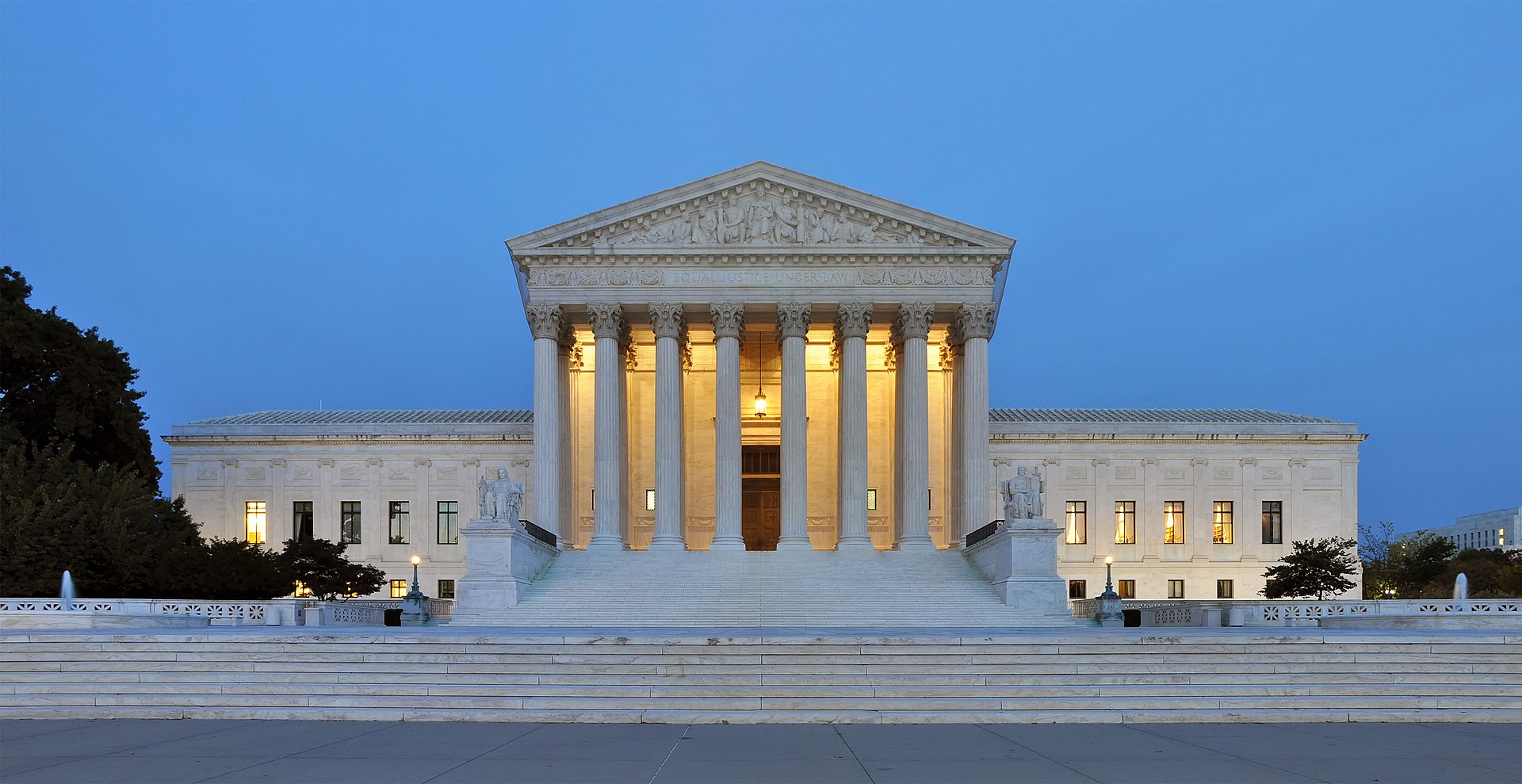
- The U.S. Supreme Court is revisiting the Trump-backed map after a federal appeals court revived it, setting up another emergency legal showdown.
- The appeals court ruled the newer map should be used since candidates were nominated under it in the August primary.
- If the Supreme Court does not act, Missouri officials face time pressure with ballot-printing and absentee-mail deadlines looming.
- The conflict now involves election administration, state constitutional law, and federal court power, not just partisan redistricting.
Source: Open external resource
Source: Read original article
In a legal saga that seems to have no end, Missouri’s congressional map dispute has returned to the U.S. Supreme Court for the third time. The map, backed by Trump allies, has been a point of contention since a federal appeals court revived it, despite previous blocks by the justices.
This latest twist comes as absentee voting is already underway, putting immense pressure on election officials. The appeals court’s decision to use the newer map, citing that candidates were nominated under it during the August primary, adds another layer of complexity.
At the heart of this battle is a clash between election administration, state constitutional law, and federal court power. The Missouri Supreme Court had earlier ruled that the new map was not law and should be subject to a referendum, but the federal appeals court’s ruling has thrown this decision into turmoil.
With deadlines for ballot printing and absentee mailing fast approaching, Missouri’s election officials are in a race against time. The Supreme Court’s next move could either stabilize the situation or plunge it further into chaos.
Missouri is currently set to run the November election using the older 2022 districts, but the 8th Circuit ordered a lower-court injunction requiring the Trump-backed map, then delayed that order for a week, effectively daring the Supreme Court to intervene again. Missouri’s Supreme Court ruled on September 3 that the state constitution allows a referendum on the Legislature’s new map and said House Bill 1 “is not the law and has never been the law,” ordering Secretary of State Denny Hoskins to put the referendum on the November ballot and barring use of that map in the general election.
Reporting this week says the dispute could shuffle more than 1 million potential voters, while local election officials told the appeals court they are already printing ballots under the 2022 map. Supreme Court late Tuesday, September 22, after a federal appeals court took the extraordinary step of reviving a Trump-backed GOP map the justices had already twice blocked, setting up another emergency showdown just as absentee voting is already underway.
Supreme Court then denied a stay on September 8, leaving that state-court ruling in place, but the federal appeals panel on Monday still said the newer map should be used because voters had already nominated candidates under it in the August primary. The lawsuit driving the latest appeals was filed by Republicans tied to the 5th District fight, turning what began as a referendum and ballot-access battle into a broader national redistricting test case with control-of-Congress implications.
They also said they faced a Friday federal deadline to mail absentee ballots to overseas and military voters, and a state-law deadline by next Tuesday to make absentee ballots available to all other voters. The Supreme Court could act at any moment after the response deadline on Wednesday, September 23, either freezing the appeals-court ruling again or letting the revived GOP map take effect.
The most important new development is that the Supreme Court gave supporters of the new map until midday Wednesday, September 23, to respond to the latest emergency appeal, meaning the justices are again being asked to decide, in real time, which map Missouri will use for the November election. If the justices do nothing, Missouri election officials would remain under intense time pressure as ballot-printing and absentee-mail deadlines arrive within days, with the one-week pause ordered by the 8th Circuit serving as the last buffer before the state must know, definitively, which congressional boundaries govern November.
Missouri’s Supreme Court ruled on September 3 that the state constitution allows a referendum on the Legislature’s new map and said House Bill 1 “is not the law and has never been the law,” ordering Secretary of State Denny Hoskins to put the referendum on the November ballot and barring use of that map in the general election. Supreme Court late Tuesday, September 22, after a federal appeals court took the extraordinary step of reviving a Trump-backed GOP map the justices had already twice blocked, setting up another emergency showdown just as absentee voting is already underway.
com Missouri’s Supreme Court ruled that the state constitution allows a referendum on the new map, ordering it to be on the November ballot and barring its use in the general election. Supreme Court is revisiting the Trump-backed map after a federal appeals court revived it, setting up another emergency legal showdown.
If the Supreme Court does not act, Missouri officials face time pressure with ballot-printing and absentee-mail deadlines looming. The conflict now involves election administration, state constitutional law, and federal court power, not just partisan redistricting.
The map, backed by Trump allies, has been a point of contention since a federal appeals court revived it, despite previous blocks by the justices. The appeals court’s decision to use the newer map, citing that candidates were nominated under it during the August primary, adds another layer of complexity.
The scale and speed of this development has caught many observers off guard. Each new update adds another dimension to a story that is still unfolding, and the full picture will only become clear as more verified details emerge from the people and institutions directly involved.
Analysts who have tracked this issue closely say the current moment represents a genuine turning point. The decisions made in the coming weeks are expected to set the direction for months ahead, with ripple effects likely to extend well beyond the immediate actors in the story.
For those directly affected, the practical impact is already visible. People navigating this fast-changing situation are dealing with real consequences while new information continues to reshape what is known and what remains open to interpretation.
Historical parallels offer some context, though experts caution against drawing too close a comparison. Similar situations have played out before, but the specific combination of pressures, personalities, and timing here makes this moment distinct in ways that matter for how it ultimately resolves.
The political and economic dimensions of this story are deeply intertwined. What appears as a single event on the surface is in practice the convergence of multiple pressures that have been building quietly over a longer period than most public reporting has captured.