

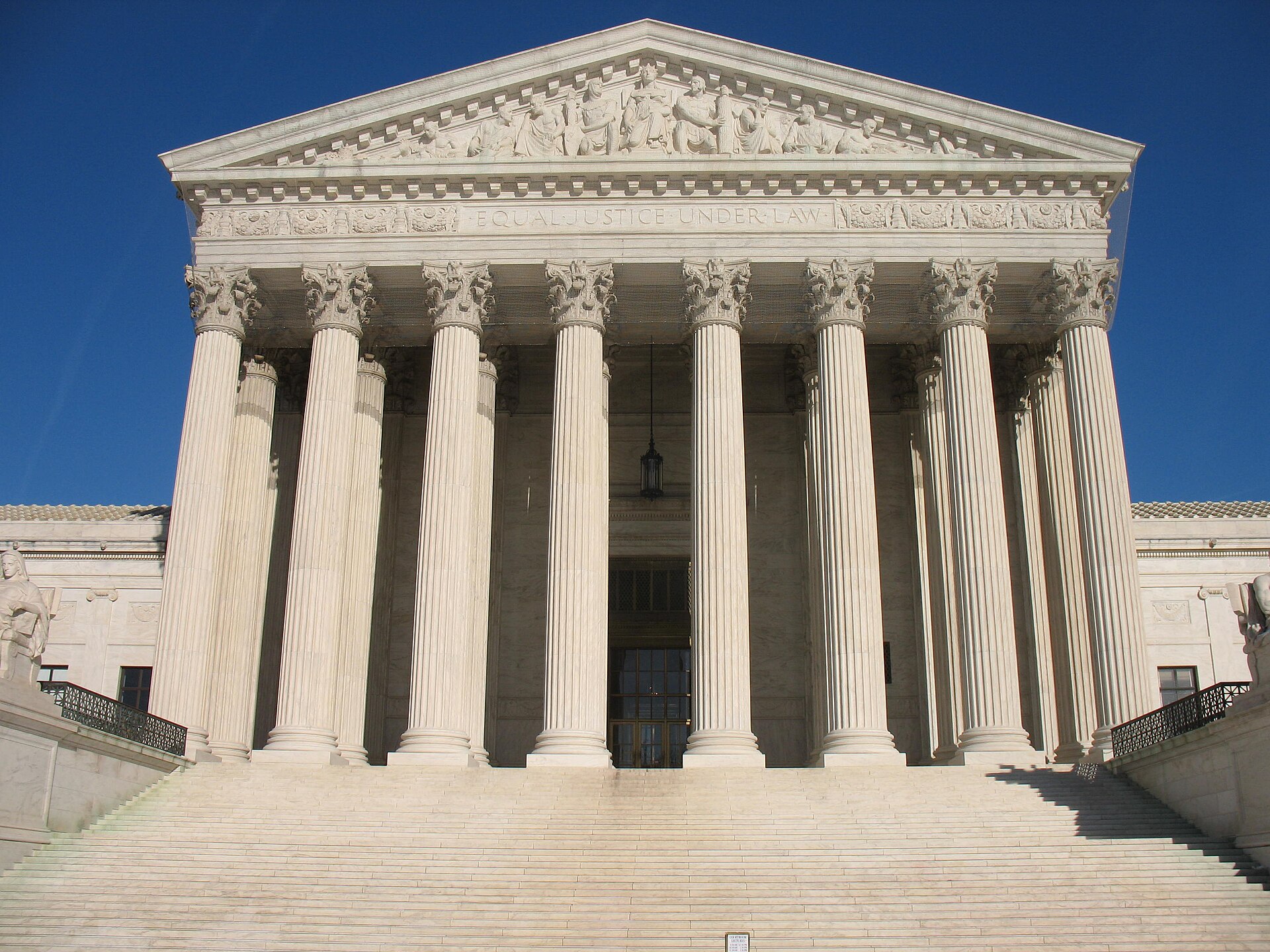

Quick Summary: High Court Ruling Highlights Tension in California Election Law
- The California Supreme Court ordered Riverside County Sheriff Chad Bianco to return 650,000 seized ballots, declaring the action unlawful.
- This ruling is pivotal as it intertwines election administration, law enforcement power, and California’s political landscape.
- Nearly 90% of voters in the June primary voted by mail, raising concerns about delays and political suspicion.
- Bianco’s ballot seizure was linked to unfounded voting improprieties in a special election on congressional redistricting.
- The state Supreme Court emphasized that ballots must remain under election officials’ control, even during investigations.
Source: Open external resource
Source: Read original article
California politics is currently engulfed in a fiery election-law controversy that is shaking the state’s political and legal foundations. The California Supreme Court has delivered a decisive blow to Riverside County Sheriff Chad Bianco, ordering him to return approximately 650,000 ballots he unlawfully seized. This dramatic ruling underscores a critical intersection of election administration, law enforcement authority, and a live political battle in the Golden State.
The court’s decision is not just a procedural rebuke but a clear message about the sanctity of election processes. Bianco’s seizure of ballots, tied to alleged voting improprieties in a special election, was deemed unfounded and illegal. The Supreme Court’s intervention highlights the tension between maintaining election integrity and overreach by law enforcement.
This clash is set against a backdrop of increasing mail-in voting, with nearly 90% of Californians opting to vote by mail in the June primary. Concerns about delayed ballot returns and the ensuing political suspicion have been rampant. The court’s ruling reinforces the necessity for ballots to remain under the strict custody of election officials, regardless of ongoing investigations.
As California gears up for the November midterms, the stakes have never been higher. The state’s election machinery is under pressure to expedite ballot processing while ensuring security. This controversy is a stark reminder of the delicate balance between speed and accuracy in election administration.
ABC7 Los Angeles’ politics file is being driven right now by an explosive California election-law clash: the California Supreme Court has ordered Riverside County Sheriff Chad Bianco to return about 650,000 ballots he seized, calling the takeover unlawful after he launched a probe into what ABC7 described as unfounded voting improprieties tied to a November 2025 special election. Another major ABC7 political development this week is the California governor’s race, where a new UC Berkeley Institute of Governmental Studies poll released Thursday and reported by ABC7 on Friday found Democrat Xavier Becerra at 58% and Republican Steve Hilton at 33%, a 25-point lead and a seven-point increase from August.
The ruling, published by ABC7 on Thursday, September 24, 2026, is the most consequential development because it combines election administration, law enforcement power and a live California political fight in one case. Nearly 90% of voters in the June primary voted by mail, and Logan warned that late-returned ballots create both delay and political suspicion.
The same poll found 48% of likely voters view Becerra favorably and 40% unfavorably, while Hilton is seen negatively by a 51% to 35% margin. The state Supreme Court said voted ballots must remain under the custody and control of election officials even during a criminal investigation, a direct rebuke to Bianco’s intervention.
The core conflict is not just about ballots but about who controls election evidence and how far claims of fraud can go before courts step in. The timing makes the fight even more charged because California is simultaneously under pressure to speed up election administration before the November midterms.
5 million when direct contributions and city matching funds are combined. According to ABC7, Bianco seized roughly 650,000 ballots in February from a special election on statewide congressional redistricting backed by Gov.
S & World Politics – ABC7 Los Angeles The California Supreme Court ordered Riverside County Sheriff Chad Bianco to return 650,000 seized ballots, declaring the action unlawful. ABC7 Los Angeles’ politics file is being driven right now by an explosive California election-law clash: the California Supreme Court has ordered Riverside County Sheriff Chad Bianco to return about 650,000 ballots he seized, calling the takeover unlawful after he launched a probe into what ABC7 described as unfounded voting improprieties tied to a November 2025 special election.
The same poll found 48% of likely voters view Becerra favorably and 40% unfavorably, while Hilton is seen negatively by a 51% to 35% margin. Nearly 90% of voters in the June primary voted by mail, raising concerns about delays and political suspicion.
The Supreme Court’s intervention highlights the tension between maintaining election integrity and overreach by law enforcement. This clash is set against a backdrop of increasing mail-in voting, with nearly 90% of Californians opting to vote by mail in the June primary.
According to ABC7, Bianco seized roughly 650,000 ballots in February from a special election on statewide congressional redistricting backed by Gov. This ruling is pivotal as it intertwines election administration, law enforcement power, and California’s political landscape.
The scale and speed of this development has caught many observers off guard. Each new update adds another dimension to a story that is still unfolding, and the full picture will only become clear as more verified details emerge from the people and institutions directly involved.
Analysts who have tracked this issue closely say the current moment represents a genuine turning point. The decisions made in the coming weeks are expected to set the direction for months ahead, with ripple effects likely to extend well beyond the immediate actors in the story.
For those directly affected, the practical impact is already visible. People navigating this fast-changing situation are dealing with real consequences while new information continues to reshape what is known and what remains open to interpretation.
Historical parallels offer some context, though experts caution against drawing too close a comparison. Similar situations have played out before, but the specific combination of pressures, personalities, and timing here makes this moment distinct in ways that matter for how it ultimately resolves.
The political and economic dimensions of this story are deeply intertwined. What appears as a single event on the surface is in practice the convergence of multiple pressures that have been building quietly over a longer period than most public reporting has captured.